A wire grid cube looks harmless sitting in the corner of a craft store. Cheap, light, easy to grab on the way out. Then you get it home, use it for a season, and by the next show it is bent, sagging, or missing a zip tie holding the whole thing together. Sound familiar.
The annual replacement cycle nobody budgets for
Wire grids are not built for repeated load in and load out. They bend under panel weight, they warp in transit, and once one panel goes, the whole wall looks uneven. So you replace it. Then next season, you replace it again. This becomes a quiet annual line item that never gets its own spot in your budget, it just gets absorbed as stuff I had to buy before the show.
Add up a few years of this and you have spent more on grid replacements than you would have spent once on a display built to actually last. That is the trap. Cheap feels like saving money because each individual purchase is small. The pattern is what costs you.
What replacing a grid actually costs you
It is never just the grid. It is the zip ties, the extra prints you need to re-cut to fit a slightly different bent shape, the time spent fixing it in a hotel room the night before doors open, and the stress of hoping it holds through a whole weekend of customers leaning on your table. None of that shows up on the receipt, but all of it is real cost.
What replaces the grid cycle for good
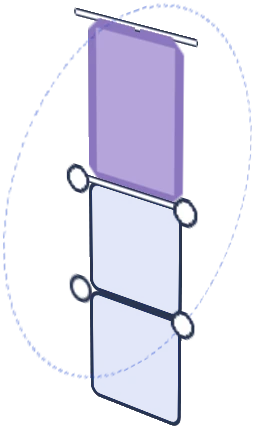
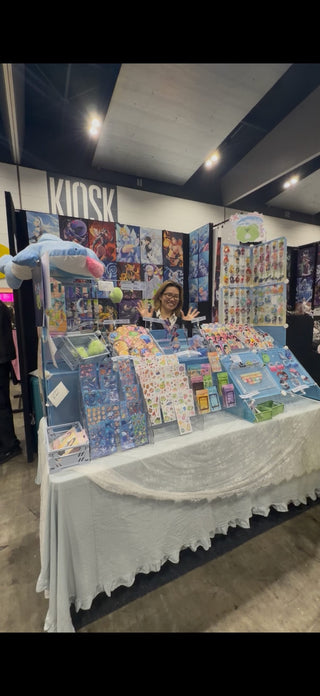
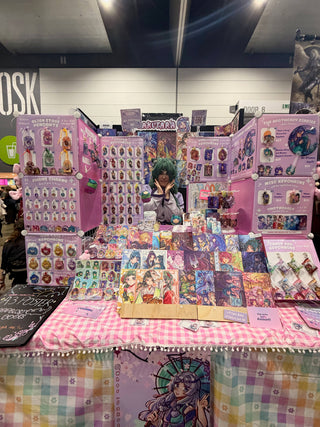
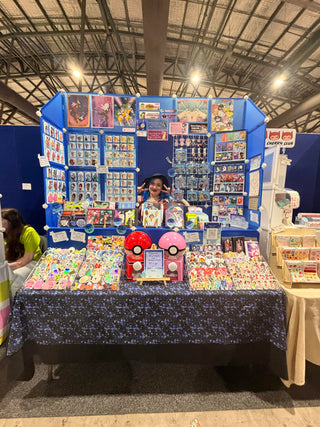
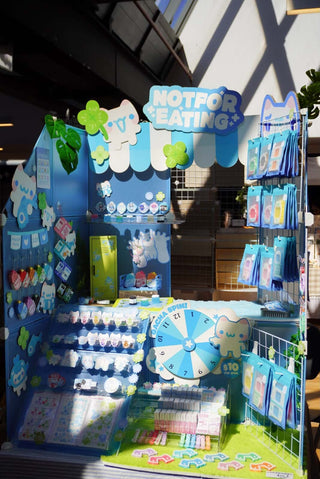
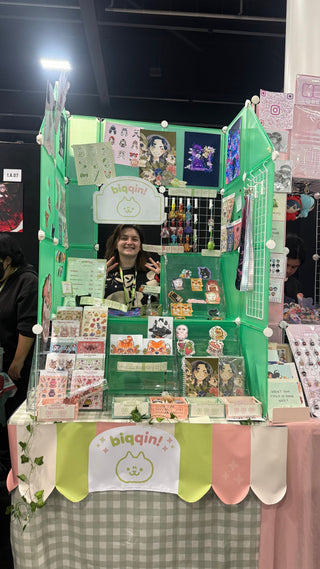
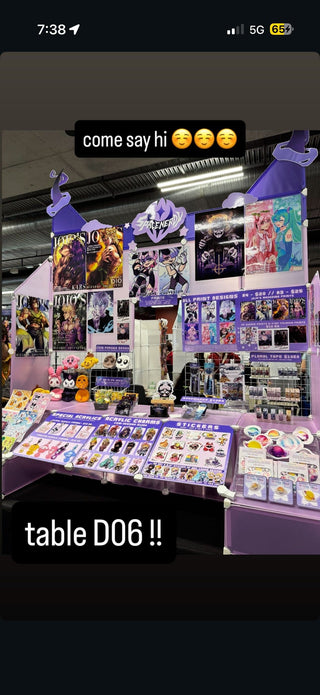
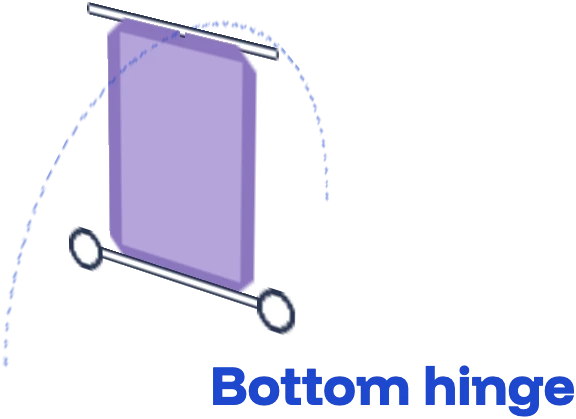
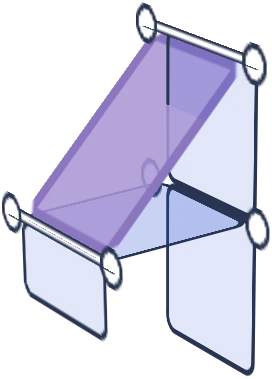
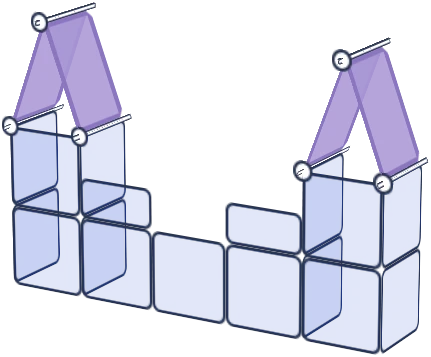
A modular panel system built to reconfigure into different layouts skips this problem entirely. Instead of bent wire and sagging fabric, you get panels engineered to hold their shape across years of shows, set up in under 30 minutes with no tools, and pack flat so they travel light without adding to your baggage bill. Ours also do something a wire grid never will: the any-angle panel in the Angled kits swings both ways and sets at any angle, so the wall can become an awning, a roof or an arch.
Every show you skip a grid replacement, that is money back in your pocket, and every show your panels go up in minutes instead of fighting with warped wire, that is stress off your plate. Multiply that across a full convention journey and the difference is EVERYTHING.
Do the math on your own grid habit
Think back over the last two years. How many grid cubes have you bought or replaced. Add up what that actually cost, including the tape, the zip ties, and the panicked last minute purchases. Compare that total to a single kit that spreads its cost across 20+ shows instead of one bent season. The comparison usually settles the debate fast.
If you are tired of buying the same wire grid twice a year, take a look at our modular display kit, or compare the full kit lineup to find the size that replaces your current setup for good.
Why do wire grids bend so easily?
They are designed for light home storage use, not repeated transport and the weight of hung prints or panels. Constant flexing under load is exactly what they were never built for.
How long should a real display setup actually last?
A well built modular kit is designed to hold up across years of regular show use, not a single season. That is the entire point of paying for engineering instead of a bargain bin cube.
Is switching mid season worth the disruption?
Usually yes. Every additional show on a failing grid setup is another repair cost and another stressful load in. A fast, tool free setup pays that disruption back within a show or two.
![Artistbooths Bundle Component Frosted Lavender Purple (PMS 2715 C) Panel Square (35x35 cm) [8-pack]](http://artistbooths.com/cdn/shop/files/artistbooths-bundle-component-frosted-lavender-purple-pms-2715-c-boof-panel-square-35x35-cm-8-pack-1214015634.png?v=1767318728&width=300)



![Artistbooths Bundle Component Frosted Lilac Purple (PMS 263 C) BOOF Panel Triangle (35x35 cm) [2-pack]](http://artistbooths.com/cdn/shop/files/artistbooths-bundle-component-frosted-lilac-purple-pms-263-c-boof-panel-triangle-35x35-cm-2-pack-1214015625.png?v=1767318428&width=300)


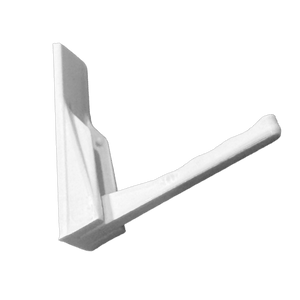
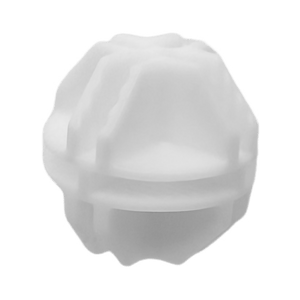
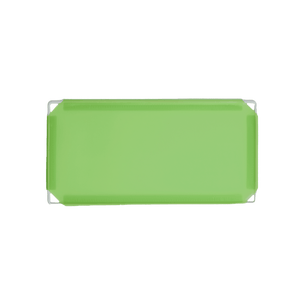
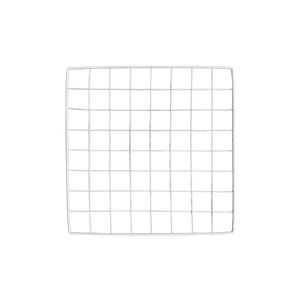
























![Square Panel [24 Pack] (35cm / 13.8in) Add-on](http://artistbooths.com/cdn/shop/files/Bulk_thumbnails-14.png?v=1782275611&width=320)
![Self Serve Hook with wire grid T clip 8cm [10 pack] Add-on](http://artistbooths.com/cdn/shop/files/artistbooths-booth-garage-t-section-self-serve-grid-hook-8cm-10pcs-1234044856.png?v=1776916212&width=320)
![Self serve display Grid & Intersection Hook expansion pack [12/24 Mixed pack] Add-on](http://artistbooths.com/cdn/shop/files/artistbooths-booth-garage-12-pack-2-grid-10-hooks-self-serve-display-grid-intersection-hook-expansion-pack-12-24-mixed-pcs-1234209872.png?v=1777005938&width=320)
![Multi Connector Expansion Pack - White - Bundle & Save [16/32 mixed pack] Add-on](http://artistbooths.com/cdn/shop/files/artistbooths-booth-garage-16-mixed-connector-pro-pack-connector-pro-expansion-pack-white-bundle-save-16-32-mixed-pcs-1234209875.png?v=1777005971&width=320)

![Mini Rectangle Panels [5-Pack] (17cm x 35cm/6.69in x 13.78in) Add-on](http://artistbooths.com/cdn/shop/files/artistbooths-booth-garage-frosted-amber-yellow-pms-1235-c-half-squares-10-pack-17cm-6-69in-1229850280.png?v=1774848457&width=320)
![Foot Connector Expansion Pack [4 Pcs] Add-on](http://artistbooths.com/cdn/shop/files/artistbooths-booth-garage-white-foot-connector-4-pcs-1233353183.png?v=1776908318&width=320)
![Mixed Single & Double Wire Shelf Clip [9 pack] Add-on](http://artistbooths.com/cdn/shop/files/mixed-single-double-wire-shelf-clip-9-pack_0c6e301c-8a76-411c-962a-8bf135de46c4.png?v=1792031372&width=320)
![Booth Wheel & Wheel Connector - white - [4 pack] Add-on](http://artistbooths.com/cdn/shop/files/artistbooths-booth-garage-booth-wheel-4pcs-wheel-connector-4-pcs-white-1234044880.png?v=1776916093&width=320)
![Corner Connector Expansion Pack [8 pack] Add-on](http://artistbooths.com/cdn/shop/files/artistbooths-booth-garage-white-corner-connector-expansion-pack-4-pcs-1234044868.png?v=1776915937&width=320)
![Edge Connector [8 pack] Add-on](http://artistbooths.com/cdn/shop/files/artistbooths-booth-garage-white-edge-connector-4-pcs-1234044876.png?v=1776915671&width=320)
![Single Shelf Wire Clip White [5 pack] Add-on](http://artistbooths.com/cdn/shop/files/artistbooths-booth-garage-single-shelf-wire-clip-white-5pcs-1234044883.png?v=1776915612&width=320)
![Double shelf wire clip white [4 pack] Add-on](http://artistbooths.com/cdn/shop/files/artistbooths-booth-garage-white-double-shelf-wire-clip-4-pack-1233353188.png?v=1776771613&width=320)
![Self serve display Grid & Fold Hook expansion pack [12/24 Mixed pack] Add-on](http://artistbooths.com/cdn/shop/files/artistbooths-booth-garage-12-pack-2-grid-10-fold-hooks-self-serve-display-grid-fold-hook-expansion-pack-12-24-mixed-pcs-1234209869.png?v=1777005852&width=320)
![Foldable Self Serve Hook (with wire clip) - [20 pack] Add-on](http://artistbooths.com/cdn/shop/files/artistbooths-booth-garage-white-foldable-self-serve-hook-wire-clip-version-10-pcs-1234214602.png?v=1777016318&width=320)
![Foldable Self Serve Hooks (with adhesive sheet) [20 pack] Add-on](http://artistbooths.com/cdn/shop/files/artistbooths-booth-garage-white-foldable-self-serve-hooks-adhesive-version-10-pcs-1234214609.png?v=1777016200&width=320)
![Metal mallet (with dual rubber/soft tap sides) [1 pc] Add-on](http://artistbooths.com/cdn/shop/files/artistbooths-bundle-component-dual-headed-metal-mallet-with-soft-tap-side-1209303104.png?v=1764380999&width=320)
![Panel Clamp Black 3cm Mouth [4 pcs] Add-on](http://artistbooths.com/cdn/shop/files/artistbooths-booth-garage-panel-clamp-2-pcs-1233843253.png?v=1776843493&width=320)