Artist Back Alley Resources Blog

Accessible Booth Design: Making Your Table Welcoming for Everyone

Accessible Booth Design: Making Your Table Welcoming for Everyone

Most booth design advice is about grabbing attention, taller displays, bolder signage, a layout that pulls people in from the aisle. Worth asking alongside all of that: once someone's attention is caught, can they actually get to your table and shop comfortably? For a decent chunk of your potential customers, the honest answer is often no, and it's rarely on purpose, it's just not something most setups are built to consider. Height and reach matter more than most vendors think about If your pricing, your bestsellers, or your card reader are all up on a tall riser, that's a real barrier for a wheelchair user or anyone shorter than average. It doesn't mean nothing can go up high, it means your key information and your most interesting items shouldn't live exclusively out of a lower reach range. A quick gut check: could someone shop your entire table from a seated position without having to ask you to hand something down? Clear pathways aren't just about being polite A booth that juts into the aisle, or a table with boxes stacked in front of it, isn't just a minor inconvenience. For a wheelchair or mobility device user, a narrowed aisle can mean your booth is functionally inaccessible even if everything on the table itself is fine. Keep your own footprint inside your allotted space and leave a genuine gap in front of your table, not just enough room for someone standing to lean in. A quick accessibility checklist for your table Is there a clear, wide enough path for a wheelchair or cane user to approach your table directly Are prices and bestsellers visible and reachable from a seated height, not only from a tall riser Is your text legible and high-contrast for people with low vision, not a thin decorative font on a busy background Do you have a seated option or at least room for someone to pause without blocking the aisle behind them Can you offer a description of a piece for someone who's blind or low vision without making it feel like a chore Sensory considerations count as accessibility too Flashing lights, loud speakers, or strong scented products at your booth can make your table genuinely unapproachable for autistic customers or anyone with sensory sensitivities. This doesn't mean stripping your booth of personality. It means being aware that a booth-wide LED strobe effect, however cool it looks, is a real access barrier for part of your audience, and a steadier lighting choice reaches more people without losing much visual impact. Communication matters as much as the physical layout Not every customer processes a rapid sales pitch easily, and not every customer can hear you clearly in a loud convention hall. Having your pricing and key details written down and visible means someone doesn't have to rely purely on catching everything you say out loud. It helps every customer, honestly, not just the ones for whom it's a necessity. A modular layout makes this easier to actually build Accessible design is a lot easier to pull off when your booth isn't a single fixed structure you're stuck with. A modular panel setup lets you keep your signage and top sellers at a genuinely reachable height while still using vertical space for visual impact higher up, and you can adjust the layout show to show as you learn what works. Whether you're running a small counter setup on the Core tier or a full table build with more height on something like the Shapeshift Base, the flexibility to rearrange panels means accessibility isn't a one-time redesign, it's just part of how you set up every time. This is worth doing even though nobody's grading you on it Nobody's going to hand you a scorecard for an accessible booth. What you get instead is more customers who can actually shop your table comfortably, and a reputation among convention-goers as a vendor who thought about them. That's a quiet kind of goodwill that adds up over a lot of shows. Curious what a Shapeshift kit actually looks like in person? Head to the Artist Booths homepage to see the full lineup and find the one that fits your table.
When Your Art Style Changes: Updating Your Booth to Match

When Your Art Style Changes: Updating Your Booth to Match

Your art style two years ago probably doesn't look much like your art style now, and that's a good thing, it means you're still growing instead of repeating the same piece forever. The awkward part nobody warns you about is that your booth doesn't automatically evolve with you. You can end up with a display that's still visually built around a style you've mostly moved on from. How to notice you've outgrown your own booth It usually shows up as a mismatch you can feel before you can name. Maybe your newer work is bolder and more colorful, but your booth's still built around a muted, minimalist look from your earlier era. Maybe you've shifted from flat illustration to something more dimensional, and a display designed for prints doesn't do your new pieces justice. If customers are commenting on your art but seem confused about the booth around it, that's usually the tell. Decide what actually needs to change Not every style shift requires ripping out your whole setup. Sometimes it's just the color scheme of your signage and tablecloth that's out of step. Sometimes your new work genuinely needs a different physical display, more vertical hanging space for larger pieces, different lighting for more detailed or darker work, a different flow if you've added a whole new product category. Questions worth asking before you rebuild anything Is the mismatch about color and mood, or about the physical way your work needs to be shown Are you keeping an old display element out of habit or because it's genuinely still useful Would a first-time customer looking at your booth guess correctly what kind of art you make Does your new work need more height, more surface space, or just a different backdrop A two-tone setup can mirror a style shift well If your art has moved toward a bolder or more layered palette, your booth's colors are one of the easiest things to update without starting from scratch. This is where a kit like the Shapeshift Duo is worth a look, since the two-tone panels let you mix a primary and a secondary color rather than being locked to one flat backdrop. It's a way to physically reflect a style shift, from muted to bold, from one dominant color to a considered two-color palette, without redesigning your entire display from the ground up. Keep what still works Updating your booth to match a new style doesn't mean discarding everything. If your pricing signage is clean and legible, keep it. If your table flow, cheap items up front, bigger pieces toward the back, still makes sense, don't fix what isn't broken just because you're in an update mindset. Change the things that are actually out of step with your current work, and leave the rest alone. Do it in stages if a full rebuild feels like too much You don't have to overhaul everything before your next show. A lot of artists update one element at a time across a few events, new signage first, then a new backdrop color, then a reworked display for a new product line, rather than trying to nail a complete rebuild all at once under deadline pressure. Incremental changes also give you room to see what actually works with your new art before committing further. Your booth should feel like a fair preview of what's on your table The whole point of updating your setup alongside your art is pretty simple: someone glancing at your booth from the aisle should get an accurate sense of what they'll find if they stop. When your style moves and your booth doesn't, that preview stops being accurate, and that's worth fixing sooner rather than a year later when the gap's even wider. Curious what a Shapeshift kit actually looks like in person? Head to the Artist Booths homepage to see the full lineup and find the one that fits your table.
Finding Your People in the Artist Alley Community

Finding Your People in the Artist Alley Community

Tabling can be a strangely lonely job for something that happens in a room full of people. You're behind your own table all day, your neighbors are busy running their own booths, and it's easy to go to show after show without actually building any real connections. That's fixable, and it's worth fixing, because the artists who find their people in this scene tend to stick with it longer and enjoy it more. Your table neighbors are the easiest starting point You'll spend six to eight hours sitting a few feet from the same person, sometimes for multiple days in a row. That's an unusually good setup for actually getting to know someone, if you take the two minutes during a lull to introduce yourself instead of just nodding hello. A lot of long-running artist friendships started as exactly this, two strangers assigned adjacent tables who ended up covering each other's bathroom breaks and then just kept talking. Group chats and cross-promotion do real work Some of the strongest artist alley communities run almost entirely through informal group chats, people sharing which shows are worth applying to, splitting a hotel room, or warning each other about an event that turned out to be poorly run. If a show you're at doesn't already have something like this, you can be the one who starts it. A simple "hey, want to swap contacts in case we're both at the same shows" goes further than it seems like it should. Ways to actually build community instead of just attending it Run a stamp rally with a few nearby vendors, sending customers between your tables Genuinely browse other booths during setup or slow hours instead of staying glued to your own table Show up to after-show meetups even when you're exhausted, they're often where the real connections happen Follow and actually engage with other vendors online, not just a follow-back and silence Online spaces extend the community between shows The friendships you make at a show don't have to end when the show does. Discord servers built around specific conventions or mediums, artist-focused subreddits, and small group chats all keep that community going in the months between events. That's often where the real advice-sharing happens, someone posting "is this contract normal" or "anyone doing this con in the spring" and getting honest answers from people who've actually been there. Being generous with what you know brings people to you Artists who freely share what they've learned, which shows are worth it, how they price things, what their booth setup cost, tend to become the person other vendors gravitate toward. It doesn't cost you anything to answer someone's question about your table setup or your printing vendor, and it's usually how the closest artist-alley friendships actually start, one small favor or shared tip at a time. You don't need a huge network, just a real one This isn't about maximizing your follower count or being everyone's friend at every show. A handful of vendors you genuinely trust, who'll watch your table, tell you the truth about your new prints, and text you about which shows are worth applying to next year, does more for your tabling life than a thousand surface-level acquaintances. Start with the person next to you at your next show. That's usually all it takes to begin. Curious what a Shapeshift kit actually looks like in person? Head to the Artist Booths homepage to see the full lineup and find the one that fits your table.
Why 'Everyone's Doing Better Than Me' Is a Lie Your Brain Tells You

Why 'Everyone's Doing Better Than Me' Is a Lie Your Brain Tells You

You know the feeling. You're two hours into a slow show, glance three tables down, and see a line of people at your friend's booth. Your brain immediately does the math: they're better than you, more popular than you, doing something right that you're not. None of that math is reliable, and it's worth understanding why before you let it ruin your day. You're comparing your whole day to their one good hour You don't see their slow hour from earlier, or the show last month where they barely broke even. You see one snapshot, usually their best moment, and you compare it against your entire day including the parts that felt rough. That's not a fair comparison, it's just what's visible to you in that specific minute. Different art sells differently at different shows A booth doing great business at a comic convention might do nothing at a fine art market, and vice versa. If the table outselling you is doing something adjacent to a trending fandom or a specific print style that happens to fit that particular crowd, that's not a measure of skill, it's a measure of fit for that specific room on that specific day. Move the same two booths to a different show and the results can flip completely. Nobody posts their bad shows Social media compounds this feeling badly. Vendors post photos of their busiest hour, their best-looking table, their biggest sale. Almost nobody posts a photo of an empty aisle at 4pm on a slow Sunday, even though that's a completely normal part of doing this. If your only data about other vendors comes from their highlight reel, of course it looks like everyone else has this figured out and you don't. Things that are actually happening behind that "better" booth They've probably had shows just as slow as your worst one Their setup took several events and probably a few costly mistakes to get right They're likely comparing themselves to someone else's booth right now too Some of what looks like success is inventory turnover on lower-margin items, not necessarily more profit Comparison tells you nothing useful to act on Even if the comparison were fair, "that booth is doing better than me" isn't information you can use. What's actually useful is specific: is your pricing visible from a few feet away, does your display show your range of work, are you making eye contact with people walking by instead of looking at your phone. Those are things you can act on today. A vague feeling of falling behind isn't. Talk to the people you're comparing yourself to A lot of artists we talk to say the comparison spiral gets a lot quieter once they actually start talking to the vendors they've been silently measuring themselves against. Turns out almost everyone has a rough show story from the last twelve months. The booth that looked unstoppable on your worst day is dealing with their own version of the same doubt on someone else's worst day. Your job is your own trajectory, not someone else's snapshot The only comparison that actually means anything is your own booth against your own booth six months ago or a year ago. Are your prices more dialed in. Is your setup faster to build and better organized. Are you having better conversations with customers than you used to. That's the whole scoreboard that matters, and it's one nobody else can see or throw off by having one good hour at the table across from you. Curious what a Shapeshift kit actually looks like in person? Head to the Artist Booths homepage to see the full lineup and find the one that fits your table.
What Actually Changes Between Your First Table and Your Tenth

What Actually Changes Between Your First Table and Your Tenth

Your first table and your tenth table are barely the same activity, even though they look identical from the outside: a folding table, some art, you standing behind it hoping people stop. Here's what's genuinely different by the time you've done this ten times. You stop narrating your own booth At table one, you're explaining everything. "This is a print, this is an original, this one's from my newest series." By table ten, your setup does most of that talking for you. Clear pricing, a logical flow from cheap impulse buys to bigger pieces, signage that answers the questions people always ask, it all means you're free to actually talk to people instead of narrating a tour of your own table. Slow hours stop feeling like a verdict A dead hour on your first show feels catastrophic, like proof you shouldn't be doing this. By your tenth show you know slow stretches happen to everyone, usually tied to time of day or what's happening on the main stage, and they say almost nothing about your work specifically. You use the lull to restock, chat with your neighbor, or just sit down for five minutes instead of spiraling about it. Your setup gets faster, and more forgiving First-show setup often takes way longer than the schedule allows, because you're improvising the whole layout on the spot. By the tenth show, you've usually settled into a version of your booth you can build in under thirty minutes without thinking hard about it, because you've done it enough times that your hands know the order even when your brain's running on four hours of sleep. What tends to change, concretely, between show one and show ten Show one Show ten Improvised layout, decided on the spot A repeatable layout you can rebuild fast No float, scrambling for change A set float amount, packed the night before Pricing decided on the fly Fixed, visible pricing you rarely second-guess Every slow hour feels personal Slow hours are just slow hours Talking to every browser individually Reading who wants space and who wants conversation You get better at reading the room New vendors tend to treat every person who walks up the same way, full engagement, full pitch. By table ten you can usually tell within a few seconds who wants to browse quietly and who's actually looking to chat, and you adjust instead of overwhelming someone who just wanted to look at your prints in peace. You know your numbers instead of guessing Early on, most vendors have a rough sense of whether a show "felt good." By the tenth show, a lot of artists are tracking actual numbers: what sold, what didn't move at all, which price points people hesitated on. That data starts driving what you bring to the next show instead of restocking everything evenly out of habit. Your booth stops being a work in progress Ten shows in, most vendors have landed on a setup that fits how they actually sell, not a setup copied from someone else's table. Whether that's a compact display on a Core-tier kit for a small con, or a bigger build for full tables once you're doing larger shows regularly, it's dialed in from actual repetition, not guesswork. The nerves don't fully disappear, they just get quieter Even veteran sellers get a flicker of nerves before a new show. What changes by table ten is that the nerves don't run the whole day anymore. You know you can handle whatever the day throws at you, because you've already handled nine versions of it before. Curious what a Shapeshift kit actually looks like in person? Head to the Artist Booths homepage to see the full lineup and find the one that fits your table.
Growing Your Booth Without Losing What Made It Feel Like You

Growing Your Booth Without Losing What Made It Feel Like You

There's a specific kind of anxiety that shows up once your booth starts doing well. You want to grow it, add a banner, add lighting, maybe finally get that bigger display you've been eyeing, but you're also scared that a bigger, more polished setup is going to feel less like you and more like every other booth in the aisle. That fear is legitimate. It's also solvable, and it usually comes down to being intentional about which upgrades are cosmetic scale and which ones are actually changing your identity. Growth and generic-ness aren't the same thing A bigger booth isn't automatically a blander one. What actually flattens a booth's personality is copying someone else's exact display style because it looked good on their table, rather than scaling up the specific things that already made your booth feel like yours. If your table's always had handwritten price tags in your own lettering, keep that even as everything else gets more polished. If your charm has always been a slightly chaotic, art-covered table rather than a minimalist one, don't sand that off just because you can now afford acrylic risers. Figure out what's actually "you" before you scale it Before adding anything, it helps to name the two or three things about your current booth that people actually comment on. Maybe it's your hand-lettered signage. Maybe it's a specific color scheme you've used since your first show. Maybe it's just that your table always looks a little cluttered and warm in a way that fits your art style. Whatever it is, that's the thing to protect as you grow, not the thing to trade away for a more "professional" look. A quick gut check before any upgrade Does this change make the booth bigger, or does it change what the booth says about you Would a longtime customer still recognize your table at a glance after this change Are you adding this because it serves your actual display needs, or because someone else's booth has it Scaling up physically is the easy part The mechanical side of growing a booth, going from a half table to a full one, or from a single table to a corner double booth, is honestly the more straightforward problem to solve. This is where a modular setup earns its keep, because you can add to an existing kit instead of replacing it outright. If you started on a smaller footprint and you're moving up to a full six-foot table with more height for hanging work, something like the Shapeshift Duo gives you the extra panels and the option to mix in a second color, so the booth reads as an evolution of your setup rather than a totally different one. Let your product mix grow with intention, not just volume It's tempting to fill new table space with more of everything once you have the room. That's usually a mistake. A booth that grew by just adding more SKUs without a clear hierarchy starts to feel cluttered and impersonal, which is the exact opposite of what you were trying to avoid. Growth works better when it's "here's a new product line that expands what I already do" rather than "here's twice as much stuff on a bigger table." Ask trusted regulars if it still feels like you If you have customers or fellow vendors who've followed your booth for a while, they're a genuinely useful gut check after a big change. Not a public poll, just a quiet "does this still feel like my table to you?" conversation. People who've watched your booth evolve over several shows will notice immediately if something feels off, usually before you can articulate why yourself. The version of your booth that gets bigger without losing itself The booths that grow well over several years tend to have one thing in common: the owner kept making small, deliberate choices about what stayed and what changed, instead of doing one big overhaul all at once. Grow the parts that need more room. Protect the parts that are actually your signature. Do that consistently and a bigger booth just ends up feeling like more of you, not less. Curious what a Shapeshift kit actually looks like in person? Head to the Artist Booths homepage to see the full lineup and find the one that fits your table.
Handling Rejection From a Convention Application

Handling Rejection From a Convention Application

The rejection email always seems to land at a bad time. You're mid-scroll, not thinking about it, and there it is: "thank you for your interest, unfortunately we're unable to offer you a table this year." It stings even when you were expecting it, and it stings worse when you weren't. Here's the honest version of how to handle it, not the version where you pretend it doesn't bother you at all. Let yourself be annoyed for a bit You don't have to immediately reframe it as a growth opportunity. It's fine to be irritated, close the laptop, and come back to your applications later. Convention jurying is genuinely inconsistent between organizers, sometimes between years of the same show, and pretending every rejection is a fair, calibrated assessment of your art would be dishonest. Sometimes it's just that they already filled your medium's quota before your application landed. Then look at what you can actually control Once the sting fades a bit, it's worth an honest look at your application photos specifically. A huge number of rejections come down to booth photos that don't clearly show a full, professional-looking table, not the art itself. If your submission photo is a phone shot of a messy folding table from your first show two years ago, that's worth fixing before you apply again, regardless of how good the work in the photos is. Things worth checking before your next application Is your booth photo recent, well lit, and does it show your actual current setup Does your portfolio show range, or does every image look nearly identical Are you applying to shows that actually match your medium and audience Is your artist statement or bio current, not copy-pasted from three years ago One rejection is not a pattern It's easy to spiral a single "no" into "I'm not good enough for this scene." One data point isn't a pattern. If you're getting rejected from most shows you apply to over a full season, that's worth a real look at your materials. If it's one competitive show out of six applications, it's just how jurying goes, even for artists who eventually get into that exact show a year or two later with barely different work. Ask if feedback is available Some shows will give you specific feedback if you ask politely, others won't have the bandwidth to. It doesn't hurt to send a short, genuine note asking if there's anything specific that held your application back this round. You won't always get an answer, but when you do, it's often more useful than guessing. Apply again, and apply to more than one show A lot of artists we talk to say the same thing: the shows that rejected them once often accepted them a year later once their booth photos improved or they simply reapplied with a stronger batch of new work. Don't treat one rejection as a permanent verdict on a specific event. Keep a rolling list of shows you want to try and apply to more than one at a time, so a single "no" doesn't feel like your only shot at that season. A stronger booth photo is a cheap fix with a real payoff If there's one concrete thing to do after a rejection, it's this: get a genuinely good photo of your full table setup at your next event, in good lighting, showing your actual current display, not a mockup. A tidy, well-lit booth photo does more for your application odds than almost anything else in your control, and it's the kind of fix that pays off across every future application, not just the next one. It gets less personal over time The first rejection usually feels like the worst one. By your fifth or sixth, most vendors report it starts to feel like a normal part of the process rather than a judgment on their work. That doesn't mean it stops mattering. It means you get better at separating "this show said no this time" from "my art isn't good," which were never actually the same statement to begin with. Curious what a Shapeshift kit actually looks like in person? Head to the Artist Booths homepage to see the full lineup and find the one that fits your table.
The Unwritten Rules of Artist Alley Etiquette

The Unwritten Rules of Artist Alley Etiquette

Nobody hands you a rulebook when you get your first artist alley table. You just show up, set up next to strangers who'll be your neighbors for the next eight hours, and figure it out in real time. Most of it you can guess. Some of it you can't, and it's the stuff that isn't written on any application form. Your space ends where your neighbor's begins This is the big one. Tables are usually smaller than you think once your display, your chair, and your bag are all accounted for, and it's tempting to let a banner or a rack creep six inches into the aisle or onto the next table. Don't. Every inch you take is an inch someone else doesn't have, and it's the fastest way to start a show on bad terms with the person you'll be sitting next to all weekend. If your display genuinely doesn't fit your space, that's a sign to rework the display, not to quietly expand your footprint. Ask before you leave your table unattended You will need a bathroom break. You will want food at some point. The polite move is a quick heads up to your neighbor, "hey, can you keep an eye on my table for ten minutes," rather than just vanishing and hoping nothing walks off. Most vendors are happy to do this for each other. Just remember to return the favor. Don't hard-sell the table next to you Loud sales pitches carry. If you're shouting your discount code across the aisle, it's landing in your neighbor's space too, and it makes it harder for them to have a normal conversation with their own customers. A warm, conversational tone that carries maybe four feet is plenty. People can hear you fine without a megaphone voice. Common etiquette that rarely gets said out loud Don't touch another vendor's merchandise without asking, even if you're just curious If a customer at your table asks about a completely different medium, it's fine to point them toward a neighboring vendor who does that thing Compliment genuinely, skip the empty "so cute!!" on repeat if you don't mean it Don't photograph another artist's work for reference without asking first Keep your trash and packing materials contained to your own space during and after the show Photography has its own etiquette Fans want photos, of your work, of you, of your booth. That's a good problem to have. But it's fine to say no if someone's zooming in on a piece to trace it later, or if a photo would include a neighbor's unreleased work in frame. Most artists are happy to pose or let people snap their table. Just be aware of what's actually in the shot before you say yes. Booth comparisons are a normal thought, a bad thing to say out loud You will have slow hours where the table next to you is swamped and yours isn't. That's normal, it happens to everyone eventually, and it says less about your work than it feels like in the moment. What's not okay is voicing frustration about it to the vendor who's doing well, even as a joke. Keep that feeling to yourself or vent to a friend later, not at the table. Setup and teardown are shared etiquette too Don't block the aisle with boxes during load-in longer than you need to. Don't start breaking down your table fifteen minutes before the show officially ends, even if it's dead, because it signals to attendees that the show is over and pulls foot traffic away from vendors near you who are still trying to make sales. Wait for the actual close time. Most of this is just basic decency None of these rules are complicated. They come down to respecting the shared space you're all working in for the day, and treating the people next to you like the colleagues they are rather than competition. Get that part right and the rest of artist alley etiquette mostly takes care of itself. Curious what a Shapeshift kit actually looks like in person? Head to the Artist Booths homepage to see the full lineup and find the one that fits your table.
What Veteran Sellers Wish They Knew on Day One

What Veteran Sellers Wish They Knew on Day One

Ask any artist who's been tabling for five or more years what they'd tell their first-show self, and you'll get an answer fast. It's rarely about the art. It's almost always about the hundred small operational things nobody explains because everyone assumes you'll just figure them out. Here's what actually comes up, over and over, when veteran vendors talk about their own day one. You will not sell as much as you think, and that's not the point of your first show A lot of new vendors treat their first event as a referendum on whether they should keep making art. One quiet Saturday and they're ready to quit. Veteran sellers almost universally say the first show or two is about learning your own process: how you price things, how you talk to strangers, how your setup holds up for eight straight hours. The sales come later, once you've run that loop a few times and know what you're doing. Bring more small bills than feels reasonable This one comes up constantly and it's almost funny how specific it gets. Bring around $150 in small bills and coins if you're taking cash at all, because a $12 print sale against a $50 bill with no change is a sale you just lost, and it happens more than you'd expect in the first hour of a show. Vertical space matters more than table space New vendors tend to lay everything flat on the table because that's the intuitive way to display things. Veteran sellers almost always say the same thing: get your work up off the table and into vertical space. A flat table reads as "browse if you feel like it." A booth with height, framed pieces, a clear sightline from down the aisle, reads as "come look at this." It's a completely different signal to someone walking by from twenty feet away. Things that consistently come up as day-one lessons A visible price list saves you from repeating prices out loud two hundred times a day Comfortable shoes matter more than a comfortable chair, because you'll be on your feet greeting people more than you'll be sitting A printed or digital catalog of your full range isn't optional, it's how people remember what else you make after they've walked away Your neighbor vendors are allies, not competition, and the friendships you build at your first few shows will follow you for years Your setup doesn't need to be perfect, it needs to be functional A lot of first-time vendors sink real money into a booth before they know what they actually need. Veteran sellers tend to say the opposite: start functional, adjust as you learn what your specific work needs. If you're doing prints and stickers on a half table, something like the Core tier gives you a small, tidy footprint without overbuilding before you know your real display needs. Rejections are not a referendum on your work Every veteran seller has a stack of rejected applications from shows that later invited them back once their portfolio and photos improved. It stings the first time. It stings less by the fifth time, mostly because you learn that jurying is inconsistent, subjective, and sometimes just about how many booths of your medium they already accepted that cycle. The float, the tablecloth, the tape Almost every veteran has a story about forgetting something basic on an early show, the float, extra tape, a backup phone charger for card payments. It's a rite of passage. Building a simple packing checklist after your first show, and actually using it before every show after, solves this permanently and is one of the most boring but effective habits a new vendor can build. Nobody figures this out alone The through-line in almost everything veteran sellers wish they'd known sooner is that this stuff is learnable and mostly not that mysterious once someone tells you. Ask questions. Watch how the vendor next to you runs their table. Most of the community is happy to share what took them years to figure out the hard way. Curious what a Shapeshift kit actually looks like in person? Head to the Artist Booths homepage to see the full lineup and find the one that fits your table.
Building a Reputation as a Returning Vendor

Building a Reputation as a Returning Vendor

The first time you table an event, nobody knows you. That's fine, everybody starts there. But the second, third, and tenth time you show up to the same con or market, something different is happening: people remember you, or they don't, and that's mostly up to you. A reputation as a returning vendor isn't about being the loudest booth or having the biggest sales day. It's the quieter stuff that adds up over multiple events until organizers, fellow artists, and regular customers all have you filed under "reliable." Show up the same way every time Consistency reads as trustworthy in a way that novelty never quite does. If your booth looked a certain way last spring, aim to hit that same bar again this fall, even if you've tweaked a few things. Regular customers who followed you from one show to the next want to recognize your table from twenty feet away. That doesn't mean never changing your layout. It means the core of it, your signage, your general vibe, where people expect to find your bestsellers, stays legible year over year. A modular setup helps here because you can rebuild the same footprint every time without hauling around a fixed structure that only fits one table size. Be easy to work with Organizers remember the vendors who make their job harder and the ones who make it easier, and they remember both for a long time. Show up during load-in when you said you would. Follow the booth height rules without needing three reminder emails. Don't argue about your table assignment in front of a line of other vendors. None of this is exciting advice. It's also the exact reason some vendors get invited back to juried shows year after year while others with objectively stronger work get quietly passed over. Application reviewers talk to each other, and "easy to work with" is worth more than people expect. Small things that build a track record Pack up on time, even on a slow day when you're tempted to sulk and leave early Keep your booth number and business name consistent across every application Say thank you to the organizers before you leave, not just in a post-event survey If something about the show genuinely didn't work, give feedback privately and constructively Let customers find you again on purpose A first-time buyer is a nice sale. A customer who tracks you down at the next show because they wanted to see what's new is the actual goal. That means your business cards, your social handles, and your table signage need to be consistent enough that someone who liked you in March can find you again in October without effort. Some artists keep a simple mailing list signup at their table specifically for this. Others just make sure their Instagram handle is large enough to read from across the aisle. Either works, but pick one and stay consistent with it, because inconsistent branding is the fastest way to become forgettable even to people who liked your work. Your booth is part of your reputation too People associate your visual setup with your brand almost as much as your art itself. If your table looks thrown together one show and polished the next, that inconsistency undercuts the "I know exactly what I'm getting" feeling that makes people seek you out again. A setup you can rebuild reliably, in the same rough shape, at every event you do, quietly does a lot of that reputation work for you without you having to think about it. This is one of the reasons a lot of artists move toward a modular panel setup instead of building something bespoke for each venue. You're not reinventing your booth every time, you're reassembling the version of it people already recognize, whether that's a small counter setup on the Core tier or a full six-foot table build on something like the Shapeshift Base. Reputation compounds slowly, then it's just there Nobody builds a reputation from one great show. It's the accumulation of a dozen small, boring, reliable choices repeated across a year or two of tabling. Eventually you notice organizers waving you through applications faster, or a customer mentioning they've bought from you three times now. That's the payoff, and it was built entirely out of showing up the same, dependable way, over and over. Curious what a Shapeshift kit actually looks like in person? Head to the Artist Booths homepage to see the full lineup and find the one that fits your table.
When to Say No to a Convention Application

When to Say No to a Convention Application

There's a specific kind of guilt that shows up when you're staring at a convention application you're not sure you should submit. Everyone else in your friend group is applying. The show has a good reputation. Saying no feels like admitting defeat, or worse, like you're not a real full-time vendor if you're not doing every show you can get into.None of that is a good reason to apply. Here's how to actually think it through.The math has to work before the excitement doesIt's easy to get swept up in a show's reputation and skip the actual numbers. Before applying, rough out the real cost: table fee, travel, accommodation if it's not local, printing new stock if the show expects it, and your own time including setup and teardown, not just the selling hours. Then be honest about what sales number you'd need to hit just to break even, and whether that's realistic for a show you've never done before with an audience you don't know. A show two states away with a $400 table fee and a hotel stay needs to significantly outsell your local $75-table market to be worth it. A show you've done before and know performs well is a safer bet than a new one with just a good reputation on paper. If breaking even requires your best show ever, that's a gamble, not a plan. Your calendar has a real capacity, even if it doesn't feel like itEvery artist has a point where adding one more show doesn't add proportional income, it just adds exhaustion, because you're now printing on no sleep, packing while burnt out, and showing up to your booth running on fumes instead of actually present with customers. If you're already booked heavy in a stretch of months, a great-sounding show landing in the middle of that stretch might genuinely be a good show to skip, not because it's bad, but because you'd be bad at it by the time you got there.Reasons that are actually good enough to say no You don't have new work or restocked inventory ready and would be showing the same booth as your last three events. The show's audience doesn't match your work, a general craft fair when you make niche fandom art, or vice versa. It overlaps or sits too close to another show you're more committed to or that's historically performed better. You're burnt out. This alone is enough. You don't need a secondary justification. The application fee or table cost is genuinely more than you can risk right now. Reasons that sound good but usually aren't"Everyone I know is doing it" isn't a business reason, it's social pressure. "I don't want to seem like I'm slowing down" is worrying about a perception that, realistically, other vendors are far too busy with their own booths to be tracking. "I already paid the application fee" is a sunk cost, not a reason to also pay for a table, travel, and three days of your time if you've realized partway through that it's not the right show.A quick gut-check before you apply Ask yourself Do I have new or well-stocked inventory ready for this date? Does the realistic sales number cover costs without needing a best-ever day? Am I already stretched thin around this date? Does this audience actually match what I sell? Am I excited, or just afraid of missing out? A no now protects your yes laterTurning down a show doesn't close a door forever, most conventions run every year. Skipping one that doesn't fit right now, financially or energy-wise, usually means you show up better rested and better stocked for the ones that do fit. A packed calendar isn't automatically a successful one. A calendar you can actually sustain is worth a lot more. Curious what a Shapeshift kit actually looks like in person? Head to the Artist Booths homepage to see the full lineup and find the one that fits your table.
Supporting Other Vendors Without Comparing Yourself to Them

Supporting Other Vendors Without Comparing Yourself to Them

You want to be a good community member. You follow other artists, comment on their posts, buy a print here and there, cheer when someone announces a big show got accepted. And somewhere in the middle of all that genuine support, a quieter, less generous thought creeps in: why is their line longer than mine.This isn't a character flaw. It's an extremely normal side effect of doing a comparison-heavy job in public, at a table, where the results are visible in real time. But it's worth learning to catch it before it curdles the support into something resentful.Notice the difference between admiration and comparisonAdmiration says "that's a great booth setup, I might steal that idea." Comparison says "their booth is better than mine and that means something bad about me." They can start from the exact same observation and go two very different directions. The tell is usually how it makes you feel afterward, energized and a little inspired, versus deflated and competitive.Someone else's good show isn't information about your showThis sounds obvious written down, but in the moment it rarely feels that way. If the artist next to you sells out of their new print and you don't sell a single one of yours, it's easy to treat that as a scoreboard. In reality you have different audiences, different price points, different mediums, different amounts of time built up in this specific market. Their good day tells you almost nothing reliable about your work or your booth.Ways to support that don't require faking enthusiasm Share their post when you actually like the work, not out of obligation. Forced support reads as forced, and genuine support is more useful to them anyway. Buy something small if you can afford it and genuinely want it. Artists buying from artists is one of the more real forms of community support in this space. Recommend their table to a customer whose taste doesn't match your own work but does match theirs. This costs you nothing and often comes back around. Ask them how a show or a technique went, and actually listen to the answer instead of half-listening while planning your own comeback story. If you're in a rough patch, it's okay to protect yourself a littleThere are seasons where you're barely holding it together financially or creatively, and being fully present for someone else's win is genuinely hard. That's fine. You don't owe anyone a performance of enthusiasm you don't have. Muting someone's feed for a while, or keeping interactions brief and polite instead of deeply engaged, isn't a betrayal of community. It's pacing yourself so you don't burn out on resentment.The artists who last tend to be generous onesA lot of the more established vendors we talk to point back at community support, real support, not performative support, as one of the reasons they're still doing this years later. Cross-promotion, referrals, and just being a decent booth neighbor build a reputation that follows you between shows in a way that's hard to quantify but very real. Comparison shrinks your world down to one table. Genuine support for other artists tends to grow it. Curious what a Shapeshift kit actually looks like in person? Head to the Artist Booths homepage to see the full lineup and find the one that fits your table.
What to Do When a Nearby Booth Sells Something Similar

What to Do When a Nearby Booth Sells Something Similar

You get your booth assignment, walk the floor during setup, and there it is: someone two tables down doing a very similar style to yours, maybe even the same fandom, same medium, same general price point. Your stomach drops a little. This happens to almost everyone eventually, and it feels worse in the moment than it actually plays out over the course of the show.First, it's rarely as identical as it feelsIn the panic of noticing it, everything about their table can start to feel like a direct copy of yours, even when a closer look shows real differences: different color palette, different line style, different price tier, different specific fandoms or subjects. Before you spiral, actually walk over and look properly. Chances are the overlap is more surface-level than it first seemed.If it genuinely is very close to your workSometimes it really is close. Same aesthetic, same subject matter, similar products. A few things that actually help: Lean harder into what makes your specific work yours. Your linework, your color choices, your personal spin on a subject, whatever it is, make sure your signage and display put that front and center instead of assuming people will just notice. Don't discount out of panic. Dropping your prices to "compete" with the table nearby almost never works the way you hope, and it trains that customer base to expect lower prices from you specifically going forward. Talk to the organizer if it feels like an actual policy issue, some cons do have rules limiting how many vendors selling extremely similar licensed content get placed near each other. Most of the time it's simply how the floor plan landed. Resist the urge to be cold to themIt's tempting to freeze the person out, but you're going to be sitting three feet from them for the next eight-plus hours, possibly for the whole weekend. A tense booth neighbor situation is exhausting on top of an already long day. Most artists who've been doing this a while will tell you the better move is to just be normal and friendly. You might find out they're dealing with the exact same nerves about it from their side.Sometimes it actually helps both of youTwo booths with adjacent, similar work can create a mini destination in that part of the row, shoppers interested in that style get to compare and often buy from both instead of choosing one. This is a real dynamic in artist alleys, not just a nice thing to tell yourself. A cluster of similar tables draws a crowd that a single isolated table might not.What this isn't worth doing Complaining about it publicly online during or after the show. It reads worse for you than for them and can burn bridges with organizers or other vendors watching. Redesigning your whole product line overnight to differentiate. Reactive changes made in a panic rarely look intentional, and you don't have to prove anything to anyone at your own table. Assuming they copied you specifically. Parallel thinking happens constantly in art, especially within the same fandoms and trends. It's almost never personal. Your customers came for you specifically, tooRemember that anyone who already knows your work, from social media, from a past show, from a friend's recommendation, is coming to your table regardless of who's next to you. The overlap mostly affects cold foot traffic making a split-second choice, and that's a much smaller slice of your sales than it feels like in the moment of noticing a similar booth nearby. Curious what a Shapeshift kit actually looks like in person? Head to the Artist Booths homepage to see the full lineup and find the one that fits your table.
Dealing With Imposter Syndrome at Your Own Table

Dealing With Imposter Syndrome at Your Own Table

You paid for the table. You made the art. You're sitting right there behind your own display. And somehow you still feel like you're waiting for someone to tap you on the shoulder and ask what you're doing there. If that sounds familiar, you're in very good company. Almost every artist we talk to has felt this at some point, including ones whose booths you'd assume have it all figured out.It usually shows up as specific thoughts, not a vague feelingImposter syndrome at a table rarely announces itself as "I feel like a fraud." It's sneakier than that. It sounds like: "Everyone else's booth looks so much more professional than mine." "My prices are probably too high for what I actually make." "That person browsing is definitely judging my art, not just looking." "I got into this show by luck, not because my work is actually good enough." Naming the specific thought helps take some of its power away. A vague cloud of anxiety is hard to argue with. "My booth looks unprofessional" is a specific, checkable claim, and often it's just not true, or it's fixable with something small.Comparing your booth to everyone else's is a losing gameYou're seeing other booths for maybe ten seconds as you walk past, on their best-looking day, with none of the context of how long it took them to get there or what their first year looked like. Meanwhile you know every flaw of your own setup intimately because you've been staring at it all day. That's not a fair comparison and it never will be. Almost everyone whose booth looks effortless has been doing this for years and started somewhere much rougher.What actually helps in the momentYou can't think your way out of imposter syndrome mid-show, but you can act your way through it: Greet the next person who walks up like you mean it. Action tends to interrupt the spiral better than trying to reason with it. Look at your own sales record, even a small one. If people have paid you money for your art before, that's evidence, not a fluke that needs re-litigating every show. Talk to your booth neighbor. Saying the thought out loud to another artist almost always gets a "oh my god, same" back, which does more to defuse it than any pep talk you give yourself. A rough patch in sales is data, not a verdictA slow show doesn't mean your art isn't good. It might mean the foot traffic was low that day, the show wasn't a great fit for your genre, or you were tabled next to something that drew attention away from your row. Sales numbers are affected by dozens of variables that have nothing to do with your talent. Treating one bad day as proof you don't belong there is giving that one variable way more weight than it deserves.You're allowed to feel this and still show upThe goal isn't to eliminate the feeling before your next con, because for a lot of artists it doesn't fully go away, it just gets quieter with more reps. The goal is to not let it decide whether you apply to the next show or hide your prices or shrink your booth presence. Feel the doubt if it shows up. Set your table up anyway. Curious what a Shapeshift kit actually looks like in person? Head to the Artist Booths homepage to see the full lineup and find the one that fits your table.
Why Artist Alley Friendships Matter More Than You Think

Why Artist Alley Friendships Matter More Than You Think

Nobody warns you that the best part of doing artist alley might end up being the person at the table next to you. You go in thinking about sales and inventory and whether your banner looks professional enough, and you come out with a group chat full of people who understand exactly why you're exhausted in a way your non-vendor friends never quite will.Your booth neighbor is not your competitionIt's an easy trap to fall into, especially early on, treating everyone around you as competition for the same wallets. In practice it almost never works that way. Someone browsing artist alley isn't choosing between you and your neighbor like it's a fight, they're often buying from both of you plus three other tables down the row. Alley shoppers tend to budget for the whole event, not one purchase.Once that clicks, the neighbor next to you stops being a threat and starts being one of the most useful people in the building. They'll watch your table when you need the bathroom. They'll tell you which nearby food stall is actually fast. They notice if a customer is trying to walk off with something.The practical stuff friendships solve Someone to split a hotel room or a drive with, which quietly makes more shows financially possible. A person to do stamp rallies or cross-promotions with, sending customers back and forth between your tables. Real-time information: which shows are worth applying to, which ones had a rough year, which organizers are good to work with and which aren't. Emotional ballast on a slow day. A bad sales day feels a lot less bad when the person next to you says theirs is bad too and you can laugh about it instead of spiraling alone. These friendships mostly happen in the dead hoursNobody bonds with their booth neighbor during a rush. It's the slow Sunday afternoon, the last hour before load-out, the setup morning when you're both waiting for doors to open, that's when actual conversations happen. Don't rush past those moments assuming you should be doing something more "productive." Chatting with your neighbor during a lull is productive, just not in a way that shows up on a sales report.It gets easier to make these friendships over timeYour first few shows can feel isolating if you don't know anyone yet, and that's normal. It takes doing the same regional shows a few times before you start recognizing faces. Once you do, the whole experience changes. Shows you used to dread because they felt lonely start feeling more like a reunion. If you're new to this, it's worth intentionally showing up a bit early or staying a bit later specifically to talk to people, not just to sell.Community over comparisonThe artists who seem to enjoy this work for the long haul, not just tolerate it, are almost always the ones with a real network of alley friends. It's not a nice-to-have on top of the business side. For a lot of full-time vendors, it's the thing that makes an exhausting, unpredictable way to make a living actually sustainable. Invest in it the same way you'd invest in your display or your print quality. It pays off just as directly, even if it doesn't show up on a spreadsheet. Curious what a Shapeshift kit actually looks like in person? Head to the Artist Booths homepage to see the full lineup and find the one that fits your table.
Wrapping Up a Con Year: What Actually Worked

Wrapping Up a Con Year: What Actually Worked

Once your last show of the year is packed away, it's tempting to just close the laptop and not think about conventions again until application season starts. But the week after your final con is actually the best time to do a real, honest debrief, while the details are still fresh instead of a fuzzy memory in February.Go show by show, not just year in totalA single yearly total tells you almost nothing useful. "I made $8,000 this year" doesn't tell you whether that came from one great show and four break-even ones, or was spread evenly across everything. Pull up your numbers per event: revenue, table fee, travel cost, and how many hours you actually spent there including setup and teardown. That last one matters more than people give it credit for. A show that nets $600 in four hours is a very different deal than one that nets $600 over a grueling three-day weekend.Rank your shows honestlyThis is uncomfortable if you love a con for reasons that aren't financial, the friends you see there, the neighborhood it's in, the vibe. Those things count for something. But be honest with yourself about which shows are actually paying you back and which ones you're doing out of loyalty or habit. A blunt ranking, best to worst by what you actually walked away with, makes next year's application decisions so much easier. Which show had your best sales-to-effort ratio? Which show did you dread packing for, regardless of how it sold? Which show introduced you to people or opportunities beyond the sales number? Which show would you cut without a second thought if your calendar got tight? What sold, what didn't, and whyLook at your actual top sellers across the year, not just what you assumed would do well. A lot of artists get surprised here, a print they weren't sure about outsells the piece they were most excited to make. Note it down. Also note the flops honestly. Not everything needs to become a permanent catalog item just because you made it.The parts of your setup that held up (or didn't)This is the practical stuff that's easy to forget by application season. Did your display survive a full year of shows without pieces cracking or wearing out? Did setup get faster as you got more reps in, or did you keep hitting the same snag every single time? If your booth felt like it was working against you by your fifth show of the year, that's worth fixing before next season rather than white-knuckling through it again.Year-end debrief template Per show Track this Financial Revenue, table fee, travel cost, net Time Hours worked including setup/teardown Product Top 3 sellers, biggest flop Gear Anything that broke, wore out, or slowed setup Gut check Would you apply again next year? Let this year set up next yearThe point of this whole exercise isn't to beat yourself up over the shows that didn't go well. It's to walk into application season with actual data instead of vibes. A lot of artists we talk to say the year they started tracking this stuff seriously was the year their con schedule finally started making financial sense instead of feeling like a guessing game. Curious what a Shapeshift kit actually looks like in person? Head to the Artist Booths homepage to see the full lineup and find the one that fits your table.
Planning Inventory Drops Around Your Convention Calendar

Planning Inventory Drops Around Your Convention Calendar

If you sell online and at conventions, your inventory calendar is basically two calendars fighting each other. Drop a new print line online the same week as your biggest con and you've split your own audience's attention. Time it right and each event feeds the other instead.Figure out which shows deserve a new releaseNot every con needs new merch. Honestly, most don't. Save genuinely new pieces for the shows where you'll have the most foot traffic or the most engaged existing fans, since new work is what gets people talking and coming back to your table on day two of a multi-day show. Smaller local markets can usually run on your existing catalog without anyone noticing or minding.A decent rule of thumb: reserve new releases for maybe 3-4 shows a year, your biggest ones, and treat the rest as opportunities to sell through what you already have.The online drop vs con-exclusive questionThis is where a lot of artists get stuck. Two approaches that both work, just for different goals: Con-exclusive for a window, then online. New prints are only available at the show for the first few weeks, then go up in your online shop. This rewards people who show up in person and gives you a reason to post "now available online" content afterward that keeps the piece's momentum going. Simultaneous drop. New work goes live online the same day as the con. Good if your online audience is bigger than your local con audience, or if you don't want out-of-town fans to feel left out. Neither is more "legit" than the other. It depends on where your actual sales come from.Don't let a con date sneak up on your print runPrint lead times are the thing that wrecks inventory plans most often. If your printer needs two weeks and you're placing the order nine days before a show, you're already in trouble. Build backward from the con date: shipping time, plus printing time, plus your own buffer for something going wrong (a file issue, a color that comes out wrong, a shipping delay), and that's your real order deadline, not the date you feel like ordering.A simple backward-planning table Con date Order deadline (with buffer) 6 weeks out Finalize new designs 4 weeks out Send final files to print 2 weeks out Print run should be arriving 1 week out Buffer for reprints if something's wrong Selling through old stock without it feeling staleEvery artist ends up with prints that just aren't moving. Peak season is actually a good time to clear them, bundle a slower seller with a popular one, or mark it down at a smaller show where the discount will actually get noticed instead of getting lost in convention floor noise. Don't be precious about a piece that isn't selling. Give it a good sendoff and make room in the bins.Keep a running list, not just a plan in your headThe artists who manage this well aren't necessarily more organized people, they've just stopped trying to hold the whole calendar in their memory. A simple spreadsheet with con dates, what's launching where, and order deadlines saves you from the moment in July when you realize you forgot to reprint your best seller for a show in ten days. Curious what a Shapeshift kit actually looks like in person? Head to the Artist Booths homepage to see the full lineup and find the one that fits your table.
Table Sharing During Peak Con Season

Table Sharing During Peak Con Season

Peak season is brutal on the wallet. Table fees stack up, travel costs stack up, and suddenly the math on doing five shows in six weeks stops working. Table sharing is how a lot of artists make peak season possible at all, splitting a booth with a friend instead of eating the full cost solo. Done right it's great. Done without a plan, it's the fastest way to end a con still friends but never wanting to share a table again.Sort out the money before the show, not duringSplit the table fee however feels fair, usually 50/50, but say it out loud and maybe even put it in a text thread so nobody's guessing later. Same with travel and accommodation if you're driving in together. The awkward conversation about money is a five-minute chat before the con. Having it during load-out because someone assumed the other person was covering parking is a much worse conversation.Splitting the physical space fairlyThis is where most of the friction actually happens. A 6ft table split evenly sounds simple until one person's product needs way more vertical space than the other's. Prints and framed pieces eat height, stickers and pins eat surface area. Talk through what each of you is bringing before the show so you're not negotiating shelf space in front of customers on day one. Divide the table physically, left half and right half, so customers can tell whose stuff is whose without asking. Agree on how signage works. Two names on one banner, or two separate small signs, decided ahead of time looks intentional instead of thrown together. If you're using a modular display, plan the panel layout together so it doesn't end up lopsided, one person's grid sprawling into the other's space by accident. Sales, tracking, and not losing your mind at 6pmUse separate payment setups if you can, your own card reader logged into your own account, so nobody's doing complicated math splitting a shared till at the end of each day. If you do share a cash box, track sales by item as you go, not from memory at 6pm when you're exhausted and the numbers don't add up. A simple tally sheet taped to the table edge works better than either of you trusting your brain after eight hours on your feet.Who handles the booth when someone needs a breakOne underrated perk of sharing: bathroom breaks and lunch stop being a logistics problem. But it only works if you both actually know each other's prices and basic product info well enough to answer a question when the other person steps away. Spend ten minutes before doors open walking each other through what's what.Quick table-share agreement checklist Decide before the show How the table fee splits How travel/accommodation splits, if shared Left half vs right half, or another physical split Signage: joint banner or two separate signs Payment: separate readers or one shared till with tracking Who can speak to whose products during a break Pick the right person to share withTable sharing works best with someone whose work doesn't directly compete with yours and whose booth energy matches yours, if you're loud and chatty and they're quiet and heads-down, that's fine too as long as you both know it going in. A lot of the artists we talk to say their table-share partner from one con season becomes a semi-permanent teammate for years after. It's worth taking seriously enough to get the logistics right the first time. Curious what a Shapeshift kit actually looks like in person? Head to the Artist Booths homepage to see the full lineup and find the one that fits your table.
What Changes About Your Booth at a Smaller Local Market

What Changes About Your Booth at a Smaller Local Market

Not every event on your calendar is a 20,000-person convention, and honestly, some of your best days can come from a local craft market in a church hall or a parking lot. But if you show up with the exact same setup you use for a big con, you'll probably feel a little silly, and worse, you might not sell as well as you could.Local markets have a different crowd, different pace, and different rules about what actually works. Here's what we'd change.Scale the booth down, not just the inventoryA lot of artists over-pack for small markets because they're used to hauling for cons. But a market table is usually 6ft, sometimes less, and often outdoors with no pipe-and-drape behind you to anchor a tall backdrop. A massive vertical wall of prints can look out of place, or worse, become a hazard in wind if you're outside.This is a good spot to lean into a smaller kit. Something like the Core tier at 24 panels gives you a compact low wall and a few risers without needing the footprint of a full con booth. You still get the vertical lift that makes prints pop, just scaled to the table and the vibe.The crowd shops differentlyCon-goers often come in already knowing your work from social media, hunting for a specific piece. Local market shoppers are frequently first-time browsers who've never heard of you and are walking past with a coffee, not necessarily planning to buy art today. That changes what you lead with. Lower price points near the front. A $12 sticker sheet or $8 magnet gets picked up on impulse in a way a $60 print doesn't. A sign that says plainly what you make. "Original watercolor prints" beats a stylized logo that a stranger has to decode. Eye contact and a hello. Con crowds are used to browsing quietly. Market crowds respond better to a friendly "hi, feel free to look around," especially if there's no wall of other vendors to hide behind. Weather is suddenly your problemIndoor con halls don't care if it's windy. Outdoor markets absolutely do. If there's any chance of wind, weight your table legs and don't rely on tape alone to hold prints down. Bring a tarp or plastic sleeves for paper goods in case of surprise rain, and if you're using any kind of panel or riser system, check it's stable without a wall behind it to lean against.Small market vs convention, at a glance Local market Convention Table size 4-6ft, often shared 6ft, sometimes doubled Crowd knowledge of you Mostly cold Often already fans Best price point to lead with Under $15 Wider spread Weather a factor Often, if outdoors Rarely Booth scale Compact, low profile Full vertical wall Don't skip it because it feels smallA lot of artists we talk to treat local markets as an afterthought next to cons, but they're often lower stress, lower cost to attend, and a genuinely good way to build a local customer base who'll follow you to the bigger shows later. Scale the booth to the room, not the other way around, and you'll have a better day for it. Curious what a Shapeshift kit actually looks like in person? Head to the Artist Booths homepage to see the full lineup and find the one that fits your table.
Preparing for Your Biggest Convention of the Year

Preparing for Your Biggest Convention of the Year

Every artist has one con on the calendar that's bigger than the rest. Maybe it's the show that sells out in eight minutes, maybe it's the one three hours from home that you only get to do once a year. Whatever makes it the big one for you, it deserves a different level of prep than your usual weekend market.Here's how we'd approach it if we were the ones packing the car.Start with the booth itself, not the inventoryMost artists plan stock first and booth second. Flip that for your biggest show. If you're moving from a half table to a full 6ft table, or adding a second table for the first time, your display needs to change shape, not just get bigger. More table space means more wall space you can build vertically, and vertical is where the actual selling happens. Flat prints on a tablecloth get scrolled past. Prints at eye level, framed by panels, stop people mid-walk.If this show is the reason you're upgrading gear at all, think about what the booth needs to do differently than usual. A corner booth or a double table setup benefits from something that can wrap or extend, which is part of why we built the Duo Max kit at 92 panels, big enough for a 12ft double table or an actual corner configuration instead of just a taller version of your usual setup.Inventory: plan for your best day, not your average oneThis is the mistake that stings the most. You do the math based on your usual show, then the big one has triple the foot traffic and you're sold out of your best print by 1pm on day one with two days left to go. A few ways to hedge: Print your top 3-5 sellers in higher quantities than feels comfortable. If they don't sell out, they'll sell at the next show anyway. Have a plan for restocking mid-con if you're local enough to run home, or bring a local print shop's number just in case. Bring extra of your cheapest impulse-buy items (stickers, charms, bookmarks). These move fastest when foot traffic spikes and they're the easiest to run out of without noticing until the bin's empty. The float, the cash box, and the boring logisticsBring more small bills than you think you need, at least $200 in a mix of $5s and $10s if it's a cash-heavy show. Card readers die at the worst moments, usually right when a line forms, so having a backup reader or a second phone logged into your payment app isn't overkill for a big show, it's basic insurance. Charge every battery pack the night before. Bring a paper backup of your inventory list in case your phone dies along with everything else.Pack like you'll be tiredYou will be. By day two of a big con your feet hurt, you're running on con food, and you still have to break down and reset the booth every morning if it's a multi-day show without overnight access. Pack in the order you'll need things, not just what fits. Panels and frame pieces in first means they come out last, which is exactly backwards from what you want. Load your booth so setup morning-you, who is tired and rushing, can find the connectors without digging.A short pre-show checklist Task When Confirm booth number and load-in time 1 week out Print top sellers in higher-than-usual quantities 1-2 weeks out Charge all card readers, battery packs, lights Night before Count and bag your float Night before Pack panels/frame first if using a modular booth Night before Screenshot your inventory list Night before Give yourself graceBig shows go sideways sometimes even with perfect prep. A panel might not lock in right on the first try, your neighbor might not show up and leave you a weird gap, the AC might die in your hall. None of that means you didn't prepare well. It means conventions are chaotic and you showed up anyway. That's most of the job. Curious what a Shapeshift kit actually looks like in person? Head to the Artist Booths homepage to see the full lineup and find the one that fits your table.
60-second quizExtra 5% off

Find your ideal display kit size in 60 seconds & score extra 5% off

What are your planned setups going to be?
Half table (90cm / 3ft)
Sharing a table or just starting out
Full table (180cm / 6ft)
The standard table at most cons, markets & fairs
Double, corner or booth (360cm / 12ft)
Two tables, an L-shape, or a full corner stand
Free-standing booth (no table)
A floor-standing wall, no table needed
Select all that apply
How long do you plan to use it?
Just trying it out
1–3 times
Going to do markets more often
3–20 times/year
Multi-year use
Built to last, with room to grow
What do you display?
Small prints, cards, pins & stickers
Flat, lightweight, easy to pin
Large prints & posters
A2 and up, needs room to breathe
Large items : Apparel/bags/figures/3d merch/home goods
Heavier, bulkier pieces that need sturdy shelf framing
Jewellery, charms & keychains
Small and light, lots of little hooks
Select all that apply
How tall do you want it?
Keep it low so my table and wall stay visible
A clean, low backdrop that frames your work
Build tall framing for maximum impact
A towering wall that pulls eyes from across the hall
Your perfect kit and an extra 5% off are ready, pop in your email below to reveal both.
Unlock your kit & bonus 5% discount
Pop in your email and we'll reveal your extra 5% off, auto-applied at your cart.
Your result
Your perfect match
Your stall. Infinite installs.

Lightweight panels and snap on connectors shapeshift together.

Iron frame with frosted, water resistant surfaces for light & mighty structures.
Shapeshift kit part
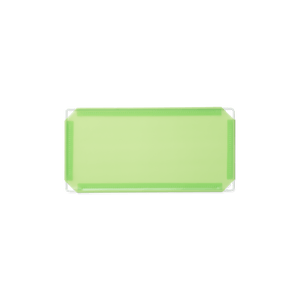
Artistbooths Bundle Component Frosted Lavender Purple (PMS 2715 C) Panel Square (35x35 cm) [8-pack]
Shapeshift kit part
B-grade artist booth panel - discounted cosmetic-second stock
Shapeshift kit part
Shapeshift kit part
Artistbooths Bundle Component Frosted Lilac Purple (PMS 263 C) BOOF Panel Triangle (35x35 cm) [2-pack]
Shapeshift kit part
Shapeshift kit part
Shapeshift kit part
Shapeshift kit part
Shapeshift kit part
Artistbooths Bundle Component Frosted Lilac Purple (PMS 263 C) BOOF Panel Half Square (35x17.5 cm) [4-pack]
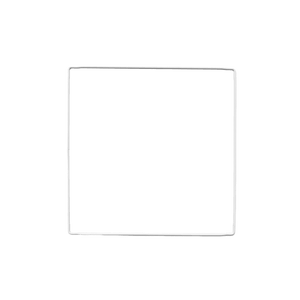
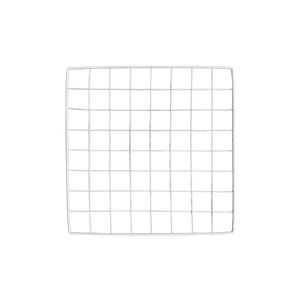
Artistbooths Single Connectors & Accessories White Square Wire Grid (35x35 cm)
Shapeshift kit part
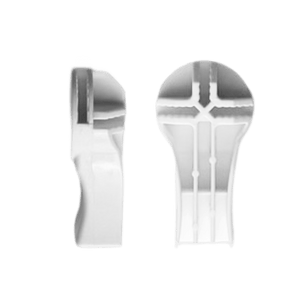
Artistbooths Single Connectors & Accessories White Edge Connector

Stand out pop ups.Shapeshifting setups.

Custom shapes and mix-and-match colours, built to sell for years.

Shop
Scroll

build a booth that builds a crowd

Little parts. Big payoff.

Why makers love our booths.

Every detail pulls its weight.

Stand out, sell out.

Be the eye-catching brand whose cohesive look draws a crowd and gets remembered.

Grow with you.

Enough parts to range products from small table to large booth.

Shape your brand.

Triangles, rectangles, hinge panels and connectors, in colours you mix yourself, for infinite display setups.

Be memorable.

Seasonal colours keep your brand unique. Frosted finish gives your art a soft spotlight.

Range & sell more.

Self-serve more customers with parts that make the most of smaller spaces.

Strong where it counts.

An iron core holds heavy stock whilst water-resistant surfaces shrug off spills and weather.

Packs light, carries safe.

Panels weigh 150g each. The double-wall carry box protects up to 30 decorated panels every trip.

Spares for years.

Every kit packs extra parts, so when you scale up or lose a piece you can keep running your vision.

Your products centre stage

Light diffusing panels.

Anti glare & bright product display

Build your modular display kit

Mix and match colours and shapes. Sized for market, convention and trade-show tables up to 6 ft / 180cm.

1. Choose kit size
2. Choose Kit Colours
Only available
2aChoose your base 24 square & 22 multi-shape panel colours What colour would you like the first half of multi-shape panel colours to be?
2bWhat colour do you want the other half of your squares to be in this kit? What colour do you want the other half of your kit to be? Included · $0
Get a multi-colour setup by swapping 24 of 48 square panels in another colour.
Get a multi-colour setup by swapping half your kit's panels to another colour.
3. Bundle and Save (optional)

Make it a multicolour setup with extra squares or base kit

Get 5% extra when you bundle any add-on.
24x Square Panel Add-on (35cm / 13.8in) - Works with Artistbooths Shapeshift Kit
24 square panels

24x Square Panel Add-on (35cm / 13.8in) - Works with Artistbooths Shapeshift Kit

$450.00

Scarlet Red Frosted

Shapeshift Base Kit
46 multi-shape panels156 accessories

Shapeshift Base Kit Add-on

$699.00

Grape Purple Frosted

Your bundle
Free express shipping deal
Orders over $300 AUD
dhm
d h m
Your selection
American Express Apple Pay BancontactGoogle Pay Mastercard Shop Pay Union PayVisa JCBDiscoverDiners ClubMaestro
🌐 We ship globally express tracked⭐ 4.9🇦🇺 Designed in Aus
Build your own
Duo color display
Colorful display

Modular cube panels that snap together in minutes. Pick a color to start with and build & grow. for years.

Modular artist display booth at a craft market
Indoor pet playpen enclosure