Somewhere around your third or fourth convention, you do the math on a slow afternoon and realize you're making about $4 an hour once you count table fees, materials, and the two days of setup and travel. And then you still can't bring yourself to bump your print price from $15 to $18. If that's you, you're not alone, and you're not being greedy by wanting to fix it.
The guilt is almost never about the math
Most artists can do the spreadsheet. You know your ink costs went up, you know the paper stock got more expensive, you know your time is worth something. The part that stalls people is emotional: what if regulars notice and feel like you're cashing in on them? What if someone says something at the table? What if sales just... stop?
Here's what actually happens in practice: almost nobody notices a $2 to $3 increase on a print, and the ones who do rarely say anything unkind. A $15 print going to $18 is a rounding error to most buyers. The people who do comment are usually other artists, not customers, because artists are the ones tracking prices across the whole alley.
Signs it's time, not just a feeling
- Your cost of goods has gone up (paper, ink, packaging, shipping on materials) and your prices haven't moved in over a year.
- You're selling out of your lowest-priced items every show and restocking them more than anything else, while your higher-priced work sits.
- You've added new skills, better printers, sturdier packaging, or nicer displays since you set your original prices.
- You're comparing yourself to artists with similar skill and following who charge noticeably more, and you can't name a real reason why you don't.
- Booth fees at your regular shows have climbed and your per-table sales target hasn't kept up.
If two or three of those are true, you're not overreacting. You're behind.
How to actually raise them
You don't need an announcement post, a heartfelt caption, or an apology. Just change the price. Most buyers don't have your old price memorized, and the ones who do will forget within a show or two. A few practical ways to soften the transition if you want one:
- Raise new items at the new price and let old stock sell through at the old price. No awkward crossing-out, no re-pricing signage mid-show.
- Bundle instead of just raising the single-item price. "3 prints for $40" instead of "$15 each" resets the anchor without a naked price hike on any one item.
- Round to a number that feels stable. $15 to $18 reads as an increase. $15 to $20 reads as "that's just what prints cost here now." Weirdly, bigger jumps sometimes get less pushback than small awkward ones.
- Do it between shows, not mid-run. Changing a price on day two of a three-day con is the version that actually annoys people, because they compared notes with a friend from day one.
What NOT to do
Don't discount your way back down the first time a slow hour makes you nervous. One quiet hour on a Saturday afternoon is not a verdict on your new price, it's just a quiet hour, they happen at every price point. Also don't raise everything at once across your whole table. Pick your worst-margin items first, watch how the next show goes, then adjust the rest.
The quiet math nobody says out loud
A $3 increase across 40 prints sold in a weekend is $120 extra for doing nothing except changing a sign. That's real money for zero additional labor, and it compounds every show after. The guilt fades fast once you see the number written down on your own tracking sheet.
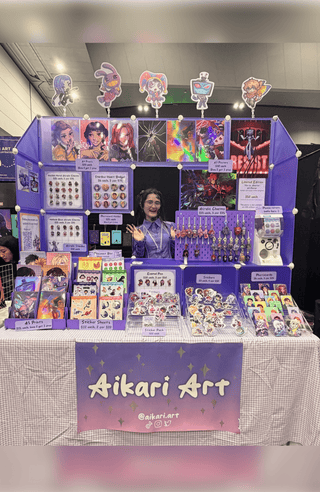
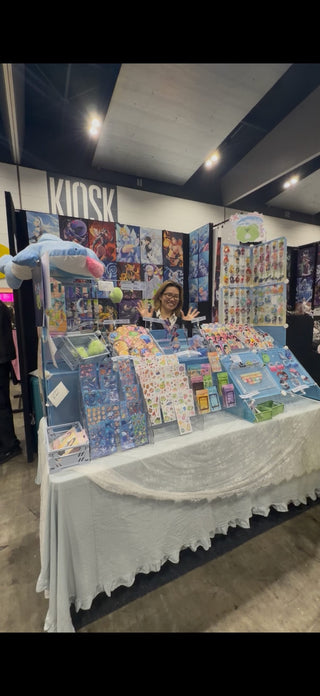
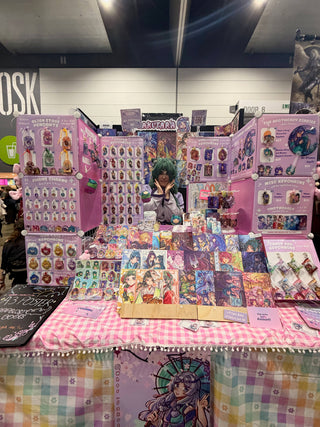
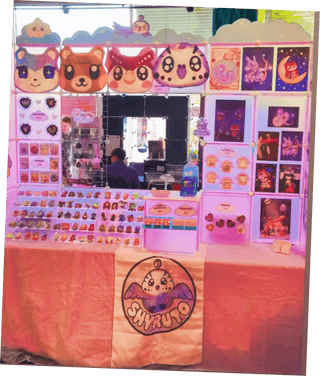
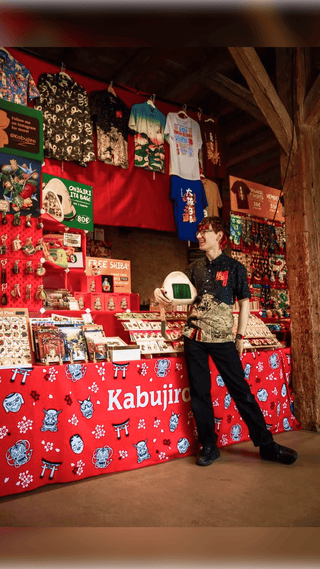
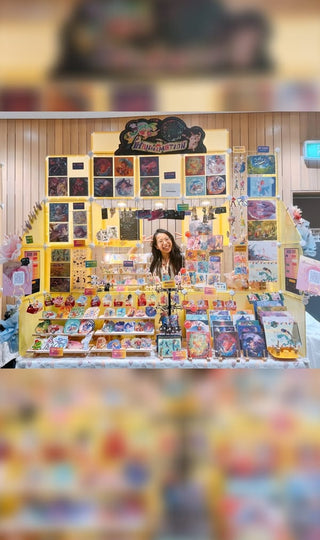
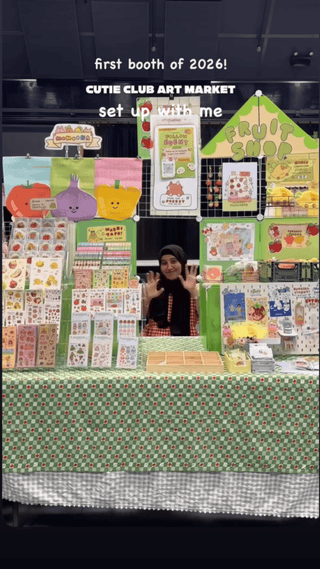
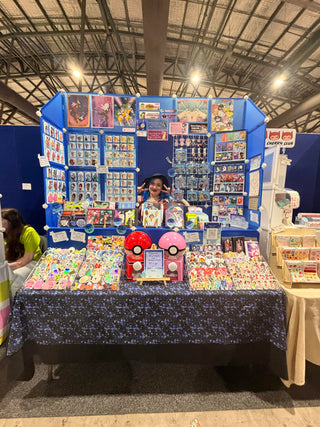
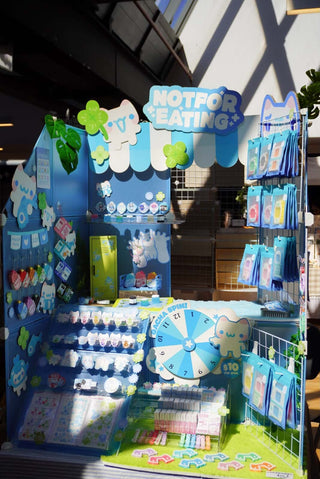
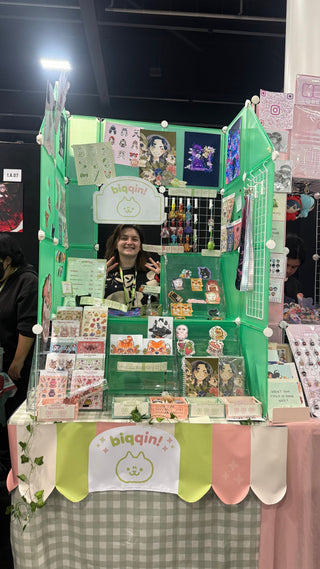
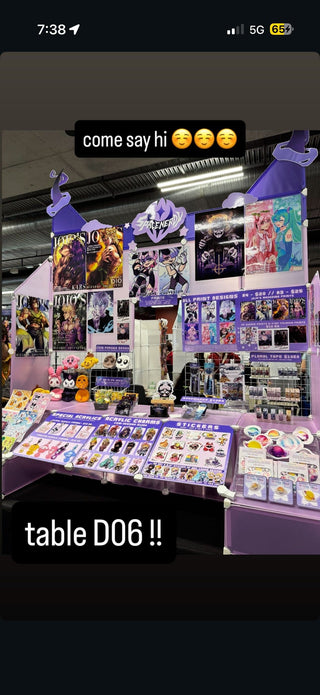
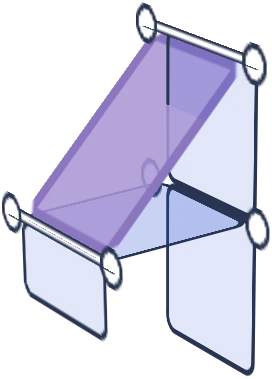
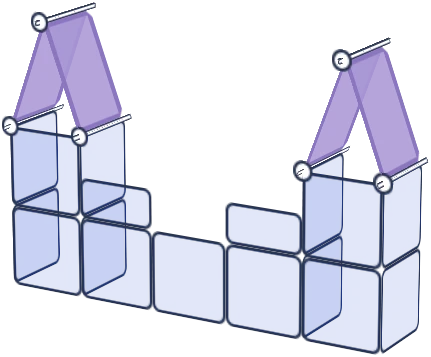
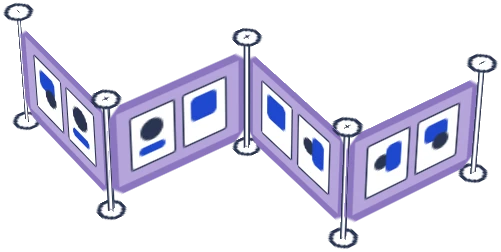
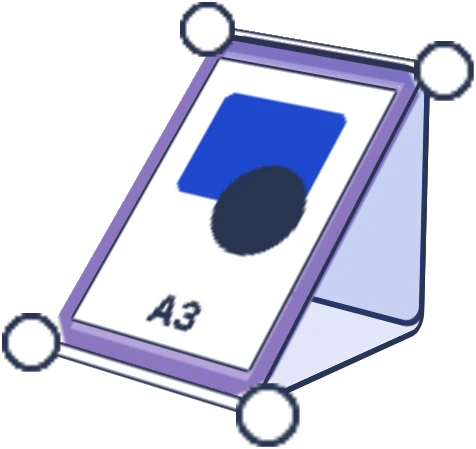
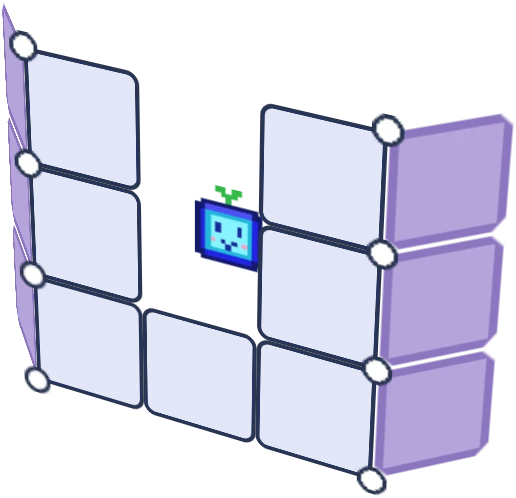
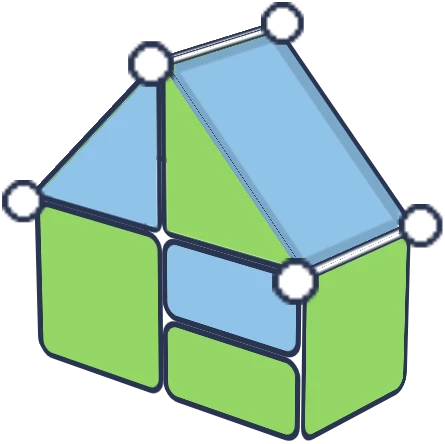
If part of what's eating your margin is the table setup itself, that's worth a separate look too. A display that takes an hour to build every morning and needs constant restocking mid-day is its own hidden cost. Something like the Shapeshift kit sets up once in under 30 minutes and holds a full table's worth of stock at height, which is one less thing draining your energy before doors even open. But that's a separate fix. The prices are the first thing to sort out, and it costs you nothing but a sticky-back label gun and a bit of nerve.
Curious what a Shapeshift kit actually looks like in person? Head to the Artist Booths homepage to see the full lineup and find the one that fits your table.
![Artistbooths Bundle Component Frosted Lavender Purple (PMS 2715 C) Panel Square (35x35 cm) [8-pack]](http://artistbooths.com/cdn/shop/files/artistbooths-bundle-component-frosted-lavender-purple-pms-2715-c-boof-panel-square-35x35-cm-8-pack-1214015634.png?v=1767318728&width=300)



![Artistbooths Bundle Component Frosted Lilac Purple (PMS 263 C) BOOF Panel Triangle (35x35 cm) [2-pack]](http://artistbooths.com/cdn/shop/files/artistbooths-bundle-component-frosted-lilac-purple-pms-263-c-boof-panel-triangle-35x35-cm-2-pack-1214015625.png?v=1767318428&width=300)












![Square Panel [24 Pack] (35cm / 13.8in) Add-on](http://artistbooths.com/cdn/shop/files/Bulk_thumbnails-14.png?v=1782275611&width=320)
![Self Serve Hook with wire grid T clip 8cm [10 pack] Add-on](http://artistbooths.com/cdn/shop/files/artistbooths-booth-garage-t-section-self-serve-grid-hook-8cm-10pcs-1234044856.png?v=1776916212&width=320)
![Self serve display Grid & Intersection Hook expansion pack [12/24 Mixed pack] Add-on](http://artistbooths.com/cdn/shop/files/artistbooths-booth-garage-12-pack-2-grid-10-hooks-self-serve-display-grid-intersection-hook-expansion-pack-12-24-mixed-pcs-1234209872.png?v=1777005938&width=320)
![Multi Connector Expansion Pack - White - Bundle & Save [16/32 mixed pack] Add-on](http://artistbooths.com/cdn/shop/files/artistbooths-booth-garage-16-mixed-connector-pro-pack-connector-pro-expansion-pack-white-bundle-save-16-32-mixed-pcs-1234209875.png?v=1777005971&width=320)

![Mini Rectangle Panels [5-Pack] (17cm x 35cm/6.69in x 13.78in) Add-on](http://artistbooths.com/cdn/shop/files/artistbooths-booth-garage-frosted-amber-yellow-pms-1235-c-half-squares-10-pack-17cm-6-69in-1229850280.png?v=1774848457&width=320)
![Foot Connector Expansion Pack [4 Pcs] Add-on](http://artistbooths.com/cdn/shop/files/artistbooths-booth-garage-white-foot-connector-4-pcs-1233353183.png?v=1776908318&width=320)
![Mixed Single & Double Wire Shelf Clip [9 pack] Add-on](http://artistbooths.com/cdn/shop/files/mixed-single-double-wire-shelf-clip-9-pack_0c6e301c-8a76-411c-962a-8bf135de46c4.png?v=1792031372&width=320)
![Booth Wheel & Wheel Connector - white - [4 pack] Add-on](http://artistbooths.com/cdn/shop/files/artistbooths-booth-garage-booth-wheel-4pcs-wheel-connector-4-pcs-white-1234044880.png?v=1776916093&width=320)
![Corner Connector Expansion Pack [8 pack] Add-on](http://artistbooths.com/cdn/shop/files/artistbooths-booth-garage-white-corner-connector-expansion-pack-4-pcs-1234044868.png?v=1776915937&width=320)
![Edge Connector [8 pack] Add-on](http://artistbooths.com/cdn/shop/files/artistbooths-booth-garage-white-edge-connector-4-pcs-1234044876.png?v=1776915671&width=320)
![Single Shelf Wire Clip White [5 pack] Add-on](http://artistbooths.com/cdn/shop/files/artistbooths-booth-garage-single-shelf-wire-clip-white-5pcs-1234044883.png?v=1776915612&width=320)
![Double shelf wire clip white [4 pack] Add-on](http://artistbooths.com/cdn/shop/files/artistbooths-booth-garage-white-double-shelf-wire-clip-4-pack-1233353188.png?v=1776771613&width=320)
![Self serve display Grid & Fold Hook expansion pack [12/24 Mixed pack] Add-on](http://artistbooths.com/cdn/shop/files/artistbooths-booth-garage-12-pack-2-grid-10-fold-hooks-self-serve-display-grid-fold-hook-expansion-pack-12-24-mixed-pcs-1234209869.png?v=1777005852&width=320)
![Foldable Self Serve Hook (with wire clip) - [20 pack] Add-on](http://artistbooths.com/cdn/shop/files/artistbooths-booth-garage-white-foldable-self-serve-hook-wire-clip-version-10-pcs-1234214602.png?v=1777016318&width=320)
![Foldable Self Serve Hooks (with adhesive sheet) [20 pack] Add-on](http://artistbooths.com/cdn/shop/files/artistbooths-booth-garage-white-foldable-self-serve-hooks-adhesive-version-10-pcs-1234214609.png?v=1777016200&width=320)
![Metal mallet (with dual rubber/soft tap sides) [1 pc] Add-on](http://artistbooths.com/cdn/shop/files/artistbooths-bundle-component-dual-headed-metal-mallet-with-soft-tap-side-1209303104.png?v=1764380999&width=320)
![Panel Clamp Black 3cm Mouth [4 pcs] Add-on](http://artistbooths.com/cdn/shop/files/artistbooths-booth-garage-panel-clamp-2-pcs-1233843253.png?v=1776843493&width=320)