Most vendors plan their year one con at a time. You get the acceptance email, you panic about inventory, you show up, you sell, you go home and do it again. That works fine as a hobby. It falls apart the second you're trying to build something real.
A convention schedule is actually a business calendar. Treat it like one and the rest of your year gets a lot less chaotic.
Map your cons before you map your art
Start with dates, not designs. Lay out every con you're accepted to (or applying for) across the year and look at the gaps. Three cons back to back in spring, then nothing until fall, is a cash flow problem waiting to happen. Once you can see the shape of your year, you can plan production, restocks, and even burnout recovery around it instead of reacting in real time.
Budget for setup speed, not just booth fees
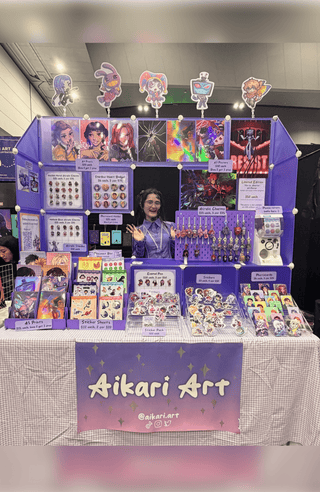
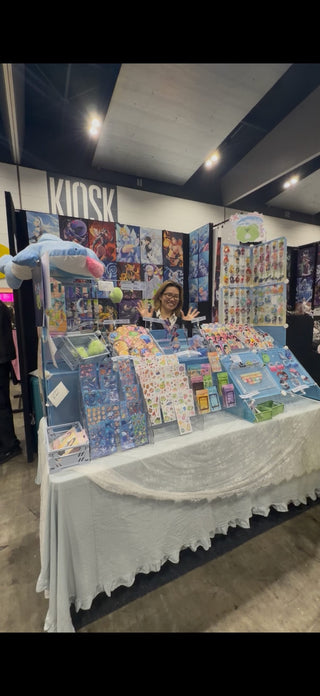
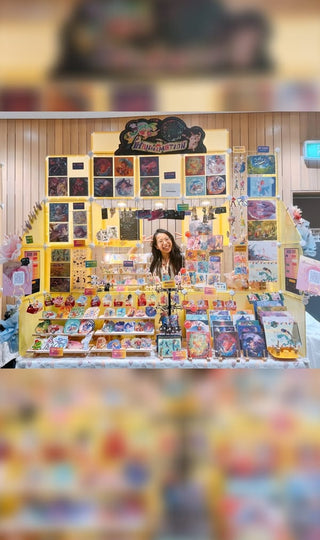
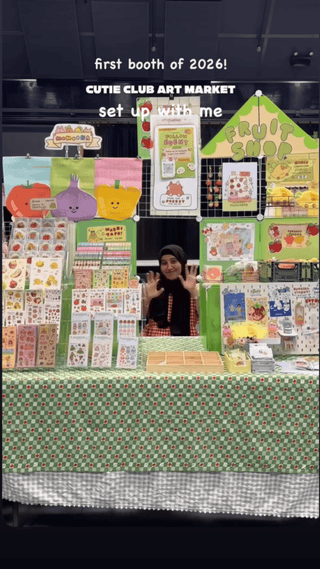
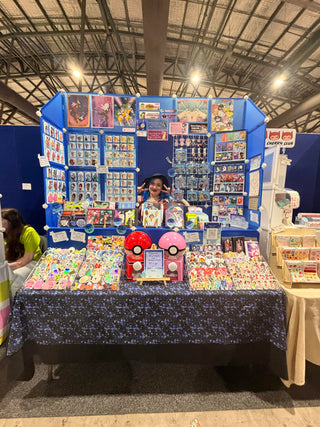
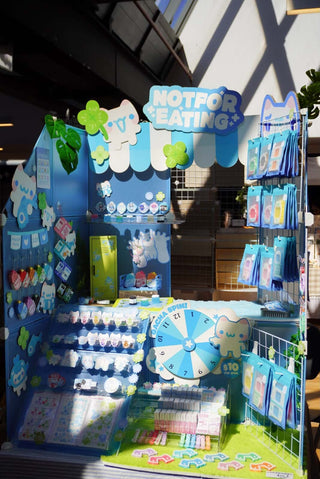
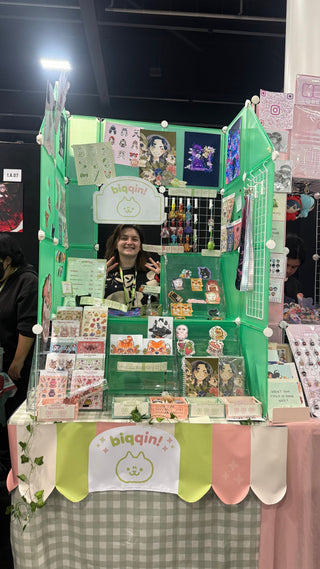
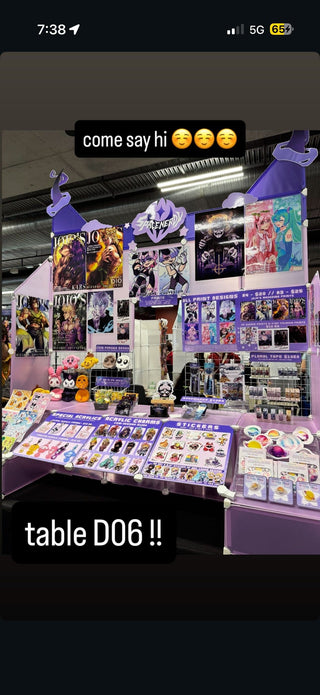
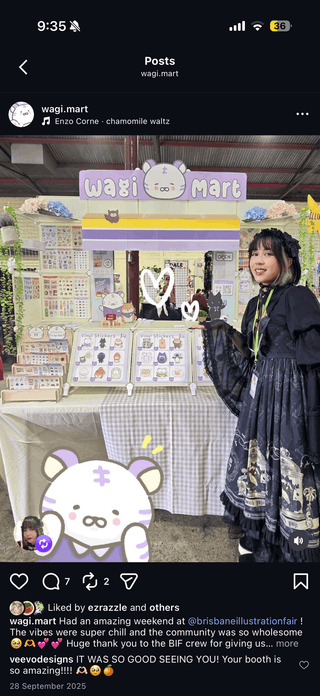
New vendors budget for table fees and print costs. Full-time vendors budget for TIME, because time at a con is the actual scarce resource. A booth that takes an hour to build eats into load-in stress and early sales. A modular booth kit that goes up in under 30 minutes with no tools means you're not sprinting through setup while other vendors are already greeting customers. Over a full season of cons, that adds up to real selling hours you'd otherwise lose.
Plan inventory around your display, not the other way around
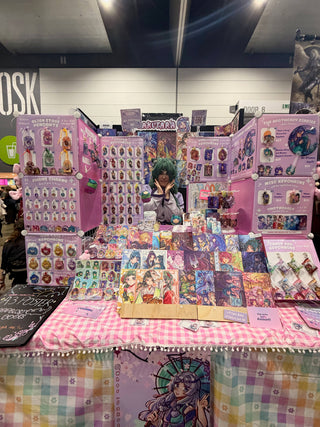
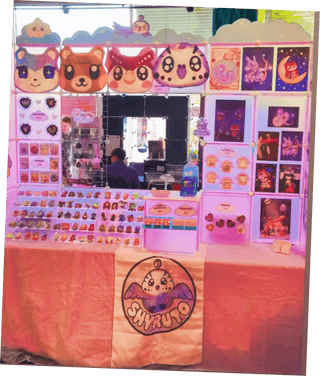
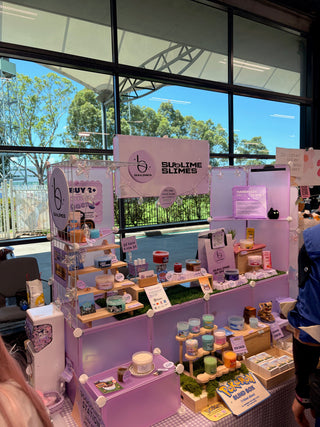
A lot of vendors buy a table setup that can't actually hold what they make, then spend every con improvising with borrowed shelves and gaffer tape. Work backwards from your product mix. If you're doing prints, stickers, and a few bigger pieces, you need grid space that can flex between all three. Browsing a full kit lineup before your first big con of the season, rather than after a bad one, saves you from rebuilding your setup mid-year.
Build in slow cons on purpose
Not every con needs to be a banger. Smaller, local shows are where you test new merch, break in a new booth layout, or just recover pace without the pressure of a flagship event. A real business plan has room for those. Burnout is the actual thing that ends full-time vending careers, not bad sales.
How far ahead should I plan my con calendar?
Aim for a rolling 6 to 12 month view. Con applications often open months out, so you need enough runway to apply, get accepted, and still have time to produce inventory without rushing.
Do I need a different booth setup for small local shows vs big cons?
Not necessarily. A modular system that scales up or down means the same core kit works for a tiny weekend market and a major convention. You add panels as the show gets bigger instead of owning two entirely different setups.
What's the biggest planning mistake new full-time vendors make?
Booking every con they get into without leaving white space in the calendar. No recovery time between shows is how good years turn into burnt-out ones.
Your schedule is the skeleton of your business. Build the rest around it and the season stops running you.
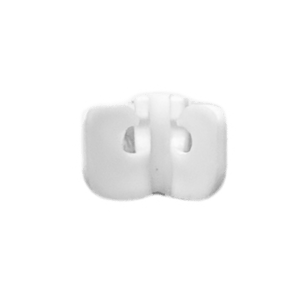
![Artistbooths Bundle Component Frosted Lavender Purple (PMS 2715 C) Panel Square (35x35 cm) [8-pack]](http://artistbooths.com/cdn/shop/files/artistbooths-bundle-component-frosted-lavender-purple-pms-2715-c-boof-panel-square-35x35-cm-8-pack-1214015634.png?v=1767318728&width=300)



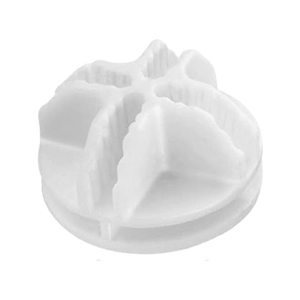
![Artistbooths Bundle Component Frosted Lilac Purple (PMS 263 C) BOOF Panel Triangle (35x35 cm) [2-pack]](http://artistbooths.com/cdn/shop/files/artistbooths-bundle-component-frosted-lilac-purple-pms-263-c-boof-panel-triangle-35x35-cm-2-pack-1214015625.png?v=1767318428&width=300)
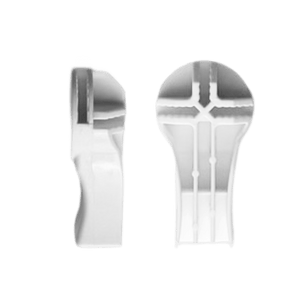


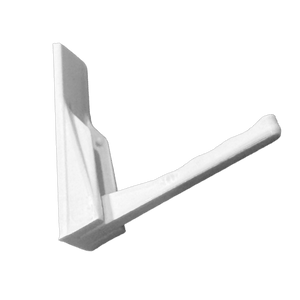
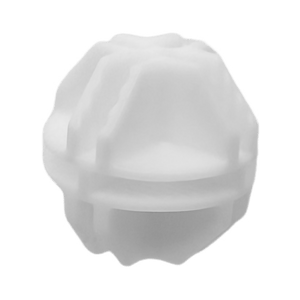
![Artistbooths Bundle Component Frosted Lilac Purple (PMS 263 C) BOOF Panel Half Square (35x17.5 cm) [4-pack]](http://artistbooths.com/cdn/shop/files/artistbooths-bundle-component-frosted-lilac-purple-pms-263-c-boof-panel-half-square-35x17-5-cm-4-pack-1214015628.png?v=1767318516&width=300)
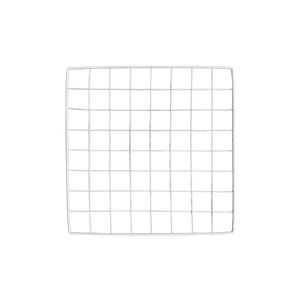
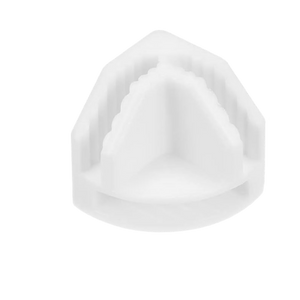
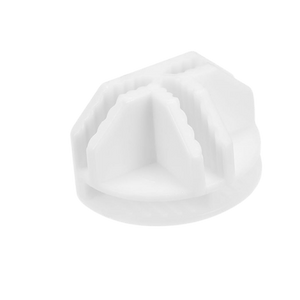












![Square Panel [24 Pack] (35cm / 13.8in) Add-on](http://artistbooths.com/cdn/shop/files/Bulk_thumbnails-14.png?v=1782275611&width=320)
![Self Serve Hook with wire grid T clip 8cm [10 pack] Add-on](http://artistbooths.com/cdn/shop/files/artistbooths-booth-garage-t-section-self-serve-grid-hook-8cm-10pcs-1234044856.png?v=1776916212&width=320)
![Self serve display Grid & Intersection Hook expansion pack [12/24 Mixed pack] Add-on](http://artistbooths.com/cdn/shop/files/artistbooths-booth-garage-12-pack-2-grid-10-hooks-self-serve-display-grid-intersection-hook-expansion-pack-12-24-mixed-pcs-1234209872.png?v=1777005938&width=320)
![Multi Connector Expansion Pack - White - Bundle & Save [16/32 mixed pack] Add-on](http://artistbooths.com/cdn/shop/files/artistbooths-booth-garage-16-mixed-connector-pro-pack-connector-pro-expansion-pack-white-bundle-save-16-32-mixed-pcs-1234209875.png?v=1777005971&width=320)

![Mini Rectangle Panels [5-Pack] (17cm x 35cm/6.69in x 13.78in) Add-on](http://artistbooths.com/cdn/shop/files/artistbooths-booth-garage-frosted-amber-yellow-pms-1235-c-half-squares-10-pack-17cm-6-69in-1229850280.png?v=1774848457&width=320)
![Foot Connector Expansion Pack [4 Pcs] Add-on](http://artistbooths.com/cdn/shop/files/artistbooths-booth-garage-white-foot-connector-4-pcs-1233353183.png?v=1776908318&width=320)
![Mixed Single & Double Wire Shelf Clip [9 pack] Add-on](http://artistbooths.com/cdn/shop/files/artistbooths-booth-garage-12-pack-2-grid-10-fold-hooks-self-serve-display-grid-fold-hook-expansion-pack-12-24-mixed-pcs-1234209869.png?v=1777005852&width=320)
![Booth Wheel & Wheel Connector - white - [4 pack] Add-on](http://artistbooths.com/cdn/shop/files/artistbooths-booth-garage-booth-wheel-4pcs-wheel-connector-4-pcs-white-1234044880.png?v=1776916093&width=320)
![Corner Connector Expansion Pack [8 pack] Add-on](http://artistbooths.com/cdn/shop/files/artistbooths-booth-garage-white-corner-connector-expansion-pack-4-pcs-1234044868.png?v=1776915937&width=320)
![Edge Connector [8 pack] Add-on](http://artistbooths.com/cdn/shop/files/artistbooths-booth-garage-white-edge-connector-4-pcs-1234044876.png?v=1776915671&width=320)
![Single Shelf Wire Clip White [5 pack] Add-on](http://artistbooths.com/cdn/shop/files/artistbooths-booth-garage-single-shelf-wire-clip-white-5pcs-1234044883.png?v=1776915612&width=320)
![Double shelf wire clip white [4 pack] Add-on](http://artistbooths.com/cdn/shop/files/artistbooths-booth-garage-white-double-shelf-wire-clip-4-pack-1233353188.png?v=1776771613&width=320)
![Foldable Self Serve Hook (with wire clip) - [20 pack] Add-on](http://artistbooths.com/cdn/shop/files/artistbooths-booth-garage-white-foldable-self-serve-hook-wire-clip-version-10-pcs-1234214602.png?v=1777016318&width=320)
![Foldable Self Serve Hooks (with adhesive sheet) [20 pack] Add-on](http://artistbooths.com/cdn/shop/files/artistbooths-booth-garage-white-foldable-self-serve-hooks-adhesive-version-10-pcs-1234214609.png?v=1777016200&width=320)
![Metal mallet (with dual rubber/soft tap sides) [1 pc] Add-on](http://artistbooths.com/cdn/shop/files/artistbooths-bundle-component-dual-headed-metal-mallet-with-soft-tap-side-1209303104.png?v=1764380999&width=320)
![Panel Clamp Black 3cm Mouth [4 pcs] Add-on](http://artistbooths.com/cdn/shop/files/artistbooths-booth-garage-panel-clamp-2-pcs-1233843253.png?v=1776843493&width=320)