Artist Back Alley Resources Blog

The Full-Time Vendor's Guide To Picking The Right Cons

We used to say yes to every convention. If it had a table available, we were there. That is how we ended up at a Tuesday night craft fair in a half-empty community hall, selling two stickers and a keychain to the organiser's mum. Not every con is worth your time. Here is how we pick them now. Attendance numbers are a starting point, not a guarantee. An event that claims 10,000 attendees sounds amazing until you realise 8,000 of them are there for the gaming tournament on the other side of the building. What matters is foot traffic PAST your table, not total bodies in the venue. Ask vendors who have done the event before. Their sales numbers tell you more than any organiser's marketing page. Table cost should track with your average revenue. We use a simple rule: the table fee should be no more than 15% of what we expect to gross. A $200 table means we need to be confident we will do at least $1,300 in sales. If we cannot see that happening based on past data or credible vendor feedback, we skip it. There are enough good cons that we do not need to gamble on expensive question marks. Travel costs kill margins on distant events. A con three states away with a $100 table fee might actually cost $600 when you add flights, accommodation, food, and a day of travel on each end. We prioritise local and regional events first. Interstate cons need to be SIGNIFICANTLY better to justify the overhead. A display that fits carry-on (56x36x23cm) helps cut flight costs, but the accommodation and time cost are still real. Audience match is everything. We sell art. A comic convention filled with our target audience is worth twice what a general craft market brings in, even if the craft market has more total foot traffic. We look at the event's programming, past exhibitor lists, and social media audience to gauge alignment. If our ideal customer is not the one walking through the door, our conversion rate tanks no matter how good the display looks. Repeat events build compound value. The first time you do a con, you are unknown. The second time, returning attendees remember you. By the third year, people seek you out. We weight repeat events heavily in our calendar because the relationship compounds. Jumping to a new event every weekend means starting from zero every time. We keep a spreadsheet with every event we have done: name, date, table fee, total costs, gross revenue, net profit, and a one-line note on vibes. After two years of data, picking the right cons stopped being a guess and started being a FORMULA.

Going Full-Time: What Changes About How You Buy Displays

When vending is a weekend hobby, you buy displays the same way you buy everything. Cheapest option that works. Amazon grid walls, dollar-store risers, whatever fits in the car. And honestly, that is fine for a while.Then you go full-time. And EVERYTHING about how you evaluate a display changes.Durability Becomes Non-NegotiableA hobby vendor does maybe 10 shows a year. A full-time vendor does 40 to 60. That means 40 to 60 setups, teardowns, car loads, and bumps. The cheap grid wall that lasted two years of casual use will not survive six months of full-time abuse.Full-time vendors buy for longevity. ABS connectors instead of cheap plastic clips. Panels that do not crack when you drop them. Hardware that still clicks tight after the 50th assembly. This is not being precious. This is protecting your income.Setup Time Is Money NowAt 10 shows a year, spending 90 minutes on setup is annoying. At 50 shows a year, that is 75 HOURS of unpaid labour. Full-time vendors obsess over setup speed because every minute saved is a minute earning.A modular display kit that goes up in under 30 minutes with no tools saves you roughly 50 hours per year compared to a 90-minute setup. That is more than a full work week you get back.Portability Gets RealHobby vendors drive to local shows. Full-time vendors fly to conventions across the country. Suddenly your display needs to fit airline baggage limits. The carry-on sized case (56x36x23cm) that a modular kit packs into is not a nice-to-have. It is the difference between checking a $50 oversize bag every trip and walking straight to your gate.Weight matters too. Loading and unloading 50+ times a year with a heavy display wrecks your body. Your future self will thank you for going lighter now.Versatility Replaces Single-PurposeWeekend vendors build one layout and repeat it. Full-time vendors work different table sizes, different booth spaces, indoor and outdoor setups. You need a display that adapts.Modular systems with panels you can add or remove let you scale from a half-table to a full booth without buying a second display. 19+ colour options mean you can match your brand, not settle for whatever the store had in stock.You Start Thinking About Total CostThe cheap display costs $80 but needs replacing every year. The quality one costs more upfront but lasts three to five years. Full-time vendors do that math because they have to. When your booth is your livelihood, the per-show cost of your display matters more than the sticker price.When should I upgrade my display?When it is costing you time, sales, or physical strain. If setup takes longer than 30 minutes, if customers cannot see your products clearly, or if you dread loading it into the car, it is time.How much should a full-time vendor spend on a display?Think in terms of cost per show. A display that lasts 150+ shows at $2 per show is cheaper than a $50 setup you replace after 20 shows at $2.50 per show. The upfront number matters less than the durability and time savings.What size kit do most full-time vendors choose?The Shapeshift (70 panels) is the most popular with career vendors. It is big enough for a full professional display and versatile enough to scale down for smaller tables. Browse the full kit range to compare options.

Why Full-Time Vendors Treat Their Display Like Business Equipment

Hobby vendors pick a display that looks nice. Full-time vendors pick a display that performs. There is a massive difference, and it shows in the numbers. Here are eight reasons career vendors treat their booth display like a piece of business equipment.1. It Has A Payback PeriodFull-time vendors calculate how many shows a display needs to pay for itself. A modular kit that helps you sell an extra $50 per market covers its cost in a handful of weekends. They track this the same way they track inventory ROI.2. Downtime Is Lost RevenueIf your display breaks mid-season, you either skip a show or scramble for a backup. Full-timers pick equipment that is DURABLE enough to survive weekly use. Frosted PP panels and ABS connectors handle the abuse of 50+ shows a year without cracking or warping.3. Setup Time Is Labour CostAn hour of setup time is an hour you are not selling, networking, or resting before a long day. A display that builds in under 30 minutes with no tools is not a luxury. It is a labour cost reduction. Full-timers think about it exactly that way.4. Weight Affects Your BodyLoading and unloading a 20kg display every weekend adds up. By month six, your back knows. Full-time vendors choose lightweight, flat-packing systems because they plan to do this for YEARS, not months. The modular display kit packs into a carry-on sized case.5. Versatility Reduces Other CostsA modular display that reconfigures into different shapes means you do not need separate setups for different event types. One kit handles your Saturday market, your convention booth, and your pop-up shop. That is three displays worth of versatility from one purchase.6. Appearance Drives Pricing PowerFull-timers know that a professional-looking booth lets you charge professional prices. Customers mentally price your products based on how your booth looks. A clean, colour-coordinated display with 20+ colour options signals quality before they even pick something up.7. Portability Opens More MarketsWhen your display fits in a 56x36x23cm case, you can say yes to interstate shows, fly-in conventions, and spontaneous last-minute markets. Full-time vendors who can travel LIGHT book more shows and reach more customers than those locked to a 50km radius by heavy equipment.8. It Scales With The BusinessA modular system grows with you. Start with a Core (24 panels). Add panels to reach Shapeshift (46), Shapeshift Duo (70), or Shapeshift Max (92) as your product line expands. Full-time vendors buy equipment that scales so they are not replacing it every time they level up.The vendors who make a living doing this every weekend do not see their display as decoration. They see it as infrastructure. If you are thinking about going full-time, start treating your display the same way. Check the full kit range to find the size that fits your business.

How To Know You're Ready To Go Full-Time At Conventions

There is a moment every part-time vendor hits. You are standing behind your table on a Sunday afternoon, mentally calculating whether you made enough this weekend to cover next month's table fees, and a thought lands: could I do this full-time? Maybe. Here is how to figure it out before you quit your day job. You Have Consistent Sales Across Multiple Events One killer weekend does not make a career. You need a track record. If you have done 10 or more events and you can predict your revenue within a reasonable range, that is signal. If every con is a coin flip, you are not ready YET. Look at your last six events. Average out the revenue. Subtract all costs: table fees, travel, food, materials, display maintenance. What is left? If that number, multiplied by four events per month, covers your bills with a margin for bad weekends, you are in the conversation. You Have Product-Market Fit Your bestsellers should be obvious by now. You know which three products carry your table. You know which price point moves fastest. You know which items people pick up but put back. Full-time vendors lean hard into what works. They do not carry 50 different products hoping something sticks. They carry 10 to 15 proven sellers and ROTATE seasonal items around that core. If you cannot name your top five products by heart, spend more time as a part-timer collecting that data. Your Setup Does Not Exhaust You This is the one nobody talks about. If your current display takes an hour to build, requires a vehicle to transport, and leaves you sore before the doors open, doing that every weekend will break you inside a month. Full-time means your setup is a tool, not a project. Under 30 minutes to build. Packs into something one person can carry. Reconfigures for different table sizes without buying new gear. A modular display kit that meets those specs turns setup day from a chore into a non-event. You Have a Financial Runway Do not go full-time with zero savings. You need at least three months of expenses set aside because the first few months will be uneven. Cons get cancelled. Stock runs out. A rainy weekend tanks foot traffic. Your savings are what keep you from panicking and QUITTING after one bad stretch. You Actually Want the Lifestyle Full-time vending is weekends working while your friends are off. It is driving to a new city, setting up in a parking lot at 6am, standing for eight hours, and driving home. It is inventory management and tax tracking and social media promotion on top of making your actual art. Some people thrive on that. Others burn out inside six months. Be honest about which one you are. There is zero shame in staying part-time and keeping vending as the fun part of your week. But if you read all of that and felt excited instead of tired? Yeah. You might be ready.

What Full-Time Vendors Wish They Knew About Their First Display

We all start somewhere. Usually it is a folding table, a bedsheet for a tablecloth, and a prayer that someone stops walking long enough to look at our stuff. Looking back, here is what we wish someone had told us before that first setup. Height sells. We spent our first three cons with everything flat on the table. Prints in a stack. Stickers in a box. Nobody could see any of it from more than two metres away. The moment we went vertical, foot traffic DOUBLED. Eye-level art gets seen. Table-level art gets walked past. Portability matters more than you think. That first display was a frankenstein rig of PVC pipes, cable ties, and optimism. It worked fine until we had to fly to a con. Suddenly we were checking oversized luggage, paying excess fees, and spending 45 minutes assembling a wobbly structure while our neighbours were already selling. A setup that packs flat and fits carry-on (56x36x23cm) would have saved us hundreds in baggage fees and a LOT of stress. Customers will touch everything. We learned this the hard way. If it is within reach, someone will pick it up, flip it, bend it, and occasionally drop it. Your display needs to handle that. Sturdy shelving. Secure hooks. Products that are accessible but not fragile. The 5kg-per-shelf rating on our current modular display was a game changer. You will rebuild your setup at least three times. Your first layout will not be your best. It never is. What matters is having a system that lets you reconfigure without buying entirely new gear. Modular panels, universal connectors, and a design that can go wide or tall depending on the space. We went through three COMPLETE display overhauls before landing on something modular enough to adapt to any table size. Your display is your first impression. Before anyone looks at your art, they look at your booth. A clean, professional setup signals that you take your work seriously. A messy table signals the opposite. We did not understand that until a customer told us our art was great but our booth looked like a garage sale. That feedback stung. It also changed everything. Invest in your display early. Your future full-time self will thank you.

Building A Sustainable Full-Time Vendor Career

Going Full-Time Is a Systems Problem Quitting your day job to vend full-time sounds romantic. Wake up, make art, sell it at cons, repeat. The reality? It is a logistics and systems problem. The artists who make it work are the ones who build repeatable processes around EVERYTHING. Stock management. Display setup. Pricing. Travel routing. Payment processing. When each of those runs on autopilot, you free up brainpower for the creative work that actually drives sales. Revenue Needs Multiple Streams Relying on one big con per month is a gamble. Weather kills foot traffic. Organizers botch marketing. Your table placement lands in a dead zone. One bad weekend wrecks your month. Sustainable vendors diversify. Weekly markets, monthly cons, online sales between events, and wholesale accounts to retailers. Each stream is small on its own, but together they create a BASELINE you can count on. Your display setup should support all of those contexts. A modular display kit that reconfigures for a 6ft convention table and then packs down for a farmers market stall means one investment covers every revenue stream. Track Your Numbers Like a Business Owner You need to know three numbers cold: cost per event, average revenue per event, and your break-even point. Everything else is vanity. Cost per event includes table fees, travel, accommodation, food, display wear, and your time. If you are spending 12 hours at a con (setup, selling, packdown) and netting $400, that is $33 an hour before materials. Is that sustainable for you? Only the numbers can answer that. Track every event in a spreadsheet. After six months you will see patterns. Which cons are worth repeating. Which product lines sell. Which CITIES pull the best crowds. Data beats gut feeling every time. Your Setup Is Your Storefront Full-time means your booth is your shop. It needs to look like one. Professional, clean, intentional. That does not mean expensive. It means considered. Vertical displays that build five panels high put your work at eye level. Shelving holds product without cluttering the table. A consistent colour palette across your panels ties the whole thing together. When someone walks past, they should instantly get what you sell and why it is worth their time. Burnout Is the Real Enemy The vendors who quit full-time rarely quit because of money. They quit because they are exhausted. Loading, driving, setting up, standing all day, packing down, driving home. Every weekend. For months. A setup that takes under 30 minutes to build and packs into a single carry-on case is not a luxury. It is burnout prevention. Same goes for self-serve layouts that let customers browse without you hovering over every interaction. You NEED downtime, even at your own booth. Frequently Asked Questions How many cons per month do full-time vendors typically do? Most sustainable full-timers do 2 to 4 events per month, mixing large cons with smaller local markets. The key is quality over quantity. One great con beats three mediocre ones. What is the biggest mistake new full-time vendors make? Underpricing. When vending is your income, your prices need to cover materials, time, overhead, and profit. Price for the career you want, not the hobby you had. Do I need a different display for different types of events? Not if your display is modular. A system with interlocking panels lets you build big for conventions and go minimal for market stalls. One kit, multiple layouts. Browse the full kit range to find the right size for your setup.

Planning For Slow Season When You Are A Full-Time Vendor

Every full-time vendor hits the same wall. The summer rush ends, bookings thin out, and suddenly your calendar looks EMPTY. The rent does not care that convention season slowed down.Slow season is not a crisis. It is a phase you can plan for, profit from, and even enjoy. Here is how career vendors handle the quiet months without panicking.Build a Financial Buffer During Peak SeasonThe biggest mistake new full-time vendors make is spending peak-season profits like the money will never stop. It always stops. Set aside 20-30% of your best months to cover the lean ones.Track your actual monthly expenses. Not the aspirational budget. The real number. Then multiply by three. That is your MINIMUM buffer before you can breathe easy during off-season.Use Downtime to Upgrade Your SetupSlow season is when smart vendors rebuild. Your display took a beating over dozens of shows. Now is the time to swap out tired elements, rethink your layout, and test new configurations.A modular display kit makes this painless. You can reconfigure panels, try new colour combos, and dial in your setup without the pressure of a show tomorrow morning. Panels are 35x35cm frosted polypropylene, so you can prototype a whole new look in your living room.Diversify Your Revenue SourcesFull-time means full-time problem solving. When cons slow down, lean into online sales, wholesale pitches, custom commissions, or teaching workshops. The vendors who survive long-term NEVER depend on a single revenue channel.Even listing on a second marketplace or running a small online drop can smooth out the income dips that make slow season stressful.Plan Your Next Season Before It ArrivesApplications for the best shows open months early. Slow season is when you research new events, submit applications, and lock in your schedule. The vendors who wait until January to plan are already behind.Map out travel costs, table fees, and lodging for each show. A spreadsheet takes an hour. Guessing costs you hundreds in surprise expenses.How far in advance should I plan for slow season?Start setting aside money during your first profitable show. If you are already mid-career, begin building your buffer now. Three months of expenses is the minimum target.What should I do with leftover inventory during the off-season?Run online sales, bundle slow movers with popular items, or offer them as convention exclusives at your next show. Sitting on dead stock costs you storage space and mental energy.Is it worth doing small local markets during slow season?Sometimes. They keep your selling skills sharp and generate some cash flow. But do the math first. If the table fee plus travel eats your margin, your time is better spent on online sales or production.

How Many Cons A Year You Need To Go Full-Time

Everyone wants a magic number. There isn't one. But there are real factors that decide whether your con count can actually support you, and they matter a lot more than the raw count itself. Here's what to actually weigh. Your con density, not just your con count. Ten cons spread evenly across the year behaves completely differently from ten cons crammed into two months. Density affects production time, restock windows, and whether you physically have time to recover between shows without burning out. How much of each show is actual selling time. A con with a long, chaotic load-in eats into your selling hours before you've made a dollar. This is exactly why setup speed matters so much once you're doing this seriously. A booth that goes up in under 30 minutes with no tools hands you back selling time that a slow setup would have eaten. Your sell-through rate per show, not just attendance. A packed con with poor sell-through is worse than a smaller show where your table actually converts. Self-serve grid walls exist specifically to raise this number, letting customers grab prints and small items while you're occupied with someone else. Production capacity between shows. More cons only helps if you can actually restock between them. Vendors who go full-time on con count alone, without matching production capacity, end up showing up to later shows half-empty. Whether your setup scales with your booth size. Going full-time usually means bigger booth spaces at bigger shows. A modular booth kit that scales up as you grow means you're not buying a whole new setup every time you level up, from a 24-panel Core kit at small local markets to something built for years of heavy convention use at flagship shows. Off-season income streams. The vendors with the steadiest year-round income usually aren't relying on con count alone. Commissions, online sales, and other channels fill the gaps between shows, so your con schedule doesn't have to carry the whole year by itself. Travel and table costs eating into what a con actually nets you. A far-flung con with a high table fee needs to clear a much higher bar than a local show you can drive to. Count NET, not gross, when you're deciding what stays on the calendar. Your own burnout ceiling. This is the one people skip. There's a con count where the math works on paper but you're too fried to actually execute well. Know that number for yourself before you build a schedule around someone else's pace. Add it up and the honest answer is: enough cons, spaced with enough recovery time, where your setup, production, and selling systems can all actually keep pace with each other. Start by browsing the kit lineup and building a setup that won't be the thing holding your schedule back.

Going From Weekend Hobby To Full-Time Income

There's a specific moment a lot of vendors describe the same way. You're at your day job on a Tuesday, checking your phone under the desk, and you realize the table you ran last weekend outsold your paycheck for the week. It doesn't feel real the first time. It also doesn't mean you should quit on Wednesday.That gap between "one great con" and "sustainable full-time income" is where most vending careers actually get built or quietly stall out. The difference usually isn't talent. It's whether the business side catches up to the art side.The weekend version of the businessAs a hobbyist, you can get away with a lot. A folding table, a couple of easels, prints stacked in a bin you dig through when someone asks for a specific piece. It's slow, but it doesn't matter, because you're only doing this a handful of weekends a year and the stakes are low. Nobody's tracking hourly sales. Nobody's calculating whether the con was worth the table fee against what you actually took home.What breaks when you scale upThe vendors who go full-time hit a wall fast: the hobby setup can't keep pace with hobby income becoming REAL income. Suddenly you're doing twice the shows, and that bin-digging system means customers wait, lines form, and people walk off. Setup that used to be a leisurely hour before doors open now has to happen in whatever tight load-in window the con gives you, sometimes shared with fifty other vendors fighting for the same hallway.This is usually the point vendors switch from improvised setups to something built for repeat, fast deployment, like a proper modular booth kit that goes up in under 30 minutes without tools. Not because it's fancier, but because the old system physically can't keep up with the new schedule.The mechanism, not the miracleNobody goes full-time because they bought a better table setup. But the setup is part of what makes the income mechanically possible. A self-serve grid wall means you're not the bottleneck when three people want prints at once. A booth that scales from a small local market to a packed flagship con means you're not rebuilding your whole operation every time a bigger opportunity shows up. More transactions per hour, less dead time between shows, less burnout from load-in chaos. That's the actual engine. Nobody's promising a number. The mechanism is just closer to sustainable when the operational stuff stops fighting you.What actually changes when it's your jobYou stop thinking in single cons and start thinking in seasons. You start caring about things you never noticed as a hobbyist, like how long setup takes, how many panels your grid needs for a good product spread, whether your booth can survive being packed and unpacked forty times a year. Browsing the kit lineup stops being window shopping and starts being an actual business decision.The Tuesday-at-your-desk moment is exciting. The unglamorous part, upgrading your setup, tightening your con schedule, treating the table like the store it's become, is what turns that one good weekend into a career.

The Self-Serve Table Strategy That Doubles Your Sell-Through

You're mid-conversation with a customer about a commission. Three people are standing at your grid wall right now, deciding between two prints. If your setup makes them wait for you to ring them up one at a time, you just lost at least one of those sales. Self-serve fixes exactly this problem, and it's the single biggest lever full-time vendors pull to move more product per hour.Why self-serve actually worksThe math is simple. You only have one set of hands and one mouth. Every minute you spend walking a customer through a single small purchase is a minute you're not talking to the person who might buy your $200 commission, or the next three browsers who need a reason to stop. A self-serve grid wall lets customers pick prints, stickers, and small items off the wall THEMSELVES while you're occupied elsewhere. You're not the bottleneck anymore.This isn't about being less personal. It's about being available for the interactions that actually need you, while low-friction purchases handle themselves.What makes a grid actually self-serveClear pricing, clear categories, and items a customer can grab without asking permission. If someone has to flag you down to check a price or ask if something's for sale, it's not self-serve, it's just a wall with extra steps. The panels need to be sturdy enough that customers can browse and lift items off without your booth wobbling, which is where a proper modular system earns its keep over improvised pegboard.Match your grid size to your actual product mixToo small and you're restocking constantly or turning away impulse buys. Too big and you've got dead space eating your table footprint. This is where kit sizing matters. A Core kit at 24 panels suits someone testing self-serve at small local shows, while the 70-panel Shapeshift, the most popular size, handles a full flagship-con product spread without the wall looking sparse. Check the modular booth kit page to see how panel count maps to table space before you commit to a size.Setup speed feeds directly into sell-throughA self-serve wall only works if it's actually up and dialed in before doors open. If you're still building your grid when the first wave of customers hits, you've lost the exact window self-serve is supposed to capture. A no-tools setup under 30 minutes means your wall is ready and organized before the room fills up, not scrambled together while people are already walking past.Does self-serve work for higher-priced items too?It works best for lower-friction items like prints and stickers where the decision is fast. Bigger commissions and custom pieces still benefit from a real conversation, which is exactly why self-serve frees you up to have those conversations.Will customers actually just take things without paying?Rare, and usually not worth designing your whole booth around avoiding. Keep your grid in your sightline and price tags obvious, and most vendors find self-serve pays for itself many times over in the sales it doesn't lose.Explore the full kit lineup to find the grid size that actually fits how you sell, not just how you display.

Why Full-Time Vendors Invest Differently In Their Displays

Ask a weekend vendor about their table setup and they'll shrug. Ask someone doing this full-time and they'll talk your ear off about grid spacing, setup time, and how many panels they run for a 6ft table. That's not obsession. That's just what happens when your booth becomes your storefront instead of a hobby prop.Your booth stops being decoration and starts being infrastructureWhen vending is a side thing, your display just needs to look nice for a couple weekends a year. When it's your income, that same display gets set up and torn down dozens of times a season, dragged through convention centers, and expected to survive it. We stop thinking about displays as pretty backdrops and start thinking about them as EQUIPMENT. Equipment gets budgeted for properly, because equipment failing mid-show is a lost sales day, not just an inconvenience.That's why full-timers gravitate toward something built for repeated use, like a modular booth kit that's designed to go up and down fast without falling apart after the fifteenth con. A tri-fold cardboard display bought for one convention just isn't built for that life.It also changes how we think about capacity. A hobbyist buys one kit and never thinks about it again. Someone scaling toward full-time starts asking what happens when their product line grows, whether their current setup can handle a bigger booth space next year, and whether the whole system can flex up without a total rebuild. That's the difference between the Core kit and something like the Shapeshift Max, built for years of heavy convention use rather than a handful of local markets.The other shift is subtler. Full-time vendors start valuing SPEED as much as looks. Setup that eats an hour of load-in isn't just annoying, it's an hour you're not greeting early customers or getting your table dialed in before doors open. A setup that goes up in under 30 minutes with no tools isn't a luxury at that point. It's part of the math that makes vending sustainable as a job.None of this means you need to overspend the second you decide to take vending seriously. It means the calculation changes. You start weighing displays the way you'd weigh any other piece of business equipment, against durability, speed, and whether it can grow with you, not just whether it looks good in one con photo.Browse the full kit lineup and you'll notice the same pattern other full-timers land on: buy for the year you're building toward, not just the show this weekend.

Building A Business Plan Around Your Convention Schedule

Most vendors plan their year one con at a time. You get the acceptance email, you panic about inventory, you show up, you sell, you go home and do it again. That works fine as a hobby. It falls apart the second you're trying to build something real.A convention schedule is actually a business calendar. Treat it like one and the rest of your year gets a lot less chaotic.Map your cons before you map your artStart with dates, not designs. Lay out every con you're accepted to (or applying for) across the year and look at the gaps. Three cons back to back in spring, then nothing until fall, is a cash flow problem waiting to happen. Once you can see the shape of your year, you can plan production, restocks, and even burnout recovery around it instead of reacting in real time.Budget for setup speed, not just booth feesNew vendors budget for table fees and print costs. Full-time vendors budget for TIME, because time at a con is the actual scarce resource. A booth that takes an hour to build eats into load-in stress and early sales. A modular booth kit that goes up in under 30 minutes with no tools means you're not sprinting through setup while other vendors are already greeting customers. Over a full season of cons, that adds up to real selling hours you'd otherwise lose.Plan inventory around your display, not the other way aroundA lot of vendors buy a table setup that can't actually hold what they make, then spend every con improvising with borrowed shelves and gaffer tape. Work backwards from your product mix. If you're doing prints, stickers, and a few bigger pieces, you need grid space that can flex between all three. Browsing a full kit lineup before your first big con of the season, rather than after a bad one, saves you from rebuilding your setup mid-year.Build in slow cons on purposeNot every con needs to be a banger. Smaller, local shows are where you test new merch, break in a new booth layout, or just recover pace without the pressure of a flagship event. A real business plan has room for those. Burnout is the actual thing that ends full-time vending careers, not bad sales.How far ahead should I plan my con calendar?Aim for a rolling 6 to 12 month view. Con applications often open months out, so you need enough runway to apply, get accepted, and still have time to produce inventory without rushing.Do I need a different booth setup for small local shows vs big cons?Not necessarily. A modular system that scales up or down means the same core kit works for a tiny weekend market and a major convention. You add panels as the show gets bigger instead of owning two entirely different setups.What's the biggest planning mistake new full-time vendors make?Booking every con they get into without leaving white space in the calendar. No recovery time between shows is how good years turn into burnt-out ones.Your schedule is the skeleton of your business. Build the rest around it and the season stops running you.

How Self-Serve Setups Handle A Rush Without You Panicking

You know the feeling. A wave of people hits your table at once, and suddenly you're moving too fast, dropping change, forgetting who was next, and half the crowd just wanders off because nobody got to them. A rush shouldn't feel like a crisis. Here's how a self-serve setup keeps it from becoming one.The panic comes from being the only bottleneckWhen every transaction requires you specifically, a rush means a line that only moves as fast as you personally can move. That's where the panic comes from, not the crowd itself, but the fact that you're the single point everything has to pass through. Fix that single point and the rush stops feeling like an emergency.Let the wall absorb the crowdA grid of hooks people can browse without asking permission spreads the crowd out automatically. Instead of everyone funneling toward you at once, most of them are pulling prints, comparing options, deciding on their own time. You're still working, but you're working with one person at a time instead of fielding five at once. This is the actual function of self-serve design during a rush, it turns a single chaotic line into a distributed, manageable flow.Sturdiness matters more during a rush than any other timeThis is when a flimsy display actually fails you. Three people pulling prints at once will find every weak point in a wobbly setup. Our modular display kit is built to hold up under exactly that kind of load, so a busy moment doesn't turn into a display collapsing or prints scattering on the floor.Recovery time between rushesA good setup also restocks fast between waves. Grid panels that snap items back into place quickly mean you're ready for the next rush instead of scrambling to re-hang everything. These kits set up in under 30 minutes with no tools to begin with, and fit a standard 180cm/6ft table, scaling from Core (24 panels) up to Shapeshift Max (92 panels) for vendors who see heavy crowds show after show. Compare the kit lineup to find a size built for the crowds you actually get.What's the first thing to fix if rushes always feel chaotic?Look at whether your display requires you for every single interaction. If it does, that's the actual source of the chaos, not the size of the crowd.Can a small table handle a big rush at all?Yes, if it's organized for self-serve. A well-planned grid on even a single table spreads a crowd out far better than an unplanned one twice the size.How do I keep my display from getting knocked over during a busy moment?Sturdy grid panels rated for real handling matter here. A display built for occasional light use won't hold up the same way one built for years of heavy shows will.

The Career Vendor's Guide To Building Income You Can Rely On

Reliable income as a vendor doesn't come from one great con. It comes from systems you can repeat, weekend after weekend, without reinventing your whole setup every time. Here's what a career vendor actually builds, not chases.Repeatability beats a single great showA viral moment at one con is nice. It's not a business. What builds real income is a table that performs the same way every single time, rain or shine, big crowd or small. That means your setup, your pricing, your restock process all need to be systems, not improvisation.Fix the part of the system that depends entirely on youHere's the honest bottleneck most vendors don't clock. If every transaction needs your hands, your income is capped by your own physical bandwidth. A self-serve grid, hooks where customers browse and grab prints on their own, takes that ceiling off. You're free to run a real conversation with one customer while others are already shopping without you. That's more transactions per hour without adding more hours to your day, which is the actual mechanism behind income that scales instead of just income that exists.Inventory that restocks off real dataCareer vendors track what sells at every show, not just at the end of the year. That data tells you what to print more of and what to retire. Guessing is expensive. A spreadsheet is free.A setup built to last, not to replaceBuying a new display every season is money you're setting on fire. A kit built for years of heavy use means one investment carries you across a full career, not just a season. Our modular display kit sets up in under 30 minutes with no tools, fits a standard 180cm/6ft table, and scales from Core (24 panels) for a lighter calendar up through Shapeshift Max (92 panels), built specifically for years of heavy touring and the biggest builds. Compare the kit lineup to find the size that matches where your career is actually headed.What separates a career vendor from a hobbyist?Systems. A career vendor's table, pricing, and restocking process work the same way every show. A hobbyist reinvents each one, which caps growth and burns energy.How do I know if my display is holding my income back?If a busy rush leaves customers standing around waiting on you for every single transaction, your display is the bottleneck, not your art or your prices.Is it worth investing in a bigger display before I need it?Not usually. Buy for your current catalog plus reasonable growth room. Modular systems let you add panels later instead of overbuying now.

Quitting Your Day Job To Vend Full-Time: The Real Numbers

Let's skip the inspirational part. Quitting your job to vend full-time is a math problem before it's a dream. Here's what to actually look at before you hand in notice, no promises, no guaranteed numbers, just the real questions.Look at income consistency, not peak weekendsYour best con of the year isn't your income. Your average con, across a full calendar including the slow ones, is closer to the truth. If you've only got two or three good data points, you don't have enough information yet to quit anything. Track every show for at least a year before making the call.The bottleneck that limits your ceilingHere's the part people skip. If every sale at your table requires you personally to hand an item over, your income has a hard ceiling tied to how many hours you can physically work a table. You can't scale a full-time income if you're the bottleneck on every single transaction. This is exactly why self-serve display design matters for anyone actually planning to go full-time, not just as a nice-to-have. A grid of hooks that lets people browse and grab items on their own means your table can handle more transactions per hour without you working any harder. That's the actual mechanism behind moving closer to a sustainable income, not a guaranteed number, just more capacity per hour worked.Costs you have to subtract honestlyTable fees, travel, materials, printing, packaging, your time. A lot of vendors track revenue and never subtract the real cost of doing business. Get honest about this before quitting anything.Build the setup for the income you're chasingIf your plan involves a heavier con calendar, your booth needs to hold up to it. Setup that goes up in under 30 minutes with no tools means less exhaustion per show. Our modular display kit scales from Core (24 panels) for a lighter calendar up to Shapeshift Max (92 panels) for vendors running a heavy year-round circuit. Compare the kit lineup against the calendar you're actually planning to run.How much should I have saved before quitting my job?This depends entirely on your personal expenses and risk tolerance, there's no universal number. A common approach is tracking a full year of con income first so you're working from real data, not hope.Is full-time vending realistic for everyone?It depends heavily on your genre, region, and how consistently you can sell. What's universal is that fixing your table's throughput, letting customers self-serve, helps regardless of your specific market.What's the first sign I'm ready to go full-time?Consistent, tracked income across a full con calendar, not just one good weekend, plus a table setup that can actually handle busy shows without you as the bottleneck.

Why Self-Serve Hooks And Grids Change How Busy Tables Work

Watch a busy table for ten minutes and you'll see the problem instantly. One vendor, one pair of hands, a growing line, and a wall of prints nobody can reach without asking. Grids and hooks aren't a design choice, they're a throughput fix. Here's what actually changes when you set one up right.People shop differently when they can touch thingsA print flat on a table under glass or behind you gets glanced at and skipped. The same print on a hook, where someone can pull it out, hold it up, compare it to the one next to it, gets actually considered. Grids don't just organize your inventory, they change buying behavior because people engage with what they can physically interact with.The hook spacing problem nobody talks aboutCram hooks too close and browsing turns into digging, prints get bent, people give up. Space them too far apart and you're wasting wall space you paid a table fee for. This is a real design problem, not an afterthought, and it's why grid systems built specifically for artist displays outperform improvised pegboard setups. Our modular display kit uses grid spacing built around actual browsing behavior, not just cramming in as much as possible.What happens during a real rushThis is where the difference is obvious. Without a self-serve grid, a rush means a crowd standing around waiting on you one at a time, and some of them just leave. With a proper grid wall, the rush spreads itself out. People browse independently, grab what they want, and queue up at your till when they're ready. You handle payments and conversations, the wall handles browsing. Nobody's standing around doing nothing.Built to actually hold up under that loadA flimsy grid that wobbles when three people are pulling prints at once undoes the whole point. These kits set up in under 30 minutes with no tools, fit a standard 180cm/6ft table, and are built sturdy enough for real crowd handling, scaling from Core (24 panels) up to Shapeshift Max (92 panels) for vendors doing years of heavy shows. Compare the kit lineup to find the right size for your table.How many hooks do I actually need for a busy con?It depends on your catalog size, but the real answer is spacing matters more than raw count. A cluttered wall with too many hooks packed tight slows browsing down instead of speeding it up.Do grids work for 3D items too, not just prints?Grid systems handle flat items like prints and stickers best. Dimensional items like pins or enamel work usually need a different display approach alongside the grid.What's the biggest mistake vendors make with hook displays?Overpacking. A wall crammed edge to edge looks like more inventory but actually slows customers down and hides your best pieces behind clutter.

How A Better Display Frees You Up To Actually Talk To Customers

You didn't get into this to be a cashier. You got into it to talk about your work, hear what people connect with, maybe land a commission. But if you're stuck handing over every single print all day, that's exactly what you become, a cashier who also draws. A better display gives that time back.The conversation you're missingEvery minute spent fetching an item, making change, wrapping something up for one customer is a minute you're not talking to the person who actually wants to chat about your art, ask about a commission, or just tell you they love your work. That conversation is worth more than the transaction itself, it's what builds repeat customers and word of mouth. A table that requires you for every single sale steals that time from you.Let the display do the sellingGrid panels with hooks people can browse without asking permission mean the browsing customers handle themselves. They pick things up, check tags, decide, and either wait or bring it over. Meanwhile you're free to actually engage with whoever's standing in front of you having a real conversation. This is the whole point of self-serve design, it's not about removing you from the table, it's about putting you where you're actually needed.What this looks like at a busy tablePicture a rush. Without self-serve, you're sprinting between customers, everyone's a little annoyed, nobody gets a real conversation. With a grid wall doing the browsing work, you can stay with one person, finish that conversation properly, and the rest of the crowd is still shopping, not standing around waiting on you. Our modular display kit is built with hook spacing designed for exactly this kind of flow.Setup that doesn't eat your morning eitherLess time spent building your booth means more energy for the conversations that matter once doors open. These kits go up in under 30 minutes with no tools and fit a standard 180cm/6ft table. Whether you need a Core (24 panels) setup or a full Shapeshift (70 panels) wall, compare the kit lineup to find what fits.Won't customers feel ignored if I'm not helping every single one?A well-organized self-serve wall doesn't feel like being ignored, it feels like browsing a shop. People are used to that. What actually annoys customers is standing around waiting for you while you're stuck on another transaction.How do I know if my current table is too dependent on me?If you can't step away for even thirty seconds without a customer walking off unhelped, that's the sign. A self-serve grid fixes this directly.Does this work for a small table too, not just big booths?Yes. Even a small grid wall behind a single table changes the dynamic, it just needs to be organized so browsing doesn't require you.

The Full-Time Vendor Roadmap From First Table To Real Income

Nobody goes from first con to full-time overnight. There's a real path in between, and most of it isn't about your art getting better, it's about your business getting smarter. Here's the roadmap that actually holds up.Stage one: prove the conceptYour first few tables are about learning, not earning. What sells, what doesn't, how people move through your space, whether your prices are right. Keep it simple. A small grid setup, a manageable print run, low overhead while you figure things out. This is where a kit like Core (24 panels) makes sense, small enough to not overinvest before you know your market.Stage two: fix the bottleneckOnce you know your art sells, the next constraint isn't quality, it's throughput. How many transactions can your table handle in an hour? If every sale requires you personally handing an item over, you've got a hard ceiling. This is the stage where self-serve display design matters most, grid panels with hooks that let customers browse and grab items themselves while you're mid-conversation with someone else. It's the single biggest lever for moving more product without working more hours.Stage three: scale the setup, not just the artAs your catalog grows, your table needs to grow with it. Shapeshift (46 panels) and Shapeshift Duo (70 panels, the size most vendors settle on) give you room for a fuller lineup. All of these fit a standard 180cm/6ft table and go up in under 30 minutes with no tools, so growing your catalog doesn't mean growing your setup headache. Check the kit lineup when you're ready to size up.Stage four: build for the long haulFull-time vending means repeated setup and teardown, show after show, year after year. This is where Shapeshift Max (92 panels) comes in, built for years of heavy use and the biggest builds. Our modular display kit is designed to move with you through every one of these stages instead of getting replaced at each step.How long does each stage usually take?It varies a lot by region and genre, there's no fixed timeline. What matters more is whether you're actually solving the right problem at each stage instead of just doing more of the same thing that got you here.Do I need to buy a bigger kit before I need it?No. Buy for where you are plus a bit of headroom, not for a hypothetical future. These kits are modular, so you can add panels as your catalog grows instead of replacing the whole setup.What's the biggest jump between stage two and full-time?Consistency. A table that can handle a rush without you personally bottlenecking every sale is what lets your income stop depending entirely on how many hours you personally worked.

Planning Your Income Around A Convention Calendar

Con income doesn't land in a straight line. It comes in bursts, weekends where you make real money, then quiet stretches where nothing's happening. If you're treating this like a career and not a side hustle, your calendar IS your income plan. Ignore it and you'll be broke in February wondering where the money went.Map the year before you book anythingBig cons cluster in certain seasons depending on your region. Some vendors chase every show they can get into, then burn out by month four. A better approach: map the full year first, mark the shows that reliably draw crowds for your genre, and build gaps in between for restocking and actual rest. A calendar with no gaps isn't ambition, it's a burnout plan.Every show has to justify its table feeTravel, table fee, hotel if it's out of town, all of that comes out before you see profit. A show three states away with a cheap table fee can still lose you money once gas and a hotel room are factored in. Track this per show, not just per year, so you can tell which cons are actually worth repeating.Your table's capacity affects how many shows you can even doIf build time eats an hour every morning, that's real fatigue across a three-day con, times however many shows you do a year. A setup that goes up in under 30 minutes with no tools means less exhaustion per show, which means you can actually sustain a heavier calendar without burning out. Our modular display kit is built for vendors doing this over and over, not just once.Build for the calendar you WANT, not the one you're onIf your plan is to add more shows next year, buy a kit that scales with you now instead of replacing it every six months. Core (24 panels) fits an early calendar. Shapeshift (70 panels) is where most full con-circuit vendors land. Shapeshift Max (92 panels) is for the heavy circuit, built for years of repeated setup and teardown. Compare the kit lineup against your actual con schedule for next year.How far ahead should I plan my con calendar?Most established vendors are booking six to twelve months out, since good tables at popular cons sell out early. Start your planning now for shows a year from now.Should I take every con I get into?No. A con that doesn't draw your audience or doesn't cover its own costs isn't worth a weekend of your life. Track results per show and cut the ones that underperform.How do I avoid burnout on a heavy show calendar?Build in gap weekends deliberately, and cut setup fatigue wherever you can. A faster, sturdier booth setup does more for your energy across a season than people expect.

Why Self-Serve Displays Mean More Sales Per Hour

Sales per hour is the number that actually matters, not total sales for the weekend. Two vendors can walk away with the same con total, but one of them worked twice as hard for it because their table couldn't sell without them physically handing every item over. Let's talk about the mechanism.You can only do one thing at a timeEvery vendor knows this moment: you're wrapping up a sale, and you watch someone at the other end of your table put an item down and walk off because nobody acknowledged them. That's not a customer problem. That's a table design problem. A self-serve setup, grid panels with hooks people can browse on their own, means that second customer doesn't need you at all until they're ready to pay. They pick it up, they hold onto it, they wait, or they bring it straight to your till. Either way you didn't lose the sale.The bottleneck is you, until it isn'tThink about your table as a queue. If every transaction requires your hands, your table's max sales rate is capped by how fast you personally move. A self-serve grid removes YOU from most of that queue. Customers self-select, browse, and only need a human for payment and the actual chat. That's the whole mechanism behind more sales per hour: less of the process depends on one person doing everything sequentially.What this looks like in practiceGrid panels along the back and sides of your table let people flip through prints while you're deep in conversation with someone else about a commission. Nobody's waiting on you to notice them. Our modular display kit is built specifically around this, with hook spacing designed for browsing, not just display.Setup time eats into selling time tooA table that takes an hour to build every morning is an hour of the show you're not selling in. These kits set up in under 30 minutes with no tools, so you open earlier and catch more of the walk-in traffic. They fit a standard 180cm/6ft table, and scale up if you outgrow it, check the kit lineup for sizing.Does self-serve mean I do less talking to customers?The opposite. It means the talking you DO is with someone actually engaged, while browsers handle themselves in the background. You end up having better conversations, not fewer.What size grid do I actually need?Depends on your catalog. Core (24 panels) suits a smaller lineup, Shapeshift (70 panels) is the size most vendors settle on once they've got a full print run plus extras.Will a bigger display actually increase sales, or just look nicer?A bigger display only helps if it's organized for browsing. More panels with no plan just means more clutter. The layout matters as much as the size.
60-second quizExtra 5% off

Find your ideal display kit size in 60 seconds & score extra 5% off

What are your planned setups going to be?
Half table (90cm / 3ft)
Sharing a table or just starting out
Full table (180cm / 6ft)
The standard table at most cons, markets & fairs
Double, corner or booth (360cm / 12ft)
Two tables, an L-shape, or a full corner stand
Free-standing booth (no table)
A floor-standing wall, no table needed
Select all that apply
How long do you plan to use it?
Just trying it out
1–3 times
Going to do markets more often
3–20 times/year
Multi-year use
Built to last, with room to grow
What do you display?
Small prints, cards, pins & stickers
Flat, lightweight, easy to pin
Large prints & posters
A2 and up, needs room to breathe
Large items: Apparel, bags, figures, 3D merch, home goods
Heavier, bulkier pieces that need sturdy shelf framing
Jewellery, charms & keychains
Small and light, lots of little hooks
Select all that apply
How tall do you want it?
Keep it low so my table and wall stay visible
A clean, low backdrop that frames your work
Build tall framing for maximum impact
A towering wall that pulls eyes from across the hall
Which colours catch your eye?
Amber Yellow
Apricot
Avocado Green
Blue Sky
Forest Green
Grape Purple
Jade Green
Lavender Purple
Lilac Purple
Mint Green
Royal Blue
Scarlet Red
Snow White
Terracotta
Watermelon Pink
Yuzu Yellow
Select all that apply
Your perfect kit and an extra 5% off are ready, pop in your email below to reveal both.
Unlock your kit & bonus 5% discount
Pop in your email and we'll reveal your extra 5% off, auto-applied at your cart.
Your result
Your perfect match
Your stall. Infinite installs.

Lightweight panels and snap on connectors shapeshift together.

Iron frame with frosted, water resistant surfaces for light & mighty structures.
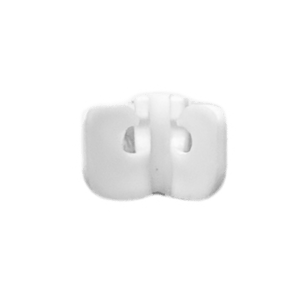
Shapeshift kit part
Artistbooths Bundle Component Frosted Lavender Purple (PMS 2715 C) Panel Square (35x35 cm) [8-pack]
Shapeshift kit part
B-grade artist booth panel - discounted cosmetic-second stock
Shapeshift kit part
Shapeshift kit part
Artistbooths Bundle Component Frosted Lilac Purple (PMS 263 C) BOOF Panel Triangle (35x35 cm) [2-pack]
Shapeshift kit part
Shapeshift kit part
Shapeshift kit part
Shapeshift kit part
Shapeshift kit part
Artistbooths Bundle Component Frosted Lilac Purple (PMS 263 C) BOOF Panel Half Square (35x17.5 cm) [4-pack]
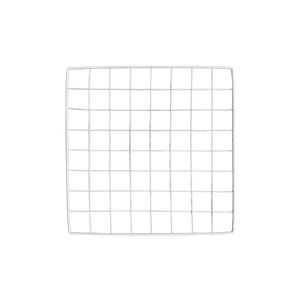
Artistbooths Single Connectors & Accessories White Square Wire Grid (35x35 cm)
Shapeshift kit part
Artistbooths Single Connectors & Accessories White Edge Connector

Stand out pop ups.Shapeshifting setups.

Mix & match custom shapes & colours that match your brand.

Shop
Scroll

build a booth that builds a crowd

Little parts. Big payoff.

Why makers love our booths.

Every detail pulls its weight.

Stand out, sell out.

Be the eye-catching brand whose cohesive look draws a crowd and gets remembered.

Grow with you.

Enough parts to range products from small table to large booth.

Shape your brand.

Triangles, rectangles, hinge panels and connectors, in colours you mix yourself, for infinite display setups.

Be memorable.

Seasonal colours keep your brand unique. Frosted finish gives your art a soft spotlight.

Range & sell more.

Self-serve more customers with parts that make the most of smaller spaces.

Strong where it counts.

An iron core holds heavy stock whilst water-resistant surfaces shrug off spills and weather.

Packs light, carries safe.

Panels weigh 150g each. The double-wall carry box protects up to 30 decorated panels every trip.

Spares for years.

Every kit packs extra parts, so when you scale up or lose a piece you can keep running your vision.

Your products centre stage

Light diffusing panels.

Anti glare & bright product display

Pick a Display kit to Shapeshift your brand.

Choose a setup size and colours & explore examples of how you could use our kits.

1. Kit size
All kits inc. Free shipping (2-7 days)
2. Colours
Only available
2aMain colour Main colour
Swap half your square panels to a 2nd colour
Swap half your multi-shape panels to a 2nd colour
2bSecond colour Second colour Free
Swap half your square panels to a 2nd colour
Swap half your multi-shape panels to a 2nd colour
3. Bundle & save add-ons

Display more with add-on packs.

Shapeshift Kit 46 Multi-Shape Panel and Accessory Kit Add-on

Shapeshift Kit 46 Multi-Shape Panel and Accessory Kit Add-on

$503.10

Grape Purple Frosted

Square Panel [24 Pack] (35cm / 13.8in) Add-on

Square Panel [24 Pack] (35cm / 13.8in) Add-on

$405.00

Scarlet Red Frosted

Self Serve Hook with wire grid T clip  8cm [10 pack] Add-on

Self Serve Hook with wire grid T clip 8cm [10 pack] Add-on

$36.00

Self serve display Grid & Intersection Hook expansion pack [12/24 Mixed pack] Add-on

Self serve display Grid & Intersection Hook expansion pack [12/24 Mixed pack] Add-on

$90.00

Multi Connector Expansion Pack - White - Bundle & Save [16/32 mixed pack] Add-on

Multi Connector Expansion Pack - White - Bundle & Save [16/32 mixed pack] Add-on

$108.00

Square Wire Grid Expansion Pack - 35cm x 35cm/13.7"x13.7" Add-on

Square Wire Grid Expansion Pack - 35cm x 35cm/13.7"x13.7" Add-on

$54.00

Mini Rectangle Panels [5-Pack] (17cm x 35cm/6.69in x 13.78in) Add-on

Mini Rectangle Panels [5-Pack] (17cm x 35cm/6.69in x 13.78in) Add-on

$90.00

Amber Yellow Frosted

Foot Connector Expansion Pack [4 Pcs] Add-on

Foot Connector Expansion Pack [4 Pcs] Add-on

$53.10

Mixed Single & Double Wire Shelf Clip [9 pack] Add-on

Mixed Single & Double Wire Shelf Clip [9 pack] Add-on

$40.50

Booth Wheel & Wheel Connector - white - [4 pack] Add-on

Booth Wheel & Wheel Connector - white - [4 pack] Add-on

$54.00

Corner Connector Expansion Pack [8 pack] Add-on

Corner Connector Expansion Pack [8 pack] Add-on

$54.00

Edge Connector [8 pack] Add-on

Edge Connector [8 pack] Add-on

$54.00

Single Shelf Wire Clip White [5 pack] Add-on

Single Shelf Wire Clip White [5 pack] Add-on

$31.50

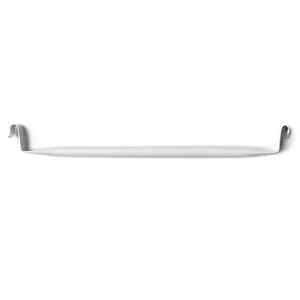
Double shelf wire clip white [4 pack] Add-on

Double shelf wire clip white [4 pack] Add-on

$27.00

Self serve display Grid & Fold Hook expansion pack [12/24 Mixed pack] Add-on

Self serve display Grid & Fold Hook expansion pack [12/24 Mixed pack] Add-on

$99.00

Foldable Self Serve Hook (with wire clip) - [20 pack] Add-on

Foldable Self Serve Hook (with wire clip) - [20 pack] Add-on

$72.00

White

Foldable Self Serve Hooks (with adhesive sheet) [20 pack] Add-on

Foldable Self Serve Hooks (with adhesive sheet) [20 pack] Add-on

$45.00

White

Metal mallet (with dual rubber/soft tap sides) [1 pc] Add-on

Metal mallet (with dual rubber/soft tap sides) [1 pc] Add-on

$36.00

Panel Clamp Black 3cm Mouth [4 pcs] Add-on

Panel Clamp Black 3cm Mouth [4 pcs] Add-on

$36.00

Foldable Croc Hooks (adhesive) - 10-pack

Foldable Croc Hooks (adhesive) - 10-pack

$50.00

Black

Foldable Croc Hook (clip) - 10-pack

Foldable Croc Hook (clip) - 10-pack

$80.00

Black

Your bundle
Free express shipping deal
Orders over $300 AUD
dhm
Free Exp. Shipping (2-7 bus.days) d h m
Selection
★Rated 5.0/5 by sellers at markets & cons
American Express Apple Pay BancontactGoogle Pay Mastercard MB WAY Shop Pay Union PayVisa JCBDiscoverDiners ClubMaestro
🌐 We ship globally express tracked★ Rated 5.0/5 by sellers at markets & cons🇦🇺 Designed in Aus
Build your own
Duo color display
Colorful display

Modular cube panels that snap together in minutes. Pick a color to start with and build & grow. for years.

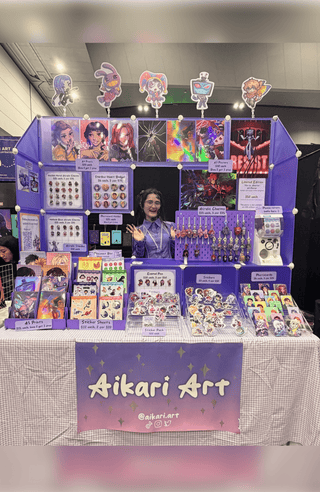
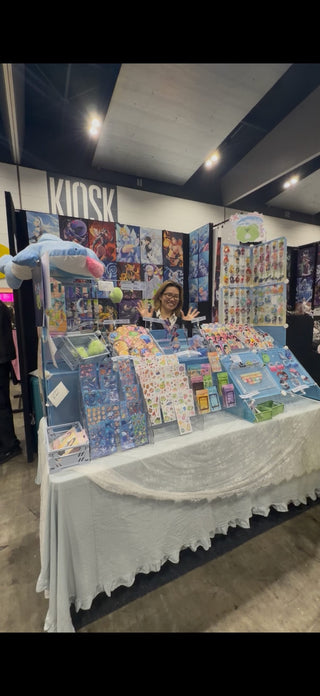
Modular artist display booth at a craft market
Indoor pet playpen enclosure