There's a specific moment a lot of vendors describe the same way. You're at your day job on a Tuesday, checking your phone under the desk, and you realize the table you ran last weekend outsold your paycheck for the week. It doesn't feel real the first time. It also doesn't mean you should quit on Wednesday.
That gap between "one great con" and "sustainable full-time income" is where most vending careers actually get built or quietly stall out. The difference usually isn't talent. It's whether the business side catches up to the art side.
The weekend version of the business
As a hobbyist, you can get away with a lot. A folding table, a couple of easels, prints stacked in a bin you dig through when someone asks for a specific piece. It's slow, but it doesn't matter, because you're only doing this a handful of weekends a year and the stakes are low. Nobody's tracking hourly sales. Nobody's calculating whether the con was worth the table fee against what you actually took home.
What breaks when you scale up
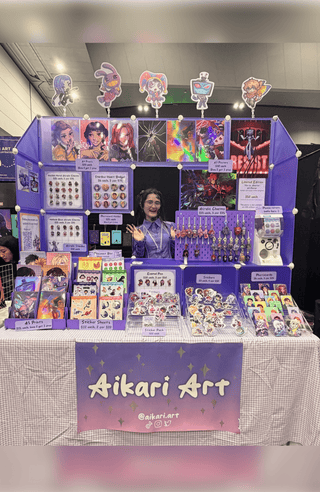
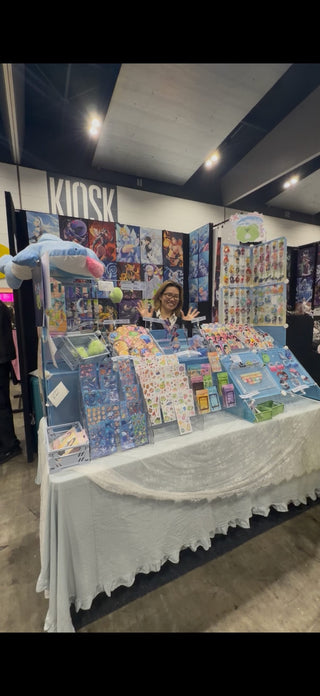
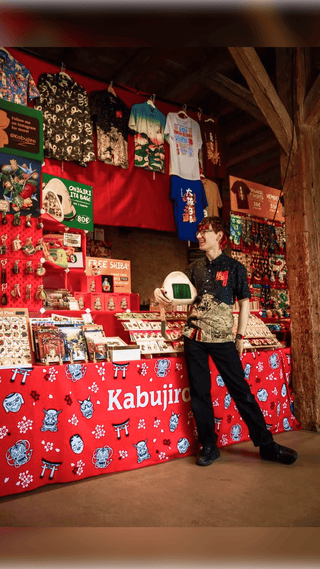
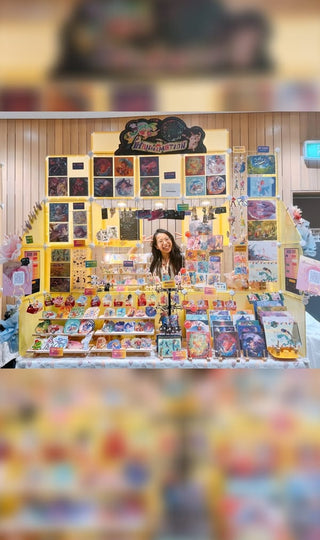
The vendors who go full-time hit a wall fast: the hobby setup can't keep pace with hobby income becoming REAL income. Suddenly you're doing twice the shows, and that bin-digging system means customers wait, lines form, and people walk off. Setup that used to be a leisurely hour before doors open now has to happen in whatever tight load-in window the con gives you, sometimes shared with fifty other vendors fighting for the same hallway.
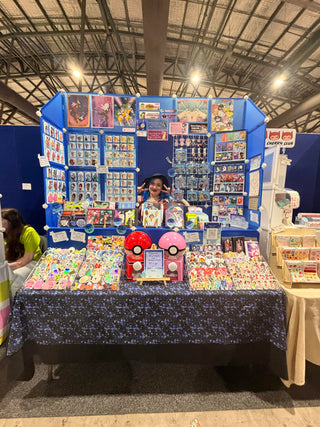
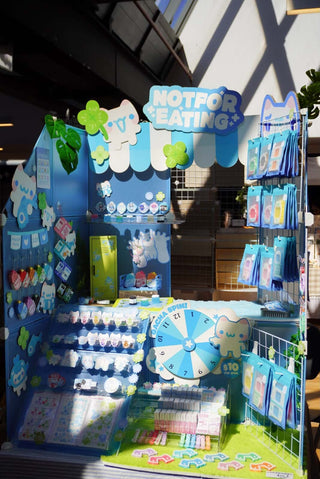
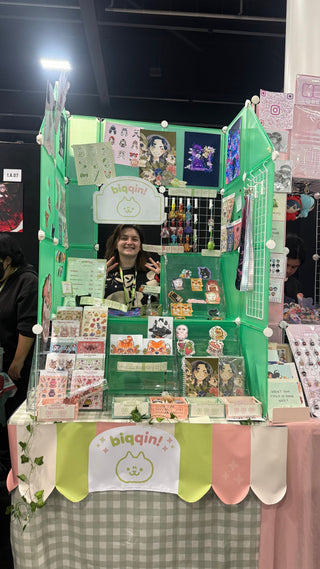
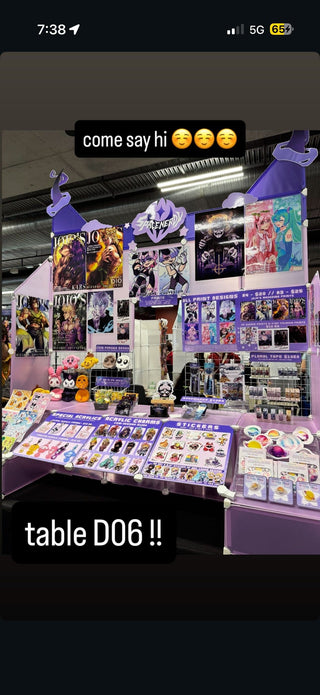
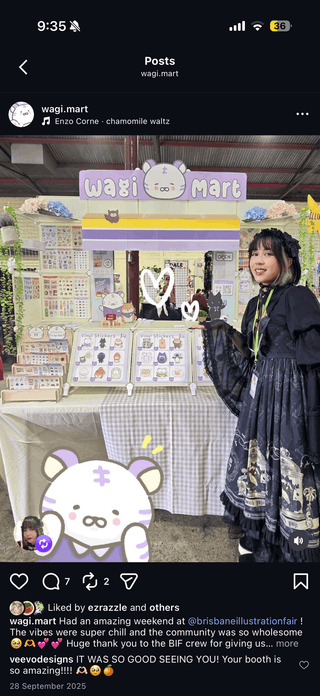
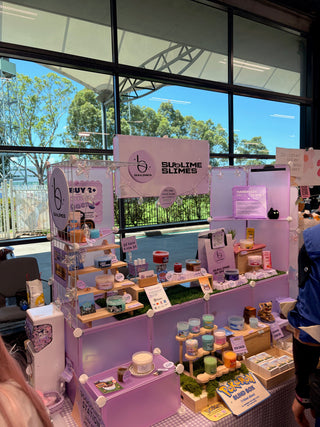
This is usually the point vendors switch from improvised setups to something built for repeat, fast deployment, like a proper modular booth kit that goes up in under 30 minutes without tools. Not because it's fancier, but because the old system physically can't keep up with the new schedule.
The mechanism, not the miracle
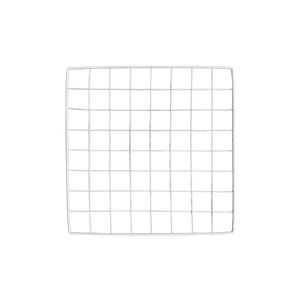
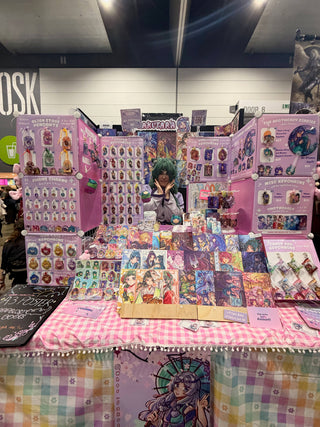
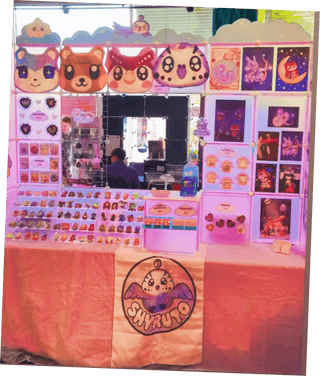
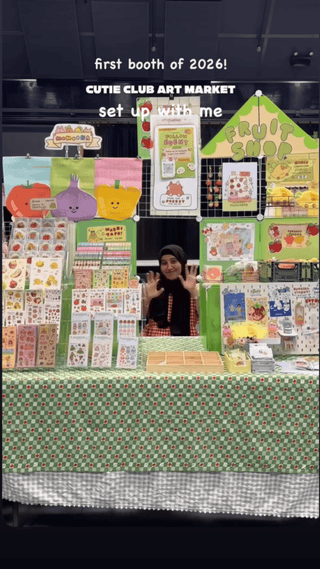
Nobody goes full-time because they bought a better table setup. But the setup is part of what makes the income mechanically possible. A self-serve grid wall means you're not the bottleneck when three people want prints at once. A booth that scales from a small local market to a packed flagship con means you're not rebuilding your whole operation every time a bigger opportunity shows up. More transactions per hour, less dead time between shows, less burnout from load-in chaos. That's the actual engine. Nobody's promising a number. The mechanism is just closer to sustainable when the operational stuff stops fighting you.
What actually changes when it's your job
You stop thinking in single cons and start thinking in seasons. You start caring about things you never noticed as a hobbyist, like how long setup takes, how many panels your grid needs for a good product spread, whether your booth can survive being packed and unpacked forty times a year. Browsing the kit lineup stops being window shopping and starts being an actual business decision.
The Tuesday-at-your-desk moment is exciting. The unglamorous part, upgrading your setup, tightening your con schedule, treating the table like the store it's become, is what turns that one good weekend into a career.
![Artistbooths Bundle Component Frosted Lavender Purple (PMS 2715 C) Panel Square (35x35 cm) [8-pack]](http://artistbooths.com/cdn/shop/files/artistbooths-bundle-component-frosted-lavender-purple-pms-2715-c-boof-panel-square-35x35-cm-8-pack-1214015634.png?v=1767318728&width=300)



![Artistbooths Bundle Component Frosted Lilac Purple (PMS 263 C) BOOF Panel Triangle (35x35 cm) [2-pack]](http://artistbooths.com/cdn/shop/files/artistbooths-bundle-component-frosted-lilac-purple-pms-263-c-boof-panel-triangle-35x35-cm-2-pack-1214015625.png?v=1767318428&width=300)


![Artistbooths Bundle Component Frosted Lilac Purple (PMS 263 C) BOOF Panel Half Square (35x17.5 cm) [4-pack]](http://artistbooths.com/cdn/shop/files/artistbooths-bundle-component-frosted-lilac-purple-pms-263-c-boof-panel-half-square-35x17-5-cm-4-pack-1214015628.png?v=1767318516&width=300)











![Square Panel [24 Pack] (35cm / 13.8in) Add-on](http://artistbooths.com/cdn/shop/files/Bulk_thumbnails-14.png?v=1782275611&width=320)
![Self Serve Hook with wire grid T clip 8cm [10 pack] Add-on](http://artistbooths.com/cdn/shop/files/artistbooths-booth-garage-t-section-self-serve-grid-hook-8cm-10pcs-1234044856.png?v=1776916212&width=320)
![Self serve display Grid & Intersection Hook expansion pack [12/24 Mixed pack] Add-on](http://artistbooths.com/cdn/shop/files/artistbooths-booth-garage-12-pack-2-grid-10-hooks-self-serve-display-grid-intersection-hook-expansion-pack-12-24-mixed-pcs-1234209872.png?v=1777005938&width=320)
![Multi Connector Expansion Pack - White - Bundle & Save [16/32 mixed pack] Add-on](http://artistbooths.com/cdn/shop/files/artistbooths-booth-garage-16-mixed-connector-pro-pack-connector-pro-expansion-pack-white-bundle-save-16-32-mixed-pcs-1234209875.png?v=1777005971&width=320)

![Mini Rectangle Panels [5-Pack] (17cm x 35cm/6.69in x 13.78in) Add-on](http://artistbooths.com/cdn/shop/files/artistbooths-booth-garage-frosted-amber-yellow-pms-1235-c-half-squares-10-pack-17cm-6-69in-1229850280.png?v=1774848457&width=320)
![Foot Connector Expansion Pack [4 Pcs] Add-on](http://artistbooths.com/cdn/shop/files/artistbooths-booth-garage-white-foot-connector-4-pcs-1233353183.png?v=1776908318&width=320)
![Mixed Single & Double Wire Shelf Clip [9 pack] Add-on](http://artistbooths.com/cdn/shop/files/artistbooths-booth-garage-12-pack-2-grid-10-fold-hooks-self-serve-display-grid-fold-hook-expansion-pack-12-24-mixed-pcs-1234209869.png?v=1777005852&width=320)
![Booth Wheel & Wheel Connector - white - [4 pack] Add-on](http://artistbooths.com/cdn/shop/files/artistbooths-booth-garage-booth-wheel-4pcs-wheel-connector-4-pcs-white-1234044880.png?v=1776916093&width=320)
![Corner Connector Expansion Pack [8 pack] Add-on](http://artistbooths.com/cdn/shop/files/artistbooths-booth-garage-white-corner-connector-expansion-pack-4-pcs-1234044868.png?v=1776915937&width=320)
![Edge Connector [8 pack] Add-on](http://artistbooths.com/cdn/shop/files/artistbooths-booth-garage-white-edge-connector-4-pcs-1234044876.png?v=1776915671&width=320)
![Single Shelf Wire Clip White [5 pack] Add-on](http://artistbooths.com/cdn/shop/files/artistbooths-booth-garage-single-shelf-wire-clip-white-5pcs-1234044883.png?v=1776915612&width=320)
![Double shelf wire clip white [4 pack] Add-on](http://artistbooths.com/cdn/shop/files/artistbooths-booth-garage-white-double-shelf-wire-clip-4-pack-1233353188.png?v=1776771613&width=320)
![Foldable Self Serve Hook (with wire clip) - [20 pack] Add-on](http://artistbooths.com/cdn/shop/files/artistbooths-booth-garage-white-foldable-self-serve-hook-wire-clip-version-10-pcs-1234214602.png?v=1777016318&width=320)
![Foldable Self Serve Hooks (with adhesive sheet) [20 pack] Add-on](http://artistbooths.com/cdn/shop/files/artistbooths-booth-garage-white-foldable-self-serve-hooks-adhesive-version-10-pcs-1234214609.png?v=1777016200&width=320)
![Metal mallet (with dual rubber/soft tap sides) [1 pc] Add-on](http://artistbooths.com/cdn/shop/files/artistbooths-bundle-component-dual-headed-metal-mallet-with-soft-tap-side-1209303104.png?v=1764380999&width=320)
![Panel Clamp Black 3cm Mouth [4 pcs] Add-on](http://artistbooths.com/cdn/shop/files/artistbooths-booth-garage-panel-clamp-2-pcs-1233843253.png?v=1776843493&width=320)