Everyone wants a magic number. There isn't one. But there are real factors that decide whether your con count can actually support you, and they matter a lot more than the raw count itself. Here's what to actually weigh.
- Your con density, not just your con count. Ten cons spread evenly across the year behaves completely differently from ten cons crammed into two months. Density affects production time, restock windows, and whether you physically have time to recover between shows without burning out.
- How much of each show is actual selling time. A con with a long, chaotic load-in eats into your selling hours before you've made a dollar. This is exactly why setup speed matters so much once you're doing this seriously. A booth that goes up in under 30 minutes with no tools hands you back selling time that a slow setup would have eaten.
- Your sell-through rate per show, not just attendance. A packed con with poor sell-through is worse than a smaller show where your table actually converts. Self-serve grid walls exist specifically to raise this number, letting customers grab prints and small items while you're occupied with someone else.
- Production capacity between shows. More cons only helps if you can actually restock between them. Vendors who go full-time on con count alone, without matching production capacity, end up showing up to later shows half-empty.
- Whether your setup scales with your booth size. Going full-time usually means bigger booth spaces at bigger shows. A modular booth kit that scales up as you grow means you're not buying a whole new setup every time you level up, from a 24-panel Core kit at small local markets to something built for years of heavy convention use at flagship shows.
- Off-season income streams. The vendors with the steadiest year-round income usually aren't relying on con count alone. Commissions, online sales, and other channels fill the gaps between shows, so your con schedule doesn't have to carry the whole year by itself.
- Travel and table costs eating into what a con actually nets you. A far-flung con with a high table fee needs to clear a much higher bar than a local show you can drive to. Count NET, not gross, when you're deciding what stays on the calendar.
- Your own burnout ceiling. This is the one people skip. There's a con count where the math works on paper but you're too fried to actually execute well. Know that number for yourself before you build a schedule around someone else's pace.
Add it up and the honest answer is: enough cons, spaced with enough recovery time, where your setup, production, and selling systems can all actually keep pace with each other. Start by browsing the kit lineup and building a setup that won't be the thing holding your schedule back.
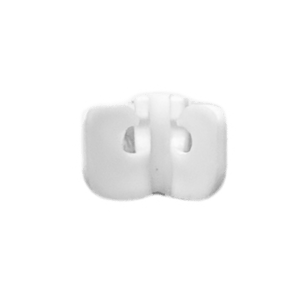
![Artistbooths Bundle Component Frosted Lavender Purple (PMS 2715 C) Panel Square (35x35 cm) [8-pack]](http://artistbooths.com/cdn/shop/files/artistbooths-bundle-component-frosted-lavender-purple-pms-2715-c-boof-panel-square-35x35-cm-8-pack-1214015634.png?v=1767318728&width=300)



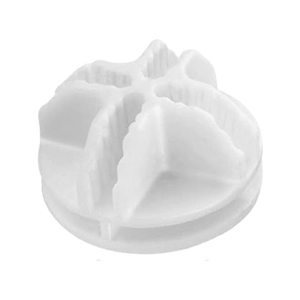
![Artistbooths Bundle Component Frosted Lilac Purple (PMS 263 C) BOOF Panel Triangle (35x35 cm) [2-pack]](http://artistbooths.com/cdn/shop/files/artistbooths-bundle-component-frosted-lilac-purple-pms-263-c-boof-panel-triangle-35x35-cm-2-pack-1214015625.png?v=1767318428&width=300)
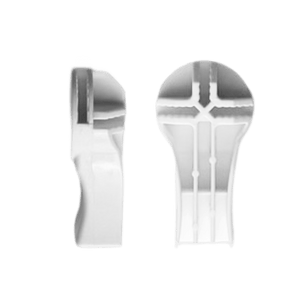


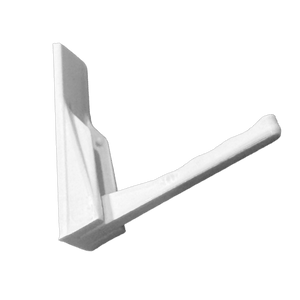
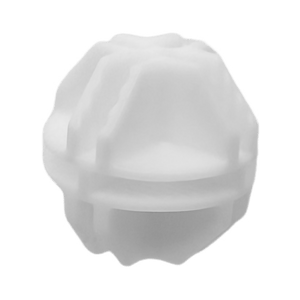
![Artistbooths Bundle Component Frosted Lilac Purple (PMS 263 C) BOOF Panel Half Square (35x17.5 cm) [4-pack]](http://artistbooths.com/cdn/shop/files/artistbooths-bundle-component-frosted-lilac-purple-pms-263-c-boof-panel-half-square-35x17-5-cm-4-pack-1214015628.png?v=1767318516&width=300)
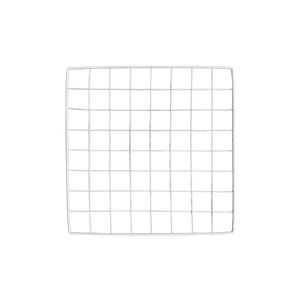
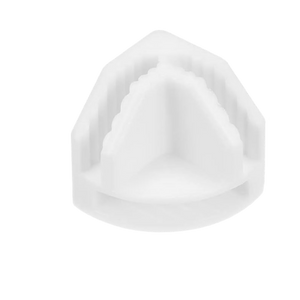
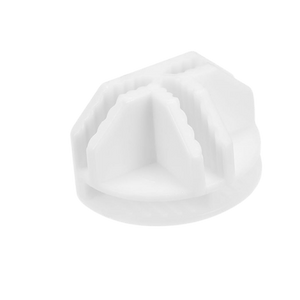



![Square Panel [24 Pack] (35cm / 13.8in) Add-on](http://artistbooths.com/cdn/shop/files/Bulk_thumbnails-14.png?v=1782275611&width=320)
![Triangles Panels 4 Pack [35cm / 13.78in] Add-on](http://artistbooths.com/cdn/shop/files/artistbooths-booth-garage-frosted-salmon-pink-pms-1765-c-triangles-4-pack-35cm-13-78in-1229850282.png?v=1774848850&width=320)
![Half-Squares panels [5 Pack] [17.5x35cm / 6.89x13.78in] Add-on](http://artistbooths.com/cdn/shop/files/artistbooths-booth-garage-frosted-tan-brown-pms-728c-half-squares-10-pack-17-5cm-6-89in-1229850290.png?v=1774849177&width=320)
![Self Serve Hook with wire grid T clip 8cm [10 pack] Add-on](http://artistbooths.com/cdn/shop/files/artistbooths-booth-garage-t-section-self-serve-grid-hook-8cm-10pcs-1234044856.png?v=1776916212&width=320)
![Self serve display Grid & Intersection Hook expansion pack [12/24 Mixed pack] Add-on](http://artistbooths.com/cdn/shop/files/artistbooths-booth-garage-12-pack-2-grid-10-hooks-self-serve-display-grid-intersection-hook-expansion-pack-12-24-mixed-pcs-1234209872.png?v=1777005938&width=320)
![Multi Connector Expansion Pack - White - Bundle & Save [16/32 mixed pack] Add-on](http://artistbooths.com/cdn/shop/files/artistbooths-booth-garage-16-mixed-connector-pro-pack-connector-pro-expansion-pack-white-bundle-save-16-32-mixed-pcs-1234209875.png?v=1777005971&width=320)

![Hinged Square panels [5 Pack] [35cm / 13.78in] Add-on](http://artistbooths.com/cdn/shop/files/artistbooths-booth-garage-frosted-forest-green-pms-3415-c-hinged-squares-8-pack-35cm-13-78in-1229850315.png?v=1774849297&width=320)
![Mini Rectangle Panels [5-Pack] (17cm x 35cm/6.69in x 13.78in) Add-on](http://artistbooths.com/cdn/shop/files/artistbooths-booth-garage-frosted-amber-yellow-pms-1235-c-half-squares-10-pack-17cm-6-69in-1229850280.png?v=1774848457&width=320)
![Foot Connector Expansion Pack [4 Pcs] Add-on](http://artistbooths.com/cdn/shop/files/artistbooths-booth-garage-white-foot-connector-4-pcs-1233353183.png?v=1776908318&width=320)
![Mixed Single & Double Wire Shelf Clip [9 pack] Add-on](http://artistbooths.com/cdn/shop/files/artistbooths-booth-garage-12-pack-2-grid-10-fold-hooks-self-serve-display-grid-fold-hook-expansion-pack-12-24-mixed-pcs-1234209869.png?v=1777005852&width=320)
![Booth Wheel & Wheel Connector - white - [4 pack] Add-on](http://artistbooths.com/cdn/shop/files/artistbooths-booth-garage-booth-wheel-4pcs-wheel-connector-4-pcs-white-1234044880.png?v=1776916093&width=320)
![Corner Connector Expansion Pack [8 pack] Add-on](http://artistbooths.com/cdn/shop/files/artistbooths-booth-garage-white-corner-connector-expansion-pack-4-pcs-1234044868.png?v=1776915937&width=320)
![Edge Connector [8 pack] Add-on](http://artistbooths.com/cdn/shop/files/artistbooths-booth-garage-white-edge-connector-4-pcs-1234044876.png?v=1776915671&width=320)
![Single Shelf Wire Clip White [5 pack] Add-on](http://artistbooths.com/cdn/shop/files/artistbooths-booth-garage-single-shelf-wire-clip-white-5pcs-1234044883.png?v=1776915612&width=320)
![Double shelf wire clip white [4 pack] Add-on](http://artistbooths.com/cdn/shop/files/artistbooths-booth-garage-white-double-shelf-wire-clip-4-pack-1233353188.png?v=1776771613&width=320)
![Foldable Self Serve Hook (with wire clip) - [20 pack] Add-on](http://artistbooths.com/cdn/shop/files/artistbooths-booth-garage-white-foldable-self-serve-hook-wire-clip-version-10-pcs-1234214602.png?v=1777016318&width=320)
![Foldable Self Serve Hooks (with adhesive sheet) [20 pack] Add-on](http://artistbooths.com/cdn/shop/files/artistbooths-booth-garage-white-foldable-self-serve-hooks-adhesive-version-10-pcs-1234214609.png?v=1777016200&width=320)
![Metal mallet (with dual rubber/soft tap sides) [1 pc] Add-on](http://artistbooths.com/cdn/shop/files/artistbooths-bundle-component-dual-headed-metal-mallet-with-soft-tap-side-1209303104.png?v=1764380999&width=320)
![Panel Clamp Black 3cm Mouth [4 pcs] Add-on](http://artistbooths.com/cdn/shop/files/artistbooths-booth-garage-panel-clamp-2-pcs-1233843253.png?v=1776843493&width=320)