Every full-time vendor hits the same wall. The summer rush ends, bookings thin out, and suddenly your calendar looks EMPTY. The rent does not care that convention season slowed down.
Slow season is not a crisis. It is a phase you can plan for, profit from, and even enjoy. Here is how career vendors handle the quiet months without panicking.
Build a Financial Buffer During Peak Season
The biggest mistake new full-time vendors make is spending peak-season profits like the money will never stop. It always stops. Set aside 20-30% of your best months to cover the lean ones.
Track your actual monthly expenses. Not the aspirational budget. The real number. Then multiply by three. That is your MINIMUM buffer before you can breathe easy during off-season.
Use Downtime to Upgrade Your Setup
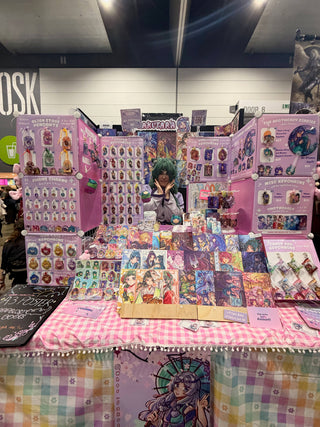
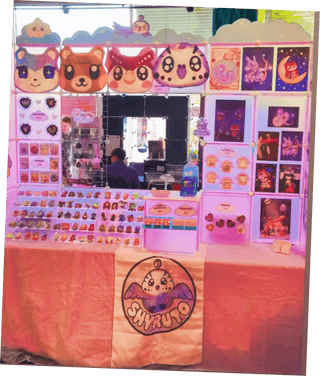
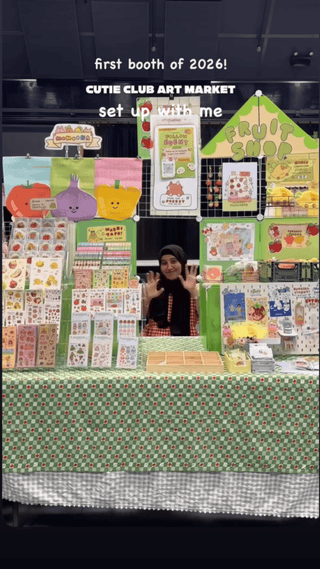
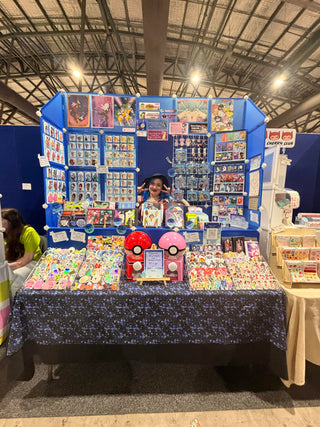
Slow season is when smart vendors rebuild. Your display took a beating over dozens of shows. Now is the time to swap out tired elements, rethink your layout, and test new configurations.
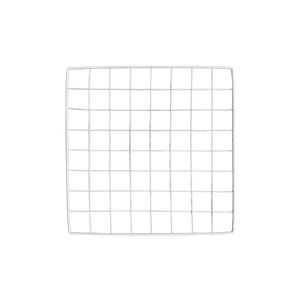
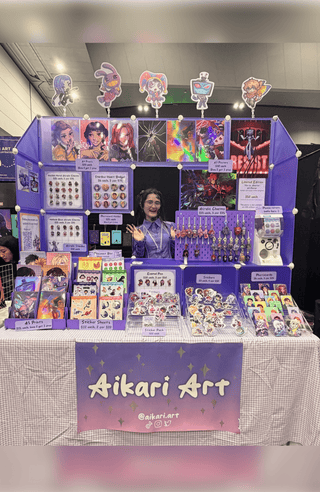
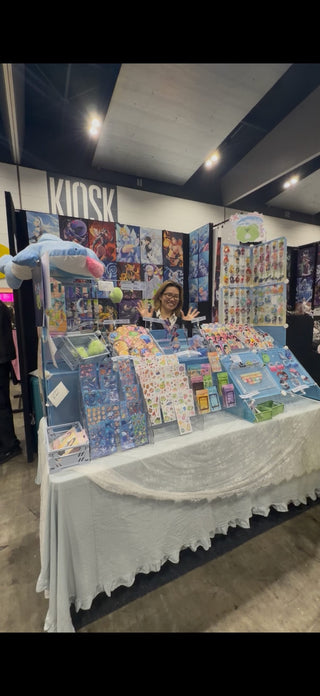
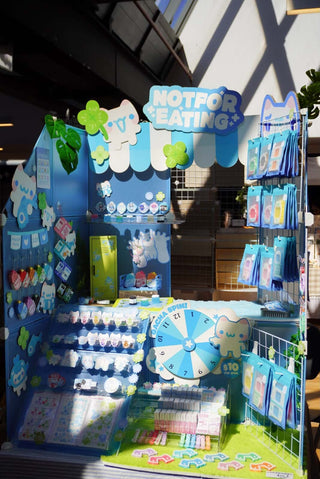
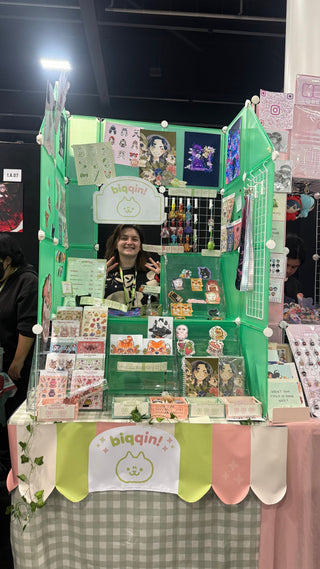
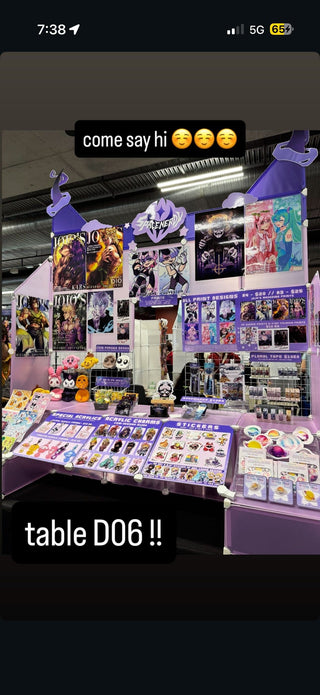
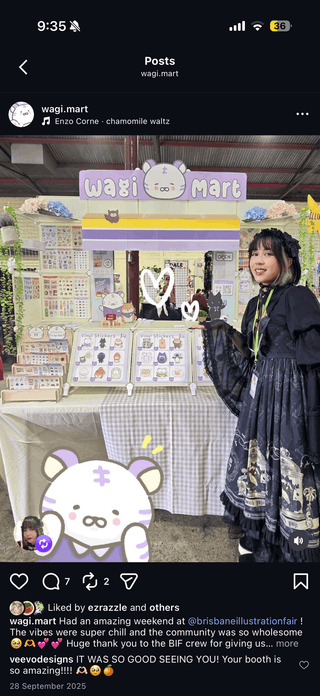
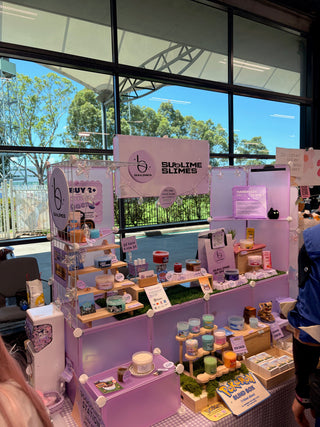
A modular display kit makes this painless. You can reconfigure panels, try new colour combos, and dial in your setup without the pressure of a show tomorrow morning. Panels are 35x35cm frosted polypropylene, so you can prototype a whole new look in your living room.
Diversify Your Revenue Sources
Full-time means full-time problem solving. When cons slow down, lean into online sales, wholesale pitches, custom commissions, or teaching workshops. The vendors who survive long-term NEVER depend on a single revenue channel.
Even listing on a second marketplace or running a small online drop can smooth out the income dips that make slow season stressful.
Plan Your Next Season Before It Arrives
Applications for the best shows open months early. Slow season is when you research new events, submit applications, and lock in your schedule. The vendors who wait until January to plan are already behind.
Map out travel costs, table fees, and lodging for each show. A spreadsheet takes an hour. Guessing costs you hundreds in surprise expenses.
How far in advance should I plan for slow season?
Start setting aside money during your first profitable show. If you are already mid-career, begin building your buffer now. Three months of expenses is the minimum target.
What should I do with leftover inventory during the off-season?
Run online sales, bundle slow movers with popular items, or offer them as convention exclusives at your next show. Sitting on dead stock costs you storage space and mental energy.
Is it worth doing small local markets during slow season?
Sometimes. They keep your selling skills sharp and generate some cash flow. But do the math first. If the table fee plus travel eats your margin, your time is better spent on online sales or production.

![Artistbooths Bundle Component Frosted Lavender Purple (PMS 2715 C) Panel Square (35x35 cm) [8-pack]](http://artistbooths.com/cdn/shop/files/artistbooths-bundle-component-frosted-lavender-purple-pms-2715-c-boof-panel-square-35x35-cm-8-pack-1214015634.png?v=1767318728&width=300)



![Artistbooths Bundle Component Frosted Lilac Purple (PMS 263 C) BOOF Panel Triangle (35x35 cm) [2-pack]](http://artistbooths.com/cdn/shop/files/artistbooths-bundle-component-frosted-lilac-purple-pms-263-c-boof-panel-triangle-35x35-cm-2-pack-1214015625.png?v=1767318428&width=300)



![Artistbooths Bundle Component Frosted Lilac Purple (PMS 263 C) BOOF Panel Half Square (35x17.5 cm) [4-pack]](http://artistbooths.com/cdn/shop/files/artistbooths-bundle-component-frosted-lilac-purple-pms-263-c-boof-panel-half-square-35x17-5-cm-4-pack-1214015628.png?v=1767318516&width=300)













![Square Panel [24 Pack] (35cm / 13.8in) Add-on](http://artistbooths.com/cdn/shop/files/Bulk_thumbnails-14.png?v=1782275611&width=320)
![Self Serve Hook with wire grid T clip 8cm [10 pack] Add-on](http://artistbooths.com/cdn/shop/files/artistbooths-booth-garage-t-section-self-serve-grid-hook-8cm-10pcs-1234044856.png?v=1776916212&width=320)
![Self serve display Grid & Intersection Hook expansion pack [12/24 Mixed pack] Add-on](http://artistbooths.com/cdn/shop/files/artistbooths-booth-garage-12-pack-2-grid-10-hooks-self-serve-display-grid-intersection-hook-expansion-pack-12-24-mixed-pcs-1234209872.png?v=1777005938&width=320)
![Multi Connector Expansion Pack - White - Bundle & Save [16/32 mixed pack] Add-on](http://artistbooths.com/cdn/shop/files/artistbooths-booth-garage-16-mixed-connector-pro-pack-connector-pro-expansion-pack-white-bundle-save-16-32-mixed-pcs-1234209875.png?v=1777005971&width=320)

![Mini Rectangle Panels [5-Pack] (17cm x 35cm/6.69in x 13.78in) Add-on](http://artistbooths.com/cdn/shop/files/artistbooths-booth-garage-frosted-amber-yellow-pms-1235-c-half-squares-10-pack-17cm-6-69in-1229850280.png?v=1774848457&width=320)
![Foot Connector Expansion Pack [4 Pcs] Add-on](http://artistbooths.com/cdn/shop/files/artistbooths-booth-garage-white-foot-connector-4-pcs-1233353183.png?v=1776908318&width=320)
![Mixed Single & Double Wire Shelf Clip [9 pack] Add-on](http://artistbooths.com/cdn/shop/files/artistbooths-booth-garage-12-pack-2-grid-10-fold-hooks-self-serve-display-grid-fold-hook-expansion-pack-12-24-mixed-pcs-1234209869.png?v=1777005852&width=320)
![Booth Wheel & Wheel Connector - white - [4 pack] Add-on](http://artistbooths.com/cdn/shop/files/artistbooths-booth-garage-booth-wheel-4pcs-wheel-connector-4-pcs-white-1234044880.png?v=1776916093&width=320)
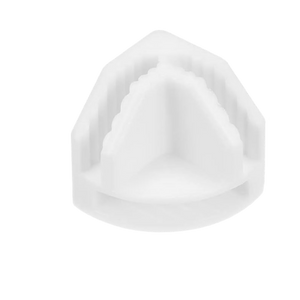
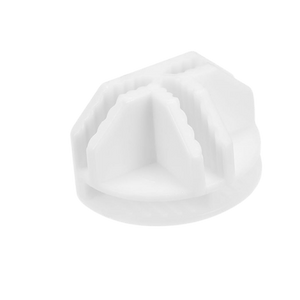
![Corner Connector Expansion Pack [8 pack] Add-on](http://artistbooths.com/cdn/shop/files/artistbooths-booth-garage-white-corner-connector-expansion-pack-4-pcs-1234044868.png?v=1776915937&width=320)
![Edge Connector [8 pack] Add-on](http://artistbooths.com/cdn/shop/files/artistbooths-booth-garage-white-edge-connector-4-pcs-1234044876.png?v=1776915671&width=320)
![Single Shelf Wire Clip White [5 pack] Add-on](http://artistbooths.com/cdn/shop/files/artistbooths-booth-garage-single-shelf-wire-clip-white-5pcs-1234044883.png?v=1776915612&width=320)
![Double shelf wire clip white [4 pack] Add-on](http://artistbooths.com/cdn/shop/files/artistbooths-booth-garage-white-double-shelf-wire-clip-4-pack-1233353188.png?v=1776771613&width=320)
![Foldable Self Serve Hook (with wire clip) - [20 pack] Add-on](http://artistbooths.com/cdn/shop/files/artistbooths-booth-garage-white-foldable-self-serve-hook-wire-clip-version-10-pcs-1234214602.png?v=1777016318&width=320)
![Foldable Self Serve Hooks (with adhesive sheet) [20 pack] Add-on](http://artistbooths.com/cdn/shop/files/artistbooths-booth-garage-white-foldable-self-serve-hooks-adhesive-version-10-pcs-1234214609.png?v=1777016200&width=320)
![Metal mallet (with dual rubber/soft tap sides) [1 pc] Add-on](http://artistbooths.com/cdn/shop/files/artistbooths-bundle-component-dual-headed-metal-mallet-with-soft-tap-side-1209303104.png?v=1764380999&width=320)
![Panel Clamp Black 3cm Mouth [4 pcs] Add-on](http://artistbooths.com/cdn/shop/files/artistbooths-booth-garage-panel-clamp-2-pcs-1233843253.png?v=1776843493&width=320)