Artist Back Alley Resources Blog

Building A Display That Breaks Down To Fit Under Your Bed

Storage Is The Problem Nobody Talks About Every vendor guide talks about how to set up your booth. Almost none of them talk about where you put everything when the market is over. And if you live in a small apartment (which, let us be honest, most of us do), this is a REAL problem. Wooden shelves live in the garage. Metal grid walls lean against the wall in your spare room. PVC pipe frames get shoved into a closet and fall over every time you open the door. Most display solutions are built for the event and completely ignore the other 350 days of the year. What "Packs Flat" Actually Means There is a difference between "packs flat" and "packs small." A lot of displays fold flat but are still huge. A grid wall folds flat but it is still a metre wide. Not exactly sliding under your bed. Our modular display kits break down into individual 35x35cm panels and small ABS connectors. The whole thing (even the 92-panel Shapeshift Max) fits into cases. A Core kit packs into a single 56x36x23cm case. That is literally carry-on luggage size. Under your bed. Top shelf of your wardrobe. In the boot of a hatchback. Behind the couch. Wherever you have got a suitcase-sized gap, you have got room for your entire display. Setup Speed Matters Too If your display takes an hour to build, you dread setting it up. You start cutting corners. You skip shelves because "it takes too long." The display gets simpler and worse over time because the setup process is fighting you. Click-together panels with no tools needed take under 30 minutes to build. Most vendors get it down to 15 or 20 minutes after a few events. Teardown is even faster. That matters at 5pm on a Sunday when you have been standing for eight hours and you just want to go home. The Travel Factor If you fly to conventions or take public transport to markets, your display needs to survive luggage handling. Frosted PP panels do not crack or dent like wood or acrylic. They are light, flexible, and they have survived checked luggage for thousands of vendors shipping from our Sydney warehouse to 50+ countries. Browse the full kit range if storage and transport are priorities for you. Every kit in the range packs flat and ships in the same compact format. Frequently Asked Questions How heavy is the packed kit?A Core kit is light enough to carry one-handed. Even the Shapeshift Max stays manageable because the panels are made from lightweight PP, not wood or metal. Will the panels get damaged stored under a bed?No. The frosted polypropylene is flexible and does not crack, warp, or scratch easily. It handles being stored flat in tight spaces without any issues. Can I check it on a flight?Yes. The 56x36x23cm packed size fits within most airlines carry-on limits. Vendors regularly fly with their kits domestically and internationally.

Building A Look That Scales From A Small Table To A Full Booth

You're starting at a 6ft table at a local pop-up. But you're planning for the day you have a full 10x10 booth at a major con. The mistake most artists make is building a look that only works at one size. Here's how to create a display aesthetic that scales up without starting over. 1. Start With A Modular System, Not Fixed Furniture This is the foundational choice. A modular display kit with 35x35cm snap-together panels grows with you. A Core kit (24 panels) covers a single table backdrop. Add panels and you get side returns, shelving, L-shapes, and eventually full U-shaped booths. The connectors, hooks, and shelves all work across every kit size. Nothing you buy at the Core level becomes obsolete when you scale up to a Shapeshift (70 panels) or Max (92). 2. Choose Your Colours Now, Not Later The panels you buy for your first show should be in the colour you'll use forever. Switching colours later means replacing every panel. If you start with white and build your brand around a clean white aesthetic, every expansion just means more white panels. Zero visual disruption as you grow. 3. Design Your Small Table Like A Crop Of The Big Booth Think of your current table as a zoomed-in section of your future booth. Whatever zone of the full setup this table represents (the centre wall, the left wing, the front product area), build it to the same standard. Same signage style. Same product spacing. Same visual rules. When you expand, you're widening the frame, not redesigning the picture. 4. Keep Your Hero Wall Consistent Across Sizes Your hero wall is the main backdrop people see from the aisle. At a small table, that's your only wall (5 wide, 5 high). At a full booth, it's your back wall. Design it once. As you scale from a Core to a Shapeshift Base (46 panels) to the full kit range, the hero wall stays the same. You're adding wings and returns around it, not rebuilding it. 5. Invest In Portable, Not Permanent Heavy wooden fixtures look impressive but they lock you into one booth size. Everything in your display should pack flat and fit in luggage. The modular panels collapse into a 56x36x23cm carry-on size case. Tablecloths fold. Signage rolls. When your whole setup is portable, scaling up means bringing more of the same gear, not renting a truck. 6. Document Your Layouts Take photos of every setup you build. Front view, side view, from the aisle. When you scale up, you'll have a visual history of what worked at each size. You'll spot patterns. "Oh, my products always look best with 30cm between them." "My prints need to start at eye level, not lower." These small observations become your personal layout rules that scale with you. 7. Plan Your First Expansion Before You Need It If you're on a Core kit now, look at what the next size up (Shapeshift Base, 46 panels) adds. More wall width? Side returns? Shelving? Knowing what's coming lets you design your current setup to absorb those additions cleanly instead of awkwardly bolting them on later.

Why Indie Brands Are Switching To Modular Exhibitor Displays

We have noticed a shift over the past two years. Indie brands that used to show up with banner stands and pipe-and-drape setups are switching to modular panel displays. Not gradually. Fast.The reason is simple. The old options stopped making sense.Banner stands crease. They look fine for one or two shows, then the print wrinkles, the base gets wobbly, and you spend more time trying to make it stand straight than you do selling. Pipe-and-drape looks like a hotel conference partition. Custom booths cost a fortune and lock you into one configuration that may not fit next month is event.Modular displays fix all three problems at once. The modular display kit uses rigid frosted panels that snap together with connectors. Different layout every show if you want it. Same professional look every time. No creasing, no wobbling, no five-figure invoices.We think the REAL driver of the switch is flexibility. Indie brands move fast. They launch new product lines, change their visual identity, try different event types. A display system that reconfigures in minutes keeps up with that speed. A custom booth built six months ago is already outdated.The portability helps too. Indie brands do not have warehouses or shipping accounts. They have a car and a spare room. A display that packs into a carry-on sized case and sets up in under 30 minutes is built for that reality. No storage unit needed.We ship from Sydney to 50+ countries and we see orders from brands doing everything from handmade jewellery markets to tech expos. The common thread is always the same. They want something that looks sharp, travels easy, and does not eat their entire event budget.The old display industry was built for big companies with big budgets. Indie brands deserve better. And they are FINALLY getting it.See the full kit range and find the size that fits your next event.

Building A Silhouette People Recognise Before They See Your Face

Your booth has a shape. From across a convention hall, before anyone can read your name or see your art, they see your outline. That silhouette is either distinctive or it looks like every other table in the row. We get asked about this a lot, so here are the most common questions about building a booth shape that people recognise on sight. What Do You Mean By A Booth Silhouette? Stand at one end of a convention hall and look at the vendor row. What you see is a series of shapes. Most are low, flat rectangles (tables). Some have small bumps (wire racks, small standing displays). And a few have tall, clean vertical forms that rise above everything else. That tall form is a silhouette, and it's the first visual signal your booth sends. A modular display kit stacked 5 panels high to 175cm creates a silhouette that's immediately distinct from the table-level baseline around it. Why Does Shape Matter More Than What's On Display? Because shape works at distance and detail doesn't. From 20 metres away, nobody can see your art. They can't read your sign. They can't tell if you sell prints or pottery. But they CAN see your outline. A tall, structured booth is a landmark. A flat table is camouflage. People navigate convention halls the same way they navigate cities: by landmarks. Be the tall building, not the parking lot. Does The Display Colour Affect The Silhouette? Colour adds a second layer of recognition. The shape gets noticed first, then the colour confirms identity. If your panels are a consistent colour at every event, returning customers spot the combo fast. "Tall booth, teal panels" is a mental shortcut that works in a crowded hall. With 19+ panel colours available, pick one that's distinctly yours and own it. What If My Table Space Is Small? Silhouette is about HEIGHT, not width. Even a Core kit with 24 panels on a standard 180cm table builds a tall vertical presence. You're using the same table footprint as the vendor next to you. You're just claiming the airspace above it that they're ignoring. That vertical territory is free real estate in a convention hall and almost nobody uses it. How Do I Keep My Silhouette Consistent Across Events? Use the same kit every time. The 35x35cm frosted PP panels and ABS connectors snap together in the same configuration event after event. Take a photo of your setup after a successful show and use it as your reference. The kit packs flat into a 56x36x23cm carry-on case, so nothing gets lost or swapped between events. Same parts, same build, same silhouette. What Size Kit Creates The Best Silhouette? It depends on your space and inventory. The Core (24 panels) is a solid vertical backdrop for a single table. The Shapeshift Base (46 panels) lets you build wider or add side wings. The Shapeshift (70 panels) creates an L-shape or full back wall. And the Max (92 panels) builds the kind of three-sided enclosure that dominates a booth space. Every option ships from Sydney in 1-3 days to 50+ countries. Check the full kit range to see which creates the silhouette you want. Can I Change My Silhouette Seasonally? You can, but do it carefully. Your core shape should stay recognisable. Think of it like a building that gets seasonal decorations but keeps the same architecture. Add side panels for holiday markets, remove a wing for smaller venues, but keep the main wall height and colour consistent. The modular system makes this easy since you just add or subtract panels without redesigning the whole structure. How Long Before People Start Recognising My Booth? From what we've seen, it takes 3-4 events in the same circuit. By the third show, returning attendees have your silhouette filed in their mental map. By the fourth, they're walking directly to you. This only works if your setup is consistent. Change your shape every event and you reset the recognition clock to zero every time. Over 1000 artists with 4.9-star reviews have proven that consistency works.

Solving The Not Enough Wall Space Problem

Every vendor hits this wall eventually. You have products to show, ideas for your layout, maybe even some gorgeous signage ready to go. But your allocated space gives you a table and nothing else. No wall behind you. No pegboard. No pipe and drape. Just air. Here are seven ways to solve the not-enough-wall-space problem without begging your event organiser for a better spot. 1. Build Your Own Wall On the Table A modular display kit sits directly on your table and builds upward. Five panels high gives you 175cm of display wall. No drilling, no clamping to the table edge, no hoping the venue has attachment points. You bring the wall with you. 2. Use Both Sides of Your Display If you have a freestanding display, the back is usable too. Hang backup stock, extra signage, or business card holders on the reverse side. Corner booths can angle the display so both sides face foot traffic. That is double the wall space from the same footprint. 3. Go Narrow and Tall Instead of Wide and Short A two-panel-wide column that is five panels tall uses less table space than a four-wide, two-high layout but shows the SAME number of products. Vertical layouts also catch eyes from further away because they break the visual line of every other table-height display around you. 4. Add Shelves to Your Wall Flat wall space shows 2D work. But shelves turn that same wall into 3D product display. With 5kg-rated PLA hooks, you can add small shelves for jewellery, ceramics, small sculptures, or stacked print sets without needing a separate shelving unit eating your floor space. 5. Create an L-Shape or U-Shape Instead of one flat wall, angle your panels into an L or U configuration. This creates a mini booth environment even in an open-table setup. Customers step INTO your space instead of walking past it. The psychology shift is huge and it uses the same number of panels. 6. Lean Into the "Floating Gallery" Look Frosted panels with prints or products mounted with clear standoffs create a gallery effect that LOOKS like you have more wall space than you do. The translucency lets light through and makes the display feel lighter and more open than solid walls would. 7. Stack Configurations Between Events The real power move is having enough panels to reconfigure between events. A Shapeshift Base kit with 46 panels lets you build a wide backdrop for markets with space, or a tall narrow tower for cramped pop-ups, using the exact same components. Check the full kit range for sizes. The wall space problem is really a thinking problem. Once you stop looking for walls and start building them, your layout options open up completely.

Building Height To Solve A Small Footprint Problem

You have a small table. Maybe 120cm. Maybe a shared 180cm where you only get half. And you are staring at your pile of prints wondering how to make it work without looking cramped. The answer is the same one architects figured out decades ago. When floor space is limited, build UP. Why Small Footprints Are Actually An Advantage A tight space forces focus. You cannot display everything, so you display your best. You cannot spread wide, so you build tall. And tall booths get noticed in ways that wide, flat setups never do. Think about it from the customer's perspective. They are walking through a market. Everything is at table height. Then they see a display wall climbing 175cm tall with clean rows of art on frosted panels. That STANDS out. Your small footprint forced you into a setup that is actually more eye-catching than the big booths around you. The Vertical Math That Makes It Work A Core kit (24 panels) from a modular display kit gives you a display wall that fits behind a standard table. Each 35x35cm panel is a display slot. Stack 5 high and you have 175cm of height taking up almost zero table space. Compare that to laying prints flat. A 60cm table depth holds maybe two rows of A4 prints. That is 8-10 pieces visible at once. A vertical wall of the same width holds 20+ pieces across multiple heights. TRIPLE the display area from the same footprint. The Shapeshift Base (46 panels) gives you enough to build an L-shape if you have a corner, or a wider wall if you have a straight run. Still packs flat into a 56x36x23cm carry-on case. Layout Strategy For Tight Spaces Keep the table surface for three things only: a payment terminal, business cards, and one small impulse-buy display (stickers, pins, small prints). Everything else goes on the wall. Put your hero piece at the top of the wall where it is visible from distance. Eye-level panels get your mid-range prints. Lower panels near the table hold smaller or lower-priced items. This creates a natural price gradient that customers browse intuitively. Ships from Sydney in 1-3 days to 50+ countries. Sets up in under 30 minutes with no tools. Check the full kit range to find the right size for your space. Frequently Asked Questions Can I use a vertical display on a half table?Absolutely. The Core kit (24 panels) fits behind a 90cm half-table comfortably. It actually works better on small tables because the height contrast is more dramatic. Will a tall display block my neighbour?Position your wall behind your table, not beside it. A 175cm wall directly behind you does not encroach on side neighbours. Check event rules for height limits, but most conventions allow up to 180cm behind-table displays.

Building A Booth That Reads From Across The Hall

There's a test most vendors never think about. Stand 15 metres from your booth. Can you tell what you sell? Can you even tell which table is yours? If the answer is no, you have a visibility problem that's costing you sales every single event. The artists who consistently do well at conventions aren't always the most talented. They're the ones whose booths communicate FAST. From across a crowded hall, their setup tells a story before anyone reads a single word. Height Is Your First Advantage Most vendor tables sit at waist height. Every table looks the same from a distance. The moment you build upward, you break the visual line and become a landmark. A modular display kit stacks 5 panels high to 175cm. That puts your art and branding above the crowd, visible from aisles away. Think of your booth as a billboard first and a shop second. The top two rows of panels are your long-range signal. Use them for your biggest, boldest artwork or a clean banner with your brand name. Save the detailed stuff for the lower panels where people can get close. The Three-Second Read Convention attendees make snap decisions. They scan the hall, and their eyes stop on things that are visually distinct. You have roughly three seconds to communicate three things: what you make, that it's quality, and that your booth is worth walking to. Colour blocking is the fastest way to achieve this. Pick 2-3 colours that define your brand and use them consistently. Your display panels, tablecloth, signage, and packaging should all sing the same tune. With 19+ panel colours available, you can match your brand palette exactly. Contrast Makes You Pop Dark art on dark backgrounds vanishes. Light art on white walls goes flat. You need contrast between your pieces and the surface behind them. Frosted panels give you a neutral, semi-translucent backdrop that works with almost any art style. But if your work is predominantly light and airy, consider pairing it with deeper-coloured panels to make it jump off the wall. The same principle applies to your signage. Your name or logo should be the highest-contrast element on your entire display. Bold type, clean background, readable from 10+ metres. Vertical Rhythm And Spacing Cramming every available surface with product is tempting. But clutter kills readability at distance. Leave breathing room between pieces. Use the grid structure of your panels to create a clean rhythm: piece, space, piece, space. This negative space is what makes individual works stand out rather than melting into a wall of stuff. The Shapeshift Base at 46 panels gives you enough real estate to display generously without cramming. If you run a bigger inventory, the Shapeshift at 70 panels or the Max at 92 lets you spread out even more while keeping that visual breathing room. Browse the full kit range to figure out which size gives your art the room it needs. Frequently Asked Questions What's the ideal number of pieces to display at a convention?Less than you think. For prints and flat art, 15-25 pieces displayed well outsell 50 pieces crammed together. Each piece needs enough space around it to be appreciated individually. Quality of presentation beats quantity every time. Should my booth look the same at every event?The core structure and branding should stay consistent so repeat attendees recognise you instantly. But rotate your featured pieces based on the audience. An anime convention crowd wants different hero pieces than a craft market audience.

How Vertical Space Changes The Whole Energy Of Your Booth

Most vendors only use the flat surface of their table. That is like renting a two-story shop and only using the ground floor. Here are the ways going vertical transforms your entire booth presence. 1. You Become Visible From Across The Room Table-height displays disappear in a crowd. Build your display 5 panels high (175cm) and your art is visible over people's heads. At conventions with hundreds of tables, this is how browsers find you from three rows away. 2. Your Table Surface Stays Clean When your prints and products live on vertical panels instead of flat on the table, you free up the surface for what matters. Business cards, a payment terminal, a small impulse-buy basket. Clean tables look professional. Cluttered tables look desperate. 3. Customers Can Actually Browse Without Crowding Vertical displays spread your work across a wall instead of a pile. Two or three people can browse SIMULTANEOUSLY without bumping into each other. More eyes on your work at the same time means more sales per hour. 4. You Create Natural Eye-Flow Paths A modular display kit with 35x35cm frosted panels lets you arrange prints at different heights. Eye-catching hero piece up high. Supporting work at eye level. Small prints and stickers down low. The customer's gaze flows naturally without any direction from you. 5. Your Booth Photographs Better Flat tables look terrible in photos. Vertical displays look like gallery walls. When customers photograph your booth (and they will), a tall display behind your work creates a clean, shareable image. Free marketing every single event. 6. You Look Like You Have Been Doing This For Years There is a visible gap between first-time vendors with flat tables and experienced sellers with built-out booths. A vertical setup immediately puts you in the second category. People TRUST professional-looking booths more. They assume the art is better because the presentation is better. 7. You Can Show More Without Owning More Space A standard 180cm table gives you about 1 square metre of display area. Build upward with the Shapeshift Base (46 panels) and you triple that to 3+ square metres of display surface. Same table fee, three times the real estate. The kit packs flat into a 56x36x23cm carry-on case, sets up in under 30 minutes, and ships from Sydney to 50+ countries. Ready to go vertical? Check out the full kit range and pick the height that fits your space. With 19+ colours available, your display can match your brand from day one.

Why Exhibitor Booths Need To Be Rebuilt Every Show, Not Rebought

A vendor we know spent $400 on a printed fabric backdrop for her first craft fair. It looked great. Exactly one time.By the third show, the fabric had creases that would not iron out. By the fifth show, a coffee stain lived permanently on the bottom right corner. By show eight, she bought a new one. Different design this time because her branding had evolved. Another $400.She is not unusual. She is EVERYONE.The Disposable Display CycleMost vendor displays are designed like posters. They look great fresh, they degrade with use, and eventually you throw them out and buy another one. Fabric backdrops, foam board setups, printed PVC banners. They are all one-and-done products pretending to be reusable.The industry loves this. You keep buying. They keep selling. Nobody questions the cycle because it feels normal.But it is not normal. It is wasteful and expensive.What If You Built Instead Of Bought?The alternative is a display you assemble differently every time. Same components, new configuration. That is what modular means in practice.A modular display kit gives you frosted polypropylene panels (35x35cm) and ABS connectors. You snap them together into whatever shape the show needs. Straight wall for a small market. L-shape for a corner booth. Full U-shape with shelving for a convention.When the show is over, you take it apart and put it back in the box. Same panels. Same connectors. Ready for the next one. No creases, no stains, no degradation.The Sustainability Angle Nobody Talks AboutEvery disposable backdrop ends up in a bin. Every foam board display that warps after three uses ends up in a bin. The vendor community talks a lot about sustainable products, but the displays themselves are some of the most wasteful gear in the whole ecosystem.A modular system you use for years instead of months is genuinely less waste. Not as a marketing claim. As a FACT.The Real Cost MathOne modular kit used at 50 shows versus ten disposable backdrops bought over the same period. The modular kit wins on cost by the third show. By the tenth show, you have saved hundreds. By the fiftieth, the disposable route looks absurd.And you never had to design a new backdrop because your brand evolved. You just changed the configuration or swapped a colour. Same kit, new look.Rebuild. Do Not Rebuy.The vendors who figure this out early save money, reduce waste, and spend their creative energy on their actual products instead of their display. Check the full kit range and pick a system that grows with you instead of getting replaced by you.

The Booth Height Sweet Spot Nobody Talks About

There is a height that works better than any other for convention displays. It is not as tall as possible. It is not "whatever fits." It is a specific zone that catches attention without creating problems, and almost nobody discusses it because the people who know it just quietly use it. The Magic Number: 170 to 180cm The sweet spot is roughly head height for most adults. At 175cm (about 69 inches), your display is tall enough to be seen over a crowd but not so tall that it blocks sightlines for the people behind you, which gets you in trouble with event organisers FAST. A modular display kit stacks 5 panels high to hit exactly 175cm on a standard 180cm table. This is not an accident. Each 35x35cm panel adds a predictable increment, so you can build to the right height every time without guessing. Why Taller Is Not Better Artists who build 200cm+ displays run into three problems. First, event staff tell them to take it down. Most cons have height limits between 180 and 210cm, and you do not want to rebuild mid-event. Second, tall displays topple. A 200cm freestanding grid panel with prints clipped to it is a liability on a convention floor where people bump things. Third, anything above eye level does not sell. Customers do not look up. They look straight ahead and slightly down. The 175cm sweet spot keeps your top row at eye level for tall adults and just above eye level for average height, which means every panel is in the selling zone. Why Shorter Wastes Your Space A lot of artists stop at 3 panels high because they are nervous about stability. That gives you a display barely above table level. You are invisible from more than one row away, and you are wasting vertical real estate that could hold more product. The ABS connectors in a modular kit are engineered for this. Five panels high is the design target, not a stretch goal. It is stable, rigid, and does not wobble when someone bumps your table. Each shelf connection holds 5kg, so you can load it with actual product. Adjusting For Different Events Markets and outdoor fairs sometimes have lower limits. The modular approach lets you drop to 4 or 3 panels high in seconds. No cutting, no re-engineering. Just remove a row. For corner booths, wrap the display around two sides at full height and you have a mini gallery that pulls traffic from two aisles. Browse the full kit range from Core (24 panels) to Shapeshift Max (92 panels) depending on your table size and layout goals. Frequently Asked Questions What if my con has a strict 180cm height limit?Five panels at 175cm sits comfortably under 180cm limits. You have 5cm of clearance, which also gives you room for a small light strip on top if you want one. Is 5 panels high stable without anchoring to the table?Yes. The ABS connector system is designed for freestanding builds at this height. On smooth floors with no table, you might want a base row for extra footprint, but on a table the weight distribution keeps it solid. Can I go higher for trade shows where limits are 240cm+?You can stack more panels, but the sweet spot for SALES is still 170 to 180cm. Above that, use the extra height for branding or signage, not product.

Why Every Kit Ships With More Parts Than The Bare Minimum

Cheap display kits count every panel like it's a cost to shave. You get exactly enough to fill the space and not one piece more. That's how a broken connector on a Friday night turns into a half-built booth on Saturday morning. Here's why the Artist Booths lineup does it differently, and why that matters for your table. Spares aren't an upsell, they're already in the box Every kit, Core through Shapeshift Max, ships with spare panels and connectors included. You're not paying extra for a backup plan. It's already sitting in your kit case the day it arrives. A cracked connector shouldn't end your show Panels get loaded and unloaded dozens of times a year, jammed into cars, dropped on concrete loading docks, packed too tight in a tote. Spares mean a snapped connector is a two minute fix, not a gap in your wall for the whole weekend. Layouts change more than people plan for You show up to a venue and your assigned table is a different shape than you expected, or you get a corner spot instead of a straight run. Extra parts give you room to adjust your layout on the spot instead of forcing the same configuration every single time. It sets you up to grow without a second order Because every panel and connector is cross-compatible across the whole kit lineup, the extra pieces in your current kit can carry over when you expand. Buying a Shapeshift Base kit now with room to spare means less friction when you eventually step up to a full Shapeshift or Max setup. It's proof the kit was built for years of use, not one season A kit sized to the bare minimum is a kit built to be replaced. Matched panel and connector counts with spares baked in is a kit built to survive a full convention circuit, market after market, year after year. Combined with a setup that stays under 30 minutes with no tools, that's the whole point of buying a modular system instead of a one-off display. None of this is filler. Every extra piece in the box is there because real vendors, running real tables at real shows, kept running into the same problems. The fix was simple: stop shipping the bare minimum.

Planning Your Display Purchase Around Your Five Year Goals

Nobody plans a display purchase around where they'll be in five years. Most people buy for the next show, maybe the next season if they're feeling ambitious. But a booth is one of the few pieces of gear you can actually plan long term, because a good modular system doesn't age out. It just grows with your goals.Ask where you actually want to be, not where you areAre you doing a handful of local markets a year, or are you trying to work your way onto the convention circuit? Do you want a single table setup forever, or do you picture yourself running a double booth with tall framing and a corner wall someday? Your answer should shape which kit you start with, not because you need to buy the biggest one now, but because knowing the destination tells you how much room your system needs to grow into.Buy for today's table, plan for tomorrow's boothThe kit lineup is built exactly for this kind of staged growth. Core at 24 panels covers low walls and half tables for vendors just getting started. Shapeshift Base at 46 panels is the smart default for most single-table setups. Shapeshift at 70 panels is the most popular pick once you're running a full table with tall framing. Shapeshift Max at 92 panels is built for double tables, corners, and full booths, the kind of setup that needs to hold up over years of heavy convention use.Because every panel and connector is cross-compatible across all four kits, you don't have to guess correctly on day one. Start with what fits your table now and add panels as your goals get bigger. Nothing you buy today becomes wasted money later.Think in years, not just weekendsA five year plan isn't about locking in a size. It's about picking a system that won't fight you when your goals change. The display kit fits a standard 180cm table today and scales up to a 360cm double setup whenever you're ready, with the same no-tools setup under 30 minutes at every size along the way.Should I just buy the biggest kit now to save time later?Not necessarily. Buy for your current table. Because everything is cross-compatible, upgrading later is additive, not a replacement. You save money by matching your kit to where you are today.What if my five year goals change?They probably will, and that's fine. The system doesn't care which direction you grow, since every panel and connector works with every other kit in the lineup.How do I know which kit fits my current goals?Match it to your table size and how you're setting up right now, low wall, half table, full table, or double table. That's the honest starting point, not a guess about the future.Plan five years out. Buy for this weekend. A real system lets you do both at once.

The Vendor Who Never Had To Rebuy Their Display From Scratch

She started with a single half table at a small local market. Nothing fancy, just enough panel space to hang a dozen prints and stack some stickers. She grabbed a Core kit, 24 panels, set it up in under 30 minutes with no tools, and called it a day.Two years later she's running double tables at a regional convention with corner walls and tall framing behind her print bins. Same vendor. Same original panels. Not one piece of that first Core kit got thrown out.That's the part people don't believe until they see it. Because every panel and connector in the Artist Booths lineup is cross-compatible, her original 24 panels just slotted into the bigger setup when she stepped up to a Shapeshift kit. She didn't sell her old gear on a Facebook group and start over. She added to it.The show that almost broke her old setupThe turning point was a weekend convention where she got bumped to a corner booth with double the table space. Most vendors in that spot either scramble to borrow gear or set up a half-empty table and eat the loss. She placed one order from the kit lineup, picked up the extra panels she needed, and had a full corner wall standing before the venue doors opened. No redesign, no relearning how the connectors worked. Same system, just more of it.She still keeps the spare panels and connectors that shipped with her very first kit in her tote bag. Never needed most of them, but the one time a connector cracked loading out of a car in the rain, she had a replacement clipped in inside two minutes instead of running a table with a visible gap.What she'd tell you if you askedBuy the kit that fits your table today. Don't overspend trying to guess your booth in three years. The whole point of a system built to be cross-compatible is that guessing wrong barely costs you anything. You just add on when the table gets bigger.Her booth today looks nothing like it did at that first small market. Same core parts, though. That's the difference between buying gear and building a system.

Why Expandable Beats Replaceable Every Time

We're going to say something blunt: if your display can't grow, you bought the wrong display. Doesn't matter how good it looks on day one. If the only way to get bigger is to throw it out and buy a whole new setup, you didn't buy a booth. You bought a countdown to your next purchase.This is why cross-compatibility matters more than almost anything else on a spec sheet. Every panel and connector across the Artist Booths lineup works with every other panel and connector, Core through Shapeshift Max. That single fact changes how you should be shopping. You're not picking a fixed size and hoping it's right forever. You're picking a starting point.Replaceable is the expensive optionVendors who buy the size that fits right now end up paying for the same square footage twice, sometimes three times, as their booth grows. New panels, new connectors, new everything, because none of it talks to the old stuff. That's money that should have gone into inventory or booth fees, not landfill.An expandable system flips that. You start with a kit sized to your current table and every dollar you spend later just adds capacity. Nothing you already own becomes dead weight. The panels from your first Core kit still lock into a Shapeshift Max setup years down the road.Every kit ships with spares included too, so you're never one bent connector away from a scramble the morning of a show. That's not a nice-to-have. That's the difference between a system built to last and a box of parts sold to hit a price point.Setup stays under 30 minutes with no tools whether you're running the smallest wall or a full double-table booth, and the whole display kit scales from a standard 180cm table up to a 360cm double setup without you ever needing to relearn how it goes together.Spend the extra thought up front. Buy into a system, not a size. Your future self, standing behind a bigger table in a bigger hall, will thank you for it.

Building A Display System, Not Just A One-Time Setup

Most people buy a display for one show. They think about the next weekend, not the next five years. That's the wrong way to shop if you're serious about this. A booth isn't a purchase you make once. It's a system you build, piece by piece, show by show.Artist Booths kits are built around that idea. Every panel and every connector is cross-compatible across the whole lineup, so what you buy today still works when you buy more next year. You're not starting over. You're adding on.Start with what fits your table nowYou don't need to buy the biggest kit on day one. The modular kit lineup runs from Core (24 panels, good for low walls or a half table setup) up through Shapeshift Base at 46 panels, Shapeshift at 70 panels, and Shapeshift Max at 92 panels for double tables, corners, and full booths. Most vendors start smaller than they think they need to. That's fine. The system is built to grow with you.Every kit already plans ahead for youHere's the part people miss: every kit ships with spares included and panel and connector counts that are matched to the setup, not stripped down to a bare minimum. You're not buying a kit that only just barely does the job. You're buying one that's ready to flex the moment your table layout changes, a corner gets added, or a connector takes a hit in transit and needs swapping on the spot.Expanding later doesn't mean replacing anythingThis is the whole point of a modular system. When you outgrow your current setup, you don't sell it and start fresh. You add panels from a bigger kit and everything locks together the same way it did on day one. The display kit itself fits a standard 180cm/6ft table out of the box and scales all the way up to a 360cm/12ft double setup when you're ready for it. No tools, no reinvention, under 30 minutes to set up even as the system gets bigger.Vendors who plan this way spend less over three or four years than the ones who keep replacing their whole booth every time their table size changes. That's the actual math behind buying a system instead of a one-off.Do I need to know my final booth size before I buy?No. Start with the kit that matches your current table. Because every panel and connector is cross-compatible, you can add capacity later without replacing anything you already own.What if I only do small local markets right now?Core or Shapeshift Base cover that just fine. The point of buying into the system early is that when you move up to bigger conventions, you're expanding, not starting from scratch.Does a bigger kit take longer to set up?Not really. Every kit is designed for a no-tools setup under 30 minutes, whether you're running a 24-panel Core wall or a 92-panel Max booth.Buy for where you're headed, not just for this weekend. That's the whole idea.

What Happens When You Outgrow Your First Display

You will outgrow your first display. It's not a maybe. If you keep doing shows and your product line keeps growing, the setup that felt perfect at show one will feel cramped by show twenty. The only real question is what happens next.The signs you've outgrown itIt shows up in small ways first. You're stacking product because there's no more panel space. You're leaving new items at home because there's nowhere to display them. Your booth photo looks busier every month, not because you're adding style, but because you're out of room. That's your setup telling you it's done growing with you, even though your business isn't.Option one: replace everythingThis is what happens to vendors who bought a fixed, non-modular setup early on. Outgrowing it means starting from zero. New panels, new connectors, new everything, and the old gear either gets sold off cheap or sits in a closet. It works, but it's the most expensive path and it wastes everything you already paid for.Option two: add to what you haveThis is the whole reason our kits are built the way they are. Every panel and connector is cross-compatible across our full range, so outgrowing a Core kit at 24 panels doesn't mean replacing it, it means adding a Shapeshift Base add-on set at 46 panels, or moving further up to Shapeshift at 70 panels or Shapeshift Max at 92 panels for a full booth. Your original panels stay in the rotation the whole time.If you're at this point right now, staring at a table that's too small, start with a Shapeshift Base kit add-on and expand from your current setup instead of starting over.Outgrowing your display is a good problemIt usually means your product line grew, your following grew, or you leveled up to bigger shows. That's a good problem to have. The only bad version of it is a display system that punishes you for growing by forcing a full replacement. A system built to expand turns that good problem into an easy fix.Plan the next size before you need itDon't wait until you're turning away product at a show to think about expansion. If you can already feel your booth getting tight, that's the signal to add panels now, not after a frustrating weekend. See how the kits compare to plan your next size up.FAQHow do I know if I should expand my current kit or start fresh?If your current kit is part of a cross-compatible system, expanding is almost always cheaper and faster than starting fresh. Check whether your existing panels and connectors match a bigger kit size before assuming you need a full replacement.What's the easiest kit size to expand from?Shapeshift Base at 46 panels is designed as the default entry point specifically because it expands cleanly with add-ons as your needs grow.Will an expanded setup still set up quickly?Yes, every size in our range goes up in under 30 minutes with no tools, so growing your booth doesn't mean a longer or harder load in.

The Modular Mindset: Buy Once, Reconfigure Forever

Most display gear is built to be one thing. One size, one layout, one show format. The moment your needs change, it's useless and you're shopping again. The modular mindset flips that entirely. Buy once, then reconfigure the same panels for whatever show you're walking into.Stop thinking in "setups," start thinking in partsThe vendors who get the most out of their display gear stop thinking of it as one fixed setup. They think of it as a pool of panels and connectors they arrange differently depending on the show. Half table this weekend, full table next month, corner booth at the big con in the fall. Same parts, different shapes.Why this only works with real cross-compatibilityThis mindset falls apart fast if your gear isn't actually built for it. A lot of display systems look modular on the box but only really work in one or two configurations. Ours don't work that way. Every panel and connector is cross-compatible across every kit size we sell, so reconfiguring isn't a workaround, it's the actual design.That means a Core kit's 24 panels, a Shapeshift Base's 46, a Shapeshift's 70, and a Shapeshift Max's 92 all speak the same connector language. Mix and match, build up, build out, reshape for whatever room you're walking into.One purchase decision, not a repeated oneThe financial case is simple. Buy into the system once, at whatever size fits your first real need, and every future show format is a reconfiguration, not a repurchase. If you're picking your entry point, start with a Shapeshift Base kit, it's the default that gives you the most room to reconfigure later.What reconfiguring looks like on a Tuesday nightYou get home from a full table show, pull the panels apart, and two days later you're rebuilding them into a lower, wider layout for a smaller local market. No new purchase, no research, no waiting on shipping. Just the same setup that goes up in under 30 minutes with no tools, reshaped for the room you're actually in.See how the kits compare if you're building toward this kind of flexible setup.FAQDo I need extra parts to reconfigure my booth into a different shape?Usually not for basic reshaping within your current panel count. Bigger changes, like going from a half table to a full table, mean adding panels, which stay fully compatible with what you already own.Does reconfiguring the panels wear them out faster?No, the connector system is built for repeated assembly and disassembly across a full show season, not a one-time build.Is the modular mindset only useful for vendors doing lots of shows?It helps most if you do a mix of show formats, but even occasional vendors benefit since it means one purchase covers whatever layout comes up.

Scaling From A Half Table To A Corner Booth Without Starting Over

Half tables are where a lot of vendors start, and corner booths are where a lot of vendors want to end up. The path between them usually involves throwing out everything you own and buying new. It doesn't have to.Why the jump feels so bigA half table setup and a corner booth setup look nothing alike from the outside. One is a small run of panels on part of a shared table, the other is a full standalone footprint with walls on two sides. It's easy to assume you need to start completely fresh to make that jump. Most vendors do exactly that, and it's the most expensive way to get there.What actually needs to changeThe real difference between a half table and a corner booth is panel count and layout, not the underlying system. If your original panels and connectors are part of a system built to scale, you keep everything and just add to it. If they're not, you're stuck buying twice.Our kit sizes are built for exactly this jumpStart with a Core kit at 24 panels for a half table. As you grow, Shapeshift Base at 46 panels is the smart default that expands with add-ons. Push further into Shapeshift at 70 panels for a full table with tall framing, our most popular size. And when you land a corner booth or double table, Shapeshift Max at 92 panels is built exactly for that, and built for years of heavy use once you're there.Every one of those sizes uses the same connector system, so your Core panels from year one are still working in your Max setup years later. If you're mapping out this path, start with a Shapeshift Base kit as your midpoint and build outward.Two kits, one corner boothFor an actual corner booth or double table spot, two kits combine into a 360cm (12ft) double setup. That's a straightforward add-on move if your existing kit is already part of the same system, not a full rebuild.Setup time doesn't scale with panel countEven at corner booth size, setup stays under 30 minutes with no tools. Scaling up shouldn't mean a longer, harder load in, and with a shared connector system it doesn't have to. See how the kits compare to plan your own half table to corner booth path.FAQCan I really go from a half table setup to a corner booth using the same panels?Yes, as long as your original kit is part of a cross-compatible system. Our panels and connectors work the same way across every kit size, so you add rather than replace.How much extra do I need to buy to go from Shapeshift Base to a corner booth?It depends on your target layout, but generally you're adding panels or a second kit rather than buying a whole new setup from scratch.Is a corner booth setup harder to transport than a half table one?It's more panels, so more bags, but the modular system packs the same way regardless of size, so the logistics scale predictably.

How Spares Turn A Disaster Into A Non-Issue

Picture it. Ten minutes before doors open, you go to lock in the last panel and the connector just snaps in your hand. No hardware store nearby, no time, and a line already forming outside. This is the moment that separates a ruined show from a mild inconvenience, and the only difference is whether you packed a spare.The disaster versionWithout a spare, this turns into a scramble. You're texting the vendor next to you, checking if the con has a tool table, maybe jury-rigging the panel with tape so it holds for the day. Your booth photo for the day looks a little off. You're stressed before your first customer even walks up. All of that from one small broken part.The non-issue versionWith a spare packed, this is a thirty second fix. You reach into your bag, swap the connector, and you're back to setting up like nothing happened. Same broken part, completely different morning. The difference is not luck. It is planning.Why we build spares into every kitWe sell complete kits, never loose parts, so panel counts and connector counts always stay matched WITH spares included from the start. You're not adding a spares kit as an upsell. It's already in the box because we know what a full show season does to hardware.This matters more the longer you're in this. A vendor doing one show a year can maybe get away without spares. A vendor doing twenty shows a year across a full convention journey will hit a broken part eventually. It's not a matter of if.Spares that actually match your setupBecause every panel and connector is cross-compatible across our kits, your spares work no matter how your booth has grown. If you started with a Shapeshift Base kit and added on since, the spares from your original kit still fit the expanded setup. Nothing becomes obsolete.A quick pre-show ritual worth adoptingBefore every load in, do a thirty second check of your spares pouch. Replace anything you used at the last show. It costs nothing and it is the single easiest way to make sure a snapped connector stays a non-issue instead of becoming your whole morning. See how the kits compare if you're building your first spares habit.FAQHow many spare panels and connectors come with a kit?Every kit ships with spares included as part of the complete set, sized to the kit itself, so you're covered without buying anything extra.What should I do if I use up my spares during a show run?Restock before your next show. Treat spares like any other consumable in your booth kit, check and replace after every use.Do spares expire or wear out sitting in the bag?No, panels and connectors don't degrade from storage. Keep them in a dedicated pouch so they're easy to find under pressure.

Why You Should Buy For The Booth You'll Have In Two Years

Buying for right now feels responsible. It isn't, not really. If you're doing this seriously, the booth you need in two years is bigger than the one you need today, and buying small on purpose just means buying again later.The two year testHere's a simple gut check before you buy any display gear. Ask yourself where you actually want your booth to be in two years. Bigger table, corner spot, double booth at a major con. If the answer is anything other than exactly what I have now, then buying a display that cannot grow is buying the wrong thing, even if it's cheaper today.Cheap now usually means expensive twiceA basic non-expandable setup looks like the safe choice when you're new and cash is tight. But when your product line grows, or you land a bigger show, that setup gets replaced, not upgraded. You pay for it once, then pay for a whole new booth again a year later. That is not saving money, that is buying twice for one booth.Buy modular, add later, never replaceThe alternative is buying into a system where every panel and connector is cross-compatible across kit sizes. You buy a smaller kit today because that's what fits your current table, and you add to it later exactly when you need more, not before, not from scratch.Our range goes from Core at 24 panels for a half table, up to Shapeshift Base at 46 panels, Shapeshift at 70 panels for a full table with tall framing, and Shapeshift Max at 92 panels for double tables and corner booths. Buy the size that fits your table today, knowing the system scales with you. If you're unsure, start with a Shapeshift Base kit and let it grow from there.What "two years out" actually looks likeThink in tables, not panels. A single kit fits a standard 180cm (6ft) table today. Two kits combine into a 360cm (12ft) double setup for the corner booth you might be working toward. You do not need to buy the double setup now. You just need the pieces you buy today to still make sense when you get there.Set it up once, keep setting it up the same wayEvery size in our range sets up in under 30 minutes with no tools, so scaling up doesn't mean relearning your load in routine. That consistency matters MORE as your shows get bigger and your setup windows get tighter. See how the kits compare to plan your next two years properly.FAQIsn't it cheaper to just buy small and upgrade later?Only if what you buy small can actually be added to. A non-modular setup gets replaced entirely, which usually costs more over two years than buying into an expandable system from the start.How do I estimate the booth size I'll need in two years?Look at your show schedule ambitions and your product line growth. If you're aiming for bigger conventions or corner spots, plan around a kit that combines toward a double setup.What if my plans change and I don't grow into a bigger booth?That's fine. A smaller kit works perfectly as a standalone setup indefinitely, the growth path is there if you need it, not a requirement.
60-second quizExtra 5% off

Find your ideal display kit size in 60 seconds & score extra 5% off

What are your planned setups going to be?
Half table (90cm / 3ft)
Sharing a table or just starting out
Full table (180cm / 6ft)
The standard table at most cons, markets & fairs
Double, corner or booth (360cm / 12ft)
Two tables, an L-shape, or a full corner stand
Free-standing booth (no table)
A floor-standing wall, no table needed
Select all that apply
How long do you plan to use it?
Just trying it out
1–3 times
Going to do markets more often
3–20 times/year
Multi-year use
Built to last, with room to grow
What do you display?
Small prints, cards, pins & stickers
Flat, lightweight, easy to pin
Large prints & posters
A2 and up, needs room to breathe
Large items : Apparel/bags/figures/3d merch/home goods
Heavier, bulkier pieces that need sturdy shelf framing
Jewellery, charms & keychains
Small and light, lots of little hooks
Select all that apply
How tall do you want it?
Keep it low so my table and wall stay visible
A clean, low backdrop that frames your work
Build tall framing for maximum impact
A towering wall that pulls eyes from across the hall
Which colours catch your eye?
Amber Yellow
Apricot
Avocado Green
Blue Sky
Forest Green
Fully Black
Grape Purple
Ivory White
Jade Green
Lavender Purple
Lilac Purple
Mint Green
Royal Blue
Scarlet Red
Snow White
Tan Brown
Terracotta
Watermelon Pink
Yuzu Yellow
Select all that apply
Your perfect kit and an extra 5% off are ready, pop in your email below to reveal both.
Unlock your kit & bonus 5% discount
Pop in your email and we'll reveal your extra 5% off, auto-applied at your cart.
Your result
Your perfect match
Your stall. Infinite installs.

Lightweight panels and snap on connectors shapeshift together.

Iron frame with frosted, water resistant surfaces for light & mighty structures.
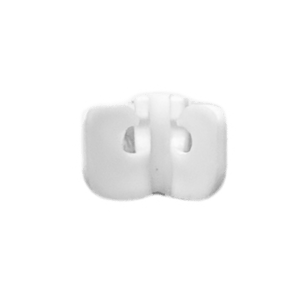
Shapeshift kit part
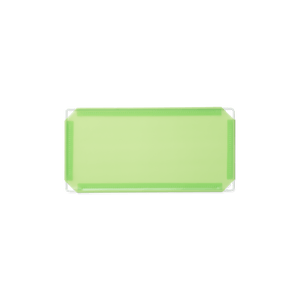
Artistbooths Bundle Component Frosted Lavender Purple (PMS 2715 C) Panel Square (35x35 cm) [8-pack]
Shapeshift kit part
B-grade artist booth panel - discounted cosmetic-second stock
Shapeshift kit part
Shapeshift kit part
Artistbooths Bundle Component Frosted Lilac Purple (PMS 263 C) BOOF Panel Triangle (35x35 cm) [2-pack]
Shapeshift kit part
Shapeshift kit part
Shapeshift kit part
Shapeshift kit part
Shapeshift kit part
Artistbooths Bundle Component Frosted Lilac Purple (PMS 263 C) BOOF Panel Half Square (35x17.5 cm) [4-pack]
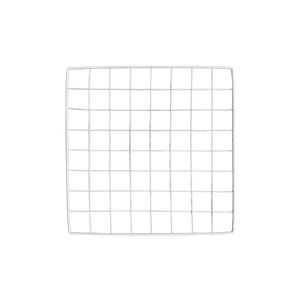
Artistbooths Single Connectors & Accessories White Square Wire Grid (35x35 cm)
Shapeshift kit part
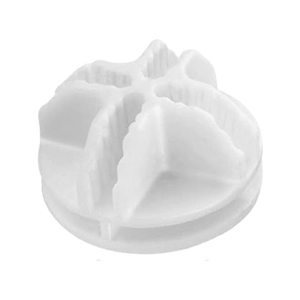
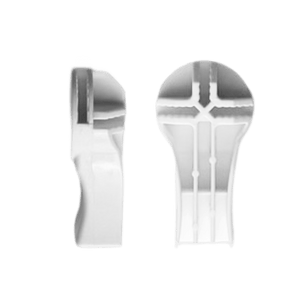
Artistbooths Single Connectors & Accessories White Edge Connector

Stand out pop ups.Shapeshifting setups.

Custom shapes and mix-and-match colours, built to sell for years.

Shop
Scroll

build a booth that builds a crowd

Little parts. Big payoff.

Why makers love our booths.

Every detail pulls its weight.

Stand out, sell out.

Be the eye-catching brand whose cohesive look draws a crowd and gets remembered.

Grow with you.

Enough parts to range products from small table to large booth.

Shape your brand.

Triangles, rectangles, hinge panels and connectors, in colours you mix yourself, for infinite display setups.

Be memorable.

Seasonal colours keep your brand unique. Frosted finish gives your art a soft spotlight.

Range & sell more.

Self-serve more customers with parts that make the most of smaller spaces.

Strong where it counts.

An iron core holds heavy stock whilst water-resistant surfaces shrug off spills and weather.

Packs light, carries safe.

Panels weigh 150g each. The double-wall carry box protects up to 30 decorated panels every trip.

Spares for years.

Every kit packs extra parts, so when you scale up or lose a piece you can keep running your vision.

Your products centre stage

Light diffusing panels.

Anti glare & bright product display

Build your modular display kit

Mix and match colours and shapes. Sized for market, convention and trade-show tables up to 6 ft / 180cm.

1. Choose kit size
2. Choose your kit colours
Only available
2aChoose your base 24 square & 22 multi-shape panel colours What colour would you like the first half of multi-shape panel colours to be?
Get a 2-colour setup by swapping 24 of 48 square panels to another colour.
Get a 2-colour setup by swapping half your panels to another colour.
2bWhat colour do you want the other 24 squares to be in this kit? What colour do you want the other half of your kit to be? Included · $0
Get a multi-colour setup by swapping 24 of 48 square panels in another colour.
Get a 2-colour setup by swapping half of square & multishape panels into another colour
3. Bundle and Save (optional)

Range more & get creative with more colours, shapes & display accessories.

15% off accessory packs when bundled with kits
Shapeshift Base Kit
46 multi-shape panels156 accessories

Shapeshift Base Kit Add-on

$559.00

Grape Purple Frosted

Square Panel [24 Pack] (35cm / 13.8in) Add-on

Square Panel [24 Pack] (35cm / 13.8in) Add-on

$450.00

Scarlet Red Frosted

Triangles Panels 4 Pack [35cm / 13.78in] Add-on

Triangles Panels 4 Pack [35cm / 13.78in] Add-on

$100.00

Terracotta Frosted

Half-Squares panels [5 Pack] [17.5x35cm / 6.89x13.78in] Add-on

Half-Squares panels [5 Pack] [17.5x35cm / 6.89x13.78in] Add-on

$100.00

Tan Brown Frosted

Self Serve Hook with wire grid T clip  8cm [10 pack] Add-on

Self Serve Hook with wire grid T clip 8cm [10 pack] Add-on

$40.00

Self serve display Grid & Intersection Hook expansion pack [12/24 Mixed pack] Add-on

Self serve display Grid & Intersection Hook expansion pack [12/24 Mixed pack] Add-on

$100.00

Multi Connector Expansion Pack - White - Bundle & Save [16/32 mixed pack] Add-on

Multi Connector Expansion Pack - White - Bundle & Save [16/32 mixed pack] Add-on

$120.00

Square Wire Grid Expansion Pack - 35cm x 35cm/13.7"x13.7" Add-on

Square Wire Grid Expansion Pack - 35cm x 35cm/13.7"x13.7" Add-on

$60.00

Hinged Square panels [5 Pack] [35cm / 13.78in] Add-on

Hinged Square panels [5 Pack] [35cm / 13.78in] Add-on

$100.00

Forest Green Frosted

Mini Rectangle Panels [5-Pack] (17cm x 35cm/6.69in x 13.78in) Add-on

Mini Rectangle Panels [5-Pack] (17cm x 35cm/6.69in x 13.78in) Add-on

$100.00

Amber Yellow Frosted

Foot Connector Expansion Pack [4 Pcs] Add-on

Foot Connector Expansion Pack [4 Pcs] Add-on

$59.00

Mixed Single & Double Wire Shelf Clip [9 pack] Add-on

Mixed Single & Double Wire Shelf Clip [9 pack] Add-on

$45.00

Booth Wheel & Wheel Connector - white - [4 pack] Add-on

Booth Wheel & Wheel Connector - white - [4 pack] Add-on

$60.00

Corner Connector Expansion Pack [8 pack] Add-on

Corner Connector Expansion Pack [8 pack] Add-on

$60.00

Edge Connector [8 pack] Add-on

Edge Connector [8 pack] Add-on

$60.00

Single Shelf Wire Clip White [5 pack] Add-on

Single Shelf Wire Clip White [5 pack] Add-on

$35.00

Double shelf wire clip white [4 pack] Add-on

Double shelf wire clip white [4 pack] Add-on

$30.00

Self serve display Grid & Fold Hook expansion pack [12/24 Mixed pack] Add-on

Self serve display Grid & Fold Hook expansion pack [12/24 Mixed pack] Add-on

$110.00

Foldable Self Serve Hook (with wire clip) - [20 pack] Add-on

Foldable Self Serve Hook (with wire clip) - [20 pack] Add-on

$80.00

White

Foldable Self Serve Hooks (with adhesive sheet) [20 pack] Add-on

Foldable Self Serve Hooks (with adhesive sheet) [20 pack] Add-on

$50.00

White

Metal mallet (with dual rubber/soft tap sides) [1 pc] Add-on

Metal mallet (with dual rubber/soft tap sides) [1 pc] Add-on

$40.00

Panel Clamp Black 3cm Mouth [4 pcs] Add-on

Panel Clamp Black 3cm Mouth [4 pcs] Add-on

$40.00

17" ITA Tote (40x35cm) Puffy Purple + Pin pad with 5 pockets Add-On

17" ITA Tote (40x35cm) Puffy Purple + Pin pad with 5 pockets Add-On

$129.00

Foldable Croc Hooks (adhesive) - 10-pack

Foldable Croc Hooks (adhesive) - 10-pack

$50.00

Black

Dual headed metal mallet (with soft tap side)

Dual headed metal mallet (with soft tap side)

$40.00

Your bundle
Free express shipping deal
Orders over $300 AUD
dhm
Free Exp. Shipping (2-7 bus.days) d h m
Your selection
American Express Apple Pay BancontactGoogle Pay Mastercard Shop Pay Union PayVisa JCBDiscoverDiners ClubMaestro
🌐 We ship globally express tracked⭐ 4.9🇦🇺 Designed in Aus
Build your own
Duo color display
Colorful display

Modular cube panels that snap together in minutes. Pick a color to start with and build & grow. for years.

Modular artist display booth at a craft market
Indoor pet playpen enclosure