Artist Back Alley Resources Blog

How To Justify A Bigger Display Budget To Yourself

You've been eyeing a proper booth setup for a while now. You keep talking yourself out of it. "My current setup still works." "Maybe next season." "I should wait until sales are better first." Sound familiar? Here's how to actually think it through instead of just stalling.Stop comparing it to one showThe math breaks if you only look at a single event. Of course a $20 wire cube looks cheaper than a proper kit when you're staring at one weekend. The real comparison is cost per show over the life of the gear. A kit built to last for years across many conventions spreads its cost thin fast, especially once you're past 15 or 20 shows on it. Do that math before you decide anything feels too expensive.Ask what your current setup is actually costing youIt's rarely just the sticker price of the cheap option. Add up replacement grids, extra totes for storage, the tablecloth you bought because the last one didn't fit right, the hour of setup time you lose every single show. A patchwork setup has hidden costs that never show up on one receipt but absolutely show up over a year.Match the size to where you're actually headedDon't buy for the table you have today if you know you're growing. If you're consistently outgrowing your space or getting bumped to bigger booth assignments, sizing up from a Core to a Shapeshift Base or Shapeshift now can save you from buying twice. If you're not sure, the Shapeshift is the most popular size for a reason, it fits the widest range of booth situations without over-committing.Remember what you're actually buyingYou're not just buying panels. You're buying a setup that reconfigures into different layouts, sets up in under 30 minutes with no tools, and packs flat so it travels light. You're buying back your setup mornings and your peace of mind mid-show. That's worth factoring in, not just the panel count.How do I know if I'm ready to upgrade?If you're doing more than a handful of shows a year, or if your current setup has already needed repairs or replacement parts, you're past the point where waiting saves you money.What if I'm not sure which kit size fits my booth?Start with your typical booth footprint and check it against the full kit lineup, from the 24-panel Core up to the 92-panel Shapeshift Max. Most vendors size up one tier from what they think they need.Is it worth it if I'm still early in my vendor journey?Honestly, that's often the best time. You avoid the trial-and-error years entirely and start every show already looking like you know what you're doing.The budget conversation with yourself gets a lot easier once you stop pricing one show and start pricing the next five years. Have a look at the modular display kit and run your own numbers before the next event sneaks up on you.

The ROI Nobody Talks About: Time Saved On Setup

Everyone talks about display ROI in terms of sales. Fair enough, sales matter. But there's a second return that almost nobody puts a number on: the hours you get back on setup and teardown, show after show, year after year. That time is worth something too, and most vendors are bleeding it without realizing.Setup time is a recurring cost, not a one-offA slow setup doesn't just cost you once. It costs you every single show you do. If a fiddly wire grid setup takes you 90 minutes and a proper kit takes under 30, that's an hour back every event. Run 20 shows a year and you've just recovered 20 hours. That's an entire extra day of your life not spent wrestling with zip ties in a loading dock.Where the wasted time actually goesIt's rarely one big delay. It's death by a hundred small ones: hunting for the right clip, realizing a panel doesn't fit the new booth shape, re-tying something that came loose in transit, discovering halfway through that you're missing a piece. None of these individually feel like a big deal. Stacked across a full event season, they add up to real, measurable hours.What fast setup actually buys youTime back at load-in means you're not rushing your table styling, not skipping breakfast, not opening late while the vendor next to you already has customers browsing. A kit that goes up in under 30 minutes with no tools means you arrive, build, and you're ready. That calm start carries into the whole day. Vendors who aren't frazzled from a stressful setup sell better, plain and simple.This is also where reconfigurability pays off in time, not just money. One kit that adapts to different booth layouts means you're not improvising a new setup every time you get assigned a corner spot instead of your usual straight run. You already know how it goes together, because it's the same system every time.How to actually value thisTake your current setup time, subtract what a modular kit would realistically take, multiply by your shows per year, and put a number on your own hourly rate. Most vendors are shocked at what that adds up to over a few years. It's a real return, even though it never shows up on a sales report.Does a modular kit really set up faster than what I'm using now?If you're currently working with wire grids, folding panels, or anything that needs zip ties or tools, yes, almost always. Our modular display kit is built specifically to go from flat-packed to fully assembled in under 30 minutes with no tools required.Does setup speed change with booth size?It scales with your kit size. From the Core up through the Shapeshift Max, the assembly logic stays the same, so bigger doesn't mean dramatically slower.Is this worth it if I only do a handful of shows a year?The time savings are smaller at low volume, sure. But the durability and no-tools setup still matter even at 4 or 5 shows a year, especially the first time you're rushed. Check the full kit lineup to find the size that matches your actual table footprint.

Why A Broken Display Costs You More Than Money

We've watched a lot of setups fail mid-show. A panel gives out an hour into doors, a grid sags and dumps prints onto the floor, a clip snaps and suddenly your whole wall is leaning on your neighbor's table. And every time, the first thing a vendor says is some version of "it's fine, it's just a panel." It's not just a panel.The moment your display breaks in front of customers, you stop being an artist and start being a stressed person duct-taping furniture. That's the real cost. Not the replacement part. The twenty minutes you spend crouched behind your table instead of talking to the person who was about to buy a print. The conversation you don't have because you're distracted watching your own booth wobble every time someone leans on it.Customers read your setup before they read your artPeople decide whether to stop at your table in about two seconds, and most of that decision is visual. A booth that looks stable and put together reads as PROFESSIONAL before anyone's seen a single piece of your work. A booth that's visibly held together with binder clips reads as risky, and people don't linger at risky. That's not fair, but it's how foot traffic works at a con.And it compounds. The vendors next to you notice too. Word gets around a small con circuit fast. Nobody wants to be the table other artists quietly avoid setting up beside because your grid keeps threatening to fall into their space.The gear you rely on isn't just storage for your art. It's the thing that lets you actually run your booth instead of babysitting it. A kit that sets up in under 30 minutes and stays solid for the whole day means you spend your energy on customers, not repairs. That's the entire point of buying something built properly the first time, like our modular display kit, instead of patching together whatever's cheapest.A broken display doesn't just cost you a part. It costs you the sale you were mid-conversation for, the reputation with the artist next to you, and the whole afternoon of energy you meant to spend selling instead of fixing. Browse the kit lineup before your next show, not after the panel that finally gives out.

Comparing The Five Year Cost Of A Wire Grid vs A Modular Kit

A $20 wire grid cube looks like the cheap option. Over five years and dozens of shows, it usually isn't. Here's what actually happens to the two paths once you zoom out past show one.1. Replacement frequencyWire grids bend. Zip ties snap mid-load-in. The powder coating chips and starts leaving rust marks on your prints. Most vendors running wire grids replace panels or whole cubes every year or two. A modular kit is built to last for years across many conventions, so the replacement cycle basically disappears.2. Transport and storage costsWire cubes are awkward. They don't stack cleanly, they eat trunk space, and half of vendors end up buying a second storage tote just for grid clips and connectors. A kit that packs flat travels light and stores in a fraction of the space, which matters more than people expect once you're doing 15+ shows a year.3. Setup time, multiplied across every showTen minutes lost fighting a sagging grid doesn't sound like much until you multiply it by 20 shows a year for five years. That's real hours gone, every single one of them unpaid and stressful, usually while a line is already forming at the next booth over.4. Damaged inventoryWire grids flex under weight. Prints slip, corners bend, and clips that loosen mid-day can drop merchandise onto a convention floor. That's stock you paid to produce, gone or damaged, and it happens more than vendors like to admit.5. The layout ceilingA wire grid is basically one shape. You can angle it, sure, but you can't reconfigure it into a corner setup, a straight run, and an endcap without buying more grids. One modular kit reconfigures into different layouts, so a bigger booth or an awkward assigned spot doesn't mean an emergency purchase the week before the show.6. Resale and upgrade valueNobody wants your bent, rusted wire cubes in year four. A well built kit holds its condition and its usefulness far longer, which matters if you ever want to resize your setup as your table grows.Add all six of these up over five years and the wire grid path usually costs more, not less. It just costs in small annoying increments that never show up on one receipt. If you want to see what the other path looks like, our modular display kit is designed exactly around fixing these six problems, and the full kit range covers everything from a small first table to a full booth build.Cheap up front and expensive over time is still expensive. Do the five year math before you buy.

The Investment Vendors Wish They'd Made In Year One

Talk to any vendor who's been doing this five years and you'll hear some version of the same story. First year, they bought whatever was cheap. Wire grid cubes from a hardware store, a folding table, some binder clips. It worked, technically. It also looked like a garage sale next to the booth beside them.One artist we talked to described her first con setup like this: three wire cube grids zip-tied together, sagging under the weight of prints, corners poking into the aisle. She sold okay. Not great. People walked past because nothing about the booth said this artist takes their work seriously. The art was good. The presentation undersold it.By year two she'd upgraded piece by piece. A better light here, a nicer tablecloth there. Still patchwork. It wasn't until year three that she finally bought one proper modular display kit and reconfigured her whole setup around it. Her words: "I wish I'd just done this in year one instead of buying five cheap things that all needed replacing anyway."The pattern is almost always the sameVendors don't usually make one bad purchase. They make several small ones, spread across a few years, because the sticker price of a proper kit feels big up front compared to a $20 wire cube. But add up what actually got spent on grids, zip ties, replacement tablecloths, transport bins that didn't quite fit the car, and it's rarely cheaper. It's just spread out and easier to ignore.A modular kit is a different kind of purchase. It's ONE thing. It reconfigures into different layouts depending on the booth size you get assigned, so you're not buying new gear every time a con hands you a corner spot instead of your usual straight run. It packs flat, it travels light, and it's built to last for years across many shows, not just the next one.What year one actually needsYou don't need to know your final table layout in year one. You don't need to have your brand fully figured out. What you DO need is something structurally sound that won't need replacing by year three, and something that sets up fast enough that you're not sweating load-in while everyone else is already open for business.Setup under 30 minutes, no tools, is the kind of detail that sounds minor until you're doing it at 7am before a show with a coffee in one hand. Vendors who buy the right kit early get years of shows out of it instead of a drawer full of retired gear.Our whole range, from the Core up to the Shapeshift Max, exists because artists kept telling us the same thing this vendor told us. They wished they'd skipped the trial-and-error phase entirely. If you're weighing that decision right now, the full kit lineup is worth a look before you spend on anything else.You can't get year one back. But you can stop wasting year two and three on gear you'll end up replacing anyway.

What To Spend On A Display When You're Just Starting Out

You just got accepted into your first show and now you are staring at a blank booth space wondering what to actually spend on a display. Too little and you look unprepared. Too much and you have overcommitted before you even know if this is your thing. Here is how to think about it.Match the spend to your commitment levelIf this is your first show ever, you do not need to buy the biggest, most decked out setup on the market. You need something clean, sturdy, and sized to your actual table. The goal at this stage is to look professional and survive the weekend without your booth falling apart, not to build the most impressive display in the room.That said, do not swing too far the other way either. A setup so cheap it needs replacing after one show costs you more in the long run than starting with something modest but durable. The sweet spot for beginners is a smaller kit that is still built to last, not a disposable one.Start small, built to growLook for a system that can start small and expand later rather than locking you into one fixed size. A modular kit built around a smaller panel count, like our Core kit at 24 panels, covers most first time single table setups without overbuying for a booth size you do not have yet. As your show schedule grows, you can size up to something like the Shapeshift kit at 70 panels, which tends to be the most popular size once vendors are doing regular shows.Do not skip durability to save money upfrontThe instinct when you are starting out is to spend as little as possible. Understandable, but resist the urge to go fully disposable. A setup that reconfigures into different layouts and holds up for years spreads its cost across every future show you do, not just your first one. Think of it as buying into your convention journey, not just your first weekend.What actually matters for a first displayFast, tool free setup matters a lot when you are new and nervous about load in. A kit that goes up in under 30 minutes means less stress on your first morning. Packing flat also matters if you are traveling to your first show, since a bulky setup adds baggage costs before you have even sold your first piece.Ready to size your first booth properly. Check out our modular display kit, or compare the full kit lineup to find the right starting size.What size kit should a first time vendor start with?A smaller kit sized to a single table, like a 24 panel Core setup, is usually plenty for a first show and keeps your spend proportional to your commitment level.Should I wait to invest until I know I'll keep doing shows?Not necessarily. A durable, modular kit is not wasted even if you only do a few shows, since it holds its resale and functional value far better than a disposable setup would.Is it okay to start cheap and upgrade later?It can work, but weigh it against the real cost of replacing a cheap setup after one or two shows. Often a modest, durable kit from the start costs less over your first year than starting cheap and upgrading mid season.

How Many Shows Until Your Display Pays For Itself

Everyone wants to know when a good display starts paying for itself. It's a fair question, and the answer is more concrete than most vendors expect once you actually break down what you are comparing it against.Payback is a comparison, not a countdownA display does not pay for itself in isolation. It pays for itself compared to what you would have spent otherwise. If your alternative is a cheap grid setup you replace every year, the comparison point is everything you would have spent on those repeat purchases, tape, zip ties, and emergency hardware runs over the same period.Once you frame it that way, the payback math is simple. Add up what you are already spending per show keeping a cheap setup alive. Compare that to spreading a durable kit's cost across the same number of shows. The point where the two lines cross is your payback point, and for most vendors doing regular shows, it comes faster than expected.What speeds up the paybackA few things shorten the timeline. Show frequency is the big one, the more shows you do, the faster the cost per show drops on a durable setup. Setup speed matters too. A kit that goes up in under 30 minutes with no tools saves you real time at every single load in, and time saved is money in a business where morning prep sells product.Packing light also counts. A kit that folds flat and travels light cuts baggage costs on every trip, which quietly adds to the payback math without ever showing up as its own line item.A rough way to think about itIf you are doing regular shows across a year, a display built to reconfigure into different layouts and hold up across 20+ events typically pays back its extra upfront cost within a handful of shows, once you count what you were already losing to repairs and replacements on a cheaper setup. Slower show schedules stretch that timeline, but the direction never changes. It always pays back eventually if you are showing regularly.Do the math for your own schedulePull up your last year of receipts. Add up display related spending outside the original purchase. Compare it to what a durable kit would have cost spread across the same shows. That is your real payback number, specific to your schedule, not a generic estimate.Curious what the payback looks like for your setup. Take a look at our modular display kit, or compare the full kit lineup to find the size that matches your show calendar.Does a slower show schedule mean it never pays off?No, it just takes longer. The math still favors durability over time, it just stretches across more months for vendors doing fewer shows per year.What is the fastest way to see payback?Vendors doing frequent back to back shows see it fastest, since the cost per show drops quickly and the time saved on fast setup adds up show after show.Should I count my time as part of the payback?Yes. Faster setup means more time for product prep and customers, which is real value even if it does not show up as a dollar figure on a receipt.

The Real Math Behind Buy Once Cry Once

Buy once, cry once. You have heard the phrase. Pay the bigger number now, feel the sting for a minute, and never think about it again. It sounds nice as a slogan, but does it actually hold up for a booth display? Let's run the real numbers instead of just repeating the phrase.What crying once actually meansThe idea is simple. Instead of spreading small painful purchases across every show for years, you take one bigger hit upfront and skip the repeated cost entirely. The pain is real either way. The question is whether you feel it once, briefly, or over and over in smaller doses that never quite go away.Most vendors underestimate how much the second option costs in total. A cheap grid cube here, a replacement panel there, an emergency tape run before a show. None of those feel big individually. Added up across two or three years, they usually beat the one time cost of a display built to last.Running the actual comparisonThink about cost per show, not cost today. A display built to reconfigure into different layouts and hold up across years of shows spreads its cost across 20+ events easily. A cheap setup that needs constant patching or replacing resets that cost every season. Once you divide both by the number of shows they actually survive, the buy once option almost always wins.It is not just about moneyThe other side of buy once cry once is what you stop paying in stress. No more wondering if a wobbly frame survives the weekend. No more scrambling for replacement parts the night before a show. Setup that takes under 30 minutes with no tools means your morning goes to prepping your table, not fighting your booth. That is a real cost too, even if it never shows up on a receipt.When buy once actually appliesThis logic only works if you are actually committed to showing regularly. If you are testing the waters with one show, a smaller commitment makes more sense. But once you know you are doing multiple shows a year, every season on a disposable setup is a season of paying the small cost over and over instead of once.If you are ready to stop crying every few months, take a look at our modular display kit, or compare the full kit lineup to find the size that fits your show schedule.Does buy once cry once apply to every vendor?It applies most clearly to anyone doing regular shows across a year. Occasional vendors doing one event might not need the full commitment yet, but should still avoid the cheapest disposable options.How do I know the bigger purchase is actually worth it?Divide the total cost by how many shows you expect to use it for. If that number beats what you are currently spending per show on repairs and replacements, it is worth it.What is the biggest mistake vendors make with this logic?Buying once but still buying cheap. Buy once cry once only works if the one purchase is actually built to last. A single expensive purchase that still fails in a year defeats the whole point.

Why Vendors Regret Buying Cheap Displays Twice

There is a very specific kind of regret that happens at your third show of the season, standing over a bent grid cube, realizing you are about to buy the exact same cheap display you bought last year. Twice. That regret is completely avoidable, and a lot of vendors learn it the hard way.The first purchase is a guess, the second one is a patternBuying cheap the first time is understandable. You are new, you do not know your show schedule yet, and you do not want to overcommit. Fair. But buying the same cheap thing again after it already failed you once is where the regret sets in, because now you know exactly what is going to happen and you did it anyway.This is usually not a lack of awareness. It is a budgeting habit. Vendors keep treating the display as a one time purchase instead of a recurring cost, so every time it breaks, it feels like a fresh emergency instead of a predictable outcome.Why the second cheap purchase hurts moreThe first time, you can tell yourself you did not know better. The second time, you knew exactly how this ends and bought it anyway because the upfront number was smaller. That is the moment most vendors finally sit down and do the actual math on cost per show, and realize the cheap option was never actually cheap.Breaking the cycleThe fix is simple but requires an upfront decision. Instead of buying something disposable twice, buy something built to reconfigure into different layouts and hold up across years of shows once. A kit that sets up in under 30 minutes with no tools and packs flat for travel removes the recurring replacement cost entirely, instead of just delaying it to next season.It also removes the emotional cost. No more digging through a bent grid at 6am wondering if it will survive one more weekend. No more last minute hardware store runs before doors open. That peace of mind is worth something too, even if it is harder to put on a spreadsheet.Buy once, actually mean itIf you have already bought a cheap display twice and are staring down a third purchase, this is the moment to break the cycle. Look at our modular display kit, or compare the full kit lineup to find a setup built to actually last through your show calendar.How do I know if I am stuck in the cheap replacement cycle?If you have bought the same type of display more than once because the last one broke or wore out, you are in it. The pattern is the tell, not any single purchase.Is it too late to switch mid season?No. Every show you delay switching is another show spent on a setup you already know will fail again. Breaking the cycle sooner just means fewer repeat purchases before you do.What should I look for to avoid buying cheap twice?Look for panels engineered to reconfigure and hold their shape over years of use, a setup that goes up in minutes without tools, and a brand that actually designs its own kits rather than reselling generic parts.

Budgeting For Your First Real Display Without Overspending

Your first real display purchase is stressful. You do not want to overspend on something you are not sure you will stick with, but you also do not want to buy cheap and end up replacing it three months in. Here is how to actually think about the number.Start with your show schedule, not your budgetMost vendors start budgeting backwards. They pick a number they are comfortable spending, then look for a display that fits it. Flip it around. Start with how many shows you realistically plan to do this year and next. That number tells you how much weight your display needs to carry, which tells you what actually makes sense to spend.If you are doing one or two shows to test the waters, you do not need the biggest kit available. If you are already committed to a real convention journey with a dozen or more shows a year, a display that only survives a few events is going to cost you more in replacements than a proper setup would have cost upfront.Size to your table, not your ambitionA common overspend mistake is buying more panels than your actual table size needs. A smaller kit built around fewer panels covers most single table setups just fine, while bigger kits make sense once you are running a double booth or building out a bigger presence. Buy for the table you have now, not the booth you dream about in two years. You can usually add on later.What not to cut corners onWhere you should NOT try to save money is on the actual structure. A wobbly frame or bent grid costs you in repairs, stress, and replacement purchases within a season. Where you CAN save is on extras like signage, lighting, or decorative add-ons, which you can build out slowly as your budget allows.Think in cost per show, not cost todayA reconfigurable kit that sets up in under 30 minutes with no tools and holds up across years of shows spreads its cost across 20+ events easily. Run that math against a bundle of cheap folding tables and grid cubes that need replacing every season, and the real budget answer becomes obvious fast.Ready to figure out the right starting size for your table. Browse our modular display kit, or compare the full kit lineup to see which size actually matches your first booth.What is the smallest kit that still looks professional?Our Core kit, built around 24 panels, covers most single table setups and gives you a clean, professional look without overbuying for a booth size you do not have yet.Should I buy the biggest kit just in case I grow?Not necessarily. Buy for your current table size. Growing into a bigger space later is a normal part of the vendor journey, and you can scale up when it actually happens rather than paying for space you are not using yet.How do I avoid overspending on my first display?Match the kit size to your actual table, skip extras you do not need on day one, and prioritize a structure that will not need replacing after a handful of shows. That is where the real savings live.

The Hidden Cost Of Replacing A Wire Grid Every Year

A wire grid cube looks harmless sitting in the corner of a craft store. Cheap, light, easy to grab on the way out. Then you get it home, use it for a season, and by the next show it is bent, sagging, or missing a zip tie holding the whole thing together. Sound familiar.The annual replacement cycle nobody budgets forWire grids are not built for repeated load in and load out. They bend under panel weight, they warp in transit, and once one panel goes, the whole wall looks uneven. So you replace it. Then next season, you replace it again. This becomes a quiet annual line item that never gets its own spot in your budget, it just gets absorbed as stuff I had to buy before the show.Add up a few years of this and you have spent more on grid replacements than you would have spent once on a display built to actually last. That is the trap. Cheap feels like saving money because each individual purchase is small. The pattern is what costs you.What replacing a grid actually costs youIt is never just the grid. It is the zip ties, the extra prints you need to re-cut to fit a slightly different bent shape, the time spent fixing it in a hotel room the night before doors open, and the stress of hoping it holds through a whole weekend of customers leaning on your table. None of that shows up on the receipt, but all of it is real cost.What replaces the grid cycle for goodA modular panel system built to reconfigure into different layouts skips this problem entirely. Instead of bent wire and sagging fabric, you get panels engineered to hold their shape across years of shows, set up in under 30 minutes with no tools, and pack flat so they travel light without adding to your baggage bill.Every show you skip a grid replacement, that is money back in your pocket, and every show your panels go up in minutes instead of fighting with warped wire, that is stress off your plate. Multiply that across a full convention journey and the difference is EVERYTHING.Do the math on your own grid habitThink back over the last two years. How many grid cubes have you bought or replaced. Add up what that actually cost, including the tape, the zip ties, and the panicked last minute purchases. Compare that total to a single kit that spreads its cost across 20+ shows instead of one bent season. The comparison usually settles the debate fast.If you are tired of buying the same wire grid twice a year, take a look at our modular display kit, or compare the full kit lineup to find the size that replaces your current setup for good.Why do wire grids bend so easily?They are designed for light home storage use, not repeated transport and the weight of hung prints or panels. Constant flexing under load is exactly what they were never built for.How long should a real display setup actually last?A well built modular kit is designed to hold up across years of regular show use, not a single season. That is the entire point of paying for engineering instead of a bargain bin cube.Is switching mid season worth the disruption?Usually yes. Every additional show on a failing grid setup is another repair cost and another stressful load in. A fast, tool free setup pays that disruption back within a show or two.

Is A Good Display Actually Worth The Upfront Cost

Every vendor hits this moment. You are staring at a bigger number than you planned to spend, wondering if a nicer display actually changes anything or if you are just talking yourself into a purchase. Fair question. Here is the honest answer.The upfront number is misleading youA bigger number on day one feels like a bigger risk. But a display is not a one time cost, it is a tool you use over and over, show after show, year after year. Judging it purely by the checkout total is like judging a car by the price tag and ignoring fuel, repairs, and how long it actually runs. Spread the same number across 20+ shows and it usually looks a lot smaller.What you are actually paying forWith a cheap setup, you are paying for something that looks fine in photos and struggles under real use. Panels that warp, grids that bend, frames that wobble by show three. With a properly built modular kit, you are paying for panels engineered to reconfigure into different layouts, a structure that holds its shape trip after trip, and a setup that takes under 30 minutes with no tools involved.That last part matters more than people expect. A fast, predictable setup means less stress at load in, more time to actually prep your table, and a booth that looks sharp before doors even open. None of that shows up on a spec sheet, but it shows up in how your show actually goes.Running the real mathInstead of asking is this expensive, ask what does this cost me per show. A setup built to last spreads its cost across years of events instead of one or two seasons. Once you run that math honestly, the upfront number stops being the scary part. The scary part becomes how much you were already spending on cheap replacements without noticing.When it is not worth it yetHonesty matters here. If you are doing one show a year to test the waters, a full investment might be premature. But if you are already committed to a real convention journey with multiple shows a year, delaying the upgrade usually costs you more in patched up gear than it saves you in the short term.What to actually look forA kit that reconfigures for different booth sizes, packs flat so it travels light, and is built by people who actually design displays rather than reselling generic parts matters here. We are the original designers behind our kits, not a dropshipped catalog, which is part of why they hold up across years of use instead of one busy season.If you are trying to decide whether the upgrade makes sense for your schedule, take a look at our modular display kit, or compare the full kit lineup to see the range of sizes available.How do I know if I am ready for the upgrade?If you are doing multiple shows a year and already spending money patching a cheap setup, you are ready. The math almost always favors the switch sooner rather than later.What if I only do a few shows a year?Even a modest show schedule benefits from a setup that reconfigures and travels light, since the savings on baggage and replacement parts alone add up faster than people expect.Does a better display actually help sales?A clean, sturdy booth builds trust with customers walking by, and a fast setup means more energy left for the actual selling part of the day. Hard to put an exact number on it, but every artist who has upgraded says the same thing.

Cost Per Show: The Number Every Vendor Should Track

Ask ten vendors what their booth fee was last weekend and they will tell you instantly. Ask them what their display costs per show and most will just stare at you. That gap is costing people real money, and nobody talks about it.Why sticker price is the wrong numberSticker price answers one question: what did I pay today. It does not answer the question that actually matters, which is what does this thing cost me every time I set it up. A display is not a single purchase, it is a tool you use dozens of times a year. Judge it the way you judge any tool you use that often, by cost per use.How to actually calculate itTake the total you spent on your display setup, including the original purchase plus every repair, replacement part, and bit of tape you have bought since. Divide that by the number of shows you have done with it. That is your cost per show. Do this for your current setup and you will probably not like the number.Now imagine a display that is built to survive 20+ shows without needing constant patching. Run the same math. The cost per show drops fast, because the denominator keeps growing while the numerator barely moves. This is the entire logic behind buying something sturdy instead of something cheap.What changes the number the mostTwo things wreck your cost per show without you noticing. First, downtime from broken parts, which forces you into last minute replacement purchases at whatever price the nearest store charges. Second, setup time. If your booth takes 90 minutes to build every single show, that is time you are not spending on product, on customers, or on sleep. It is a cost even if it never hits your card statement.A modular kit that reconfigures into different layouts and sets up in under 30 minutes with no tools attacks both problems at once. Less time fighting the setup, fewer parts that fail, and a structure built to last across years, not one busy season.Track it like you track everything elseYou already track booth fees, travel, and product cost per show. Add display cost to that list. Once you see the real number, the decision to invest in something that holds up stops being emotional and starts being obvious.Ready to see what that number looks like with a setup built for the long run. Check out our modular display kit or compare the full kit lineup to find the right size for your table.What counts as display cost, exactly?The original purchase, every replacement part, repair, storage bin, and any extra baggage fees caused by a bulky or heavy setup. Anything you spend to keep your booth standing and looking good counts.How many shows should I average this over?A full year is ideal, so seasonal patterns even out. If you are newer, even three or four shows will start to reveal the pattern of what your current setup is actually costing you.Does setup time really count as a cost?Yes. Time spent wrestling a difficult setup is time you are not using to prep your table or greet the first customers of the day, and that has a real impact on your morning sales.

Why The Cheapest Display Is Usually The Most Expensive One

A $20 wire grid cube that bends after two shows is not actually cheap. It just moved the cost to later, when you are standing in a hotel room the night before a show trying to bend it back into shape. Cheap up front and expensive over time is the oldest trap in this business.Cheap is a timing trick, not a savingsWhen something is cheap, the cost does not disappear. It gets deferred. You pay it later in replacement parts, in wasted setup time, in a booth that looks tired next to your neighbor's. Vendors who have done this for years learn to distrust the low number on day one, because it almost never tells the whole story.Think about the actual lifespan of a bargain grid cube or a flimsy pop up frame. Most don't survive a full season of load in, transport, and load out. You replace it, and now you have paid for two displays in the time a durable one would have lasted for one purchase.What durability actually buys youA well built modular kit is not just sturdier, it is designed to be reconfigured. One kit can build different layouts depending on the booth size you get assigned, which means you are not buying a second setup when a show hands you a corner space instead of your usual straight run. That flexibility alone replaces multiple cheap purchases.It also sets up fast. No tools, under 30 minutes, which matters more than people expect when you are doing back to back weekend shows and running on four hours of sleep. Time is money too, especially at 7am load in with a line already forming outside.The real comparisonStop comparing sticker prices. Compare cost per show instead. A setup that spreads its cost across 20+ events is doing something a disposable one can never do, no matter how cheap it looked in the cart. The math is not close once you actually run it.Packing matters too. A kit that folds flat travels lighter, which means less baggage cost and less risk of damage in transit compared to bulky folding frames that barely survive one flight. That is money you get back every single trip, quietly, without ever writing a check for it.If you have been buying the same cheap display twice a year, it might be time to look at our modular display kit instead, or compare the full kit lineup to see which size fits your table setup.How do I know if my current display is actually cheap or just deferred cost?Track what you spend keeping it functional over a season. If you are buying replacement parts, tape, or a whole new unit within a year, it was never cheap. It just hid the real price from you at checkout.Isn't a durable kit a bigger risk if my art business changes direction?A reconfigurable kit is actually lower risk here, because it adapts to different booth sizes and layouts as your setup evolves. A disposable display locks you into one shape and one lifespan, which is the riskier bet.What is the biggest hidden cost of a cheap display?Setup time and stress at load in. A wobbly, unpredictable setup eats into the morning you should be spending prepping product and greeting early customers, not wrestling with bent grid wire.

What A Display Actually Costs You Over A Year Of Shows

You don't spend money on a display once. You spend it every single show, whether you notice it or not. Tape, replacement grids, a bent leg here, a cracked panel there. Add it up over a year and the number is a lot bigger than the sticker price you paid back in January.The receipt you never seeMost vendors track what they spend on inventory and booth fees. Almost nobody tracks what their display costs them over a year. That's the blind spot. A cheap setup doesn't show up as one line item, it shows up as a dozen small ones scattered across twelve months. A new grid here, gaffer tape there, an Uber because the folding table didn't fit in your car.Do this exercise once. Write down every dollar you spent on your booth setup this year, not counting product. Replacement parts, extra bins, tape, zip ties, the emergency hardware store run before a show because a panel snapped. Most vendors are shocked at the total.Cost per show is the only number that mattersSticker price tells you almost nothing. What matters is cost per event. A setup that lasts one season and needs replacing costs you full price again next year. A setup built to last spreads that same cost across 20+ shows, sometimes many more. That math changes EVERYTHING once you actually run it.This is why a lot of full time artists eventually move to a modular system instead of stitching together folding tables and wire cubes. One kit that reconfigures into different layouts, sets up in under 30 minutes with no tools, and holds up across years of load in and load out. The upfront number looks bigger on day one. Divided across a year of shows, it is often cheaper than what you were already spending on patch fixes.What actually drains your budgetIt is rarely the big purchase that hurts. It is the death by a thousand cuts. A grid cube that bends under weight and gets replaced every few months. Fabric panels that sag and need re tensioning before every show. Storage bins that crack in transit. None of it feels expensive in the moment. All of it adds up to real money by December.Baggage costs count too. A display that packs flat and travels light saves you on flights and rideshares all year, not just on the display itself. That is part of the real cost of a show, and most vendors never put it in the spreadsheet.Start tracking it properlyOpen a note on your phone. Every show, log what you spent keeping your booth standing, separate from product cost. After three shows you will see the pattern. After a year you will know exactly what your display costs you, and whether it is time to stop patching and invest in something that holds its shape for years, not months.If you are ready to stop tracking repair costs and start tracking shows, take a look at our modular display kit, or compare the full kit lineup to find the size that fits your table.How do I actually calculate my cost per show?Add up everything you spend keeping your booth functional over a year, including replacement parts, tape, storage, and any extra baggage fees from a heavy or bulky setup. Divide that total by the number of shows you did. That is your real number, not the price tag from the day you bought it.Is it worth switching mid season?If your current setup is already costing you in repairs and stress at every show, waiting until next year just adds another season of patch costs. A reconfigurable kit that sets up in minutes pays you back in saved setup time immediately, on top of the long term savings.Does a better display actually make more money too?Indirectly, yes. A clean, sturdy booth that goes up fast means more energy for customers and less time wrestling with a wobbly grid before doors open. That is real, even if it is harder to put a number on than a repair bill.
60-second quizExtra 5% off

Find your ideal display kit size in 60 seconds & score extra 5% off

What are your planned setups going to be?
Half table (90cm / 3ft)
Sharing a table or just starting out
Full table (180cm / 6ft)
The standard table at most cons, markets & fairs
Double, corner or booth (360cm / 12ft)
Two tables, an L-shape, or a full corner stand
Free-standing booth (no table)
A floor-standing wall, no table needed
Select all that apply
How long do you plan to use it?
Just trying it out
1–3 times
Going to do markets more often
3–20 times/year
Multi-year use
Built to last, with room to grow
What do you display?
Small prints, cards, pins & stickers
Flat, lightweight, easy to pin
Large prints & posters
A2 and up, needs room to breathe
Large items : Apparel/bags/figures/3d merch/home goods
Heavier, bulkier pieces that need sturdy shelf framing
Jewellery, charms & keychains
Small and light, lots of little hooks
Select all that apply
How tall do you want it?
Keep it low so my table and wall stay visible
A clean, low backdrop that frames your work
Build tall framing for maximum impact
A towering wall that pulls eyes from across the hall
Which colours catch your eye?
Amber Yellow
Apricot
Avocado Green
Blue Sky
Forest Green
Fully Black
Grape Purple
Ivory White
Jade Green
Lavender Purple
Lilac Purple
Mint Green
Royal Blue
Scarlet Red
Snow White
Tan Brown
Terracotta
Watermelon Pink
Yuzu Yellow
Select all that apply
Your perfect kit and an extra 5% off are ready, pop in your email below to reveal both.
Unlock your kit & bonus 5% discount
Pop in your email and we'll reveal your extra 5% off, auto-applied at your cart.
Your result
Your perfect match
Your stall. Infinite installs.

Lightweight panels and snap on connectors shapeshift together.

Iron frame with frosted, water resistant surfaces for light & mighty structures.
Shapeshift kit part
Artistbooths Bundle Component Frosted Lavender Purple (PMS 2715 C) Panel Square (35x35 cm) [8-pack]
Shapeshift kit part
B-grade artist booth panel - discounted cosmetic-second stock
Shapeshift kit part
Shapeshift kit part
Artistbooths Bundle Component Frosted Lilac Purple (PMS 263 C) BOOF Panel Triangle (35x35 cm) [2-pack]
Shapeshift kit part
Shapeshift kit part
Shapeshift kit part
Shapeshift kit part
Shapeshift kit part
Artistbooths Bundle Component Frosted Lilac Purple (PMS 263 C) BOOF Panel Half Square (35x17.5 cm) [4-pack]
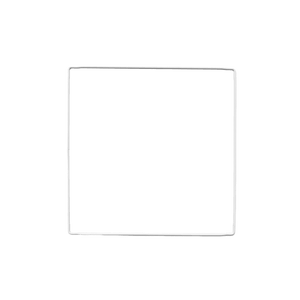
Artistbooths Single Connectors & Accessories White Square Wire Grid (35x35 cm)
Shapeshift kit part
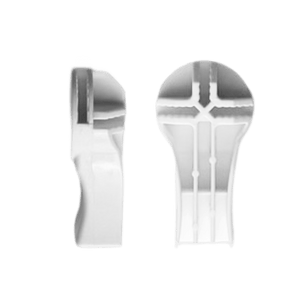
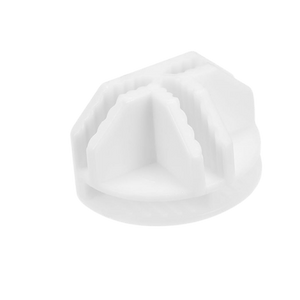
Artistbooths Single Connectors & Accessories White Edge Connector

Stand out pop ups.Shapeshifting setups.

Custom shapes and mix-and-match colours, built to sell for years.

Shop
Scroll

build a booth that builds a crowd

Little parts. Big payoff.

Why makers love our booths.

Every detail pulls its weight.

Stand out, sell out.

Be the eye-catching brand whose cohesive look draws a crowd and gets remembered.

Grow with you.

Enough parts to range products from small table to large booth.

Shape your brand.

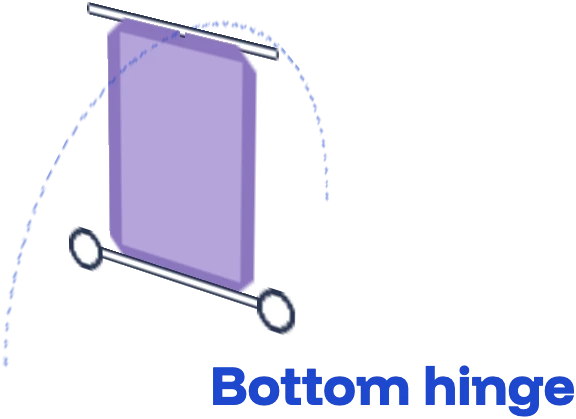
Triangles, rectangles, hinge panels and connectors, in colours you mix yourself, for infinite display setups.

Be memorable.

Seasonal colours keep your brand unique. Frosted finish gives your art a soft spotlight.

Range & sell more.

Self-serve more customers with parts that make the most of smaller spaces.

Strong where it counts.

An iron core holds heavy stock whilst water-resistant surfaces shrug off spills and weather.

Packs light, carries safe.

Panels weigh 150g each. The double-wall carry box protects up to 30 decorated panels every trip.

Spares for years.

Every kit packs extra parts, so when you scale up or lose a piece you can keep running your vision.

Your products centre stage

Light diffusing panels.

Anti glare & bright product display

Build your modular display kit

Mix and match colours and shapes. Sized for market, convention and trade-show tables up to 6 ft / 180cm.

1. Choose kit size
2. Choose your kit colours
Only available
2aChoose your base 24 square & 22 multi-shape panel colours What colour would you like the first half of multi-shape panel colours to be?
Get a 2-colour setup by swapping 24 of 48 square panels to another colour.
Get a 2-colour setup by swapping half your panels to another colour.
2bWhat colour do you want the other 24 squares to be in this kit? What colour do you want the other half of your kit to be? Included · $0
Get a multi-colour setup by swapping 24 of 48 square panels in another colour.
Get a 2-colour setup by swapping half of square & multishape panels into another colour
3. Bundle and Save (optional)

Range more & get creative with more colours, shapes & display accessories.

15% off accessory packs when bundled with kits
Shapeshift Base Kit
46 multi-shape panels156 accessories

Shapeshift Base Kit Add-on

$559.00

Grape Purple Frosted

Square Panel [24 Pack] (35cm / 13.8in) Add-on

Square Panel [24 Pack] (35cm / 13.8in) Add-on

$450.00

Scarlet Red Frosted

Triangles Panels 4 Pack [35cm / 13.78in] Add-on

Triangles Panels 4 Pack [35cm / 13.78in] Add-on

$100.00

Terracotta Frosted

Half-Squares panels [5 Pack] [17.5x35cm / 6.89x13.78in] Add-on

Half-Squares panels [5 Pack] [17.5x35cm / 6.89x13.78in] Add-on

$100.00

Tan Brown Frosted

Self Serve Hook with wire grid T clip  8cm [10 pack] Add-on

Self Serve Hook with wire grid T clip 8cm [10 pack] Add-on

$40.00

Self serve display Grid & Intersection Hook expansion pack [12/24 Mixed pack] Add-on

Self serve display Grid & Intersection Hook expansion pack [12/24 Mixed pack] Add-on

$100.00

Multi Connector Expansion Pack - White - Bundle & Save [16/32 mixed pack] Add-on

Multi Connector Expansion Pack - White - Bundle & Save [16/32 mixed pack] Add-on

$120.00

Square Wire Grid Expansion Pack - 35cm x 35cm/13.7"x13.7" Add-on

Square Wire Grid Expansion Pack - 35cm x 35cm/13.7"x13.7" Add-on

$60.00

Hinged Square panels [5 Pack] [35cm / 13.78in] Add-on

Hinged Square panels [5 Pack] [35cm / 13.78in] Add-on

$100.00

Forest Green Frosted

Mini Rectangle Panels [5-Pack] (17cm x 35cm/6.69in x 13.78in) Add-on

Mini Rectangle Panels [5-Pack] (17cm x 35cm/6.69in x 13.78in) Add-on

$100.00

Amber Yellow Frosted

Foot Connector Expansion Pack [4 Pcs] Add-on

Foot Connector Expansion Pack [4 Pcs] Add-on

$59.00

Mixed Single & Double Wire Shelf Clip [9 pack] Add-on

Mixed Single & Double Wire Shelf Clip [9 pack] Add-on

$45.00

Booth Wheel & Wheel Connector - white - [4 pack] Add-on

Booth Wheel & Wheel Connector - white - [4 pack] Add-on

$60.00

Corner Connector Expansion Pack [8 pack] Add-on

Corner Connector Expansion Pack [8 pack] Add-on

$60.00

Edge Connector [8 pack] Add-on

Edge Connector [8 pack] Add-on

$60.00

Single Shelf Wire Clip White [5 pack] Add-on

Single Shelf Wire Clip White [5 pack] Add-on

$35.00

Double shelf wire clip white [4 pack] Add-on

Double shelf wire clip white [4 pack] Add-on

$30.00

Self serve display Grid & Fold Hook expansion pack [12/24 Mixed pack] Add-on

Self serve display Grid & Fold Hook expansion pack [12/24 Mixed pack] Add-on

$110.00

Foldable Self Serve Hook (with wire clip) - [20 pack] Add-on

Foldable Self Serve Hook (with wire clip) - [20 pack] Add-on

$80.00

White

Foldable Self Serve Hooks (with adhesive sheet) [20 pack] Add-on

Foldable Self Serve Hooks (with adhesive sheet) [20 pack] Add-on

$50.00

White

Metal mallet (with dual rubber/soft tap sides) [1 pc] Add-on

Metal mallet (with dual rubber/soft tap sides) [1 pc] Add-on

$40.00

Panel Clamp Black 3cm Mouth [4 pcs] Add-on

Panel Clamp Black 3cm Mouth [4 pcs] Add-on

$40.00

17" ITA Tote (40x35cm) Puffy Purple + Pin pad with 5 pockets Add-On

17" ITA Tote (40x35cm) Puffy Purple + Pin pad with 5 pockets Add-On

$129.00

Foldable Croc Hooks (adhesive) - 10-pack

Foldable Croc Hooks (adhesive) - 10-pack

$50.00

Black

Dual headed metal mallet (with soft tap side)

Dual headed metal mallet (with soft tap side)

$40.00

Your bundle
Free express shipping deal
Orders over $300 AUD
dhm
Free Exp. Shipping (2-7 bus.days) d h m
Your selection
American Express Apple Pay BancontactGoogle Pay Mastercard Shop Pay Union PayVisa JCBDiscoverDiners ClubMaestro
🌐 We ship globally express tracked⭐ 4.9🇦🇺 Designed in Aus
Build your own
Duo color display
Colorful display

Modular cube panels that snap together in minutes. Pick a color to start with and build & grow. for years.

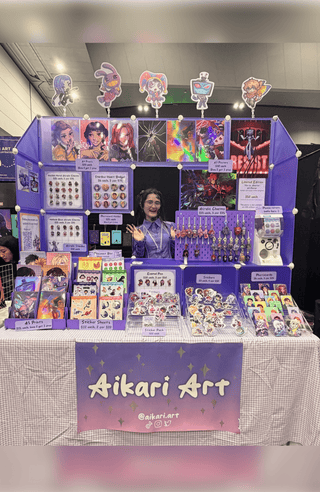
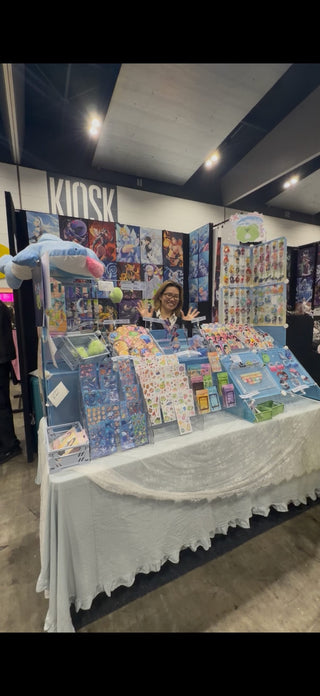
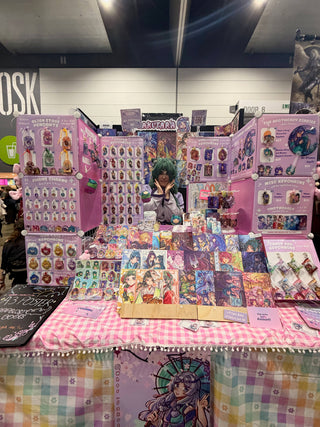
Modular artist display booth at a craft market
Indoor pet playpen enclosure