Artist Back Alley Resources Blog

Finding Your People in the Artist Alley Community

Finding Your People in the Artist Alley Community

Tabling can be a strangely lonely job for something that happens in a room full of people. You're behind your own table all day, your neighbors are busy running their own booths, and it's easy to go to show after show without actually building any real connections. That's fixable, and it's worth fixing, because the artists who find their people in this scene tend to stick with it longer and enjoy it more. Your table neighbors are the easiest starting point You'll spend six to eight hours sitting a few feet from the same person, sometimes for multiple days in a row. That's an unusually good setup for actually getting to know someone, if you take the two minutes during a lull to introduce yourself instead of just nodding hello. A lot of long-running artist friendships started as exactly this, two strangers assigned adjacent tables who ended up covering each other's bathroom breaks and then just kept talking. Group chats and cross-promotion do real work Some of the strongest artist alley communities run almost entirely through informal group chats, people sharing which shows are worth applying to, splitting a hotel room, or warning each other about an event that turned out to be poorly run. If a show you're at doesn't already have something like this, you can be the one who starts it. A simple "hey, want to swap contacts in case we're both at the same shows" goes further than it seems like it should. Ways to actually build community instead of just attending it Run a stamp rally with a few nearby vendors, sending customers between your tables Genuinely browse other booths during setup or slow hours instead of staying glued to your own table Show up to after-show meetups even when you're exhausted, they're often where the real connections happen Follow and actually engage with other vendors online, not just a follow-back and silence Online spaces extend the community between shows The friendships you make at a show don't have to end when the show does. Discord servers built around specific conventions or mediums, artist-focused subreddits, and small group chats all keep that community going in the months between events. That's often where the real advice-sharing happens, someone posting "is this contract normal" or "anyone doing this con in the spring" and getting honest answers from people who've actually been there. Being generous with what you know brings people to you Artists who freely share what they've learned, which shows are worth it, how they price things, what their booth setup cost, tend to become the person other vendors gravitate toward. It doesn't cost you anything to answer someone's question about your table setup or your printing vendor, and it's usually how the closest artist-alley friendships actually start, one small favor or shared tip at a time. You don't need a huge network, just a real one This isn't about maximizing your follower count or being everyone's friend at every show. A handful of vendors you genuinely trust, who'll watch your table, tell you the truth about your new prints, and text you about which shows are worth applying to next year, does more for your tabling life than a thousand surface-level acquaintances. Start with the person next to you at your next show. That's usually all it takes to begin. Curious what a Shapeshift kit actually looks like in person? Head to the Artist Booths homepage to see the full lineup and find the one that fits your table.
What Veteran Sellers Wish They Knew on Day One

What Veteran Sellers Wish They Knew on Day One

Ask any artist who's been tabling for five or more years what they'd tell their first-show self, and you'll get an answer fast. It's rarely about the art. It's almost always about the hundred small operational things nobody explains because everyone assumes you'll just figure them out. Here's what actually comes up, over and over, when veteran vendors talk about their own day one. You will not sell as much as you think, and that's not the point of your first show A lot of new vendors treat their first event as a referendum on whether they should keep making art. One quiet Saturday and they're ready to quit. Veteran sellers almost universally say the first show or two is about learning your own process: how you price things, how you talk to strangers, how your setup holds up for eight straight hours. The sales come later, once you've run that loop a few times and know what you're doing. Bring more small bills than feels reasonable This one comes up constantly and it's almost funny how specific it gets. Bring around $150 in small bills and coins if you're taking cash at all, because a $12 print sale against a $50 bill with no change is a sale you just lost, and it happens more than you'd expect in the first hour of a show. Vertical space matters more than table space New vendors tend to lay everything flat on the table because that's the intuitive way to display things. Veteran sellers almost always say the same thing: get your work up off the table and into vertical space. A flat table reads as "browse if you feel like it." A booth with height, framed pieces, a clear sightline from down the aisle, reads as "come look at this." It's a completely different signal to someone walking by from twenty feet away. Things that consistently come up as day-one lessons A visible price list saves you from repeating prices out loud two hundred times a day Comfortable shoes matter more than a comfortable chair, because you'll be on your feet greeting people more than you'll be sitting A printed or digital catalog of your full range isn't optional, it's how people remember what else you make after they've walked away Your neighbor vendors are allies, not competition, and the friendships you build at your first few shows will follow you for years Your setup doesn't need to be perfect, it needs to be functional A lot of first-time vendors sink real money into a booth before they know what they actually need. Veteran sellers tend to say the opposite: start functional, adjust as you learn what your specific work needs. If you're doing prints and stickers on a half table, something like the Core tier gives you a small, tidy footprint without overbuilding before you know your real display needs. Rejections are not a referendum on your work Every veteran seller has a stack of rejected applications from shows that later invited them back once their portfolio and photos improved. It stings the first time. It stings less by the fifth time, mostly because you learn that jurying is inconsistent, subjective, and sometimes just about how many booths of your medium they already accepted that cycle. The float, the tablecloth, the tape Almost every veteran has a story about forgetting something basic on an early show, the float, extra tape, a backup phone charger for card payments. It's a rite of passage. Building a simple packing checklist after your first show, and actually using it before every show after, solves this permanently and is one of the most boring but effective habits a new vendor can build. Nobody figures this out alone The through-line in almost everything veteran sellers wish they'd known sooner is that this stuff is learnable and mostly not that mysterious once someone tells you. Ask questions. Watch how the vendor next to you runs their table. Most of the community is happy to share what took them years to figure out the hard way. Curious what a Shapeshift kit actually looks like in person? Head to the Artist Booths homepage to see the full lineup and find the one that fits your table.
Building a Reputation as a Returning Vendor

Building a Reputation as a Returning Vendor

The first time you table an event, nobody knows you. That's fine, everybody starts there. But the second, third, and tenth time you show up to the same con or market, something different is happening: people remember you, or they don't, and that's mostly up to you. A reputation as a returning vendor isn't about being the loudest booth or having the biggest sales day. It's the quieter stuff that adds up over multiple events until organizers, fellow artists, and regular customers all have you filed under "reliable." Show up the same way every time Consistency reads as trustworthy in a way that novelty never quite does. If your booth looked a certain way last spring, aim to hit that same bar again this fall, even if you've tweaked a few things. Regular customers who followed you from one show to the next want to recognize your table from twenty feet away. That doesn't mean never changing your layout. It means the core of it, your signage, your general vibe, where people expect to find your bestsellers, stays legible year over year. A modular setup helps here because you can rebuild the same footprint every time without hauling around a fixed structure that only fits one table size. Be easy to work with Organizers remember the vendors who make their job harder and the ones who make it easier, and they remember both for a long time. Show up during load-in when you said you would. Follow the booth height rules without needing three reminder emails. Don't argue about your table assignment in front of a line of other vendors. None of this is exciting advice. It's also the exact reason some vendors get invited back to juried shows year after year while others with objectively stronger work get quietly passed over. Application reviewers talk to each other, and "easy to work with" is worth more than people expect. Small things that build a track record Pack up on time, even on a slow day when you're tempted to sulk and leave early Keep your booth number and business name consistent across every application Say thank you to the organizers before you leave, not just in a post-event survey If something about the show genuinely didn't work, give feedback privately and constructively Let customers find you again on purpose A first-time buyer is a nice sale. A customer who tracks you down at the next show because they wanted to see what's new is the actual goal. That means your business cards, your social handles, and your table signage need to be consistent enough that someone who liked you in March can find you again in October without effort. Some artists keep a simple mailing list signup at their table specifically for this. Others just make sure their Instagram handle is large enough to read from across the aisle. Either works, but pick one and stay consistent with it, because inconsistent branding is the fastest way to become forgettable even to people who liked your work. Your booth is part of your reputation too People associate your visual setup with your brand almost as much as your art itself. If your table looks thrown together one show and polished the next, that inconsistency undercuts the "I know exactly what I'm getting" feeling that makes people seek you out again. A setup you can rebuild reliably, in the same rough shape, at every event you do, quietly does a lot of that reputation work for you without you having to think about it. This is one of the reasons a lot of artists move toward a modular panel setup instead of building something bespoke for each venue. You're not reinventing your booth every time, you're reassembling the version of it people already recognize, whether that's a small counter setup on the Core tier or a full six-foot table build on something like the Shapeshift Base. Reputation compounds slowly, then it's just there Nobody builds a reputation from one great show. It's the accumulation of a dozen small, boring, reliable choices repeated across a year or two of tabling. Eventually you notice organizers waving you through applications faster, or a customer mentioning they've bought from you three times now. That's the payoff, and it was built entirely out of showing up the same, dependable way, over and over. Curious what a Shapeshift kit actually looks like in person? Head to the Artist Booths homepage to see the full lineup and find the one that fits your table.
Supporting Other Vendors Without Comparing Yourself to Them

Supporting Other Vendors Without Comparing Yourself to Them

You want to be a good community member. You follow other artists, comment on their posts, buy a print here and there, cheer when someone announces a big show got accepted. And somewhere in the middle of all that genuine support, a quieter, less generous thought creeps in: why is their line longer than mine.This isn't a character flaw. It's an extremely normal side effect of doing a comparison-heavy job in public, at a table, where the results are visible in real time. But it's worth learning to catch it before it curdles the support into something resentful.Notice the difference between admiration and comparisonAdmiration says "that's a great booth setup, I might steal that idea." Comparison says "their booth is better than mine and that means something bad about me." They can start from the exact same observation and go two very different directions. The tell is usually how it makes you feel afterward, energized and a little inspired, versus deflated and competitive.Someone else's good show isn't information about your showThis sounds obvious written down, but in the moment it rarely feels that way. If the artist next to you sells out of their new print and you don't sell a single one of yours, it's easy to treat that as a scoreboard. In reality you have different audiences, different price points, different mediums, different amounts of time built up in this specific market. Their good day tells you almost nothing reliable about your work or your booth.Ways to support that don't require faking enthusiasm Share their post when you actually like the work, not out of obligation. Forced support reads as forced, and genuine support is more useful to them anyway. Buy something small if you can afford it and genuinely want it. Artists buying from artists is one of the more real forms of community support in this space. Recommend their table to a customer whose taste doesn't match your own work but does match theirs. This costs you nothing and often comes back around. Ask them how a show or a technique went, and actually listen to the answer instead of half-listening while planning your own comeback story. If you're in a rough patch, it's okay to protect yourself a littleThere are seasons where you're barely holding it together financially or creatively, and being fully present for someone else's win is genuinely hard. That's fine. You don't owe anyone a performance of enthusiasm you don't have. Muting someone's feed for a while, or keeping interactions brief and polite instead of deeply engaged, isn't a betrayal of community. It's pacing yourself so you don't burn out on resentment.The artists who last tend to be generous onesA lot of the more established vendors we talk to point back at community support, real support, not performative support, as one of the reasons they're still doing this years later. Cross-promotion, referrals, and just being a decent booth neighbor build a reputation that follows you between shows in a way that's hard to quantify but very real. Comparison shrinks your world down to one table. Genuine support for other artists tends to grow it. Curious what a Shapeshift kit actually looks like in person? Head to the Artist Booths homepage to see the full lineup and find the one that fits your table.
Why Artist Alley Friendships Matter More Than You Think

Why Artist Alley Friendships Matter More Than You Think

Nobody warns you that the best part of doing artist alley might end up being the person at the table next to you. You go in thinking about sales and inventory and whether your banner looks professional enough, and you come out with a group chat full of people who understand exactly why you're exhausted in a way your non-vendor friends never quite will.Your booth neighbor is not your competitionIt's an easy trap to fall into, especially early on, treating everyone around you as competition for the same wallets. In practice it almost never works that way. Someone browsing artist alley isn't choosing between you and your neighbor like it's a fight, they're often buying from both of you plus three other tables down the row. Alley shoppers tend to budget for the whole event, not one purchase.Once that clicks, the neighbor next to you stops being a threat and starts being one of the most useful people in the building. They'll watch your table when you need the bathroom. They'll tell you which nearby food stall is actually fast. They notice if a customer is trying to walk off with something.The practical stuff friendships solve Someone to split a hotel room or a drive with, which quietly makes more shows financially possible. A person to do stamp rallies or cross-promotions with, sending customers back and forth between your tables. Real-time information: which shows are worth applying to, which ones had a rough year, which organizers are good to work with and which aren't. Emotional ballast on a slow day. A bad sales day feels a lot less bad when the person next to you says theirs is bad too and you can laugh about it instead of spiraling alone. These friendships mostly happen in the dead hoursNobody bonds with their booth neighbor during a rush. It's the slow Sunday afternoon, the last hour before load-out, the setup morning when you're both waiting for doors to open, that's when actual conversations happen. Don't rush past those moments assuming you should be doing something more "productive." Chatting with your neighbor during a lull is productive, just not in a way that shows up on a sales report.It gets easier to make these friendships over timeYour first few shows can feel isolating if you don't know anyone yet, and that's normal. It takes doing the same regional shows a few times before you start recognizing faces. Once you do, the whole experience changes. Shows you used to dread because they felt lonely start feeling more like a reunion. If you're new to this, it's worth intentionally showing up a bit early or staying a bit later specifically to talk to people, not just to sell.Community over comparisonThe artists who seem to enjoy this work for the long haul, not just tolerate it, are almost always the ones with a real network of alley friends. It's not a nice-to-have on top of the business side. For a lot of full-time vendors, it's the thing that makes an exhausting, unpredictable way to make a living actually sustainable. Invest in it the same way you'd invest in your display or your print quality. It pays off just as directly, even if it doesn't show up on a spreadsheet. Curious what a Shapeshift kit actually looks like in person? Head to the Artist Booths homepage to see the full lineup and find the one that fits your table.
Table Sharing During Peak Con Season

Table Sharing During Peak Con Season

Peak season is brutal on the wallet. Table fees stack up, travel costs stack up, and suddenly the math on doing five shows in six weeks stops working. Table sharing is how a lot of artists make peak season possible at all, splitting a booth with a friend instead of eating the full cost solo. Done right it's great. Done without a plan, it's the fastest way to end a con still friends but never wanting to share a table again.Sort out the money before the show, not duringSplit the table fee however feels fair, usually 50/50, but say it out loud and maybe even put it in a text thread so nobody's guessing later. Same with travel and accommodation if you're driving in together. The awkward conversation about money is a five-minute chat before the con. Having it during load-out because someone assumed the other person was covering parking is a much worse conversation.Splitting the physical space fairlyThis is where most of the friction actually happens. A 6ft table split evenly sounds simple until one person's product needs way more vertical space than the other's. Prints and framed pieces eat height, stickers and pins eat surface area. Talk through what each of you is bringing before the show so you're not negotiating shelf space in front of customers on day one. Divide the table physically, left half and right half, so customers can tell whose stuff is whose without asking. Agree on how signage works. Two names on one banner, or two separate small signs, decided ahead of time looks intentional instead of thrown together. If you're using a modular display, plan the panel layout together so it doesn't end up lopsided, one person's grid sprawling into the other's space by accident. Sales, tracking, and not losing your mind at 6pmUse separate payment setups if you can, your own card reader logged into your own account, so nobody's doing complicated math splitting a shared till at the end of each day. If you do share a cash box, track sales by item as you go, not from memory at 6pm when you're exhausted and the numbers don't add up. A simple tally sheet taped to the table edge works better than either of you trusting your brain after eight hours on your feet.Who handles the booth when someone needs a breakOne underrated perk of sharing: bathroom breaks and lunch stop being a logistics problem. But it only works if you both actually know each other's prices and basic product info well enough to answer a question when the other person steps away. Spend ten minutes before doors open walking each other through what's what.Quick table-share agreement checklist Decide before the show How the table fee splits How travel/accommodation splits, if shared Left half vs right half, or another physical split Signage: joint banner or two separate signs Payment: separate readers or one shared till with tracking Who can speak to whose products during a break Pick the right person to share withTable sharing works best with someone whose work doesn't directly compete with yours and whose booth energy matches yours, if you're loud and chatty and they're quiet and heads-down, that's fine too as long as you both know it going in. A lot of the artists we talk to say their table-share partner from one con season becomes a semi-permanent teammate for years after. It's worth taking seriously enough to get the logistics right the first time. Curious what a Shapeshift kit actually looks like in person? Head to the Artist Booths homepage to see the full lineup and find the one that fits your table.
Solo vendor safety tips for late load-in and load-out

Solo vendor safety tips for late load-in and load-out

Tabling solo is completely normal, plenty of us do it, but load-in and load-out are the two moments in the whole weekend where being alone actually matters. You're carrying cash and stock, often through a parking garage or loading dock, sometimes well before sunrise or after everyone else has already left. It's worth a few minutes of actual planning instead of winging it.Before you even get thereKnow your load-in and load-out windows before show day, not when you arrive. A lot of venues have specific docks, elevators, or hours for vendors, and showing up outside them means navigating a half-lit, mostly empty building by yourself. If the show gives you a choice of time slots, an earlier load-in and a slightly earlier load-out, before the venue empties out completely, is usually the safer pick over being one of the last people dragging boxes to your car at 11pm.Tell someone your actual schedule. Not a vague "I'll be done sometime tonight," but roughly when you expect to load out and when you expect to be home. A text that says "loading out around 9, will message when I'm in the car" costs nothing and means someone notices if you go quiet.Practical things that help Park as close to the load-in door as the venue allows, even if it costs a bit more. Walk your route from car to booth in daylight if you can, so you're not discovering a sketchy stairwell for the first time at night. Keep your phone charged specifically for this window, not drained from a day of using it as a card reader and camera all show. Carry cash and cards on your body rather than in a bag you might set down. Have your car keys out and ready before you're walking through an empty lot with your arms full. Packing gear that doesn't fight youThe biggest safety risk in load-out isn't usually a person, it's you overloading yourself with an awkward stack of boxes because you don't want to make two trips, then tripping on a curb you didn't see. A display that packs down flat and light changes this more than people expect. Our panel kits fold into a single carry case, so a full booth setup is one or two manageable trips instead of wrestling a bulky folding frame and a separate bag of poles across a dark parking lot.A rolling cart is worth the trunk space it takes up. Even a cheap folding one turns a four-trip load-out into one trip, which matters a lot more at 11pm than it does at 9am.If something feels offTrust it. Convention security or venue staff are usually still around during official load-out hours, and it's completely reasonable to ask someone to walk with you to your car, especially if you're carrying a cash box. Most staff have heard the request before and won't think it's strange. If a hallway or garage level feels too quiet or too dark, backtrack and take a different route even if it's longer. Don't be talked into propping a security door open for convenience during off-hours. Keep a portable charger just for your phone's last-resort battery, separate from the one you used all day for payments. The unglamorous truthMost load-ins and load-outs are completely uneventful. This isn't about being scared of conventions, it's about the same commonsense planning you'd use walking to your car after a late shift anywhere. A little bit of route-planning and one text message to a friend covers most of the risk, and it means you can actually focus on packing up instead of half-worrying about the walk to the car. Curious what a Shapeshift kit actually looks like in person? Head to the Artist Booths homepage to see the full lineup and find the one that fits your table.
Sharing a Table Without Driving Each Other Crazy

Sharing a Table Without Driving Each Other Crazy

Splitting a table with another artist can be the difference between affording a con and sitting it out, and it can also turn into the reason you don't want to table with that friend ever again. The good ones become long-term tabling partners you look forward to seeing at every show. The rough ones teach you exactly what to nail down before you agree to share space next time. Space gets tense before anything else does The single biggest source of friction is unclear about whose stuff goes where. It sounds minor until you're both reaching for the same six inches of table at once, or one person's inventory has quietly crept across the invisible middle line by hour three. Decide the split before setup day, not during it. Down-the-middle even splits are simplest, but if one of you has a much bigger product line (prints versus small charms, say), it's fair to weight the space toward whoever needs more surface area, as long as you both actually agree to that ahead of time instead of one person just taking it. This is a lot easier with a modular panel setup, since you can physically section off each person's display zone with the panels themselves rather than negotiating table inches with tape lines. A Shapeshift Base kit gives you enough vertical panels to build two distinct display zones on one 6ft table, so it's visually obvious where one person's stuff ends and the other's begins, which heads off a lot of the "whose space is this" tension before it starts. Money needs a system before day one, not after Sharing a table almost always means sharing a table fee, and sometimes a card reader too. Figure out the split (even, or proportional to space used) and how you're tracking individual sales before the show, not while you're both tired and trying to remember who sold what at the end of a long day. A simple shared note or spreadsheet where you both log sales as they happen beats trying to reconstruct it from memory at 9pm. Decide table fee and any shared costs (signage, tablecloth) split before booking. Agree on a sales tracking method, logged in real time, not reconstructed later. Settle how a shared card reader's fees get divided, if you're using one. Talk about who's covering breaks and how, so neither of you is stuck solo during a rush. Different working styles will surface, plan for it One of you might want to chat with every single person who walks by. The other might prefer working quietly and only engaging when someone stops. Neither is wrong, but if you don't talk about it beforehand, the quieter one can end up feeling like they're "not doing enough" or the chattier one can feel like they're carrying the whole table's social load. Naming this out loud before the show, even just "hey, I tend to go quiet when I'm tired, that's not me being upset," saves a lot of misread tension mid-day. Breaks are where good table-sharing actually shows The whole point of splitting a table is that you can cover each other, so use it. Agree on a rough system: whoever needs a break just says so, the other covers, no guilt, no keeping score down to the minute. The pairs who table together for years tend to be the ones who treat coverage as automatic rather than something owed back and forth like a ledger. Before you agree to share a table Talk about Why Space split Prevents creeping inventory and elbow tension Money and fees Avoids awkward math at the end of a long day Working style Stops quiet vs. chatty from reading as a problem Break coverage Makes the whole arrangement actually worth it Table-sharing done well is one of the best parts of this whole circuit, you get company, split costs, and someone to watch your inventory when you need to pee. Done without a conversation first, it's just two people quietly annoyed at each other by 2pm. The fix is mostly just talking about the boring logistics out loud before setup day, which takes twenty minutes and saves the whole weekend. Curious what a Shapeshift kit actually looks like in person? Head to the Artist Booths homepage to see the full lineup and find the one that fits your table.
Collabing With Your Booth Neighbour for Cross-Promotion

Collabing With Your Booth Neighbour for Cross-Promotion

You'll spend eight or more hours a day for an entire con weekend sitting a foot away from the same person. That's either going to be awkward silence broken up by bathroom-break table-sitting, or it's going to be one of the more useful business relationships you build all year. The difference is whether you actually talk to your neighbour before the doors open. Start with the practical stuff, the friendship follows Introduce yourself when you're setting up, not at hour six when you finally run out of things to do. Ask if they want a hand with anything heavy, offer to watch their table while they grab food, and mention you'll do the same for them. This isn't networking in the LinkedIn sense. It's just being a decent table neighbour, and it happens to also be how cross-promotion relationships start. Once there's a baseline of "we're friendly," the promotion stuff comes up naturally. You don't need to pitch a formal collab on day one. Easy ways to cross-promote without a big plan Point customers toward each other when your styles are different but compatible ("if you like this, check out my neighbour's prints") Tag each other in your con recap posts afterward Share table space for a shared sign pointing customers between you both Split the cost of something you'd both benefit from, like a shared banner stand or extra lighting A stamp rally is the more structured version of this If you and a few nearby vendors want to go further than casual shoutouts, a stamp rally is basically cross-promotion with rules. Customers collect a stamp from each participating table and get a small reward, like a mini print or sticker, once they've hit every table on the card. It gets people who found you first to physically walk to booths they might've skipped, and it gets you the same traffic back from the vendors on the rally. These take a bit of coordinating ahead of the con, usually a shared doc for who's opting in and printed cards or stamps, but they're one of the more reliable ways alley vendors drive traffic to each other without it costing anyone money. Know when not to cross-promote If a neighbour makes something extremely similar to what you make, pushing customers their way just means fewer sales for you both fighting over the same dollar. Cross-promotion works best between vendors who are adjacent but different, like a sticker artist next to a print artist, or a jewelry maker next to a plushie seller. Same audience, different product, is the sweet spot. Good cross-promotion pairing vs. a bad one Good pairing Riskier pairing Sticker artist + print artist Two artists selling near-identical prints Jewelry maker + plushie seller Two vendors both heavy on the exact same fandom art Different art styles, same fandom Same style, same price point, same product None of this needs a contract or a formal agreement. It's mostly just being generous with your attention toward the person next to you, because a good table neighbour relationship tends to outlast any single con. Some of the best cross-promotion partnerships started as two tired vendors trading snacks on a slow Sunday afternoon. Curious what a Shapeshift kit actually looks like in person? Head to the Artist Booths homepage to see the full lineup and find the one that fits your table.
What Makes People Stop at a Booth in a Crowded Hall

What Makes People Stop at a Booth in a Crowded Hall

Walk down any packed artist alley aisle and watch people's eyes instead of their feet. Most tables get about half a second of glance before someone's attention slides to the next one. The booths that actually stop foot traffic aren't necessarily the ones with the best art. They're the ones that give a wandering eye something to land on immediately, from far enough away that a decision gets made before the person's even close. Height does more work than you'd think A table with everything laid flat reads as one flat plane from ten feet away, and a flat plane is easy to skip past. The moment you add vertical height, even just risers or a couple of panels standing up behind your flat stock, you break that plane and give people's eyes a reason to stop scanning and focus. This is one of those things that shows up in almost every "what actually works" video from alley veterans: get your best pieces off the table and up into eye line. You don't need a huge structure to do this. A few tiered risers plus one focal piece at eye height covers most of the benefit. The goal is a silhouette that looks different from the ten tables next to you, not a towering display that takes an hour to build every morning. What makes someone actually slow their walk One clear focal piece, big enough to read from six feet away, not a wall of equally-sized prints A colour block or banner that contrasts with the tables on either side of you Visible motion, like a small fan flipping print pages or a video loop on a propped-up tablet A sign that says what you make in about three words, readable while walking past Clutter is the enemy of the stop It's tempting to bring every product you've ever made and cram it all within reach, but a table that's visually loud in the wrong way just reads as noise. People's brains process a tidy table faster than a busy one, and a faster read means a higher chance they actually register what you sell before they've walked past. Group similar products together and leave a little breathing room between sections instead of wall-to-wall stock. Layout habits that consistently pull people in Habit Why it works Vertical display behind flat stock Breaks the flat-table silhouette from a distance One oversized focal print Gives wandering eyes a single thing to land on Colour-blocked backdrop Creates contrast against neighbouring tables Clear category grouping Lets people self-sort into what they came for Negative space, not wall-to-wall stock Reads as intentional instead of cluttered If you're planning a new setup from scratch, this is really where a two-tone kit earns its keep. Something like the Shapeshift Duo tier gives you 70 panels across two mixed colours, so the backdrop itself does the contrast work instead of needing a separate banner or lighting rig, and you've still got the height range to build risers behind your table without a custom frame build. None of this needs to be permanent or expensive to test. Swap one thing between cons, height, colour, or grouping, and pay attention to whether people's pace actually changes as they pass. That's a better signal than sales alone, because it tells you whether you're winning the half-second glance before anyone's even decided to look at your prices. Curious what a Shapeshift kit actually looks like in person? Head to the Artist Booths homepage to see the full lineup and find the one that fits your table.
QR Codes, Business Cards and Getting People to Actually Follow You

QR Codes, Business Cards and Getting People to Actually Follow You

You hand someone a business card, they smile, say "this is so cute," and you never hear from them again. That's not a you problem. That's just what business cards do. The follow rate on a printed card sitting in someone's bag next to a con badge and three flyers is close to zero, and it's not because your card design was bad. The honest fix isn't a better card. It's making the "follow me" moment happen while they're standing at your table, not four hours later when they're home unpacking a tote bag full of stuff they bought on autopilot. QR codes only work if they save someone a step A QR code that links to your Instagram profile is fine. A QR code that links to a specific "new here, here's what I make" landing page or a discount code for their next order does better, because it gives them a reason to tap through right now instead of "later." Later doesn't exist. You know this from your own phone. Print the QR code big enough to scan without someone hunching over your table awkwardly, and test it yourself on your own phone before the con, not after. A code that's too small, too glossy, or printed at a weird angle on a laminated sign is a code nobody scans. Where to actually put it On the receipt or thank-you card that goes in every bag, not just the ones people ask for Taped to the card reader or cash box, right where people are already looking while they pay On a small standing sign at eye level, not flat on the table where it competes with your art Business cards still matter, just not as a follow mechanism Think of the card as a receipt for "I liked this person's stuff," not a marketing tool. People keep cards for booths they want to remember, and having something physical in hand makes your table more memorable when they're comparing notes with a friend later that day. That's the job it's actually good at. Don't ask it to also convert someone into a follower. The follow that happens at your table beats the one that doesn't If you have a slow moment and someone's genuinely chatting with you, just ask. "I post process videos on Instagram if you want to see how these are made," said once, casually, works better than any sign. A lot of alley veterans say the in-person ask converts way higher than anything printed, because it's a real interaction instead of one more piece of paper in the pile. Some vendors run a tablet or phone at the table set to their Instagram, already logged out, so people can follow on the spot without using their own data or opening an app they don't have installed. It's a small friction removal that adds up over a full con weekend. A quick checklist for the table Touchpoint What it should do QR code on receipt Link to a specific offer or "new follower" page, not just your homepage Business card Look good, be memorable, don't overthink the CTA on it In-person ask One casual sentence during a slow moment, not a script Table sign Big enough to scan from a normal standing distance None of this needs to be fancy. A tidy, well-lit table with clear signage does more for follow-through than a perfectly worded QR code ever will, because people remember booths that felt put-together. If you're building out a display where signage actually has a clean spot to live instead of getting taped on wherever there's room, that's really a layout question more than a marketing one, worth its own separate rabbit hole. The real lesson: don't measure success by how many cards you handed out. Measure it by how many people scanned something or said yes to a follow while they were still standing in front of you. Everything after that is a coin flip. Curious what a Shapeshift kit actually looks like in person? Head to the Artist Booths homepage to see the full lineup and find the one that fits your table.
Split Tables and Shared Costs: Doing the Maths Fairly

Split Tables and Shared Costs: Doing the Maths Fairly

Splitting a table sounds simple until the show's over and you're both staring at a pile of cash trying to remember whose sale was whose. Table-sharing is one of the best ways to get into pricier shows when you're not ready to cover a full table alone, but the friendship-ending potential is real if the money side isn't sorted before you even apply. Why people split tables in the first place A half table at a mid-size con might run $200, which is a lot easier to justify at $100 each than $200 solo, especially if neither of you is sure the show will sell well yet. Splitting also means you're not alone for 8 hours a day, someone can grab food or hit the bathroom while the other watches the table, and you get a second brain for pricing and crowd-reading decisions. The fair way to split the fee Even-split (50/50) works fine when you're using roughly equal space and both attending every day. It gets murkier fast when it's not equal, and there are a few common situations worth planning for before they happen: Unequal space: if one of you has twice the display real estate, split by space, not headcount. A 60/40 fee split for a 60/40 space split is fairer than insisting on even shares. One person attends fewer days: pro-rate by day. If it's a 3-day con and one of you can only make 2 days, that person pays roughly two-thirds of their half, not the full half. One of you brings the display, the other doesn't: this is worth a small discount to whoever's hauling and setting up the gear, even just $20 to $30 off their share, because setup and pack-down time and the wear on their equipment is a real cost the other person isn't carrying. Sales: separate registers beat splitting revenue The single biggest source of table-share conflict is trying to pool and split total sales. Don't do it, even between close friends. Keep separate cash boxes, separate card readers if you can swing it, and separate signage on pricing so customers know whose item they're buying. If a shared card reader is unavoidable, track every sale in a shared note or spreadsheet in real time, item, price, whose it was, the moment it happens, not from memory at 6pm. A simple pre-show agreement checklist Item to agree on Decide before the show Fee split ratio Yes, in writing or a shared note Space allocation Yes, ideally marked with tape on the table itself Sales tracking method Yes, separate registers or a live shared sheet Who handles setup/pack-down Yes, and whether that earns a fee discount What happens if one person cancels last minute Yes, decide the refund/cover terms upfront Displays are the other half of this Fair space allocation is hard to enforce if your display gear doesn't actually divide cleanly. Two people bringing two separate grid walls and hoping they fit together often eats more table space than it should, and one person's setup inevitably creeps into the other's half by hour three. If you're splitting regularly with the same person, it's worth building toward shared modular gear you both know the footprint of. A Shapeshift Base kit covers a full 180cm table on its own, so two vendors can agree on an exact panel split (say, 24 panels each) before the show and know precisely how much vertical space each person actually gets, instead of eyeballing it with tape on show morning. Splitting a table is genuinely one of the smartest moves for a newer vendor. Just treat the money and space agreement as seriously as the application itself, because that's the part that actually determines whether you'll want to split with this person again. Curious what a Shapeshift kit actually looks like in person? Head to the Artist Booths homepage to see the full lineup and find the one that fits your table.
Setting Up Solo for the First Time: A Step-by-Step Walkthrough

Setting Up Solo for the First Time: A Step-by-Step Walkthrough

Setting up your booth alone for the first time is intimidating mostly because you don't know what order to do things in yet. Once you've done it once, it clicks. Here's the order that avoids the most common solo setup headaches. Before you even unload: check in and find your table Confirm badge pickup and find your assigned table number before you start hauling gear. Convention floors are disorienting when they're still half-lit and half-set-up, and wandering around with a loaded cart looking for table 214 wastes time you don't get back. Step 1: clear and measure your space Before anything goes down, confirm the table's actual dimensions match what you were told. Vendor packets are sometimes wrong, or you got moved to a different table size than you planned around. Better to know now than after you've already built a display sized for the wrong table. Step 2: build your vertical structure first Do this before anything else touches the table. Your backdrop or grid wall is the piece most likely to need adjusting, a leg that needs re-seating, a panel that's slightly misaligned, and it's much easier to fix when the table underneath it is still empty. If you're using a panel-based system, this is also the step where practicing at home pays off most. Something like the Shapeshift Duo kit locks together without tools, but knowing the sequence from muscle memory (which panels connect where) turns a 25-minute nervous fumble into a genuinely quick build. Step 3: lay your tablecloth and confirm coverage Drape it so it reaches the floor on all visible sides. Tuck or clip the back if it's against a curtain or wall, since you don't want it sliding off mid-day when your table gets bumped. Step 4: place large product first, small product last Set your bigger pieces, prints, larger merch, framed work, before the small stuff. It's much easier to arrange stickers and pins around an already-placed print than to build the small stuff first and then realize your big pieces don't fit where you planned. Work from the back of the table toward the front, so you're not reaching over things you've already arranged. Step 5: signage and pricing, last Signs and price tags go on last because they're the things most likely to get knocked around while you're still shifting product into place. Put your main sign where it's visible from down the aisle in both directions, not just facing straight on. Make sure prices are visible without anyone needing to pick an item up. Step 6: set up your money station Cash box, float counted and ready, card reader powered on and tested with a dummy swipe if your processor allows it. Keep this at one consistent spot on your table so you're not hunting for the reader mid-transaction while a customer waits. Step 7: step back and look from the aisle Walk out into the aisle and actually look at your table the way a passerby would. This is the step solo vendors skip most, since it's easy to only ever see your booth from behind the table. Check that your best pieces are at eye level, your sign is readable from six feet away, and nothing critical is hidden behind something taller. A rough timeline for one person Step Approx. time Structure build 10-15 min Tablecloth + large product 10 min Small product + signage 10-15 min Money station + final check 5 min That's roughly 35 to 45 minutes for a full solo setup once you've practiced it at home. Your first real one will likely run longer, which is exactly why the practice run and the earlier-than-you-think load-in time both matter so much. Give yourself the room to be slow today. You'll be fast by your third show. Curious what a Shapeshift kit actually looks like in person? Head to the Artist Booths homepage to see the full lineup and find the one that fits your table.
First-Time Vendor Nerves: What's Normal and What's Not

First-Time Vendor Nerves: What's Normal and What's Not

You applied months ago, got in, and now the show is close enough that you're lying awake running through worst-case scenarios. That's normal. Almost every vendor goes through some version of this before their first table. The trick is knowing which nerves are just nerves and which ones are your gut telling you something you should actually fix. Normal: worrying nobody will stop at your table This is probably the single most common fear, and it happens to people who go on to have great shows. You can't know in advance how a room full of strangers will react to your work. Sitting with that uncertainty is uncomfortable, but it's not a sign anything is wrong. The mindset that helps most: apply, prep as well as you can, and face the actual nerves on the day instead of trying to talk yourself out of them beforehand. Normal: feeling like your prices are wrong Too high, too low, you'll probably flip-flop between both fears in the same week. This is common enough that it's almost a rite of passage. Look at what comparable artists charge for comparable work and comparable materials, set your prices, and hold them. You can always adjust for next show. You don't have to get it perfect on the first try. Normal: dreading the setup process If you've never physically built your booth before show day, of course it feels intimidating. Do a full practice run at home first, actual table, actual display, actual timer running, before you're doing it for real in a loading zone with people waiting behind you. Most "I'm going to mess up setup" anxiety evaporates the second you've done it once in your living room. Normal: worrying you'll freeze up talking to customers Plenty of artists are more comfortable drawing than making small talk with strangers for eight hours straight. You don't need to be a natural extrovert to sell well. A simple "hey, thanks for stopping by" and answering questions honestly gets you further than a rehearsed sales pitch ever will. It gets easier by your third or fourth conversation of the day, every time. Worth listening to: a nagging feeling your display isn't ready If part of you keeps thinking "this tri-fold board is going to fall over" or "I don't actually know how this shelf attaches," that's not generic nerves, that's useful information. Fix it now, not at 7am on show day. Test your full setup at home under time pressure before you're relying on it in public. Worth listening to: dreading a specific logistical gap If you catch yourself thinking "I still don't know how I'm getting all this to the venue" or "I haven't figured out change for cash sales," that's a real gap, not anxiety. Nerves are diffuse and hard to pin down. A real problem is specific and has an actual fix. If you can name exactly what's bothering you and there's a concrete action that resolves it, do the action instead of just sitting with the worry. Not normal, and worth pausing on: dread that doesn't lift once you're prepared Some pre-show nerves are supposed to fade once you've done the prep work, practiced setup, sorted your float, packed your car the night before. If you've done all of that and you still feel a heavy, specific dread rather than ordinary jitters, it's worth being honest with yourself about whether something bigger is going on, whether that's burnout, an event that genuinely isn't a good fit, or something outside of vending entirely. Tabling is supposed to be hard sometimes. It's not supposed to feel like dread that nothing touches. The nerves mostly mean you care Nearly everyone who's tabled a hundred shows still gets a version of first-show nerves before a new event, a bigger show, or a booth layout they haven't tried before. That doesn't go away entirely, and honestly, it shouldn't. It just gets more familiar, and you get faster at telling which version of it needs action and which one just needs you to show up anyway. Curious what a Shapeshift kit actually looks like in person? Head to the Artist Booths homepage to see the full lineup and find the one that fits your table.
Building height without blocking your neighbour's booth

Building height without blocking your neighbour's booth

Going vertical is good advice right up until your backdrop casts a shadow over the table next to you, or you get a polite (or not so polite) tap on the shoulder from event staff about sightlines. Height sells, but it's shared space, and the vendors who get invited back are the ones who build tall without becoming the reason someone else's booth disappears.Know the actual rule before you buildMost conventions cap booth height around 175cm (about 5 panels stacked), but this varies by event and by whether you're an end cap, a middle table, or an actual booth space rather than a table. Always check your specific event's vendor rules before you plan your build, not after you've already packed panels for a 250cm wall. Rules also usually differ for the back of your space versus the sides, back walls can often go taller than what's allowed near your neighbours.Where height actually causes problemsThe issue is almost never height in isolation, it's height at the edges of your space. A tall panel wall dead center at your back is rarely a problem. The same height right at the boundary line with the table next to you blocks their sightline to passing traffic and can shade their table under venue lighting. Taper your build, tall in the middle or back, lower toward the edges shared with a neighbour. Keep your tallest sections toward the center or your own back wall, not the shared edges Step your height down gradually near a neighbour rather than a hard vertical wall right at the line Check whether your event treats corner/end spaces differently, they often allow more height since there's no neighbour on that side Modular height is the actual advantage hereThe benefit of a panel-based build over a fixed banner stand is that height isn't a single fixed choice, you can build differently on different sides of your own booth. Go tall at the back, step down toward each side, and adjust between shows as you learn a specific venue's actual enforcement (some are stricter than others, even within the same event's own printed rules).Kits built for this kind of tiered building, like the Shapeshift Duo Max with its 105-350cm build range, let you go full height where you have the room and taper down without needing a second, shorter kit for the parts of your booth that need to stay low.Talk to your neighbour before doors openThis sounds obvious but it gets skipped constantly. A two-minute conversation on setup morning, "hey, is my wall going to block your side at all," solves problems that otherwise turn into a whole show of side-eye or an actual complaint to organizers. Most vendors are reasonable about this if you ask first instead of building tall and hoping nobody minds.Building tall responsibly, at a glance Zone Height approach Your own back wall Build to your event's max allowed height Center of your space Tall is generally fine, furthest from neighbours Shared side edges Taper down, avoid a hard wall right at the boundary Corner/end spaces Often allowed taller, confirm with event rules Height is one of the best tools you have for getting noticed, but it only works in your favour if the booth next to you can still be seen too. Build tall in the middle, taper at the edges, and check the rulebook before you check your ambitions. Curious what a Shapeshift kit actually looks like in person? Head to the Artist Booths homepage to see the full lineup and find the one that fits your table.
How to Display Prints So People Actually Stop Walking

How to Display Prints So People Actually Stop Walking

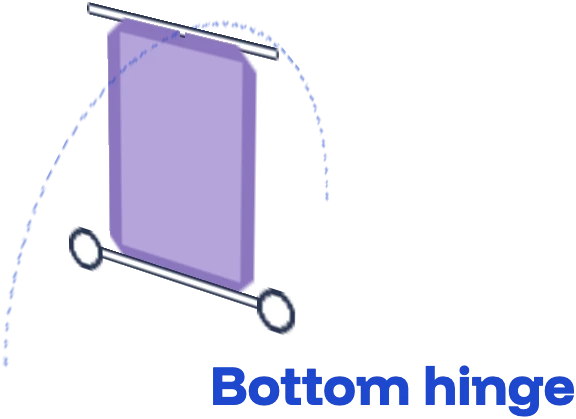
Prints are the hardest product to display well and the easiest to display badly, because "badly" still technically works. You can lay a stack flat on the table with a little sign and people will flip through them. They just won't stop walking to do it, and stopping is the whole game in a crowded aisle. Vertical beats flat, basically every time If there's one piece of advice that shows up over and over from artists who've tabled a hundred of these things, it's this: get your prints off the table and up where eye level can catch them. A flat table of prints reads as "browse if you already know you want something." A vertical wall reads as art, visible from ten feet away, and it's what actually pulls someone out of the aisle in the first place. This doesn't mean every single print needs to hang. A mixed approach works well: your best 10 to 15 pieces up on a panel wall at eye level, doing the job of pulling people in, with your full catalog available in bins or a browsing display once they've actually stopped. The wall is your billboard. The bins are your store. Building the wall itself A grid of square panels with wire-grid inserts is the simplest version of this and it works fine. Clip prints directly to the grid, keep spacing even, and resist the urge to cram in one more piece where there's a gap. A little breathing room between prints makes each one easier to actually see, which matters more than fitting your entire inventory on the wall. Where it gets better is adding some height variation instead of one flat plane. A completely flat wall is easy to read but easy to walk past too, because nothing draws the eye to a specific point. Hinge-square panels let you angle a section of the wall slightly, which catches light differently and gives people a reason to actually look at that spot instead of scanning past it. A few things that consistently help Put your strongest, most eye-catching piece at true eye level, not up high where it needs looking up for, and not down low where it competes with table clutter. Group by color or series rather than scattering your catalog randomly. A wall that reads as "cohesive collection" holds attention longer than one that reads as a grab bag. Use risers or an angled panel section to break up a flat table if you're also selling prints from bins, height variation catches the eye even at table level. Leave a small amount of negative space. A wall crammed edge to edge with zero gaps is genuinely harder to browse, even though it feels like you're "using the space efficiently." Match the wall to your table A half table can carry a solid print wall with a Shapeshift Base kit's 46 panels, plenty of room for a real grid plus a couple of angled hinge sections. If you're running a full 6ft table and want to mix in a second colour for your accent panels or borders, that's where a Duo kit's two-tone build starts to earn its keep, since the second colour becomes another way to draw the eye toward your best pieces without adding more text or signage. None of this is complicated engineering. It's mostly just resisting the instinct to lay everything flat because flat feels safe. Vertical takes ten extra minutes to set up and it's consistently the difference between people walking past and people actually stopping. Curious what a Shapeshift kit actually looks like in person? Head to the Artist Booths homepage to see the full lineup and find the one that fits your table.
Building a Display for a Shared or Split Table

Building a Display for a Shared or Split Table

Splitting a table with another artist is one of those things everyone does at some point and almost nobody plans properly beforehand. You get the email confirming your table, you're splitting 6ft with a friend, and suddenly you're trying to figure out how two entire product lines and two entire displays share three feet of depth without either of you looking like an afterthought. Agree on the split before you pack Do this over a call or in person, not a string of texts the week before. Figure out who gets which half, whether you're splitting straight down the middle or by percentage if one of you has way more stock, and whether your displays are going to be two separate walls or one shared wall you build together. All three are fine. What's not fine is showing up and discovering you both planned to put a tall centerpiece display dead in the middle. A shared wall usually looks better than two competing ones. If you and your tablemate both build with modular panels, even different colours, a single continuous wall reads as one cohesive booth instead of two people awkwardly next to each other. If your styles clash too hard for that, a clean visual break, like a slightly different colour or a small gap, works better than pretending the split isn't there. Building for exactly half a table Half of a 6ft table is 3ft, and that's a real constraint, not a scaled-down version of a full table. This is where Shapeshift Base tends to make more sense than a bigger kit. At 46 panels you have enough multi-shape pieces (squares, half-squares, hinge panels, triangles) to build a proper wall with some height and visual variety, without ending up with a stack of unused panels because you only have half a table's worth of space to work with. A few things that help specifically in a shared setup: Keep your footprint honest. It's easy for a display to creep sideways once you start hanging things, and a few inches into your tablemate's space reads badly by hour three of day one. Go vertical, not deep. You don't have room to build backward, so build up. A tall, narrow wall works better here than a wide, shallow one. Match your base height if you can. Two displays at wildly different heights make the whole table look unplanned even if each half is nice on its own. Label your panels or bins before the con, not during teardown when you're both exhausted and trying to remember whose hinge piece is whose. The float and small stuff, too This isn't really about display panels, but since you're already coordinating: sort out the float (cash, card reader, who's running which) before the con, same as the wall plan. A lot of the actual chaos in a split table comes from logistics nobody agreed on in advance, not from the display itself. The panels pack flat either way, which matters more than usual here since you're probably splitting a car or a hotel room with your tablemate too. Two Base kits, or one Base and one Duo if your tablemate wants a two-tone wall, both still fit inside a standard carry-on footprint packed down, so getting two displays to the venue isn't the logistics problem it sounds like on paper. Getting your product lines to visually agree with each other, that part's still on you. Curious what a Shapeshift kit actually looks like in person? Head to the Artist Booths homepage to see the full lineup and find the one that fits your table.
60-second quizExtra 5% off

Find your ideal display kit size in 60 seconds & score extra 5% off

What are your planned setups going to be?
Half table (90cm / 3ft)
Sharing a table or just starting out
Full table (180cm / 6ft)
The standard table at most cons, markets & fairs
Double, corner or booth (360cm / 12ft)
Two tables, an L-shape, or a full corner stand
Free-standing booth (no table)
A floor-standing wall, no table needed
Select all that apply
How long do you plan to use it?
Just trying it out
1–3 times
Going to do markets more often
3–20 times/year
Multi-year use
Built to last, with room to grow
What do you display?
Small prints, cards, pins & stickers
Flat, lightweight, easy to pin
Large prints & posters
A2 and up, needs room to breathe
Large items : Apparel/bags/figures/3d merch/home goods
Heavier, bulkier pieces that need sturdy shelf framing
Jewellery, charms & keychains
Small and light, lots of little hooks
Select all that apply
How tall do you want it?
Keep it low so my table and wall stay visible
A clean, low backdrop that frames your work
Build tall framing for maximum impact
A towering wall that pulls eyes from across the hall
Your perfect kit and an extra 5% off are ready, pop in your email below to reveal both.
Unlock your kit & bonus 5% discount
Pop in your email and we'll reveal your extra 5% off, auto-applied at your cart.
Your result
Your perfect match
Your stall. Infinite installs.

Lightweight panels and snap on connectors shapeshift together.

Iron frame with frosted, water resistant surfaces for light & mighty structures.
Shapeshift kit part
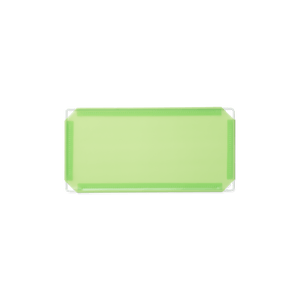
Artistbooths Bundle Component Frosted Lavender Purple (PMS 2715 C) Panel Square (35x35 cm) [8-pack]
Shapeshift kit part
B-grade artist booth panel - discounted cosmetic-second stock
Shapeshift kit part
Shapeshift kit part
Artistbooths Bundle Component Frosted Lilac Purple (PMS 263 C) BOOF Panel Triangle (35x35 cm) [2-pack]
Shapeshift kit part
Shapeshift kit part
Shapeshift kit part
Shapeshift kit part
Shapeshift kit part
Artistbooths Bundle Component Frosted Lilac Purple (PMS 263 C) BOOF Panel Half Square (35x17.5 cm) [4-pack]
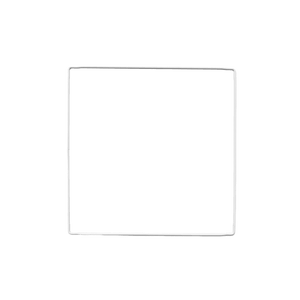
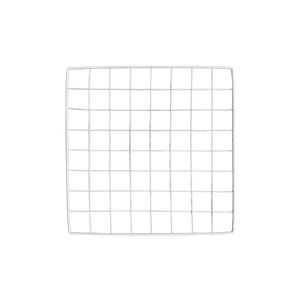
Artistbooths Single Connectors & Accessories White Square Wire Grid (35x35 cm)
Shapeshift kit part
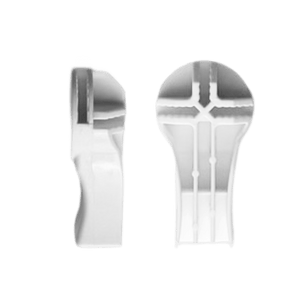
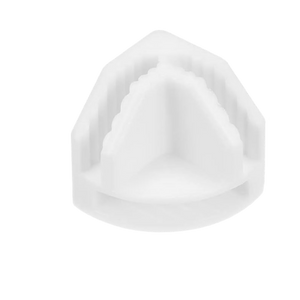
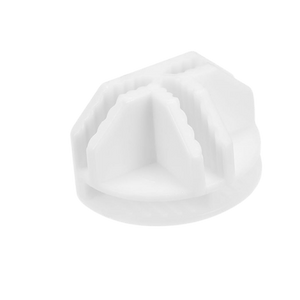
Artistbooths Single Connectors & Accessories White Edge Connector

Stand out pop ups.Shapeshifting setups.

Custom shapes and mix-and-match colours, built to sell for years.

Shop
Scroll

build a booth that builds a crowd

Little parts. Big payoff.

Why makers love our booths.

Every detail pulls its weight.

Stand out, sell out.

Be the eye-catching brand whose cohesive look draws a crowd and gets remembered.

Grow with you.

Enough parts to range products from small table to large booth.

Shape your brand.

Triangles, rectangles, hinge panels and connectors, in colours you mix yourself, for infinite display setups.

Be memorable.

Seasonal colours keep your brand unique. Frosted finish gives your art a soft spotlight.

Range & sell more.

Self-serve more customers with parts that make the most of smaller spaces.

Strong where it counts.

An iron core holds heavy stock whilst water-resistant surfaces shrug off spills and weather.

Packs light, carries safe.

Panels weigh 150g each. The double-wall carry box protects up to 30 decorated panels every trip.

Spares for years.

Every kit packs extra parts, so when you scale up or lose a piece you can keep running your vision.

Your products centre stage

Light diffusing panels.

Anti glare & bright product display

Build your modular display kit

Mix and match colours and shapes. Sized for market, convention and trade-show tables up to 6 ft / 180cm.

1. Choose kit size
2. Choose Kit Colours
Only available
2aChoose your base 24 square & 22 multi-shape panel colours What colour would you like the first half of multi-shape panel colours to be?
2bWhat colour do you want the other half of your squares to be in this kit? What colour do you want the other half of your kit to be? Included · $0
Get a multi-colour setup by swapping 24 of 48 square panels in another colour.
Get a multi-colour setup by swapping half your kit's panels to another colour.
3. Bundle and Save (optional)

Make it a multicolour setup with extra squares or base kit

Get 5% extra when you bundle any add-on.
24x Square Panel Add-on (35cm / 13.8in) - Works with Artistbooths Shapeshift Kit
24 square panels

24x Square Panel Add-on (35cm / 13.8in) - Works with Artistbooths Shapeshift Kit

$450.00

Scarlet Red Frosted

Shapeshift Base Kit
46 multi-shape panels156 accessories

Shapeshift Base Kit Add-on

$699.00

Grape Purple Frosted

Your bundle
Free express shipping deal
Orders over $300 AUD
dhm
d h m
Your selection
American Express Apple Pay BancontactGoogle Pay Mastercard Shop Pay Union PayVisa JCBDiscoverDiners ClubMaestro
🌐 We ship globally express tracked⭐ 4.9🇦🇺 Designed in Aus
Build your own
Duo color display
Colorful display

Modular cube panels that snap together in minutes. Pick a color to start with and build & grow. for years.

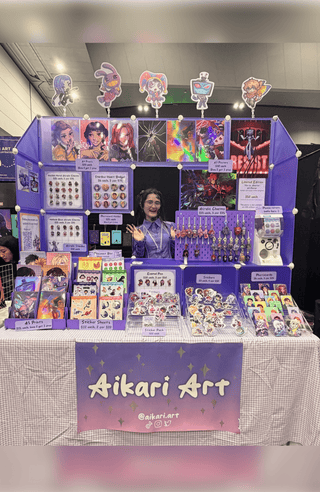
Modular artist display booth at a craft market
Indoor pet playpen enclosure