Artist Back Alley Resources Blog

Post-con-season recovery: restocking and resting

Post-con-season recovery: restocking and resting

The last con of the season ends and there's this weird gap where you're relieved and also don't quite know what to do with yourself. You've been running on adrenaline and a con schedule for months, and now there's nothing on the calendar. This is the part nobody really talks about, but how you spend the next few weeks sets up how you feel going into next year.Actually rest before you do anything elseNot "rest" as in scroll your phone while mentally drafting your restock list. Real rest. Your body has been on its feet for entire weekends, your sleep schedule's been wrecked by early load-ins, and your creative brain has probably been running on fumes for the last few shows. Give yourself at least a few days where you're not required to think about the business at all. It's tempting to dive straight into next year's planning because the momentum's there, but burnout doesn't show up right away, it shows up three months later when you're supposed to be excited about something and just aren't.Then do the unsexy admin while it's freshOnce you've actually rested, there's a window where the season is still fresh in your memory and that's worth using before it fades. Go through and write down, for each con you did: what sold, what flopped, what you wish you'd brought more of, anything logistical that went wrong. You will not remember this in four months. A rushed paragraph now saves you from repeating the same mistake next season.Restocking without overcommittingIt's easy to look at a strong season and want to restock everything immediately. Slow down slightly. A few things worth checking before you place big print or production orders: Which items actually sold at full price versus which ones you discounted to move Whether any bestsellers were tied to a specific trend or fandom moment that might have already passed Your actual storage space, since over-restocking just moves the problem to your closet Lead times on printing or materials, since ordering early avoids the seasonal rush later Give your display the same audit as your inventorySet your booth up one more time before you pack it away for the off-season, and actually look at it with fresh eyes. Anything cracked, faded, or held together with tape you forgot about? Fix it now while you remember, not two weeks before your first spring show when you're already stressed about everything else. If you noticed all season that your setup felt cramped or you were fighting for vertical space, this is a good time to think about whether your current kit still fits your product range, rather than making that decision under pressure later.Rebuild your energy for the business side, not just the artA lot of artists come out of con season wanting to draw and make things, which is great, follow that. But also carve out a bit of time to look at your online shop, your socials, and your pricing with clear eyes. Con season tends to put everything outside the booth on autopilot, and it's worth checking nothing's quietly broken or stale. Recovery task When Full rest, no business thinking First week or two after your last show Write down what worked and what didn't While it's still fresh, within a month Inventory audit and selective restock Once you've actually reviewed the data Display and booth repair check Before you pack everything away long-term Online shop and socials tune-up Whenever your energy actually comes back for it The off-season isn't dead time. It's the only stretch of the year where you get to plan instead of react, and that's worth protecting instead of rushing through. Curious what a Shapeshift kit actually looks like in person? Head to the Artist Booths homepage to see the full lineup and find the one that fits your table.
Managing Social Anxiety at a Loud, Crowded Show

Managing Social Anxiety at a Loud, Crowded Show

Sitting behind a table for eight hours while strangers look at your work, judge it, maybe ignore it, maybe love it, all under fluorescent lights and constant noise, is a genuinely strange thing to ask an anxious brain to do. If you've had a con day where you got in your car afterward and just sat there decompressing for ten minutes before you could even drive, you're not alone in that, and you're not doing this wrong. Tabling is a real endurance event for anyone with social anxiety, and it's worth building actual strategies for instead of just white-knuckling through it every time. You don't owe every person full energy One thing that helps a lot of anxious vendors: you're allowed to have a range. Some interactions can be a warm hello and a quiet nod while they browse. Others can be a full conversation. You don't have to perform the same high-energy version of yourself for eight straight hours, and trying to is usually what leads to the crash later. A calm, quieter presence is still a welcoming one. It doesn't have to be loud to work. Build in actual escape valves Knowing you have a way out for five minutes changes how the whole day feels, even if you never use it. A table buddy who can cover for a bathroom break that turns into a quiet lap around the block. A pair of headphones you can put in for two minutes between rushes, even without music playing, just to signal "give me a second" to your own nervous system. Noise-canceling earbuds under a cap or hood if the hall noise itself is what's grinding you down, not just the people. Arrange a table buddy or neighbor vendor who can watch things for five minutes. Step away between rushes, even just to stand somewhere quieter for a minute. Keep a small comfort object or fidget item within reach, out of sight if that matters to you. Give yourself permission to not engage with every single passerby. Scripted openers take the pressure off improvising A lot of the anxiety in tabling comes from not knowing what to say in the moment, over and over, all day. Having two or three go-to lines ready (a simple "feel free to look around," a quick answer to "how much for a commission," a line for when someone compliments your work) means you're not improvising a fresh social interaction from scratch every single time. It becomes a script you can run even when your brain's fried by hour five. The crowd is louder than any one interaction For a lot of people, it's not one-on-one conversation that's the hard part, it's the ambient overwhelm: the noise, the crowd density, the constant visual stimulation of a packed hall. If that's your specific flavor of it, the fixes look different: earplugs that take the edge off without cutting you off from customers entirely, positioning your setup so you're not facing directly into the busiest thoroughfare, or scheduling your own breaks around the con's predictable rush times rather than waiting until you're already overwhelmed to step away. It gets easier, but not in a straight line A lot of vendors find their tenth con is genuinely easier than their first, but it's not usually a smooth curve. Some shows will still hit harder than others depending on your own week, sleep, or just how loud that particular venue is. That's not a sign you're regressing, it's just how anxiety works. The goal isn't to eliminate the nerves permanently, it's to have enough tools in your pocket that a hard day doesn't take you out for the rest of the weekend. If you table with anyone else, even informally, talk about this stuff out loud with them beforehand. Knowing your table neighbor also gets overwhelmed sometimes, and having an agreed signal for "I need five minutes," takes a lot of the private pressure off a day that's already asking a lot of you. Curious what a Shapeshift kit actually looks like in person? Head to the Artist Booths homepage to see the full lineup and find the one that fits your table.
Turning Con Photos Into Content That Actually Gets Seen

Turning Con Photos Into Content That Actually Gets Seen

You take a hundred photos at a con and maybe four of them are actually worth posting. The rest are blurry, badly lit, or just a wide shot of a table that looks fine in person but flat on a screen. The gap between "photos from the con" and "content that gets seen" comes down to a handful of habits, most of which take zero extra time if you build them into how you already shoot. Shoot for the platform, not for memory A lot of con photos get taken the way you'd photograph a family event: wide, from standing height, meant to capture "we were there." That's fine for your own memory but it's weak content, because a small phone screen flattens a wide shot into nothing recognizable. Get closer than feels natural. A single print filling most of the frame, a close crop of your hands mid-sketch, a tight shot of someone's face lighting up at your table. Tighter shots read clearly at thumbnail size, which is the size almost everyone will actually see it at first. Light is doing more work than your camera Con hall lighting is rough: overhead fluorescents, mixed color temperatures, shadows falling wrong. You don't need to fix this with editing so much as by choosing your moment. Photos taken near a window or an actual light source, even a ring light clipped to your table, look noticeably better than the same shot six feet further into a dim aisle. If your table's naturally in a bad-light spot, this is worth solving with a small clip light rather than trying to save it in post. Faces and hands beat product-only shots A flat lay of your prints does a job, but it's the least interesting thing you can post. A photo with a hand holding the print, or better, a customer's actual reaction as they pick something up, gets more engagement because there's a person in it to connect with. If someone at your table seems happy with what they bought and you've got two seconds, ask if you can grab a quick photo. Most people say yes, and it beats another static product shot. Video over photo when you can manage it You don't need to become a videographer. A ten-second clip of you finishing a piece of line art, someone flipping through your print bin, the moment your table gets busy, tends to hold attention longer than a still photo because there's motion and it feels like watching something happen rather than being told about it. Shoot vertical, keep your phone steady against something (your tote, a stack of boxes) instead of trying to hand-hold it, and don't worry about narrating over it. Silent b-roll with a caption works fine. A quick shot list for next time Table fully set up, before doors, empty aisle behind it. Close crop of your best-selling piece, filling most of the frame. A candid of you working, not posed and looking at the camera. A customer's hands or reaction (with a quick ask first). One short video clip, even just ambient con noise and motion. Your booth number or table sign, for people trying to find you later. Post the imperfect ones too The instinct is to only post the technically best photo, but a slightly rough, real-feeling shot from the middle of a busy afternoon often outperforms the one perfectly composed shot you took during a slow hour. People respond to seeing the actual energy of the day, not just the highlight. Mix a couple of the "polished" shots with a couple of the "this is genuinely what it looked like" shots and let both do their job. None of this needs new gear. A phone, a few seconds of intention before you snap, and remembering to actually stop and take the photo in the first place (easy to forget once you're three hours into a rush) covers almost all of it. Curious what a Shapeshift kit actually looks like in person? Head to the Artist Booths homepage to see the full lineup and find the one that fits your table.
What to Post After a Con to Keep the Momentum Going

What to Post After a Con to Keep the Momentum Going

You survive the con, you drive home exhausted, you sleep for eleven hours, and then... nothing. The momentum you spent all weekend building just sits there because posting feels like the last thing you have energy for. This is genuinely one of the easiest places to lose the value of a show you already paid for and worked. The good news is the post-con window is also one of the easiest times to get engagement, because people who saw you in person are primed to actually care. Post while it's still fresh, even if it's rough You don't need to wait until you've sorted through every photo and picked the perfect ones. A slightly blurry table shot posted the day after beats a perfectly curated gallery posted two weeks later, because two weeks later nobody remembers the con happened. Get something up within a day or two, even if it's just "what a weekend" with your favorite photo from your phone roll. What's actually worth posting The table, fully set up, before doors opened. People love seeing the "before the chaos" version. Sold-out pieces. "This one's sold out for now, restocking soon" builds real anticipation and tells people what was popular without you having to say it directly. A specific moment, not a generic thank-you. The kid who lit up over a specific print, the commission you sketched live, the neighbor vendor who traded with you. Specifics get remembered, generic "thanks everyone!!" posts get scrolled past. What you learned, briefly. "Bringing double the stickers next time" is relatable and makes you look like you're actually paying attention to your own business, not just performing at it. Photos other people took of your table. Ask around before you leave, or check the con hashtag after. Other people's photos of your booth often look more natural than your own setup shots. The follow-up isn't just a highlight reel It's tempting to only post the good stuff, but a little honesty travels further than you'd expect. If a day was slow, if you sold out of your best seller and had nothing to show for the last four hours, if your feet were destroyed by hour six, saying so doesn't make you look unprofessional. It makes people feel like they're following an actual person, which is most of what keeps someone checking your page between shows. Turn "sold out" into your next sale Anything that sold out at the show is now proven demand, and that's worth acting on before the excitement fades. A restock announcement within the week, timed off the "I saw this at the con" energy, converts a lot better than the same restock posted cold a month later with no context. If you're taking preorders on a piece that moved fast, this is the window to open them. Don't let the momentum die on one platform If you shot video during the con (setup process, a timelapse of a commission, even just b-roll of the crowd), that's your highest-effort content already made, it just needs editing down. This is the stuff that tends to travel furthest because it feels like being there rather than being told about it after the fact. A simple post-con posting order Timing Post Same day / next day Raw "what a weekend" recap, one good photo 2-4 days after Specific moment or story from the show Within a week Restock or preorder for anything that sold out 1-2 weeks after Edited video/photo content if you shot any The con doesn't end when you pack up the panels. The two weeks after are honestly where a lot of the actual payoff happens, if you give it a bit of attention instead of collapsing onto the couch and calling it done. Curious what a Shapeshift kit actually looks like in person? Head to the Artist Booths homepage to see the full lineup and find the one that fits your table.
Building Hype Before a Con Without Overselling

Building Hype Before a Con Without Overselling

There's a specific kind of post that makes people scroll right past: "COME SEE ME AT [CON] BOOTH 204!!!" with a product photo and nothing else. It's not wrong exactly, it's just not interesting, and interesting is what gets shared. Building real hype before a show takes a bit more than an announcement post, but it also doesn't need to tip into constant selling either. Show the process, not just the product People engage way more with how something gets made than with the finished thing alone. A quick video of you inking a new print, a photo of your table half set up the night before with boxes everywhere, a "here's what I'm bringing" post that shows the actual mess of prepping inventory. It's more interesting than a clean product shot because it feels like something's actually happening, and it doesn't read as a sales pitch even though it's doing the same job. This is also just easier content to make. You don't need a polished flat lay, you need your phone and five minutes between tasks. New work first, old work second If you've got anything genuinely new debuting at the show, that's your best hype material and it should show up more than once in the weeks leading up. A teaser crop of a new print, then the full reveal a week later, then a "this is the one I'm most excited about" post closer to the date. Spacing it out gives people multiple reasons to check back in instead of one post they see once and forget. If everything you're bringing is stuff you've posted before, be honest about that rather than pretending it's all new. "Bringing back some alley favorites plus a couple surprises" is a normal, low-pressure way to frame a table that's mostly reprints. Give people a reason to actually show up A booth number and a date is information, not a reason. What actually gets someone to carve out time is something they can't get anywhere else that weekend: a con-exclusive print, a discount that only applies in person, a specific new piece debuting there and nowhere else first. Even something small, like a free sticker with purchase that weekend only, gives people a concrete reason to prioritize your table over just buying from your shop later. Post your booth location clearly, more than once, closer to the date (people forget). Tease one specific new piece, not your whole lineup. Mention anything exclusive to that show. Show your setup process, not just finished art. Reply to comments instead of just posting and disappearing. The overselling line Hype tips into overselling when every single post for three weeks straight is about the same show. People's attention isn't infinite, and if your whole feed becomes an ad for one weekend, the people who don't attend that con (which is most of your followers, geography being what it is) start tuning you out entirely, hype post or not. A good spacing rule: mix con hype posts with your normal content instead of replacing it. If you'd usually post three times a week, maybe one of those is con-related and two are regular work. That keeps the hype visible without drowning out everything else you post, and it means the people not going to that show still have a reason to keep engaging. The night-before post works harder than you'd think A simple "table's set up, see you tomorrow" photo the night before or morning of tends to outperform the fancier planned content, because it's timely and it's real. People scrolling that morning see it and it's an actual nudge, not something they saw two weeks ago and forgot about. Don't skip it just because it's not a polished post. It's often the one that actually gets someone through the door. None of this needs a content calendar or a marketing plan. It's mostly just: show your process, tease one real thing, remind people close to the date, and don't let it eat your whole feed. Curious what a Shapeshift kit actually looks like in person? Head to the Artist Booths homepage to see the full lineup and find the one that fits your table.
Turning One-Time Buyers Into Repeat Customers

Turning One-Time Buyers Into Repeat Customers

Getting someone to buy once is mostly about the table looking good and the piece catching their eye at the right moment. Getting them to buy again three cons later is a completely different skill, and it's the one that actually determines whether you're building a business or just having good and bad show days forever. The gap between a one-time buyer and a repeat one is almost never about the art getting better. It's about whether you gave them any reason to think of you again after the con ended. The unboxing moment is your best shot Whatever you put in the bag when someone buys is the last thing they experience from you, and it happens when they're already happy. A handwritten "thank you" note, even a short one, gets kept in a way a printed slip doesn't. Some vendors include a small sticker or a discount code for their online shop tucked into every order, so the next purchase has a reason to happen without another con needing to line up first. This costs almost nothing and most vendors skip it entirely, which is exactly why it works. It's a low bar to clear. Small things that bring people back A handwritten note, even just "thanks, hope you love it" with your shop name A code for their next order, framed as a thank-you rather than a coupon Remembering a regular's name or what they bought last time, if you can manage it Posting where you'll be next, so people who liked you once know where to find you again Recognize your regulars out loud If someone comes back to your table at a con you've done before, say something. "Oh you got the one from last year, how's it holding up?" turns a transaction into a relationship, and people remember being remembered. You don't need a CRM system for this. A quick mental note or a phone photo of regulars with their piece is enough to jog your memory next time. Give repeat buyers something new to want If your table looks identical every single con, there's no reason for someone who already owns your stuff to stop by again. Rotating in new prints, seasonal variations, or limited pieces gives past buyers an actual reason to check in, versus just restocking the exact same inventory forever. This doesn't mean reinventing your whole catalog. Even one or two new pieces per con cycle is enough to make the table feel worth a second look. One-time buyer vs. repeat buyer, what usually made the difference One-time buyer Repeat buyer Bought, walked away, no note or code included Got a handwritten thank-you or a next-order code Never heard from the artist again Saw a follow-up post about the next con or a new release Table looked the same as the year before Table had something new since their last visit Was just another customer Got recognized or remembered in some small way None of this is complicated, which is honestly the frustrating part. It's mostly just remembering to do the small, slightly extra thing when you're tired and packing up bags at the end of a long con day. The vendors with the strongest repeat crowds aren't doing anything you couldn't do. They're just doing it consistently, every single sale, instead of only on the days they have the energy for it. Curious what a Shapeshift kit actually looks like in person? Head to the Artist Booths homepage to see the full lineup and find the one that fits your table.
Social Media Tips for Artists Who Hate Self-Promotion

Social Media Tips for Artists Who Hate Self-Promotion

Some artists post three times a day without thinking twice. Some of us stare at the caption box for ten minutes, delete it, and close the app. If you're the second type, you've probably already been told to "just post more" like that's the fix. It's not. The problem usually isn't frequency, it's that posting feels like bragging, and bragging feels bad. Here's the reframe that actually helps: you're not promoting yourself, you're documenting your work. That's a different job, and it's one you can do without the cringe. Show the process instead of announcing the product "I finished this piece" is a statement about you. A video of the linework happening, sped up, with your hands actually in frame, is just information. People find process content genuinely interesting, and you get to hide inside the work instead of standing in front of it saying "look at me." It's the same content doing the same job, just from a different angle. This also solves the volume problem. One finished piece gives you one post. The process behind it gives you a sketch photo, a materials shot, a progress clip, and the final reveal. Four posts from one piece of art, none of which required you to write "check out my new print!" Formats that don't feel like self-promotion Time-lapse or speed-up process videos, even rough phone footage works A "what's in my supply box" or "how I pack for a con" post Answering a question someone actually asked you, screenshotted or quoted Posting the failed attempt next to the piece that worked Let other people say the nice things You don't have to write "this is my best work yet." If someone comments that, screenshot it into a story. Borrowed enthusiasm from an actual person reads as way more credible than the artist hyping their own piece, and it takes the pressure off you to write marketing copy you don't believe in. Set a floor, not a target Trying to post daily when it makes you anxious just means you'll burn out and go quiet for three weeks, which hurts more than posting twice a week consistently. Pick a number that feels almost too easy, something like two posts a week, and treat that as the actual commitment. You can always post more on a good week. You just need to never go below the floor. Reframing self-promotion as documentation Feels like bragging Feels like documenting "My new print is finally here, go buy it" "Here's the print run coming off the machine at 1am" "I'm so proud of this piece" A close-up of the detail work with no caption at all "Come see me at my table this weekend" A photo of the table getting built, mid-setup None of this requires you to become a different person online. It just moves the camera slightly, from you talking about your work to your work speaking for itself while you're busy doing it. That's a much easier place to post from, and honestly it tends to perform better too, because people can tell the difference between content and an ad even when they can't articulate why. Curious what a Shapeshift kit actually looks like in person? Head to the Artist Booths homepage to see the full lineup and find the one that fits your table.
Building a Mailing List From Your Booth Without Being Pushy

Building a Mailing List From Your Booth Without Being Pushy

A mailing list is the one platform you actually own. Instagram can throttle your reach tomorrow, TikTok can get weird about your account for no clear reason, but an email list is just a list of people who said yes to hearing from you. Most artists know this and still don't build one, because the idea of asking for someone's email at a con feels awkward. Like you're cornering them. You don't have to corner anyone. The trick is making the sign-up feel like it's for their benefit, not yours. Give them a reason that isn't "updates" "Sign up for my newsletter" is not a reason. Nobody wants updates. What works is something specific: 10% off their next order, early access to a print restock before it goes public, or a heads-up list for when you'll be at a con near them next. Frame the sign-up as them getting something, and the email itself becomes a side effect. A physical sign-up sheet on a clipboard works fine, but a QR code linking to a one-field form is faster and doesn't require anyone to write legibly while balancing a tote bag. Keep the form to just an email address. Every extra field you ask for costs you sign-ups. What actually gets someone to sign up A specific, immediate discount code, not a vague "join for deals" First access to a limited print run before it's posted publicly A "next time I'm in your city" list, especially useful if you travel a con circuit A genuinely useful freebie, like a small digital wallpaper or printable Don't ask while they're mid-purchase The worst time to ask is right as someone's paying, because you're adding friction to a transaction that's already happening. Better moments are while they're browsing and chatting, or right after the sale when they're happy and lingering. Some vendors put the sign-up sheet at the edge of the table, away from the register, so it doesn't feel tied to buying anything at all. Actually use the list, or it was pointless to build Collecting emails and never sending anything is worse than not collecting them, because you burned the moment someone said yes. A short, plain email works better than a polished newsletter template anyway. Tell people what con you're headed to next, what you just finished, what sold out. Treat it like a text to a friend who's curious what you're up to, not a marketing blast. Once a month is a reasonable pace for most artists. Weekly is a lot unless you genuinely have weekly news, and an inconsistent list that fires six emails one month and none for four months after loses trust fast. Sign-up moments ranked by how pushy they feel Moment Feels like QR code on a standing sign, browse anytime Not pushy at all Asked casually while chatting Friendly, low pressure Offered right after a purchase, unprompted Mildly pushy but usually fine Asked before they've decided to buy Pushy, avoid The list doesn't need to be huge to matter. Fifty people who actually open your emails beats five hundred who signed up for a discount code and forgot you exist. Build it slowly, keep the ask honest, and it'll quietly become one of the more reliable parts of your business. Curious what a Shapeshift kit actually looks like in person? Head to the Artist Booths homepage to see the full lineup and find the one that fits your table.
Posting Before a Con Without Sounding Like an Ad

Posting Before a Con Without Sounding Like an Ad

There's a specific kind of post that makes people scroll right past it. You know the one. "EXCITED to announce I'll be at [con name] table A12!!" with a flyer graphic and zero personality. It's not wrong to post it, but it's not doing much either, because it reads as an ad and everyone's trained themselves to skip ads. The goal isn't to hide that you're selling something. People know you sell things, that's the whole relationship. The goal is to give them a reason to care before you ask them to show up. Lead with the thing, not the announcement Instead of "come see me at the con," show the print you're most proud of this cycle and explain why you made it, or the problem you solved getting it printed in time. The con details can be the second sentence, not the headline. People engage with the work and the story behind it. The table number is just logistics you tack on at the end. If you're debuting something new, a work-in-progress post two weeks out does more than a finished reveal the day before. It gives people time to get curious and actually plan to swing by, instead of seeing a finished product post they can just buy later online. Things that read as a person, not a flyer A photo of your table getting packed up the night before, chaos included A short clip of a print coming off the printer or a sticker getting weeded An honest "this one nearly didn't make it, here's what went wrong" story Asking followers what they want to see you bring, and actually bringing it Say the where and when once, clearly, then stop repeating it like an ad You do need to say the con name, date, and table number somewhere, ideally pinned or in a highlight, so people can find it without scrolling your whole feed. But you don't need to repeat it in every single post that week. Say it clearly once or twice, then let the rest of your posts just be about the art. The repetition is what makes it feel like an ad campaign instead of a person getting ready for an event. A simple week-out plan Timing What to post 2 weeks before Work-in-progress teaser of a new piece or product 1 week before Full con details, pinned once, plus a "what should I bring" ask Day before Behind-the-scenes packing chaos, no hard sell Morning of Quick table setup photo once you're there Stories work better than feed posts for the logistics stuff. Save the polished grid post for the art itself, and let stories carry the "here's where to find me" details since they disappear anyway and don't clutter your page for people finding you months later. It's okay if it still feels a little like promotion You're not going to fully disguise the fact that you want people at your table. That's fine. The difference between a post that lands and one that gets skipped isn't whether it's promotional, it's whether there's something real in it first. A slightly imperfect, honest post about your process will always outperform a polished flyer, because people follow artists for the person, not the ad copy. Curious what a Shapeshift kit actually looks like in person? Head to the Artist Booths homepage to see the full lineup and find the one that fits your table.
QR Codes, Business Cards and Getting People to Actually Follow You

QR Codes, Business Cards and Getting People to Actually Follow You

You hand someone a business card, they smile, say "this is so cute," and you never hear from them again. That's not a you problem. That's just what business cards do. The follow rate on a printed card sitting in someone's bag next to a con badge and three flyers is close to zero, and it's not because your card design was bad. The honest fix isn't a better card. It's making the "follow me" moment happen while they're standing at your table, not four hours later when they're home unpacking a tote bag full of stuff they bought on autopilot. QR codes only work if they save someone a step A QR code that links to your Instagram profile is fine. A QR code that links to a specific "new here, here's what I make" landing page or a discount code for their next order does better, because it gives them a reason to tap through right now instead of "later." Later doesn't exist. You know this from your own phone. Print the QR code big enough to scan without someone hunching over your table awkwardly, and test it yourself on your own phone before the con, not after. A code that's too small, too glossy, or printed at a weird angle on a laminated sign is a code nobody scans. Where to actually put it On the receipt or thank-you card that goes in every bag, not just the ones people ask for Taped to the card reader or cash box, right where people are already looking while they pay On a small standing sign at eye level, not flat on the table where it competes with your art Business cards still matter, just not as a follow mechanism Think of the card as a receipt for "I liked this person's stuff," not a marketing tool. People keep cards for booths they want to remember, and having something physical in hand makes your table more memorable when they're comparing notes with a friend later that day. That's the job it's actually good at. Don't ask it to also convert someone into a follower. The follow that happens at your table beats the one that doesn't If you have a slow moment and someone's genuinely chatting with you, just ask. "I post process videos on Instagram if you want to see how these are made," said once, casually, works better than any sign. A lot of alley veterans say the in-person ask converts way higher than anything printed, because it's a real interaction instead of one more piece of paper in the pile. Some vendors run a tablet or phone at the table set to their Instagram, already logged out, so people can follow on the spot without using their own data or opening an app they don't have installed. It's a small friction removal that adds up over a full con weekend. A quick checklist for the table Touchpoint What it should do QR code on receipt Link to a specific offer or "new follower" page, not just your homepage Business card Look good, be memorable, don't overthink the CTA on it In-person ask One casual sentence during a slow moment, not a script Table sign Big enough to scan from a normal standing distance None of this needs to be fancy. A tidy, well-lit table with clear signage does more for follow-through than a perfectly worded QR code ever will, because people remember booths that felt put-together. If you're building out a display where signage actually has a clean spot to live instead of getting taped on wherever there's room, that's really a layout question more than a marketing one, worth its own separate rabbit hole. The real lesson: don't measure success by how many cards you handed out. Measure it by how many people scanned something or said yes to a follow while they were still standing in front of you. Everything after that is a coin flip. Curious what a Shapeshift kit actually looks like in person? Head to the Artist Booths homepage to see the full lineup and find the one that fits your table.
60-second quizExtra 5% off

Find your ideal display kit size in 60 seconds & score extra 5% off

What are your planned setups going to be?
Half table (90cm / 3ft)
Sharing a table or just starting out
Full table (180cm / 6ft)
The standard table at most cons, markets & fairs
Double, corner or booth (360cm / 12ft)
Two tables, an L-shape, or a full corner stand
Free-standing booth (no table)
A floor-standing wall, no table needed
Select all that apply
How long do you plan to use it?
Just trying it out
1–3 times
Going to do markets more often
3–20 times/year
Multi-year use
Built to last, with room to grow
What do you display?
Small prints, cards, pins & stickers
Flat, lightweight, easy to pin
Large prints & posters
A2 and up, needs room to breathe
Large items : Apparel/bags/figures/3d merch/home goods
Heavier, bulkier pieces that need sturdy shelf framing
Jewellery, charms & keychains
Small and light, lots of little hooks
Select all that apply
How tall do you want it?
Keep it low so my table and wall stay visible
A clean, low backdrop that frames your work
Build tall framing for maximum impact
A towering wall that pulls eyes from across the hall
Your perfect kit and an extra 5% off are ready, pop in your email below to reveal both.
Unlock your kit & bonus 5% discount
Pop in your email and we'll reveal your extra 5% off, auto-applied at your cart.
Your result
Your perfect match
Your stall. Infinite installs.

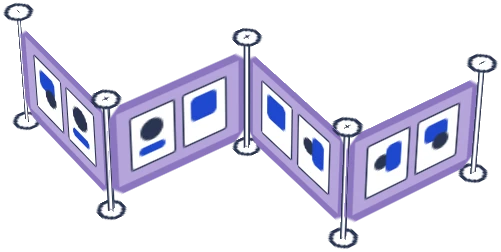
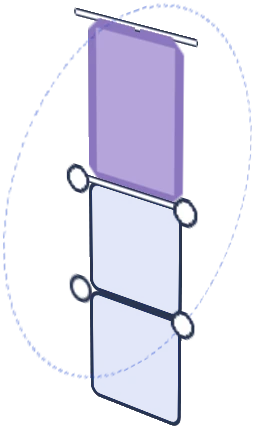
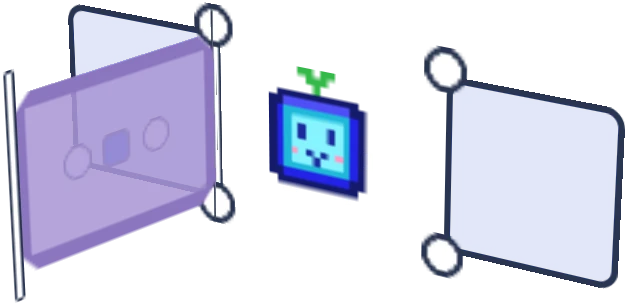
Lightweight panels and snap on connectors shapeshift together.

Iron frame with frosted, water resistant surfaces for light & mighty structures.
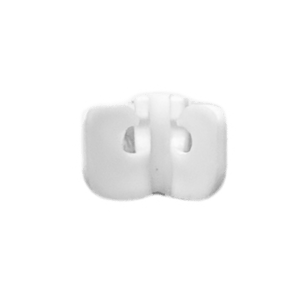
Shapeshift kit part
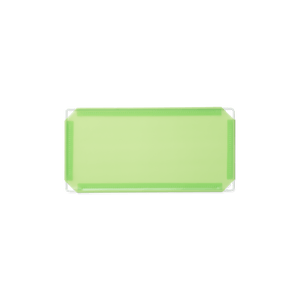
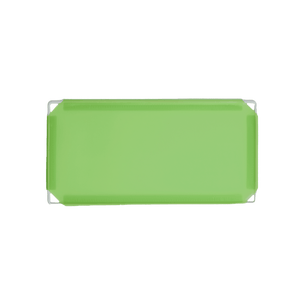
Artistbooths Bundle Component Frosted Lavender Purple (PMS 2715 C) Panel Square (35x35 cm) [8-pack]
Shapeshift kit part
B-grade artist booth panel - discounted cosmetic-second stock
Shapeshift kit part
Shapeshift kit part
Artistbooths Bundle Component Frosted Lilac Purple (PMS 263 C) BOOF Panel Triangle (35x35 cm) [2-pack]
Shapeshift kit part
Shapeshift kit part
Shapeshift kit part
Shapeshift kit part
Shapeshift kit part
Artistbooths Bundle Component Frosted Lilac Purple (PMS 263 C) BOOF Panel Half Square (35x17.5 cm) [4-pack]
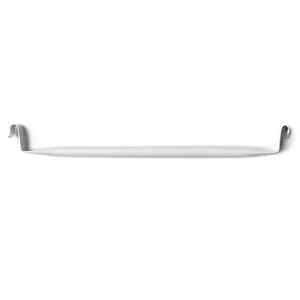
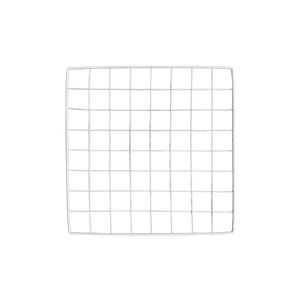
Artistbooths Single Connectors & Accessories White Square Wire Grid (35x35 cm)
Shapeshift kit part
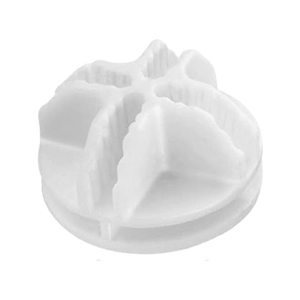
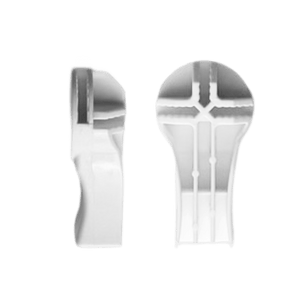
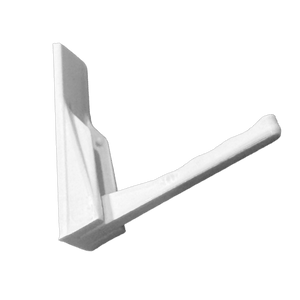
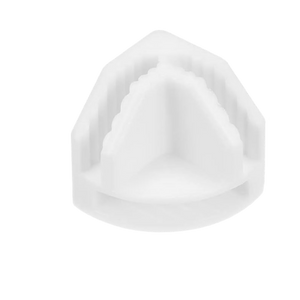
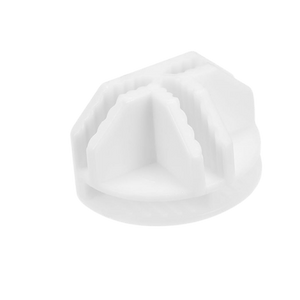
Artistbooths Single Connectors & Accessories White Edge Connector

Stand out pop ups.Shapeshifting setups.

Custom shapes and mix-and-match colours, built to sell for years.

Shop
Scroll

build a booth that builds a crowd

Little parts. Big payoff.

Why makers love our booths.

Every detail pulls its weight.

Stand out, sell out.

Be the eye-catching brand whose cohesive look draws a crowd and gets remembered.

Grow with you.

Enough parts to range products from small table to large booth.

Shape your brand.

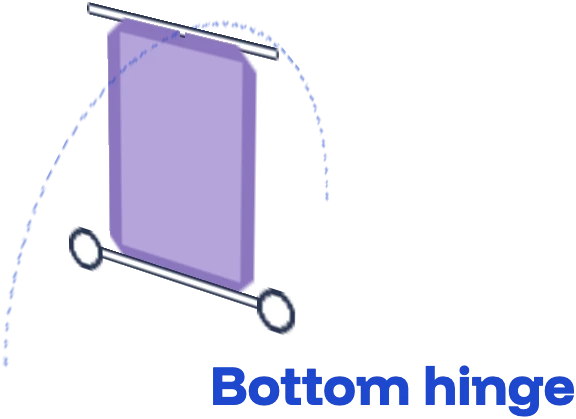
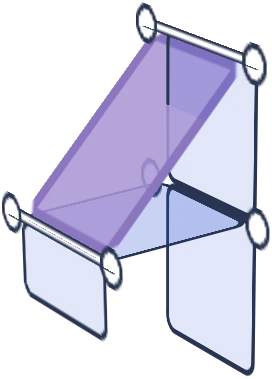
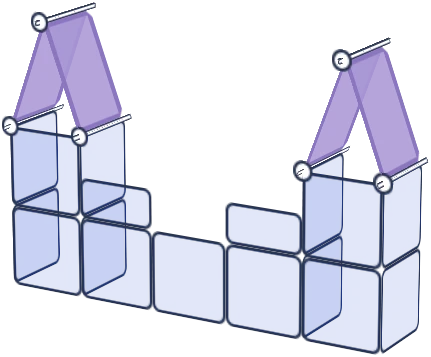
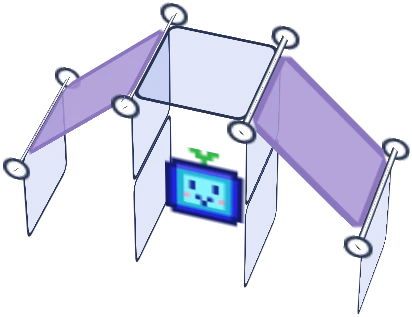
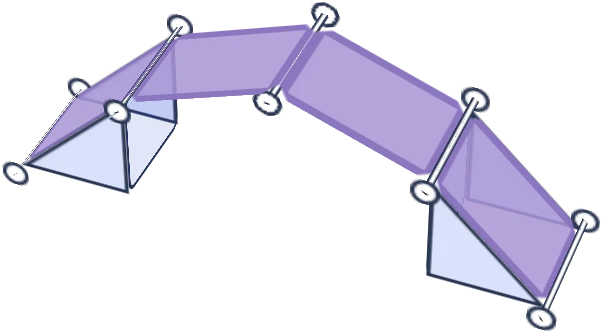
Triangles, rectangles, hinge panels and connectors, in colours you mix yourself, for infinite display setups.

Be memorable.

Seasonal colours keep your brand unique. Frosted finish gives your art a soft spotlight.

Range & sell more.

Self-serve more customers with parts that make the most of smaller spaces.

Strong where it counts.

An iron core holds heavy stock whilst water-resistant surfaces shrug off spills and weather.

Packs light, carries safe.

Panels weigh 150g each. The double-wall carry box protects up to 30 decorated panels every trip.

Spares for years.

Every kit packs extra parts, so when you scale up or lose a piece you can keep running your vision.
Your products centre stage

Light diffusing panels.

Anti glare & bright product display

Build your modular display kit

Mix and match colours and shapes. Sized for market, convention and trade-show tables up to 6 ft / 180cm.

1. Choose kit size
2. Choose Kit Colours
Only available
2aChoose your base 24 square & 22 multi-shape panel colours What colour would you like the first half of multi-shape panel colours to be?
2bWhat colour do you want the other half of your squares to be in this kit? What colour do you want the other half of your kit to be? Included · $0
Get a multi-colour setup by swapping 24 of 48 square panels in another colour.
Get a multi-colour setup by swapping half your kit's panels to another colour.
3. Bundle and Save (optional)

Make it a multicolour setup with extra squares or base kit

Get 5% extra when you bundle any add-on.
24x Square Panel Add-on (35cm / 13.8in) - Works with Artistbooths Shapeshift Kit
24 square panels

24x Square Panel Add-on (35cm / 13.8in) - Works with Artistbooths Shapeshift Kit

$450.00

Scarlet Red Frosted

Shapeshift Base Kit
46 multi-shape panels156 accessories

Shapeshift Base Kit Add-on

$699.00

Grape Purple Frosted

Your bundle
Free express shipping deal
Orders over $300 AUD
dhm
d h m
Your selection
American Express Apple Pay BancontactGoogle Pay Mastercard Shop Pay Union PayVisa JCBDiscoverDiners ClubMaestro
🌐 We ship globally express tracked⭐ 4.9🇦🇺 Designed in Aus
Build your own
Duo color display
Colorful display

Modular cube panels that snap together in minutes. Pick a color to start with and build & grow. for years.

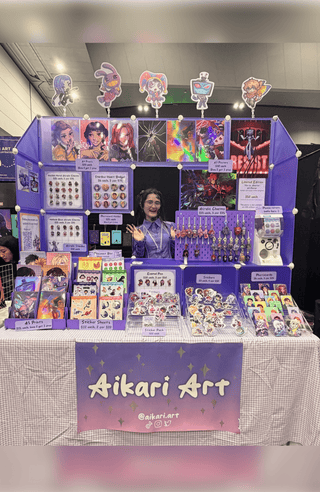
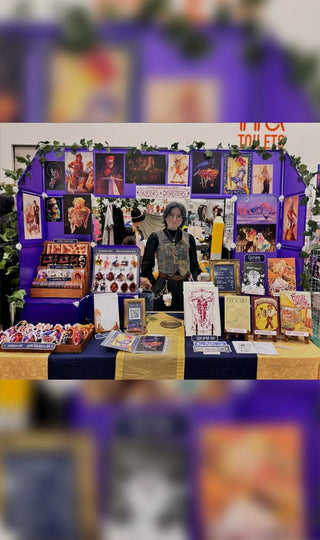
Modular artist display booth at a craft market
Indoor pet playpen enclosure