Artist Back Alley Resources Blog

Accessible Booth Design: Making Your Table Welcoming for Everyone

Accessible Booth Design: Making Your Table Welcoming for Everyone

Most booth design advice is about grabbing attention, taller displays, bolder signage, a layout that pulls people in from the aisle. Worth asking alongside all of that: once someone's attention is caught, can they actually get to your table and shop comfortably? For a decent chunk of your potential customers, the honest answer is often no, and it's rarely on purpose, it's just not something most setups are built to consider. Height and reach matter more than most vendors think about If your pricing, your bestsellers, or your card reader are all up on a tall riser, that's a real barrier for a wheelchair user or anyone shorter than average. It doesn't mean nothing can go up high, it means your key information and your most interesting items shouldn't live exclusively out of a lower reach range. A quick gut check: could someone shop your entire table from a seated position without having to ask you to hand something down? Clear pathways aren't just about being polite A booth that juts into the aisle, or a table with boxes stacked in front of it, isn't just a minor inconvenience. For a wheelchair or mobility device user, a narrowed aisle can mean your booth is functionally inaccessible even if everything on the table itself is fine. Keep your own footprint inside your allotted space and leave a genuine gap in front of your table, not just enough room for someone standing to lean in. A quick accessibility checklist for your table Is there a clear, wide enough path for a wheelchair or cane user to approach your table directly Are prices and bestsellers visible and reachable from a seated height, not only from a tall riser Is your text legible and high-contrast for people with low vision, not a thin decorative font on a busy background Do you have a seated option or at least room for someone to pause without blocking the aisle behind them Can you offer a description of a piece for someone who's blind or low vision without making it feel like a chore Sensory considerations count as accessibility too Flashing lights, loud speakers, or strong scented products at your booth can make your table genuinely unapproachable for autistic customers or anyone with sensory sensitivities. This doesn't mean stripping your booth of personality. It means being aware that a booth-wide LED strobe effect, however cool it looks, is a real access barrier for part of your audience, and a steadier lighting choice reaches more people without losing much visual impact. Communication matters as much as the physical layout Not every customer processes a rapid sales pitch easily, and not every customer can hear you clearly in a loud convention hall. Having your pricing and key details written down and visible means someone doesn't have to rely purely on catching everything you say out loud. It helps every customer, honestly, not just the ones for whom it's a necessity. A modular layout makes this easier to actually build Accessible design is a lot easier to pull off when your booth isn't a single fixed structure you're stuck with. A modular panel setup lets you keep your signage and top sellers at a genuinely reachable height while still using vertical space for visual impact higher up, and you can adjust the layout show to show as you learn what works. Whether you're running a small counter setup on the Core tier or a full table build with more height on something like the Shapeshift Base, the flexibility to rearrange panels means accessibility isn't a one-time redesign, it's just part of how you set up every time. This is worth doing even though nobody's grading you on it Nobody's going to hand you a scorecard for an accessible booth. What you get instead is more customers who can actually shop your table comfortably, and a reputation among convention-goers as a vendor who thought about them. That's a quiet kind of goodwill that adds up over a lot of shows. Curious what a Shapeshift kit actually looks like in person? Head to the Artist Booths homepage to see the full lineup and find the one that fits your table.
Why 'Everyone's Doing Better Than Me' Is a Lie Your Brain Tells You

Why 'Everyone's Doing Better Than Me' Is a Lie Your Brain Tells You

You know the feeling. You're two hours into a slow show, glance three tables down, and see a line of people at your friend's booth. Your brain immediately does the math: they're better than you, more popular than you, doing something right that you're not. None of that math is reliable, and it's worth understanding why before you let it ruin your day. You're comparing your whole day to their one good hour You don't see their slow hour from earlier, or the show last month where they barely broke even. You see one snapshot, usually their best moment, and you compare it against your entire day including the parts that felt rough. That's not a fair comparison, it's just what's visible to you in that specific minute. Different art sells differently at different shows A booth doing great business at a comic convention might do nothing at a fine art market, and vice versa. If the table outselling you is doing something adjacent to a trending fandom or a specific print style that happens to fit that particular crowd, that's not a measure of skill, it's a measure of fit for that specific room on that specific day. Move the same two booths to a different show and the results can flip completely. Nobody posts their bad shows Social media compounds this feeling badly. Vendors post photos of their busiest hour, their best-looking table, their biggest sale. Almost nobody posts a photo of an empty aisle at 4pm on a slow Sunday, even though that's a completely normal part of doing this. If your only data about other vendors comes from their highlight reel, of course it looks like everyone else has this figured out and you don't. Things that are actually happening behind that "better" booth They've probably had shows just as slow as your worst one Their setup took several events and probably a few costly mistakes to get right They're likely comparing themselves to someone else's booth right now too Some of what looks like success is inventory turnover on lower-margin items, not necessarily more profit Comparison tells you nothing useful to act on Even if the comparison were fair, "that booth is doing better than me" isn't information you can use. What's actually useful is specific: is your pricing visible from a few feet away, does your display show your range of work, are you making eye contact with people walking by instead of looking at your phone. Those are things you can act on today. A vague feeling of falling behind isn't. Talk to the people you're comparing yourself to A lot of artists we talk to say the comparison spiral gets a lot quieter once they actually start talking to the vendors they've been silently measuring themselves against. Turns out almost everyone has a rough show story from the last twelve months. The booth that looked unstoppable on your worst day is dealing with their own version of the same doubt on someone else's worst day. Your job is your own trajectory, not someone else's snapshot The only comparison that actually means anything is your own booth against your own booth six months ago or a year ago. Are your prices more dialed in. Is your setup faster to build and better organized. Are you having better conversations with customers than you used to. That's the whole scoreboard that matters, and it's one nobody else can see or throw off by having one good hour at the table across from you. Curious what a Shapeshift kit actually looks like in person? Head to the Artist Booths homepage to see the full lineup and find the one that fits your table.
Dealing With Imposter Syndrome at Your Own Table

Dealing With Imposter Syndrome at Your Own Table

You paid for the table. You made the art. You're sitting right there behind your own display. And somehow you still feel like you're waiting for someone to tap you on the shoulder and ask what you're doing there. If that sounds familiar, you're in very good company. Almost every artist we talk to has felt this at some point, including ones whose booths you'd assume have it all figured out.It usually shows up as specific thoughts, not a vague feelingImposter syndrome at a table rarely announces itself as "I feel like a fraud." It's sneakier than that. It sounds like: "Everyone else's booth looks so much more professional than mine." "My prices are probably too high for what I actually make." "That person browsing is definitely judging my art, not just looking." "I got into this show by luck, not because my work is actually good enough." Naming the specific thought helps take some of its power away. A vague cloud of anxiety is hard to argue with. "My booth looks unprofessional" is a specific, checkable claim, and often it's just not true, or it's fixable with something small.Comparing your booth to everyone else's is a losing gameYou're seeing other booths for maybe ten seconds as you walk past, on their best-looking day, with none of the context of how long it took them to get there or what their first year looked like. Meanwhile you know every flaw of your own setup intimately because you've been staring at it all day. That's not a fair comparison and it never will be. Almost everyone whose booth looks effortless has been doing this for years and started somewhere much rougher.What actually helps in the momentYou can't think your way out of imposter syndrome mid-show, but you can act your way through it: Greet the next person who walks up like you mean it. Action tends to interrupt the spiral better than trying to reason with it. Look at your own sales record, even a small one. If people have paid you money for your art before, that's evidence, not a fluke that needs re-litigating every show. Talk to your booth neighbor. Saying the thought out loud to another artist almost always gets a "oh my god, same" back, which does more to defuse it than any pep talk you give yourself. A rough patch in sales is data, not a verdictA slow show doesn't mean your art isn't good. It might mean the foot traffic was low that day, the show wasn't a great fit for your genre, or you were tabled next to something that drew attention away from your row. Sales numbers are affected by dozens of variables that have nothing to do with your talent. Treating one bad day as proof you don't belong there is giving that one variable way more weight than it deserves.You're allowed to feel this and still show upThe goal isn't to eliminate the feeling before your next con, because for a lot of artists it doesn't fully go away, it just gets quieter with more reps. The goal is to not let it decide whether you apply to the next show or hide your prices or shrink your booth presence. Feel the doubt if it shows up. Set your table up anyway. Curious what a Shapeshift kit actually looks like in person? Head to the Artist Booths homepage to see the full lineup and find the one that fits your table.
Post-con-season recovery: restocking and resting

Post-con-season recovery: restocking and resting

The last con of the season ends and there's this weird gap where you're relieved and also don't quite know what to do with yourself. You've been running on adrenaline and a con schedule for months, and now there's nothing on the calendar. This is the part nobody really talks about, but how you spend the next few weeks sets up how you feel going into next year.Actually rest before you do anything elseNot "rest" as in scroll your phone while mentally drafting your restock list. Real rest. Your body has been on its feet for entire weekends, your sleep schedule's been wrecked by early load-ins, and your creative brain has probably been running on fumes for the last few shows. Give yourself at least a few days where you're not required to think about the business at all. It's tempting to dive straight into next year's planning because the momentum's there, but burnout doesn't show up right away, it shows up three months later when you're supposed to be excited about something and just aren't.Then do the unsexy admin while it's freshOnce you've actually rested, there's a window where the season is still fresh in your memory and that's worth using before it fades. Go through and write down, for each con you did: what sold, what flopped, what you wish you'd brought more of, anything logistical that went wrong. You will not remember this in four months. A rushed paragraph now saves you from repeating the same mistake next season.Restocking without overcommittingIt's easy to look at a strong season and want to restock everything immediately. Slow down slightly. A few things worth checking before you place big print or production orders: Which items actually sold at full price versus which ones you discounted to move Whether any bestsellers were tied to a specific trend or fandom moment that might have already passed Your actual storage space, since over-restocking just moves the problem to your closet Lead times on printing or materials, since ordering early avoids the seasonal rush later Give your display the same audit as your inventorySet your booth up one more time before you pack it away for the off-season, and actually look at it with fresh eyes. Anything cracked, faded, or held together with tape you forgot about? Fix it now while you remember, not two weeks before your first spring show when you're already stressed about everything else. If you noticed all season that your setup felt cramped or you were fighting for vertical space, this is a good time to think about whether your current kit still fits your product range, rather than making that decision under pressure later.Rebuild your energy for the business side, not just the artA lot of artists come out of con season wanting to draw and make things, which is great, follow that. But also carve out a bit of time to look at your online shop, your socials, and your pricing with clear eyes. Con season tends to put everything outside the booth on autopilot, and it's worth checking nothing's quietly broken or stale. Recovery task When Full rest, no business thinking First week or two after your last show Write down what worked and what didn't While it's still fresh, within a month Inventory audit and selective restock Once you've actually reviewed the data Display and booth repair check Before you pack everything away long-term Online shop and socials tune-up Whenever your energy actually comes back for it The off-season isn't dead time. It's the only stretch of the year where you get to plan instead of react, and that's worth protecting instead of rushing through. Curious what a Shapeshift kit actually looks like in person? Head to the Artist Booths homepage to see the full lineup and find the one that fits your table.
Why taking a break from conventions is sometimes the right call

Why taking a break from conventions is sometimes the right call

There's an unspoken rule in this hobby-turned-business that stopping means failing. Miss a season of shows and it can feel like you're falling behind everyone still posting booth photos every weekend. That rule isn't true, and more vendors than you'd guess have quietly sat out a stretch of shows and come back better for it.The signs it might be timeIt's rarely one dramatic moment. It's usually a slow build: dreading the packing process instead of enjoying it, feeling relieved when a show gets cancelled, resenting the art you're making because it's for a table instead of for yourself, or noticing your margins have quietly gone underwater because you're doing shows out of habit rather than because they're working. You've stopped looking forward to load-in, even for shows you used to love. Every show recap lately has been a variation of exhausted rather than energized. You're making stock you don't actually like just to have enough product on the table. Your calendar has more shows on it than your actual capacity, and something else in your life is quietly suffering for it. A part of you keeps hoping a show will get rained out or cancelled so you don't have to go. None of these mean you have to quit forever. They usually mean the pace, not the path, is the problem.What a break actually looks likeIt doesn't have to be all or nothing. A break can be as small as skipping the next local show you'd normally auto-apply to, or as big as sitting out an entire season while you rebuild your stock and your interest in the work. Both are valid. There's no minimum break length that counts and no maximum that means you've quit for good.Some artists use a break to shift formats entirely for a while, doing an online shop only, or trying a smaller, lower-stakes market instead of a big convention, just to keep making things without the full production weight of a con booth. Others take the time completely off from selling and just make art for themselves again, which sounds obvious but gets rare fast once art becomes your income.Practical things to sort out before stepping back Let your regulars and mailing list know, briefly, that you're taking a season off rather than just going quiet. People are generally supportive, and it saves you from feeling like you owe anyone an explanation later. If you're mid-way through commitments, like a table already booked, check the event's policy on transfers or credits before assuming you'll lose the fee entirely. Store your display gear properly during the break rather than leaving it half-packed in a corner. A kit that packs down flat into its own case means it's genuinely ready to go again whenever you are, instead of a project in itself to dig back out. Coming back on your own termsWhen you do come back, and most people do, it doesn't have to be at the same pace you left at. A lot of artists find they actually enjoy shows more after a break, because they're choosing to be there again instead of running on autopilot. Start smaller than you think you need to. One local show to test the water beats jumping straight back into a full season and burning out again in month two.The part worth saying plainlyYour worth as an artist isn't measured in shows booked per year. The circuit will still be there. The people who genuinely like your work will still like it. A break isn't quitting, it's just pacing yourself for a career instead of a single frantic season. Curious what a Shapeshift kit actually looks like in person? Head to the Artist Booths homepage to see the full lineup and find the one that fits your table.
The emotional rollercoaster of a bad sales day

The emotional rollercoaster of a bad sales day

You sold almost nothing today. Maybe a sticker, maybe two, on a day you paid a table fee that costs more than that. It's not just a math problem, it stings in a way that a bad day at most jobs doesn't, because the thing not selling is your art, made by you, put out in front of hundreds of strangers who walked past it.Why it hits so much harder than the numbers suggestAt a lot of jobs, a slow day is just a slow day. At your own table, a slow day can feel like a referendum on whether you're good enough, whether people like your work, whether this whole thing was a mistake. That leap from "low sales today" to "my art isn't good" happens fast and it happens to basically everyone, including artists whose booths have lines by 11am at their better shows.It helps to name what's actually happening in your body during a bad day. Watching people glance at your table and walk on triggers something close to social rejection, over and over, all day. That's genuinely draining, and it's not a character flaw that it gets to you.The spiral usually goes something like this Hour one: it's early, still fine, plenty of day left. Hour three: a flicker of worry, but you're telling yourself it'll pick up. Hour five: comparing your table to the one down the row that's busier. Hour seven: full spiral, questioning the prices, the display, the art, the whole plan. Drive home: replaying the day and deciding things that aren't actually true. Recognizing which stage you're in is oddly useful. Hour seven you is not a reliable judge of your business. Hour seven you is tired, disappointed, and pattern-matching on one data point.What to actually do in the momentYou can't force the feeling away, but you can stop it from making decisions for you. Don't rewrite your whole pricing strategy at 4pm on a bad show day. Don't post something self-deprecating about your work online while you're still at the table, tempting as it is. Don't compare your table to anyone else's without knowing their costs, their following, or how many bad shows they had before this one good one.Instead, get through the remaining hours as kindly to yourself as you can. Drink water, eat something, and if you're at a show with a friend or table neighbor, tell them honestly that today's rough. Saying it out loud to another vendor usually gets you "oh my god same" more often than you'd expect, because everyone's had this day.Processing it afterward, properlyGive yourself the evening off from analyzing it. The next day, once you've slept, look at it with actual curiosity instead of judgment. Was it the show, the weather, the day of the week, something about your setup, or genuinely just one of those unpredictable days that happens for no clear reason? Sometimes there's a real lesson. Sometimes there isn't one, and that's fine too.Keep a simple log across shows if you don't already, date, venue, rough sales, general vibe. One bad day means nothing. A bad day that's part of a pattern across several shows at the same type of event tells you something useful. You can only see that pattern if you're tracking more than just today's mood.It doesn't mean what it feels like it meansA bad sales day is data, not a verdict. The artists who stick around aren't the ones who never have one, they're the ones who let it be a bad day and then show up to the next table anyway. Curious what a Shapeshift kit actually looks like in person? Head to the Artist Booths homepage to see the full lineup and find the one that fits your table.
Managing a day job and a con schedule without burning out

Managing a day job and a con schedule without burning out

Most vendors on the circuit aren't doing this full time. You've got a nine-to-five, or shift work, or a degree you're also supposed to be finishing, and you're squeezing production, packing, and actual shows into whatever hours are left. It works, plenty of people build real businesses this way, but it only works if you stop treating rest as the thing you cut first.Pick your shows like you mean itWhen time is the actual constraint, not money, the calculation for which shows to say yes to changes. A show an hour away on a Saturday costs you a day. A show three states over costs you a day of travel each way, plus the show, plus a sick day afterward that you probably don't actually have. Before committing, be honest about what a yes costs you outside the booth itself, not just the table fee. Local, low-prep shows are worth doing more often than the big flashy ones if you're stretched thin. They cost less of your actual life. Big out-of-town cons need a real week of runway around them, not just the days off you booked for the show itself. If two shows land close together on the calendar, it's fine to skip one. A packed schedule that wrecks you isn't more profitable if you're too fried to enjoy any of it. Build production into the week you actually haveCramming three weeks of print runs, packing, and restocking into the two nights before a show is how burnout happens fastest. Small, regular sessions beat marathon ones. Twenty minutes cutting stickers most evenings adds up faster than one frantic Sunday, and it doesn't eat your entire weekend or your sleep.Keep a running list of what needs doing before the next show instead of holding it all in your head. Even a basic note on your phone, restock prints, order more bags, print new signage, means you're not lying awake at 1am trying to remember if you ordered more mailers.Set a hard line with your day job self Don't schedule shows the same week as major deadlines or crunch periods at work if you can help it. You'll do both worse. Use actual vacation days for show prep time, not just the show itself. One day off before a big con to pack calmly is worth more than an extra hundred dollars of stock made in a panic. Tell your manager or team about big shows in advance if your job allows it. Surprises the week of are stressful for everyone. Make setup and teardown as low-effort as possibleWhen you're tired going into a show because of a full work week, the parts of tabling that take real physical and mental effort are where burnout shows up first, not the selling part. A display that's fast to set up without needing a diagram or a spare set of hands buys back energy you'd otherwise spend fumbling with a complicated frame. A modular panel kit like our Shapeshift Base is built around exactly this, snap it together, no tools, under thirty minutes once you know your layout, so setup doesn't eat into the reserves you need for the actual show.Give yourself permission to slow downThe circuit doesn't reward burnout, even though it can feel that way when everyone else seems to be doing five shows a month. A sustainable pace, even a slower one, keeps you making art you're proud of and showing up to booths you actually want to be at. Quitting your day job isn't the only valid goal, and neither is doing every show on the calendar. Build a schedule around the life you actually have, not the one you think you're supposed to have. Curious what a Shapeshift kit actually looks like in person? Head to the Artist Booths homepage to see the full lineup and find the one that fits your table.
What to do when you get sick right before a show

What to do when you get sick right before a show

You wake up two days before a show with a scratchy throat and that specific dread that only vendors know. You've paid for the table, printed the stock, blocked the calendar, and now your body has other plans. This happens more than people admit, and how you handle the next 48 hours matters more than how you feel right now.Be honest with yourself earlyThe instinct is to push through and hope it clears up. Sometimes it does. But a head cold two days out and a fever the morning of are very different situations, and deciding at 6am on show day whether you can physically do this is the worst possible time to make that call. Check in with yourself the day before, not the morning of, while you still have options.Ask honestly: can you stand for six to ten hours? Can you talk to strangers for that long without your voice giving out? Is this contagious in a way that's unfair to the people at the table next to you? If the answer to any of those is a genuine no, it's better to know now.If you can still go, adjust your plan Bring a folding stool. Nobody will think less of you for sitting between customers, and it saves energy you'll need for the actual conversations. Pack lozenges, tissues, and pain relief specifically, separate from your general show bag, so you're not rationing. Lower your own expectations for the day out loud, to yourself, before you get there. A slower, quieter show is still a show. Ask a table neighbor if they can keep an eye on your booth for five minutes if you need to step away, most vendors are glad to return the favor. If you genuinely can't goThis is the harder call and there's no way around that. A few things help soften the actual logistics: Check the show's vendor policy before you assume the worst. Some events allow a table transfer to a friend, a partial refund, or credit toward a future show if you contact them early enough. If you have a tablemate or friend who could run your booth for even part of the day with your existing display and pricing already set, that's often better than a completely empty table. Let your email list or social followers know you're taking care of yourself rather than going silent. Most people are more understanding than you'd expect, and it takes the pressure off explaining later. The money conversation nobody likes havingMissing a show costs real money, table fees, product made specifically for that event, sometimes travel already booked. It's fair to feel that loss. It's also true that showing up seriously sick, especially to a packed convention hall, risks a much worse outcome, a full week wiped out afterward instead of one show. Weigh the actual cost of missing this one show against the cost of your health cratering for the two weeks after, because that's usually the real trade-off, not just "one bad day versus a fine one."Preventing the next oneYou can't fully control catching something, conventions are basically a shared-air experiment, but a few habits lower the odds: hand sanitizer at your table for yourself, not just show, actually washing your hands between handling cash and touching your face, and not running on zero sleep in the week before a show, since exhaustion is when your immune system usually gives up first.Getting sick before a show isn't a failure of planning. It's just bad timing that happens to a body that doesn't know there's a convention on the calendar. Give yourself permission to make the call that protects you, not just the one that protects the sale. Curious what a Shapeshift kit actually looks like in person? Head to the Artist Booths homepage to see the full lineup and find the one that fits your table.
Sleep, hydration and other boring things that actually matter

Sleep, hydration and other boring things that actually matter

Nobody gets excited talking about sleep schedules and water intake. It's not the fun part of running an art business, it's not a booth photo you'd post, and it's genuinely tempting to treat it as optional when there's a print run to finish and a booth to pack. But the vendors who show up looking rested and sound coherent by 3pm on day two aren't lucky, they're just doing the boring stuff on purpose.The week before, not the night beforeThe damage usually isn't done the night before a show, it's done the two weeks before, staying up until 2am finishing stock while running on convenience store coffee. You can't out-sleep a two-week deficit with one good night before load-in.If you know a show is coming, work backward from it. Give yourself a real cutoff date for new product development, a week out at minimum, so the last few days are packing and admin, not last-minute printing at midnight. It's a boring rule and it works better than any amount of hustle the week of.A few things that make a real difference Go to bed at a consistent time for the three or four nights before a show, even if it means stopping work earlier than you'd like. Cut caffeine after early afternoon in the days leading up, even though you'll want the opposite as you get more tired. Prep your booth bag and outfit the night before, not the morning of. Decision fatigue at 6am is real. Do a full stock check two days out, not the night before, so you actually have time to fix anything missing. Hydration is not a personality trait"I just don't drink much water" is not a fun fact, it's why you have a headache by 1pm and can't remember if you already told a customer your prices. Con halls are dry, air-conditioned, and loud enough that you're talking more than usual, all of which dehydrate you faster than a normal day. Sign What it usually means Headache by early afternoon Dehydration, more than tiredness Snapping at a reasonable customer question Low blood sugar or dehydration, rarely actually about them Feeling foggy doing simple math for change You've been running on coffee and nothing else Sudden crash mid-afternoon Skipped or rushed lunch Bring a real water bottle, not a tiny one you'll finish by 10am and then forget to refill. Set a genuinely boring reminder on your phone if you have to. It sounds excessive until it's the difference between a clear head at 4pm and a foggy one.Food that isn't an afterthoughtEating standing up, one-handed, between customers is normal at a con, but what you're eating still matters. Protein and something with actual substance beats a bag of chips you grabbed because it was there. Pack food you'd actually choose to eat rather than whatever's fastest, because fastest usually means a sugar spike and then a crash right as your afternoon rush starts.Why this is worth the boring effortNone of this is glamorous advice. It's not a display hack or a pricing strategy. But a rested, fed, hydrated version of you sells better than an exhausted one, has more patience for the fiftieth "how much for this print" of the day, and actually enjoys the show instead of gritting through it. The vendors who look effortless by day three usually just went to bed on time and drank their water. It's not a secret, it's just not exciting enough for anyone to post about. Curious what a Shapeshift kit actually looks like in person? Head to the Artist Booths homepage to see the full lineup and find the one that fits your table.
Recovering physically and mentally after a big con

Recovering physically and mentally after a big con

The con is over, the car is packed or the shipping label is printed, and you get home and just stop. If you've felt wrecked for two or three days after a big show, that's not you being dramatic. You spent three days on your feet on concrete, running on con-hall food and adrenaline, having the same conversation two hundred times. Recovery is a real part of the job, not a sign you're not cut out for it.The physical crashYour body has been standing, smiling, lifting boxes, and probably not drinking enough water for anywhere from eight hours to three straight days. Swollen feet and ankles, a sore lower back, and a scratchy throat from talking over convention noise are all normal, not a sign something's wrong with you. Elevate your feet the evening you get home, even just propped on a pillow on the couch. Rehydrate properly over the next day or two, not just one glass of water, especially if you were living on coffee all weekend. Eat an actual vegetable. Con food is usually convenient, salty, and not much else. Give yourself one full day where unpacking is the only productive thing on the list. Unpacking itself is worth doing properly instead of shoving boxes in a corner for later. Later turns into three weeks, and a pile of inventory sitting in your living room is its own low-grade stress. If your display packs down flat, this part is genuinely fast, fold it, stack it, done, rather than wrestling a folding frame back into an awkward bag at midnight.The mental comedownThis one catches people off guard more than the sore feet do. You spend three days at a high level of social energy, performing friendly and upbeat even when you're exhausted, and then you're suddenly home, alone, in a quiet house. A flat, empty feeling after a con is really common, some people call it a con drop, and it can hit even after a great show, not just a bad one.It helps to know it's coming. Don't schedule anything demanding for the day right after a big event if you can avoid it. Let yourself decompress instead of immediately diving into shipping orders and answering every DM. The orders will still be there tomorrow.A rough recovery timeline Timeframe What's normal Same night Exhaustion, sore feet, wanting to eat something that isn't con food Day 1-2 Low energy, possibly a bit flat or weepy, catching up on sleep Day 2-4 Unpacking, restocking, answering the backlog of messages Day 3-7 Energy returning, starting to feel excited about the next show again If the flat feeling sticks around much longer than a week, or every show leaves you feeling this way, that's worth paying attention to rather than pushing through. It might be a sign you're overbooking your schedule rather than anything being wrong with you specifically.What actually helpsSleep in past your alarm at least once. Take a proper shower, not the rushed hotel-bathroom version. See a friend who has nothing to do with your art business, someone who'll ask how the show went and then talk about something completely unrelated. Go through your photos and sales numbers once you've had a night's sleep, not on the drive home when you're too tired to read them fairly.Recovery isn't wasted time. It's the part of the cycle that lets you actually enjoy the next show instead of dragging yourself to it running on fumes from the last one. Curious what a Shapeshift kit actually looks like in person? Head to the Artist Booths homepage to see the full lineup and find the one that fits your table.
Dealing with a slow day without spiralling

Dealing with a slow day without spiralling

You've done everything right. Good display, decent traffic, prints priced fairly, and you're still watching people walk past your table like it's invisible. Slow days happen to everyone, including vendors whose booths you've admired from across the room. Nobody posts about the $40 Saturday.First, separate the data from the feelingA slow day tells you something about foot traffic, the show, the day of the week, even the weather outside. It doesn't tell you your art is bad or that you shouldn't be doing this. Those are two completely different conclusions, and it's easy to let the second one sneak in around hour four when your feet hurt and the hall smells like cold pizza.Try to actually track what's slow across the day instead of guessing. Sometimes a slow morning is just a slow morning, and things pick up after lunch once people have done a lap of the whole floor and start committing to purchases. A lot of alley veterans say the first hour and the last hour of any show are the least predictable, so don't extrapolate your whole day from either one.Questions worth asking instead of spiralling Is the whole floor slow, or just your row? Walk past a few other booths on a bathroom break and check. Is this a known slow show, or a new one you don't have data on yet? Did something outside your control change, like weather or a competing event nearby? Are people stopping and not buying, or not stopping at all? Those need different fixes. Small things that can turn a day aroundYou can't force sales, but you can remove friction. If people are stopping and not buying, look at your pricing signage first, a surprising number of slow tables just don't have visible prices, and people won't ask. If people aren't stopping at all, your table might be reading as flat from a distance. Vertical elements catch eyes across an aisle in a way flat-on-table displays don't, so even propping a few prints upright or adding a tier can change how your booth reads from twenty feet away.Talk to your table neighbors. Not just for company, though that helps too, but because they'll often tell you straight if they're seeing the same lull or if it's just you. Watch other booths for anything they're doing that's clearly working, a call-to-action sign, a specific product facing out, a QR code to a catalog, and don't be too proud to borrow what's working.What not to doDon't slash prices mid-show out of panic. It trains the people who do stop to wait you out, and it rarely fixes a traffic problem, which is usually the real issue on a slow day. Don't disappear into your phone either, even though it's tempting. Looking approachable and present is still the single biggest lever you control, and it costs nothing.Don't compare your table to the booth three rows over that has a line. You don't know their costs, their show history, or whether they had four dead shows before this one. Comparison during a slow day just adds a second bad feeling on top of the first.The reframe that actually helpsOne show is one data point. It's real money and it's frustrating, but it's not a verdict on your business. Write down what happened while it's fresh, the show name, the day, what you noticed, so future-you has real notes instead of a vague memory of "that one bad show." Then close the laptop, put your feet up, and let it be a bad day instead of a referendum. Curious what a Shapeshift kit actually looks like in person? Head to the Artist Booths homepage to see the full lineup and find the one that fits your table.
Managing Social Anxiety at a Loud, Crowded Show

Managing Social Anxiety at a Loud, Crowded Show

Sitting behind a table for eight hours while strangers look at your work, judge it, maybe ignore it, maybe love it, all under fluorescent lights and constant noise, is a genuinely strange thing to ask an anxious brain to do. If you've had a con day where you got in your car afterward and just sat there decompressing for ten minutes before you could even drive, you're not alone in that, and you're not doing this wrong. Tabling is a real endurance event for anyone with social anxiety, and it's worth building actual strategies for instead of just white-knuckling through it every time. You don't owe every person full energy One thing that helps a lot of anxious vendors: you're allowed to have a range. Some interactions can be a warm hello and a quiet nod while they browse. Others can be a full conversation. You don't have to perform the same high-energy version of yourself for eight straight hours, and trying to is usually what leads to the crash later. A calm, quieter presence is still a welcoming one. It doesn't have to be loud to work. Build in actual escape valves Knowing you have a way out for five minutes changes how the whole day feels, even if you never use it. A table buddy who can cover for a bathroom break that turns into a quiet lap around the block. A pair of headphones you can put in for two minutes between rushes, even without music playing, just to signal "give me a second" to your own nervous system. Noise-canceling earbuds under a cap or hood if the hall noise itself is what's grinding you down, not just the people. Arrange a table buddy or neighbor vendor who can watch things for five minutes. Step away between rushes, even just to stand somewhere quieter for a minute. Keep a small comfort object or fidget item within reach, out of sight if that matters to you. Give yourself permission to not engage with every single passerby. Scripted openers take the pressure off improvising A lot of the anxiety in tabling comes from not knowing what to say in the moment, over and over, all day. Having two or three go-to lines ready (a simple "feel free to look around," a quick answer to "how much for a commission," a line for when someone compliments your work) means you're not improvising a fresh social interaction from scratch every single time. It becomes a script you can run even when your brain's fried by hour five. The crowd is louder than any one interaction For a lot of people, it's not one-on-one conversation that's the hard part, it's the ambient overwhelm: the noise, the crowd density, the constant visual stimulation of a packed hall. If that's your specific flavor of it, the fixes look different: earplugs that take the edge off without cutting you off from customers entirely, positioning your setup so you're not facing directly into the busiest thoroughfare, or scheduling your own breaks around the con's predictable rush times rather than waiting until you're already overwhelmed to step away. It gets easier, but not in a straight line A lot of vendors find their tenth con is genuinely easier than their first, but it's not usually a smooth curve. Some shows will still hit harder than others depending on your own week, sleep, or just how loud that particular venue is. That's not a sign you're regressing, it's just how anxiety works. The goal isn't to eliminate the nerves permanently, it's to have enough tools in your pocket that a hard day doesn't take you out for the rest of the weekend. If you table with anyone else, even informally, talk about this stuff out loud with them beforehand. Knowing your table neighbor also gets overwhelmed sometimes, and having an agreed signal for "I need five minutes," takes a lot of the private pressure off a day that's already asking a lot of you. Curious what a Shapeshift kit actually looks like in person? Head to the Artist Booths homepage to see the full lineup and find the one that fits your table.
What to Eat and Drink at Your Table (That Isn't Just Coffee)

What to Eat and Drink at Your Table (That Isn't Just Coffee)

Coffee gets you through the first two hours. It does nothing for hours three through eight, and if it's all you've had, it actively works against you by mid-afternoon. Anyone who's crashed hard at a table around 3pm on a con day knows the feeling: shaky, foggy, irritable at customers who don't deserve it. That's not a personality problem, that's a blood sugar problem, and it's fixable with slightly more planning than grabbing whatever's in the venue food court. Why the coffee-only day backfires Caffeine on an empty or under-fed stomach spikes you up fast and drops you hard, and standing/talking all day burns through energy faster than a normal desk day would. If your only intake for six hours is coffee and maybe a pastry, you're setting up the exact crash that makes the afternoon feel unbearable. It's not that coffee is bad, it's that it's doing a job food is supposed to be doing too. What actually holds you over You want things that are easy to eat one-handed, don't need to be kept cold all day, and won't leave you sluggish. Protein and slower-burning carbs beat sugar every time here, even though sugar feels like the quick fix in the moment. Nuts, trail mix, or protein bars, something you can eat between customers without stopping. A real sandwich or wrap for an actual lunch, even if you eat it in two-minute bites over twenty minutes. Fruit that travels well: apples, grapes, a banana. Easy sugar that doesn't crash you the way candy does. Electrolyte tablets or a sports drink mix if you're sweating under con lights or it's a hot venue. Water alone doesn't replace what you lose over a long day. Water is the one nobody does enough of It's genuinely common to realize at 4pm that you've had one sip of water all day because you got busy and didn't want to leave the table for a bathroom break. That trade-off isn't worth it. A big water bottle at your table, refilled at every lull, does more for your energy and your mood than almost anything else on this list. If you're worried about bathroom breaks, that's a table-buddy problem to solve (see: having someone who can watch your table for five minutes), not a reason to just not drink water. What to actually skip Big greasy food right before an afternoon rush tends to make people sluggish rather than fueled. Same with a large sugary drink, which gives you twenty good minutes and then a slump. Neither is a moral failing to eat at a con, just worth timing around your slower stretches rather than right before you expect to be busy. Prepping the night before saves the day of The mornings of a con are chaotic enough without also figuring out food. Packing a small cooler bag the night before, with a couple of real meals and snacks portioned out, means you're not relying on con food court prices or lines eating into your setup time. It also means when you do get a slow ten minutes, food is already sitting right there instead of requiring a decision you don't have the energy to make. A simple all-day lineup Time What Morning Real breakfast before you leave, not just coffee Mid-morning Nuts or a protein bar between customers Lunch Sandwich or wrap, eaten in bites if you have to Afternoon Fruit plus water, electrolytes if it's hot Ongoing Water bottle refilled at every lull, all day None of this is complicated, it's just easy to skip when you're focused on customers and sales and the fifty other things happening at your table. Treat food and water as part of your setup checklist, not an afterthought, and the afternoon version of you will actually thank the morning version for once. Curious what a Shapeshift kit actually looks like in person? Head to the Artist Booths homepage to see the full lineup and find the one that fits your table.
Surviving a 3-Day Con Without Losing Your Voice or Your Feet

Surviving a 3-Day Con Without Losing Your Voice or Your Feet

By day two of a three-day con, you'll know exactly which parts of your setup and your body were not built for this. Your voice goes first if you're talking all day, your feet go second, and somewhere in there your brain just stops forming full sentences to customers. None of that means you're bad at this. It means three-day shows are genuinely a different animal than a one-day market, and they need different prep. Your voice is a limited resource, treat it like one Talking over convention hall noise for eight hours a day, three days straight, is rough on your throat in a way that sneaks up on you. By the time it hurts, you've already done the damage for the day. A few things that actually help: drink water constantly rather than in big gulps between panic-realizing you're dehydrated, avoid straining your voice to be heard over loud areas (lean in or gesture instead of raising your volume), and give yourself quiet stretches when the aisle's dead instead of filling every silence with small talk. If you're naturally quiet or introverted, this is also permission to not perform enthusiasm at full volume the entire weekend. A calm, warm tone works fine and costs your voice a lot less than an amped-up one. Feet and legs need actual planning, not just "wear comfy shoes" Everyone says wear comfortable shoes, and it's true, but it's not the whole story. Standing in the same spot for hours is different from walking around, and it's harder on your body in some ways. Compression socks help more than people expect. A padded mat under your feet if the venue floor is concrete makes a bigger difference than a shoe upgrade alone. And actually sitting when the aisle's slow, instead of standing out of some idea that you look more "on" standing up, saves you for the busy stretches later. Alternate standing and sitting deliberately, don't wait until you're in pain to sit. Bring a second pair of shoes for day two and three. Your feet swell over a long show and yesterday's shoes might not fit the same today. A cheap anti-fatigue mat is worth the suitcase space if you know the venue floor is hard. Build in recovery, not just survival Three days back to back means you don't get a full night to bounce back between shows the way you would with separate one-day markets spread out. That means the recovery has to happen inside the con, not just after it. A short walk away from your table during a lull, actual food instead of just snacking on convenience store granola bars, and getting to bed at a reasonable hour even though the hotel lobby scene is tempting all matter more on day two of three than they would on a single-day show. Pack for exhaustion, not for your best-case self Plan as if you'll be tired and a little foggy by the afternoon of day two, because you will be. Pre-pack your bag for each morning the night before so you're not making decisions with a half-asleep brain. Keep painkillers, a throat lozenge stash, and blister plasters in your bag from day one rather than waiting until you need them and realizing the pharmacy's a twenty-minute walk from the venue. A quick 3-day survival checklist Category Bring Voice Water bottle, throat lozenges, quiet stretches planned in Feet Compression socks, second pair of shoes, anti-fatigue mat Recovery Real food, painkillers, an actual bedtime Backup Blister plasters, extra phone charger, spare cash A three-day con isn't just a longer version of a one-day show, it's a pacing problem. Treat the first day like you've got two more to go, not like it's the only one that matters, and you'll actually make it to Sunday still able to talk to people and stand up straight. Curious what a Shapeshift kit actually looks like in person? Head to the Artist Booths homepage to see the full lineup and find the one that fits your table.
Turning One-Time Buyers Into Repeat Customers

Turning One-Time Buyers Into Repeat Customers

Getting someone to buy once is mostly about the table looking good and the piece catching their eye at the right moment. Getting them to buy again three cons later is a completely different skill, and it's the one that actually determines whether you're building a business or just having good and bad show days forever. The gap between a one-time buyer and a repeat one is almost never about the art getting better. It's about whether you gave them any reason to think of you again after the con ended. The unboxing moment is your best shot Whatever you put in the bag when someone buys is the last thing they experience from you, and it happens when they're already happy. A handwritten "thank you" note, even a short one, gets kept in a way a printed slip doesn't. Some vendors include a small sticker or a discount code for their online shop tucked into every order, so the next purchase has a reason to happen without another con needing to line up first. This costs almost nothing and most vendors skip it entirely, which is exactly why it works. It's a low bar to clear. Small things that bring people back A handwritten note, even just "thanks, hope you love it" with your shop name A code for their next order, framed as a thank-you rather than a coupon Remembering a regular's name or what they bought last time, if you can manage it Posting where you'll be next, so people who liked you once know where to find you again Recognize your regulars out loud If someone comes back to your table at a con you've done before, say something. "Oh you got the one from last year, how's it holding up?" turns a transaction into a relationship, and people remember being remembered. You don't need a CRM system for this. A quick mental note or a phone photo of regulars with their piece is enough to jog your memory next time. Give repeat buyers something new to want If your table looks identical every single con, there's no reason for someone who already owns your stuff to stop by again. Rotating in new prints, seasonal variations, or limited pieces gives past buyers an actual reason to check in, versus just restocking the exact same inventory forever. This doesn't mean reinventing your whole catalog. Even one or two new pieces per con cycle is enough to make the table feel worth a second look. One-time buyer vs. repeat buyer, what usually made the difference One-time buyer Repeat buyer Bought, walked away, no note or code included Got a handwritten thank-you or a next-order code Never heard from the artist again Saw a follow-up post about the next con or a new release Table looked the same as the year before Table had something new since their last visit Was just another customer Got recognized or remembered in some small way None of this is complicated, which is honestly the frustrating part. It's mostly just remembering to do the small, slightly extra thing when you're tired and packing up bags at the end of a long con day. The vendors with the strongest repeat crowds aren't doing anything you couldn't do. They're just doing it consistently, every single sale, instead of only on the days they have the energy for it. Curious what a Shapeshift kit actually looks like in person? Head to the Artist Booths homepage to see the full lineup and find the one that fits your table.
Recovering From a Slow First Show Without Giving Up

Recovering From a Slow First Show Without Giving Up

You did everything the checklists told you to do. Printed the stock, built the table, showed up early. And you still sold three stickers and a single print in eight hours while the table next to you sold out by lunch. This happens to almost everyone at least once, and it doesn't mean you should quit. First, separate the money problem from the meaning problem A slow show costs you money, that part's real and worth looking at honestly. But it's easy to let a bad sales day turn into a verdict on whether you're a real artist or whether this whole thing was a mistake. Those are two different conversations. Deal with the numbers first, calmly, before you let yourself spiral into the second one. Actually audit what happened Don't just feel bad about it, figure out why. Walk back through the day with specific questions: Was foot traffic generally slow for everyone, or just your table? Ask a neighboring vendor how their day went. If the whole aisle was dead, that's useful information and it's not about you. Could people actually see your prices from a normal walking distance? Squinting at a tiny price tag is a real reason people keep moving. Was your table readable at a glance, or did someone have to stop and study it to understand what you sell? Did you seem approachable, or were you buried behind your phone for long stretches? Was this event actually a good fit for your work? A horror art table at a kids' comic con is going to struggle no matter how good the art is. A lot of alley veterans will tell you flatly that some conventions just don't match some audiences, and no amount of table styling fixes a fundamental mismatch. That's not a reflection on your art. Keep a ranked list of shows One slow show tells you almost nothing on its own. The pattern across five or six shows tells you everything. Start ranking events after each one: revenue, table cost, how much you enjoyed it, how far you traveled. After a year you'll have a real list of which cons are worth repeating and which ones you did once and don't need to do again. This is one of the most useful habits you can build early, because it turns "that was rough" into "that specific con is a low performer for me," which is a decision you can act on. Don't overhaul everything overnight The instinct after a bad show is to blow up your entire setup: new banner, new pricing, new product line, all before the next event. Resist that. Change one or two things at a time so you can actually tell what worked. If you swap your banner, reprice half your stock, and switch to a new display all at once, and the next show goes better, you won't know which change mattered. If your display itself was part of the problem, that's a fair thing to look at. A flat table of prints laid out edge to edge is easy to walk past without noticing. Vertical space catches eyes from further down the aisle, which is the whole reason booth risers and tiered stands show up in almost every "how to stand out" video from experienced alley vendors. If you're working with a low table setup, something like the Core kit (24 panels, from $549) gives you enough vertical backdrop to lift key pieces above table height without needing a full booth build. Talk to other vendors, not just the internet It's tempting to go home and doomscroll for answers. Talking to the vendor next to you is usually more useful. They saw the same room you did. They know if it was a slow year for that specific con, if the layout put your section in a dead zone, or if something else was going on. Most artists are generous about sharing this kind of context, especially with someone clearly having a rough day. The math on one bad show Work out your actual break-even: table fee, travel, printing costs, your time. One slow show against that number might still be a net loss, and it's okay to feel annoyed about that. But if your other shows are solid, one bad one is closer to a rounding error over a full year than a reason to stop. Most working artists have at least one show a year they'd rather forget. What actually helps you keep going Give yourself the same night to feel bad about it that you'd give a friend. Then get specific about what you're changing next time, not vague ('do better'), actual: reprice this item, reposition that piece, apply to a different con next spring. Specific plans are what turn a slow show into information instead of a reason to pack it all in. Curious what a Shapeshift kit actually looks like in person? Head to the Artist Booths homepage to see the full lineup and find the one that fits your table.
First-Time Vendor Nerves: What's Normal and What's Not

First-Time Vendor Nerves: What's Normal and What's Not

You applied months ago, got in, and now the show is close enough that you're lying awake running through worst-case scenarios. That's normal. Almost every vendor goes through some version of this before their first table. The trick is knowing which nerves are just nerves and which ones are your gut telling you something you should actually fix. Normal: worrying nobody will stop at your table This is probably the single most common fear, and it happens to people who go on to have great shows. You can't know in advance how a room full of strangers will react to your work. Sitting with that uncertainty is uncomfortable, but it's not a sign anything is wrong. The mindset that helps most: apply, prep as well as you can, and face the actual nerves on the day instead of trying to talk yourself out of them beforehand. Normal: feeling like your prices are wrong Too high, too low, you'll probably flip-flop between both fears in the same week. This is common enough that it's almost a rite of passage. Look at what comparable artists charge for comparable work and comparable materials, set your prices, and hold them. You can always adjust for next show. You don't have to get it perfect on the first try. Normal: dreading the setup process If you've never physically built your booth before show day, of course it feels intimidating. Do a full practice run at home first, actual table, actual display, actual timer running, before you're doing it for real in a loading zone with people waiting behind you. Most "I'm going to mess up setup" anxiety evaporates the second you've done it once in your living room. Normal: worrying you'll freeze up talking to customers Plenty of artists are more comfortable drawing than making small talk with strangers for eight hours straight. You don't need to be a natural extrovert to sell well. A simple "hey, thanks for stopping by" and answering questions honestly gets you further than a rehearsed sales pitch ever will. It gets easier by your third or fourth conversation of the day, every time. Worth listening to: a nagging feeling your display isn't ready If part of you keeps thinking "this tri-fold board is going to fall over" or "I don't actually know how this shelf attaches," that's not generic nerves, that's useful information. Fix it now, not at 7am on show day. Test your full setup at home under time pressure before you're relying on it in public. Worth listening to: dreading a specific logistical gap If you catch yourself thinking "I still don't know how I'm getting all this to the venue" or "I haven't figured out change for cash sales," that's a real gap, not anxiety. Nerves are diffuse and hard to pin down. A real problem is specific and has an actual fix. If you can name exactly what's bothering you and there's a concrete action that resolves it, do the action instead of just sitting with the worry. Not normal, and worth pausing on: dread that doesn't lift once you're prepared Some pre-show nerves are supposed to fade once you've done the prep work, practiced setup, sorted your float, packed your car the night before. If you've done all of that and you still feel a heavy, specific dread rather than ordinary jitters, it's worth being honest with yourself about whether something bigger is going on, whether that's burnout, an event that genuinely isn't a good fit, or something outside of vending entirely. Tabling is supposed to be hard sometimes. It's not supposed to feel like dread that nothing touches. The nerves mostly mean you care Nearly everyone who's tabled a hundred shows still gets a version of first-show nerves before a new event, a bigger show, or a booth layout they haven't tried before. That doesn't go away entirely, and honestly, it shouldn't. It just gets more familiar, and you get faster at telling which version of it needs action and which one just needs you to show up anyway. Curious what a Shapeshift kit actually looks like in person? Head to the Artist Booths homepage to see the full lineup and find the one that fits your table.
Building a Self-Serve Display So You Can Actually Eat Lunch

Building a Self-Serve Display So You Can Actually Eat Lunch

You cannot pee if your table can't run without you This is the unglamorous truth nobody puts in the "how to start selling at cons" guides. You will need to use the bathroom. You will want actual lunch, sitting down, not just inhaling a con-hall pretzel between customers. And if your table requires you to physically hand every single item to every single customer and take their cash yourself, you're stuck there for eight to ten hours straight, sometimes across a two or three day con. A self-serve setup is how a lot of solo vendors solve this, and it's less complicated to build than it sounds. What "self-serve" actually means It doesn't mean an honesty box and walking away. It means structuring your smaller, lower-price items (stickers, buttons, washi tape, small prints) so a customer can browse, pick up, and self-checkout via a card reader or clearly marked cash box, while you're either right there handling higher-touch sales or briefly stepped away with a neighbour keeping half an eye on things. The goal is reducing the number of interactions that need YOU specifically, not eliminating you from the table entirely. What makes something self-serve friendly Clear, individual pricing. If a customer has to ask "how much is this," it's not self-serve. Price everything visibly, ideally grouped by price point (all $5 items in one bin, all $10 in another) so people don't need a calculator. Grab-and-go packaging. Stickers in resealable individual sleeves, prints already bagged and boarded, nothing that needs you to fold, wrap, or assemble at the point of sale. A card reader that doesn't need your login. Tap-to-pay readers that just sit on the table let a customer complete a purchase without you touching your phone. Combine with an honesty cash tin for the customers who insist on paying cash while you're stepped away. Bins and grids over loose piles. A customer digging through a messy pile of loose stickers looking for a price will just give up. Sorted bins or a labelled grid wall let people browse without your help. What still needs you at the table Be honest about this part. Originals, commissions, anything over $30-40, and anything requiring a size or colour choice usually still needs a real conversation. Self-serve is for the $5-15 impulse tier, not your whole inventory. Trying to make everything self-serve usually just makes your higher-value pieces feel neglected, sitting there with no one to talk them up. A workable split for a lot of solo tables: self-serve bins and a grid wall of stickers/prints on one side, a "talk to me" zone with your best original work and commission samples on the other, so you can step away from the self-serve side without abandoning your actual sales pitch. Building the physical setup A grid-panel wall does most of this work for you. Vertical grid space holds small bagged prints with clips, while a tabletop tier below it holds sorted sticker bins. Because it's all modular, you can rearrange the self-serve zone versus the assisted zone between cons as you figure out what customers actually browse alone versus what they want to ask about. If you're running a smaller table, a Core kit's 24 panels are enough to build one dedicated self-serve grid section without eating your whole footprint. If you've got a full 180cm table and want a bigger self-serve zone plus a separate assisted zone, something like the Shapeshift Base gives you the extra panel count to split the two properly instead of cramming them together. The real payoff It's not just bathroom breaks, though those matter more than people admit. A self-serve zone means you're not glued to every single $5 transaction while a customer with real questions about a commission is standing there waiting for you to finish making change. It frees you up to actually sell the stuff that makes real money, instead of running a full-time cash register for stickers. Curious what a Shapeshift kit actually looks like in person? Head to the Artist Booths homepage to see the full lineup and find the one that fits your table.
60-second quizExtra 5% off

Find your ideal display kit size in 60 seconds & score extra 5% off

What are your planned setups going to be?
Half table (90cm / 3ft)
Sharing a table or just starting out
Full table (180cm / 6ft)
The standard table at most cons, markets & fairs
Double, corner or booth (360cm / 12ft)
Two tables, an L-shape, or a full corner stand
Free-standing booth (no table)
A floor-standing wall, no table needed
Select all that apply
How long do you plan to use it?
Just trying it out
1–3 times
Going to do markets more often
3–20 times/year
Multi-year use
Built to last, with room to grow
What do you display?
Small prints, cards, pins & stickers
Flat, lightweight, easy to pin
Large prints & posters
A2 and up, needs room to breathe
Large items : Apparel/bags/figures/3d merch/home goods
Heavier, bulkier pieces that need sturdy shelf framing
Jewellery, charms & keychains
Small and light, lots of little hooks
Select all that apply
How tall do you want it?
Keep it low so my table and wall stay visible
A clean, low backdrop that frames your work
Build tall framing for maximum impact
A towering wall that pulls eyes from across the hall
Your perfect kit and an extra 5% off are ready, pop in your email below to reveal both.
Unlock your kit & bonus 5% discount
Pop in your email and we'll reveal your extra 5% off, auto-applied at your cart.
Your result
Your perfect match
Your stall. Infinite installs.

Lightweight panels and snap on connectors shapeshift together.

Iron frame with frosted, water resistant surfaces for light & mighty structures.
Shapeshift kit part
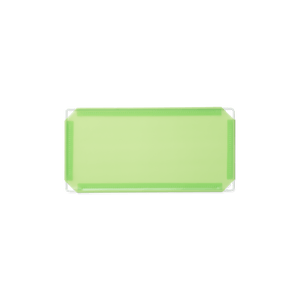
Artistbooths Bundle Component Frosted Lavender Purple (PMS 2715 C) Panel Square (35x35 cm) [8-pack]
Shapeshift kit part
B-grade artist booth panel - discounted cosmetic-second stock
Shapeshift kit part
Shapeshift kit part
Artistbooths Bundle Component Frosted Lilac Purple (PMS 263 C) BOOF Panel Triangle (35x35 cm) [2-pack]
Shapeshift kit part
Shapeshift kit part
Shapeshift kit part
Shapeshift kit part
Shapeshift kit part
Artistbooths Bundle Component Frosted Lilac Purple (PMS 263 C) BOOF Panel Half Square (35x17.5 cm) [4-pack]
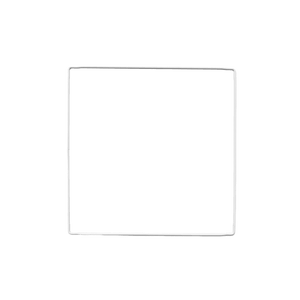
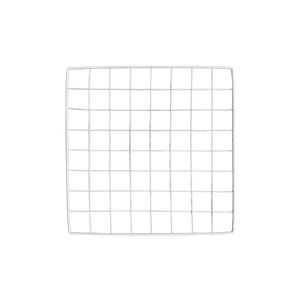
Artistbooths Single Connectors & Accessories White Square Wire Grid (35x35 cm)
Shapeshift kit part
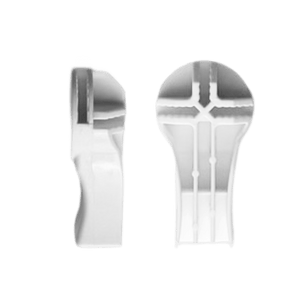
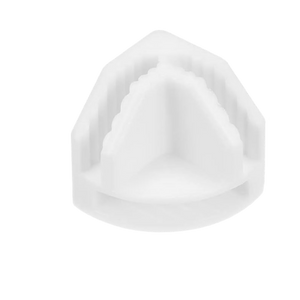
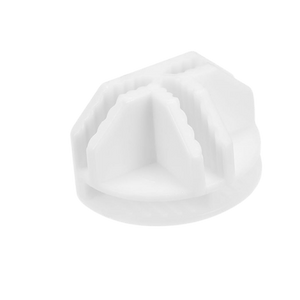
Artistbooths Single Connectors & Accessories White Edge Connector

Stand out pop ups.Shapeshifting setups.

Custom shapes and mix-and-match colours, built to sell for years.

Shop
Scroll

build a booth that builds a crowd

Little parts. Big payoff.

Why makers love our booths.

Every detail pulls its weight.

Stand out, sell out.

Be the eye-catching brand whose cohesive look draws a crowd and gets remembered.

Grow with you.

Enough parts to range products from small table to large booth.

Shape your brand.

Triangles, rectangles, hinge panels and connectors, in colours you mix yourself, for infinite display setups.

Be memorable.

Seasonal colours keep your brand unique. Frosted finish gives your art a soft spotlight.

Range & sell more.

Self-serve more customers with parts that make the most of smaller spaces.

Strong where it counts.

An iron core holds heavy stock whilst water-resistant surfaces shrug off spills and weather.

Packs light, carries safe.

Panels weigh 150g each. The double-wall carry box protects up to 30 decorated panels every trip.

Spares for years.

Every kit packs extra parts, so when you scale up or lose a piece you can keep running your vision.

Your products centre stage

Light diffusing panels.

Anti glare & bright product display

Build your modular display kit

Mix and match colours and shapes. Sized for market, convention and trade-show tables up to 6 ft / 180cm.

1. Choose kit size
2. Choose Kit Colours
Only available
2aChoose your base 24 square & 22 multi-shape panel colours What colour would you like the first half of multi-shape panel colours to be?
2bWhat colour do you want the other half of your squares to be in this kit? What colour do you want the other half of your kit to be? Included · $0
Get a multi-colour setup by swapping 24 of 48 square panels in another colour.
Get a multi-colour setup by swapping half your kit's panels to another colour.
3. Bundle and Save (optional)

Make it a multicolour setup with extra squares or base kit

Get 5% extra when you bundle any add-on.
24x Square Panel Add-on (35cm / 13.8in) - Works with Artistbooths Shapeshift Kit
24 square panels

24x Square Panel Add-on (35cm / 13.8in) - Works with Artistbooths Shapeshift Kit

$450.00

Scarlet Red Frosted

Shapeshift Base Kit
46 multi-shape panels156 accessories

Shapeshift Base Kit Add-on

$699.00

Grape Purple Frosted

Your bundle
Free express shipping deal
Orders over $300 AUD
dhm
d h m
Your selection
American Express Apple Pay BancontactGoogle Pay Mastercard Shop Pay Union PayVisa JCBDiscoverDiners ClubMaestro
🌐 We ship globally express tracked⭐ 4.9🇦🇺 Designed in Aus
Build your own
Duo color display
Colorful display

Modular cube panels that snap together in minutes. Pick a color to start with and build & grow. for years.

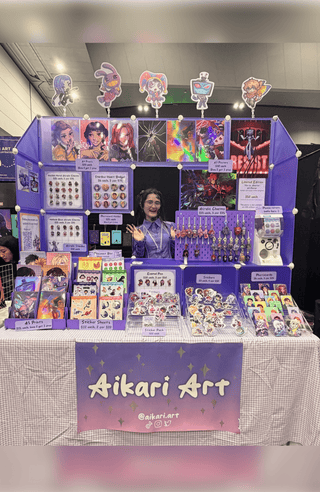
Modular artist display booth at a craft market
Indoor pet playpen enclosure