Artist Back Alley Resources Blog

Planning Your Display Purchase Around Your Five Year Goals

Nobody plans a display purchase around where they'll be in five years. Most people buy for the next show, maybe the next season if they're feeling ambitious. But a booth is one of the few pieces of gear you can actually plan long term, because a good modular system doesn't age out. It just grows with your goals.Ask where you actually want to be, not where you areAre you doing a handful of local markets a year, or are you trying to work your way onto the convention circuit? Do you want a single table setup forever, or do you picture yourself running a double booth with tall framing and a corner wall someday? Your answer should shape which kit you start with, not because you need to buy the biggest one now, but because knowing the destination tells you how much room your system needs to grow into.Buy for today's table, plan for tomorrow's boothThe kit lineup is built exactly for this kind of staged growth. Core at 24 panels covers low walls and half tables for vendors just getting started. Shapeshift Base at 46 panels is the smart default for most single-table setups. Shapeshift at 70 panels is the most popular pick once you're running a full table with tall framing. Shapeshift Max at 92 panels is built for double tables, corners, and full booths, the kind of setup that needs to hold up over years of heavy convention use.Because every panel and connector is cross-compatible across all four kits, you don't have to guess correctly on day one. Start with what fits your table now and add panels as your goals get bigger. Nothing you buy today becomes wasted money later.Think in years, not just weekendsA five year plan isn't about locking in a size. It's about picking a system that won't fight you when your goals change. The display kit fits a standard 180cm table today and scales up to a 360cm double setup whenever you're ready, with the same no-tools setup under 30 minutes at every size along the way.Should I just buy the biggest kit now to save time later?Not necessarily. Buy for your current table. Because everything is cross-compatible, upgrading later is additive, not a replacement. You save money by matching your kit to where you are today.What if my five year goals change?They probably will, and that's fine. The system doesn't care which direction you grow, since every panel and connector works with every other kit in the lineup.How do I know which kit fits my current goals?Match it to your table size and how you're setting up right now, low wall, half table, full table, or double table. That's the honest starting point, not a guess about the future.Plan five years out. Buy for this weekend. A real system lets you do both at once.

Standing Out Without Looking Try Hard

There's a specific look that reads as desperate at a con. Too many signs. Too many fonts. Every inch of table covered in something shouting for a look. It never actually works, and most artists can spot it from three booths away, even if they can't name why it feels off. Standing out isn't about volume. It's about control.The tell is always clutterA booth trying too hard usually has no hierarchy. Prices scrawled on ten different sticky notes, banners competing with each other, art hung with visible gaps and visible tape. None of that is a taste problem, it's a restraint problem. The fix isn't adding a bigger sign. It's removing the smaller ones until what's left actually matters. A clean grid of 35x35cm panels does more work for your booth's credibility than any single flashy element ever will, because consistency reads as intentional even before someone looks at the art itself.Let the structure be quietThe booths that look effortless usually have the least visible hardware. Frosted polypropylene panels and connectors that disappear into the joins mean the eye goes straight to your work instead of getting caught on mismatched grid cubes or exposed zip ties. That's the real difference between a booth that looks curated and one that looks assembled in a hurry, even when both took the same twenty minutes to set up.Consistency beats noveltyYou don't need a gimmick to get remembered. A recognizable color palette across your panels, the same setup style show after show, builds the kind of familiarity that gets people saying "oh I know this booth" before they even check your name tag. That's earned by showing up with a system, not by reinventing your layout every single con out of panic. Starting from a proper modular booth kit means your base structure stays the same and only your art changes, which is exactly the kind of quiet consistency that reads as professional.Pick your one loud thingRestraint doesn't mean boring. It means picking ONE element to be loud, a signature print, a strong color block, a shelf display, and letting everything else support it. A booth with five things competing for attention has zero focal points. A booth with one clear focal point and calm surroundings gets remembered specifically for that one thing, which is a much better outcome than being remembered as "busy."What's the fastest way to fix a cluttered booth?Remove first, add never. Pull anything that isn't your art or your pricing, then only add back what earns its spot. Most vendors are shocked how much better a booth looks with less on it.Do I need matching banners and signage to look put together?Not required, but a consistent panel color across your whole setup does most of that work already. Browse the kit lineup and pick one of the 19+ colours that fits your brand, then stay in that lane every show.How do I stand out without a bigger booth than my neighbors?Height and colour discipline beat size every time. A well organized Core or Shapeshift kit on a standard 6ft table can out-perform a sprawling, disorganized setup twice its footprint.

The Vendor Who Never Had To Rebuy Their Display From Scratch

She started with a single half table at a small local market. Nothing fancy, just enough panel space to hang a dozen prints and stack some stickers. She grabbed a Core kit, 24 panels, set it up in under 30 minutes with no tools, and called it a day.Two years later she's running double tables at a regional convention with corner walls and tall framing behind her print bins. Same vendor. Same original panels. Not one piece of that first Core kit got thrown out.That's the part people don't believe until they see it. Because every panel and connector in the Artist Booths lineup is cross-compatible, her original 24 panels just slotted into the bigger setup when she stepped up to a Shapeshift kit. She didn't sell her old gear on a Facebook group and start over. She added to it.The show that almost broke her old setupThe turning point was a weekend convention where she got bumped to a corner booth with double the table space. Most vendors in that spot either scramble to borrow gear or set up a half-empty table and eat the loss. She placed one order from the kit lineup, picked up the extra panels she needed, and had a full corner wall standing before the venue doors opened. No redesign, no relearning how the connectors worked. Same system, just more of it.She still keeps the spare panels and connectors that shipped with her very first kit in her tote bag. Never needed most of them, but the one time a connector cracked loading out of a car in the rain, she had a replacement clipped in inside two minutes instead of running a table with a visible gap.What she'd tell you if you askedBuy the kit that fits your table today. Don't overspend trying to guess your booth in three years. The whole point of a system built to be cross-compatible is that guessing wrong barely costs you anything. You just add on when the table gets bigger.Her booth today looks nothing like it did at that first small market. Same core parts, though. That's the difference between buying gear and building a system.

The ROI Nobody Talks About: Time Saved On Setup

Everyone talks about display ROI in terms of sales. Fair enough, sales matter. But there's a second return that almost nobody puts a number on: the hours you get back on setup and teardown, show after show, year after year. That time is worth something too, and most vendors are bleeding it without realizing.Setup time is a recurring cost, not a one-offA slow setup doesn't just cost you once. It costs you every single show you do. If a fiddly wire grid setup takes you 90 minutes and a proper kit takes under 30, that's an hour back every event. Run 20 shows a year and you've just recovered 20 hours. That's an entire extra day of your life not spent wrestling with zip ties in a loading dock.Where the wasted time actually goesIt's rarely one big delay. It's death by a hundred small ones: hunting for the right clip, realizing a panel doesn't fit the new booth shape, re-tying something that came loose in transit, discovering halfway through that you're missing a piece. None of these individually feel like a big deal. Stacked across a full event season, they add up to real, measurable hours.What fast setup actually buys youTime back at load-in means you're not rushing your table styling, not skipping breakfast, not opening late while the vendor next to you already has customers browsing. A kit that goes up in under 30 minutes with no tools means you arrive, build, and you're ready. That calm start carries into the whole day. Vendors who aren't frazzled from a stressful setup sell better, plain and simple.This is also where reconfigurability pays off in time, not just money. One kit that adapts to different booth layouts means you're not improvising a new setup every time you get assigned a corner spot instead of your usual straight run. You already know how it goes together, because it's the same system every time.How to actually value thisTake your current setup time, subtract what a modular kit would realistically take, multiply by your shows per year, and put a number on your own hourly rate. Most vendors are shocked at what that adds up to over a few years. It's a real return, even though it never shows up on a sales report.Does a modular kit really set up faster than what I'm using now?If you're currently working with wire grids, folding panels, or anything that needs zip ties or tools, yes, almost always. Our modular display kit is built specifically to go from flat-packed to fully assembled in under 30 minutes with no tools required.Does setup speed change with booth size?It scales with your kit size. From the Core up through the Shapeshift Max, the assembly logic stays the same, so bigger doesn't mean dramatically slower.Is this worth it if I only do a handful of shows a year?The time savings are smaller at low volume, sure. But the durability and no-tools setup still matter even at 4 or 5 shows a year, especially the first time you're rushed. Check the full kit lineup to find the size that matches your actual table footprint.

Fitting A Full Table Backdrop In Checked Luggage

A full table backdrop sounds like something that needs its own oversized bag. It doesn't have to. Here's how vendors are getting a complete standard 6ft table setup into a single suitcase without paying oversize fees or crossing their fingers at baggage claim. Pick a panel system, not a frame system. Rigid frames and PVC pipe backdrops don't collapse small. Flat panels do. A modular booth display kit made from frosted polypropylene folds down to fit inside the standard 56x36x23cm carry-on allowance, which means it can go in checked luggage with plenty of room to spare around it. Match the panel count to your table, not your ambition. A standard 180cm/6ft table doesn't need the biggest kit on the shelf. Core (24 panels) or Shapeshift Base (46) covers most single-table setups. Save Shapeshift (70, the most popular) or Shapeshift Max (92) for corner booths or double spreads. Check the connector weight, not just the panel weight. ABS connectors and PLA hooks are the parts that add up if you're not paying attention. They're deliberately lightweight here, which is the difference between a backdrop that fits your bag and one that blows your checked weight limit. Build height into your packing plan. The system stacks up to 5 panels high, about 175cm, but it still folds flat regardless of how tall you build it on site. Height on the table doesn't mean bulk in the suitcase. Leave room around the kit for padding. Since the whole thing packs flat, you've got space left in a standard checked bag for clothes or soft product to double as cushioning. Don't waste that space on a second half-empty bag. Test the setup once before your trip. No tools, under 30 minutes, but you want that first build to happen at home, not in a hotel room the night before doors open. Don't assume every kit ships the same way. Confirm your kit's exact folded dimensions against your suitcase before you buy, especially if you're already tight on luggage space with product. A full backdrop in one checked bag isn't a workaround. It's just what happens when the panels are built to fold flat in the first place. Compare sizes across the full kit collection before you book your next flight-in show.

How To Fit A Full Product Line On A Tiny Footprint

You make ten different things. Prints, stickers, pins, maybe a few originals, a run of enamel charms. Your booth is 3ft wide. Something has to give, right? Not really. Fitting a full product line into a tiny footprint isn't about cutting your line down, it's about how you stack and sort the space you've got. Zone your wall by product type, not by feeling Most artists build their display by instinct, hanging whatever looks good where there's room. On a small footprint that falls apart fast. Instead, split your panel wall into deliberate zones before you ever set up. Top band for prints at eye level, a middle band for shelved items like pins and charms, bottom band near the table for impulse buys like stickers. A modular booth kit is built for exactly this, the panels connect into a grid you can section off cleanly instead of one messy surface. Let height do the work your table can't A 3ft or 4ft table simply doesn't have the surface area for ten product types laid flat. So don't lay them flat. These panel walls stack up to 5 panels high, roughly 175cm, which means your actual display surface is closer to a small storefront than a table. Prints go up high where they read from a distance. Smaller items come down to arm's reach. You're not choosing which products to leave home, you're choosing which SHELF they live on. Shelves are your product-line multiplier The panels take PLA hooks that hold shelves rated for 5kg each. That's the real trick to a big catalog on a small footprint, every shelf you add is a new product category without adding an inch of floor space. Three shelves at different heights can hold three completely different product lines and still leave your table clear for checkout. Most vendors running a full line off a small booth are using four or five shelves total across the wall. Match the kit to how much line you're actually carrying Not every artist needs the same amount of wall. If your line is mostly prints and stickers, the Shapeshift Base at 46 panels covers a half table setup around 90cm and is plenty of surface. If you're running prints, originals, pins, and merch all at once, the 92-panel Shapeshift Max gives you the biggest build in the lineup and the most zones to sort into. Somewhere in between, the 70-panel Shapeshift is the most popular pick because it fits a full 6ft table when you have one and scales down when you don't. Browse the full range of kit sizes against your actual product count before you buy, not against what looks impressive in a photo. Cut the friction, not the catalog The panels snap together with no tools in under 30 minutes and pack down flat into a case around 56x36x23cm, so reconfiguring your zones between shows costs you nothing but a few minutes. A full product line on a tiny footprint isn't a compromise once your wall is doing the sorting for you. How many product types can actually fit on one small wall? More than you'd think. Artists running six to ten product categories off a single Shapeshift or Shapeshift Base wall is common, the trick is shelf zoning, not table space. Do I need to buy a bigger kit just to carry more products? Not necessarily. Adding shelves to an existing wall often solves it. A bigger kit only makes sense if your table size itself is growing at bigger shows. Will a busy, zoned wall look cluttered on a small table? Only if the zones aren't clean. Clear height bands by product type read as organized. Random placement is what reads as clutter, not the number of products.

How Pastel vs Bold Palettes Change Who Stops At Your Table

Colour is doing more work at your table than you think. Before anyone reads a single print title, they've already decided if your booth feels like THEIR vibe. Here's how pastel and bold palettes actually change who walks up. Pastels slow people down, bolds pull them in fast Soft lilac and frosted pastel panels read as calm and considered. People browsing pastel booths tend to linger longer, flipping through prints one at a time. Bold navy or electric colours grab attention from further away and pull in a faster-moving crowd, but you get less lingering time per shopper. Pastel booths attract a cozy, collector-brand audience If your art leans soft, cottagecore, kawaii, romance, pastel frosted panels match the emotional register of the work. Mismatched bold panels behind soft art can actually undersell it by fighting the tone. Bold palettes win in loud, crowded aisles Big cons with dense rows reward booths that read from twenty feet out. A saturated electric or navy backdrop cuts through visual noise a lot faster than a muted pastel wall does in that environment. Pastels photograph softer, bolds photograph punchier Because the panels are frosted polypropylene, light diffuses through them instead of bouncing off harshly. Pastel tones glow gently in photos; bold tones pop with more contrast. Know which one matches how you want your booth to show up on social before you commit. You don't have to pick just one, if you're strategic With 19+ exclusive frosted colours available across the modular artist booth kits, you can build a mixed palette, a bold frame with pastel accent panels inside it, for example. Just keep the ratio intentional. Mixing evenly reads as indecisive, not layered. Your palette should match your price point, not just your art Shoppers subconsciously associate bold, saturated colour with statement pieces and pastel, muted tones with smaller collectible items. If your table is mostly $5 stickers, a loud bold wall can actually feel mismatched. Match the palette to what you're selling most of. Whichever you choose, consistency beats novelty A display kit you set up the same way every show, in the same two or three colours, builds recognition over time. Repeat customers remember the WALL before they remember your booth number. Pick the palette that matches your art's mood and your audience's pace, then commit to it show after show.

Why Expandable Beats Replaceable Every Time

We're going to say something blunt: if your display can't grow, you bought the wrong display. Doesn't matter how good it looks on day one. If the only way to get bigger is to throw it out and buy a whole new setup, you didn't buy a booth. You bought a countdown to your next purchase.This is why cross-compatibility matters more than almost anything else on a spec sheet. Every panel and connector across the Artist Booths lineup works with every other panel and connector, Core through Shapeshift Max. That single fact changes how you should be shopping. You're not picking a fixed size and hoping it's right forever. You're picking a starting point.Replaceable is the expensive optionVendors who buy the size that fits right now end up paying for the same square footage twice, sometimes three times, as their booth grows. New panels, new connectors, new everything, because none of it talks to the old stuff. That's money that should have gone into inventory or booth fees, not landfill.An expandable system flips that. You start with a kit sized to your current table and every dollar you spend later just adds capacity. Nothing you already own becomes dead weight. The panels from your first Core kit still lock into a Shapeshift Max setup years down the road.Every kit ships with spares included too, so you're never one bent connector away from a scramble the morning of a show. That's not a nice-to-have. That's the difference between a system built to last and a box of parts sold to hit a price point.Setup stays under 30 minutes with no tools whether you're running the smallest wall or a full double-table booth, and the whole display kit scales from a standard 180cm table up to a 360cm double setup without you ever needing to relearn how it goes together.Spend the extra thought up front. Buy into a system, not a size. Your future self, standing behind a bigger table in a bigger hall, will thank you for it.

The Two-Suitcase Rule For Vendors Who Travel Often

If you're doing five, six, ten shows a year, you don't pack like a tourist. You pack like someone who's done this enough times to know exactly what breaks and exactly what doesn't fit. The two-suitcase rule is simple: one bag for your booth, one bag for everything else. No overflow, no third bag, no negotiating with a gate agent at 6am.Suitcase one: the booth, and only the boothThis bag exists for one job. It holds your display structure and nothing else, because mixing product and booth gear in the same bag is how things get crushed. A booth built around frosted polypropylene panels, ABS connectors, and PLA hooks packs flat and stays inside the standard 56x36x23cm carry-on allowance, so this bag can actually travel WITH you instead of riding in the belly of the plane. Whether you run Core (24 panels), Shapeshift Base (46), the ever-popular Shapeshift (70), or Shapeshift Max (92), it collapses down to the same manageable footprint. That's the whole appeal of a modular system over old-school wire or PVC.Suitcase two: product, POS, and personal stuffEverything that isn't the booth lives here. Prints, stickers, your card reader, your clothes for the weekend. Keep it separate from the booth bag so you're never digging through fragile stock to find a connector piece. This is also the bag that tends to grow between shows, so weigh it before every trip. It's easy to let it creep over the limit without noticing.Why two bags beats one big oneA single oversized bag hits weight limits fast and gets flagged for special handling more often. Two bags under the standard allowance move through check-in faster and survive baggage handling better, since neither one is packed to bursting. It also means if one bag gets delayed, you're not stranded without a booth OR your stock.What if my booth needs more than 92 panels?Most vendors don't need more than Shapeshift Max even for a large multi-table spread, but you can run two kits side by side for an oversized layout. Plan the second bag's weight accordingly.How long does setup take after a long travel day?Under 30 minutes, no tools. That number holds even when you're tired, since there's no fiddly hardware to fight with.Does the booth fit a standard convention table?Yes. It's built for a standard 180cm/6ft table and stacks up to 5 panels high, around 175cm, for full wall coverage.Start with the booth display kit itself, or compare sizes across the full kit collection to find your two-suitcase setup.

Why A Broken Display Costs You More Than Money

We've watched a lot of setups fail mid-show. A panel gives out an hour into doors, a grid sags and dumps prints onto the floor, a clip snaps and suddenly your whole wall is leaning on your neighbor's table. And every time, the first thing a vendor says is some version of "it's fine, it's just a panel." It's not just a panel.The moment your display breaks in front of customers, you stop being an artist and start being a stressed person duct-taping furniture. That's the real cost. Not the replacement part. The twenty minutes you spend crouched behind your table instead of talking to the person who was about to buy a print. The conversation you don't have because you're distracted watching your own booth wobble every time someone leans on it.Customers read your setup before they read your artPeople decide whether to stop at your table in about two seconds, and most of that decision is visual. A booth that looks stable and put together reads as PROFESSIONAL before anyone's seen a single piece of your work. A booth that's visibly held together with binder clips reads as risky, and people don't linger at risky. That's not fair, but it's how foot traffic works at a con.And it compounds. The vendors next to you notice too. Word gets around a small con circuit fast. Nobody wants to be the table other artists quietly avoid setting up beside because your grid keeps threatening to fall into their space.The gear you rely on isn't just storage for your art. It's the thing that lets you actually run your booth instead of babysitting it. A kit that sets up in under 30 minutes and stays solid for the whole day means you spend your energy on customers, not repairs. That's the entire point of buying something built properly the first time, like our modular display kit, instead of patching together whatever's cheapest.A broken display doesn't just cost you a part. It costs you the sale you were mid-conversation for, the reputation with the artist next to you, and the whole afternoon of energy you meant to spend selling instead of fixing. Browse the kit lineup before your next show, not after the panel that finally gives out.

The Aesthetic Shortcut: Let Your Backdrop Do The Branding

We've watched this happen at every con we've ever set foot in. An artist spends months on a big handmade sign, hand-lettered, glittered, the works. It takes four hours to set up and it still doesn't read from ten feet away. Two booths down, someone with a clean colour-matched backdrop and zero signage is the one pulling a crowd.Signage is not the shortcut people think it is. Colour is. Your brain reads colour before it reads text, every single time. A shopper walking a crowded aisle is not stopping to parse your logo font. They're reacting to a WALL of colour that either matches your art or doesn't.Your backdrop is already doing the talkingThis is the whole argument for frosted panel walls over printed banners. A modular booth kit comes in 19+ exclusive frosted colours, and because the panels are frosted polypropylene, light passes through and diffuses instead of glaring off a flat printed surface. Your prints sit in front of a glow, not a shadow. That reads as intentional from across the room, no sign required.We're not saying ditch your logo. We're saying stop leaning on it to do the heavy lifting. Let the backdrop establish the vibe in half a second, then let your actual art close the sale once someone's standing at your table.Practically, this means picking two or three panel colours that match your brand palette and building your booth around THEM, not around a banner you'll reprint every season. The panels lock onto a standard 180cm table, build up to five high, and pack flat when you're done, so the same colour statement travels with you show after show. Check the full artist booth kit lineup before you sink another weekend into a sign nobody's going to read.Your backdrop is your branding. Everything else is decoration.

Small Market Stalls: What To Bring And What To Leave Home

Small market stalls have a way of humbling artists who are used to big conventions. You get half the footprint, half the time to set up, and zero patience from the organizer if your gear spills into the walkway. Here's what actually earns its spot on a tight stall, and what should just stay in the garage. Bring these six 1. A modular panel wall, not a banner stand. A single banner stand gives you one flat surface and nothing else. A modular panel kit builds a real wall behind your table, up to 5 panels high at around 175cm, so your display goes vertical instead of eating table space you don't have. 2. The smallest kit that still does the job. For a genuinely tiny stall, the Core kit with 24 panels is plenty. It gives you a compact backdrop without the bulk of a bigger build, and it still packs into a carry-on sized case around 56x36x23cm. 3. Two or three shelves, max. PLA hooks clip shelves straight onto the panel wall, each holding up to 5kg. That's enough for your best sellers and nothing else. Resist the urge to hang five. 4. A card reader that lives in your pocket. Small stalls mean small counters. You want payment sorted in seconds, not a bulky terminal eating your only flat surface. 5. Clear small-item pricing. Stickers, pins, anything under $20 needs a price customers can read from three feet away without asking. Tiny stalls move fast, browsers won't wait for you to explain pricing one item at a time. 6. One statement piece, front and center. A single strong print or piece at eye level does more work than ten scattered originals. On a small footprint, one focal point beats a wall of noise. Leave these four at home 1. Grid wall panels and zip ties. Metal grid walls take forever to assemble, need tools, and eat floor space with their base stands. A tool-free panel kit sets up in under 30 minutes and packs flat when you're done. 2. Your full print catalog. Bringing every print you own to a stall with room for twenty is how you end up digging through bins while a customer waits. Curate hard before you leave the house. 3. Bulky signage stands. A free-standing A-frame sign takes up floor real estate you don't have. Your panel wall is already tall enough to carry your branding, use it instead of adding another object to the footprint. 4. Backup furniture you won't use. Extra folding chairs, a second table, a spare rack. If it's not going to fit inside your assigned space, it's dead weight in the car and clutter behind your stall. Small stalls reward whoever edits hardest. Whatever you build your booth around, from the full range of modular kits down to a single Core wall, the goal is the same. Bring less, but make every inch of it count.

Why Bulky Wire Grids Don't Survive Airline Baggage Fees

We've watched this happen at every con with a decent flight-in crowd. Someone rolls up to check-in with a giant duffel of wire grid panels, the agent weighs it, and the number is BRUTAL. Now they're paying more for the bag than they paid for their flight. We are not exaggerating.Wire grids were designed for a van and a folding table, not a boarding gate. They're heavy because steel is heavy. There's no way around that math. And once you're flying instead of driving, every kilogram is a line item. Airlines don't have a special rate for "this is my livelihood, not luggage." It's just weight, and weight costs money.The fee isn't the only costIt's the stress too. Dragging an oversized checked bag through security, praying it doesn't get flagged, watching it disappear onto a belt and hoping it shows up in one piece at the other end. Wire grids also bend. A dented panel doesn't fold flat anymore, and now you're duct-taping your booth together in a hotel lobby.Here's the blunt take: if you fly to more than one show a year, wire grids are actively costing you money and sanity. A booth built from frosted polypropylene panels with ABS connectors packs FLAT into the standard carry-on size, 56x36x23cm. That's not a workaround. That's just what it weighs when you build it from the right materials in the first place.You still get a real booth. Core through Shapeshift Max covers everything from a single table to a full 92-panel wall, and it still builds up to 175cm tall on a standard 6ft table. Setup is under 30 minutes with no tools, which matters more when you're jet-lagged and running on con-day adrenaline.Stop paying to fly your own display case around the country. Look at the modular booth display kit or browse the full kit collection before your next flight-in show, not after the baggage fee hits your card.

Comparing The Five Year Cost Of A Wire Grid vs A Modular Kit

A $20 wire grid cube looks like the cheap option. Over five years and dozens of shows, it usually isn't. Here's what actually happens to the two paths once you zoom out past show one.1. Replacement frequencyWire grids bend. Zip ties snap mid-load-in. The powder coating chips and starts leaving rust marks on your prints. Most vendors running wire grids replace panels or whole cubes every year or two. A modular kit is built to last for years across many conventions, so the replacement cycle basically disappears.2. Transport and storage costsWire cubes are awkward. They don't stack cleanly, they eat trunk space, and half of vendors end up buying a second storage tote just for grid clips and connectors. A kit that packs flat travels light and stores in a fraction of the space, which matters more than people expect once you're doing 15+ shows a year.3. Setup time, multiplied across every showTen minutes lost fighting a sagging grid doesn't sound like much until you multiply it by 20 shows a year for five years. That's real hours gone, every single one of them unpaid and stressful, usually while a line is already forming at the next booth over.4. Damaged inventoryWire grids flex under weight. Prints slip, corners bend, and clips that loosen mid-day can drop merchandise onto a convention floor. That's stock you paid to produce, gone or damaged, and it happens more than vendors like to admit.5. The layout ceilingA wire grid is basically one shape. You can angle it, sure, but you can't reconfigure it into a corner setup, a straight run, and an endcap without buying more grids. One modular kit reconfigures into different layouts, so a bigger booth or an awkward assigned spot doesn't mean an emergency purchase the week before the show.6. Resale and upgrade valueNobody wants your bent, rusted wire cubes in year four. A well built kit holds its condition and its usefulness far longer, which matters if you ever want to resize your setup as your table grows.Add all six of these up over five years and the wire grid path usually costs more, not less. It just costs in small annoying increments that never show up on one receipt. If you want to see what the other path looks like, our modular display kit is designed exactly around fixing these six problems, and the full kit range covers everything from a small first table to a full booth build.Cheap up front and expensive over time is still expensive. Do the five year math before you buy.

Building A Display System, Not Just A One-Time Setup

Most people buy a display for one show. They think about the next weekend, not the next five years. That's the wrong way to shop if you're serious about this. A booth isn't a purchase you make once. It's a system you build, piece by piece, show by show.Artist Booths kits are built around that idea. Every panel and every connector is cross-compatible across the whole lineup, so what you buy today still works when you buy more next year. You're not starting over. You're adding on.Start with what fits your table nowYou don't need to buy the biggest kit on day one. The modular kit lineup runs from Core (24 panels, good for low walls or a half table setup) up through Shapeshift Base at 46 panels, Shapeshift at 70 panels, and Shapeshift Max at 92 panels for double tables, corners, and full booths. Most vendors start smaller than they think they need to. That's fine. The system is built to grow with you.Every kit already plans ahead for youHere's the part people miss: every kit ships with spares included and panel and connector counts that are matched to the setup, not stripped down to a bare minimum. You're not buying a kit that only just barely does the job. You're buying one that's ready to flex the moment your table layout changes, a corner gets added, or a connector takes a hit in transit and needs swapping on the spot.Expanding later doesn't mean replacing anythingThis is the whole point of a modular system. When you outgrow your current setup, you don't sell it and start fresh. You add panels from a bigger kit and everything locks together the same way it did on day one. The display kit itself fits a standard 180cm/6ft table out of the box and scales all the way up to a 360cm/12ft double setup when you're ready for it. No tools, no reinvention, under 30 minutes to set up even as the system gets bigger.Vendors who plan this way spend less over three or four years than the ones who keep replacing their whole booth every time their table size changes. That's the actual math behind buying a system instead of a one-off.Do I need to know my final booth size before I buy?No. Start with the kit that matches your current table. Because every panel and connector is cross-compatible, you can add capacity later without replacing anything you already own.What if I only do small local markets right now?Core or Shapeshift Base cover that just fine. The point of buying into the system early is that when you move up to bigger conventions, you're expanding, not starting from scratch.Does a bigger kit take longer to set up?Not really. Every kit is designed for a no-tools setup under 30 minutes, whether you're running a 24-panel Core wall or a 92-panel Max booth.Buy for where you're headed, not just for this weekend. That's the whole idea.

The Difference Between A Table And A Destination

We've watched this happen at every con we've ever set foot in. Two artists, same size table, same aisle traffic, same hour of the day. One has a cloth over a folding table and a few prints propped against a bin. The other has a wall. People walk past the first without slowing down. People stop at the second before they've even seen what's on it.That's the whole gap. A table is furniture you happen to be standing behind. A destination is a space someone decides to walk into. Nobody browses furniture. People browse destinations.It's not really about moneyA lot of vendors assume the difference is budget, that the artists with walls just spent more than they did. Sometimes true, usually not. We've seen a single 46-panel Shapeshift Base kit turn a bare table into something that reads like an actual storefront, and we've seen artists blow real money on custom booths that still photograph flat because there's no structure to the layout. Panels alone don't do it. What does it is height, grouping, and a wall that gives your eye somewhere to land first.The artists running destination booths aren't necessarily more talented. They just stopped treating the table as the whole booth. The table is where a purchase happens. The WALL is what gets someone to stop walking in the first place. If your best work is lying flat in a bin waiting for someone to flip through it, you're relying on people who were already going to buy from you. Everyone else just walks by.Setup time is the real reason most people skip this. Nobody wants to spend two hours building a wall before doors open, so they don't build one. That's fair, and it's also solvable. A panel system that clicks together tool-free in under 30 minutes removes the excuse entirely. You're not choosing between a table and a wall because of effort anymore, you're choosing because of what you actually want your booth to do.If you're still deciding, start here: the modular booth kit that most vendors run, or scan the whole kit range and pick the size that fits your table and your stock, not the biggest one available. Build a destination. The table was never the point.

Making A Three Foot Table Work As Hard As A Six Foot One

Most artists don't get to pick their table. You show up, you get assigned a 3ft space wedged between two other vendors, and you have maybe twenty minutes to make it look like a real booth. If you've only ever set up on a full 6ft table, that first 3ft show can feel like a gut punch. Your whole layout doesn't fit. Half your prints are staying in the bin. Here's the thing though. A 3ft table isn't a smaller version of your booth. It's a different booth. Once you stop trying to shrink your 6ft setup down and start building for the space you actually have, small tables stop being a problem and start being a strength. Tight footprints force focus, and focus sells. Go vertical before you go wide The single biggest mistake artists make on small tables is thinking horizontally. You've got maybe 36 inches of surface, so the instinct is to lay everything flat and cram it in. Wrong move. The real estate you're wasting is above the table, not beside it. A modular panel display kit solves this because it builds UP, not out. The 35x35cm frosted panels connect with ABS connectors into a wall behind your table and can stack up to 5 panels high, around 175cm. That's a whole extra display surface that costs you zero table inches. Prints, stickers, small originals, all of it can live on the wall while your table stays clear for browsing and transactions. Pick the kit that actually matches your footprint This is where a lot of vendors overbuy or underbuy. If you're mostly doing 3ft and 4ft shows, you don't need the biggest kit on the shelf. The Shapeshift Base, 46 panels, is the smart default for this exact situation. It's built for low, half-table setups around 90cm wide, so it hugs a 3ft table without swallowing the aisle behind you or the neighbor booth next to you. If you're the kind of artist who works both small 3ft shows and full 6ft conventions, the 70-panel Shapeshift is worth a look. It's the most popular kit for a reason, it fits a full 180cm/6ft table when you need the room, and you simply build a smaller wall out of the same panels when the table shrinks. One kit, two booths. Everything in the modular booth kit collection works this way, the panels don't care how big your table is, only how you connect them. Use shelves to double your surface without doubling your footprint Once your wall is up, the PLA hooks let you hang shelves off the panels themselves, each rated to hold 5kg. That's real weight, resin pieces, ceramics, stacks of prints, whatever you're carrying. Instead of your table being the only flat surface in the booth, you've got two or three more floating right above eye level. Customers browse a shelf the same way they browse a table, they just don't realize they're standing at a 3ft booth. Don't fight the setup clock Small shows usually mean tight load-in windows too. You don't want to be wrestling grommets and zip ties twenty minutes before doors open. These kits snap together with no tools and go up in under 30 minutes, and they pack flat into a case around 56x36x23cm, small enough to carry on a flight if your con is out of town. When your booth for a tiny table sets up as fast as your booth for a huge one, you stop dreading the small shows. Do I need a different kit for every table size I get assigned? No. That's the whole point of a modular system. You build a smaller wall for a 3ft table and a bigger one for 6ft, using the same panels either way. Most artists keep one kit and just reconfigure it show to show. Will a tall panel wall make my 3ft space feel cramped? Not if you keep the base footprint narrow. Going vertical is what SAVES your floor space, since you're not spreading racks and grid walls sideways into the aisle. A narrow, tall wall reads as organized, not crowded. What ships fastest if my show is coming up soon? Orders ship out of Sydney with 1-3 day processing to over 50 countries, so there's usually still time to get a kit built before a con even if you're planning late.

Packing Smart For A Con You're Flying To Solo

Flying solo to a con is a different animal than driving with a trunk full of gear and a friend to help carry it. You've got one set of hands, one suitcase allowance, and zero backup if something doesn't fit. Get the packing right and the whole trip feels manageable. Get it wrong and you're improvising a booth out of hotel furniture at 11pm.Start with what actually needs to travelCut the list down to essentials before you even open a suitcase. Your booth structure, your product, your payment setup, your signage. Everything else is negotiable. Solo travel means every extra bag is extra weight YOU are hauling through an airport alone, so ruthlessness pays off here.Choose a booth system built for one personThis is where most first-time solo vendors get burned. Traditional wire grids or PVC frameworks need two people to wrangle and a separate oversized bag to check. A modular artist booth display kit solves that specific problem. It packs completely flat inside the standard 56x36x23cm carry-on allowance, so it can ride with you instead of getting lost at baggage claim two hours before doors open. Frosted polypropylene panels with ABS connectors and PLA hooks keep the whole thing light enough for one person to carry from gate to Uber to hotel room without a trolley.Match the kit size to your actual tableDon't overbuy. Core covers 24 panels for a tight single-table booth. Shapeshift Base runs 46. Shapeshift sits at 70 panels and is the most popular pick for a standard full booth. Shapeshift Max scales to 92 for vendors who need serious wall coverage. All of them fit a standard 180cm table and build up to 5 panels high, about 175cm, without needing a second person to hold anything steady.Build in a buffer for setup daySolo con days start early and things go wrong. Give yourself time. Setup takes under 30 minutes with no tools, which is a gift when you're also unpacking product, taping down a tablecloth, and figuring out where the outlet is. Don't cut it close on your first solo trip. Arrive with margin.How much does the kit actually weigh?The materials are chosen specifically to stay light. Polypropylene panels and PLA hooks mean you're not hauling steel across an airport, which matters a lot when you're the only one carrying it.Will it survive being checked instead of carried on?It's built to travel either way, but packing it as a carry-on avoids baggage handling entirely and keeps it in your control the whole trip, which solo travelers tend to prefer.Can one person really set this up alone?Yes. No tools and no second set of hands required, which is the whole point for a solo vendor.Check the full collection of modular booth kits before you book your flight, not after.

How To Build A Booth People Photograph Without Asking

Some booths get photographed constantly. Not because anyone asked, not because there's a sign begging for it, just because the setup gives people a reason to lift their phone. Here's what those booths actually do differently. They commit to one color story. A wall where every panel is the same frosted white with color living only in the art reads clean in photos. Mixed background colors compete with your work and muddy the shot. Pick a lane and stay in it across every panel. They leave negative space on purpose. A wall packed edge to edge photographs as clutter, even when the individual pieces are gorgeous. Gaps between groupings give the camera somewhere to rest, and they make your best pieces look intentional instead of crammed in wherever there was room. They use height changes, not just a flat grid. A shelf holding a small print or a figure at a different depth than the wall behind it creates the kind of dimension that a flat photo actually needs to look three-dimensional. This is where a shelf-capable panel system earns its spot, holding up to 5kg per shelf without sagging mid-con. They put one hero piece where the light hits it. Con lighting is rarely kind. Booths that scout their spot and angle the standout print toward the aisle light, rather than burying it in a corner, end up in more photos because the shot actually looks good without editing. They keep the structure invisible. Visible cable ties, mismatched grid cubes, wobbly frames, all of it reads in photos even when it's small in person. A proper modular display kit uses ABS connectors and PLA hooks that disappear behind the panels, so the photo is just your art, not your hardware. They match their setup to their table, not the other way around. A booth built to actually fit a standard 180cm (6ft) table looks proportioned. One stretched too wide or crammed too narrow looks like it's fighting the furniture, and that awkwardness shows up in every photo whether you notice it in person or not. They swap it up between shows. The booths that keep getting photographed over a season aren't running the identical layout every single time. Because the panel system packs flat into a carry-on sized case (56x36x23cm) and rebuilds in under 30 minutes with no tools, rearranging between cons is realistic instead of a chore, so regulars always see something a little new. None of this is about spending more. It's about being deliberate with the same square footage everyone else has. Start from a kit built for exactly this, browse the full range of modular kits and pick the panel count that actually matches your inventory, not the biggest one on the page.

The Investment Vendors Wish They'd Made In Year One

Talk to any vendor who's been doing this five years and you'll hear some version of the same story. First year, they bought whatever was cheap. Wire grid cubes from a hardware store, a folding table, some binder clips. It worked, technically. It also looked like a garage sale next to the booth beside them.One artist we talked to described her first con setup like this: three wire cube grids zip-tied together, sagging under the weight of prints, corners poking into the aisle. She sold okay. Not great. People walked past because nothing about the booth said this artist takes their work seriously. The art was good. The presentation undersold it.By year two she'd upgraded piece by piece. A better light here, a nicer tablecloth there. Still patchwork. It wasn't until year three that she finally bought one proper modular display kit and reconfigured her whole setup around it. Her words: "I wish I'd just done this in year one instead of buying five cheap things that all needed replacing anyway."The pattern is almost always the sameVendors don't usually make one bad purchase. They make several small ones, spread across a few years, because the sticker price of a proper kit feels big up front compared to a $20 wire cube. But add up what actually got spent on grids, zip ties, replacement tablecloths, transport bins that didn't quite fit the car, and it's rarely cheaper. It's just spread out and easier to ignore.A modular kit is a different kind of purchase. It's ONE thing. It reconfigures into different layouts depending on the booth size you get assigned, so you're not buying new gear every time a con hands you a corner spot instead of your usual straight run. It packs flat, it travels light, and it's built to last for years across many shows, not just the next one.What year one actually needsYou don't need to know your final table layout in year one. You don't need to have your brand fully figured out. What you DO need is something structurally sound that won't need replacing by year three, and something that sets up fast enough that you're not sweating load-in while everyone else is already open for business.Setup under 30 minutes, no tools, is the kind of detail that sounds minor until you're doing it at 7am before a show with a coffee in one hand. Vendors who buy the right kit early get years of shows out of it instead of a drawer full of retired gear.Our whole range, from the Core up to the Shapeshift Max, exists because artists kept telling us the same thing this vendor told us. They wished they'd skipped the trial-and-error phase entirely. If you're weighing that decision right now, the full kit lineup is worth a look before you spend on anything else.You can't get year one back. But you can stop wasting year two and three on gear you'll end up replacing anyway.
60-second quizExtra 5% off

Find your ideal display kit size in 60 seconds & score extra 5% off

What are your planned setups going to be?
Half table (90cm / 3ft)
Sharing a table or just starting out
Full table (180cm / 6ft)
The standard table at most cons, markets & fairs
Double, corner or booth (360cm / 12ft)
Two tables, an L-shape, or a full corner stand
Free-standing booth (no table)
A floor-standing wall, no table needed
Select all that apply
How long do you plan to use it?
Just trying it out
1–3 times
Going to do markets more often
3–20 times/year
Multi-year use
Built to last, with room to grow
What do you display?
Small prints, cards, pins & stickers
Flat, lightweight, easy to pin
Large prints & posters
A2 and up, needs room to breathe
Large items : Apparel/bags/figures/3d merch/home goods
Heavier, bulkier pieces that need sturdy shelf framing
Jewellery, charms & keychains
Small and light, lots of little hooks
Select all that apply
How tall do you want it?
Keep it low so my table and wall stay visible
A clean, low backdrop that frames your work
Build tall framing for maximum impact
A towering wall that pulls eyes from across the hall
Which colours catch your eye?
Amber Yellow
Apricot
Avocado Green
Blue Sky
Forest Green
Fully Black
Grape Purple
Ivory White
Jade Green
Lavender Purple
Lilac Purple
Mint Green
Royal Blue
Scarlet Red
Snow White
Tan Brown
Terracotta
Watermelon Pink
Yuzu Yellow
Select all that apply
Your perfect kit and an extra 5% off are ready, pop in your email below to reveal both.
Unlock your kit & bonus 5% discount
Pop in your email and we'll reveal your extra 5% off, auto-applied at your cart.
Your result
Your perfect match
Your stall. Infinite installs.

Lightweight panels and snap on connectors shapeshift together.

Iron frame with frosted, water resistant surfaces for light & mighty structures.
Shapeshift kit part
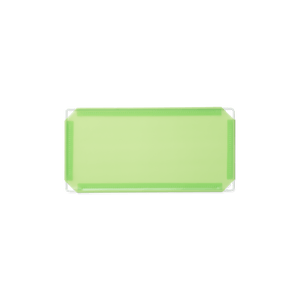
Artistbooths Bundle Component Frosted Lavender Purple (PMS 2715 C) Panel Square (35x35 cm) [8-pack]
Shapeshift kit part
B-grade artist booth panel - discounted cosmetic-second stock
Shapeshift kit part
Shapeshift kit part
Artistbooths Bundle Component Frosted Lilac Purple (PMS 263 C) BOOF Panel Triangle (35x35 cm) [2-pack]
Shapeshift kit part
Shapeshift kit part
Shapeshift kit part
Shapeshift kit part
Shapeshift kit part
Artistbooths Bundle Component Frosted Lilac Purple (PMS 263 C) BOOF Panel Half Square (35x17.5 cm) [4-pack]
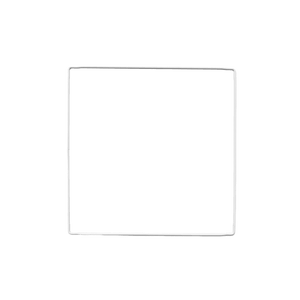
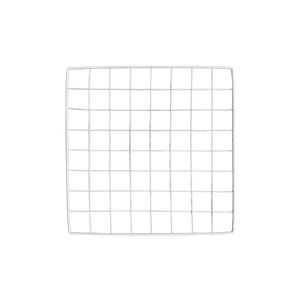
Artistbooths Single Connectors & Accessories White Square Wire Grid (35x35 cm)
Shapeshift kit part
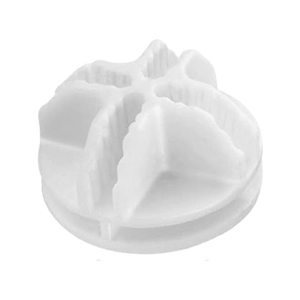
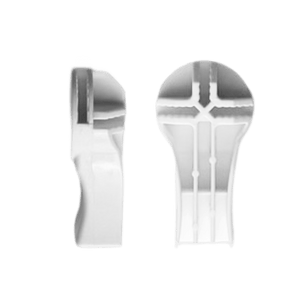
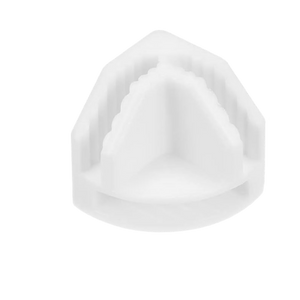
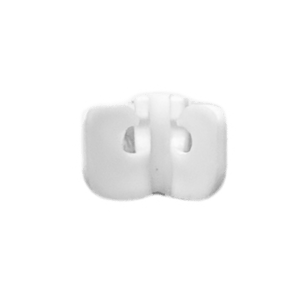
Artistbooths Single Connectors & Accessories White Edge Connector

Stand out pop ups.Shapeshifting setups.

Custom shapes and mix-and-match colours, built to sell for years.

Shop
Scroll

build a booth that builds a crowd

Little parts. Big payoff.

Why makers love our booths.

Every detail pulls its weight.

Stand out, sell out.

Be the eye-catching brand whose cohesive look draws a crowd and gets remembered.

Grow with you.

Enough parts to range products from small table to large booth.

Shape your brand.

Triangles, rectangles, hinge panels and connectors, in colours you mix yourself, for infinite display setups.

Be memorable.

Seasonal colours keep your brand unique. Frosted finish gives your art a soft spotlight.

Range & sell more.

Self-serve more customers with parts that make the most of smaller spaces.

Strong where it counts.

An iron core holds heavy stock whilst water-resistant surfaces shrug off spills and weather.

Packs light, carries safe.

Panels weigh 150g each. The double-wall carry box protects up to 30 decorated panels every trip.

Spares for years.

Every kit packs extra parts, so when you scale up or lose a piece you can keep running your vision.

Your products centre stage

Light diffusing panels.

Anti glare & bright product display

Build your modular display kit

Mix and match colours and shapes. Sized for market, convention and trade-show tables up to 6 ft / 180cm.

1. Choose kit size
2. Choose your kit colours
Only available
2aChoose your base 24 square & 22 multi-shape panel colours What colour would you like the first half of multi-shape panel colours to be?
Get a 2-colour setup by swapping 24 of 48 square panels to another colour.
Get a 2-colour setup by swapping half your panels to another colour.
2bWhat colour do you want the other 24 squares to be in this kit? What colour do you want the other half of your kit to be? Included · $0
Get a multi-colour setup by swapping 24 of 48 square panels in another colour.
Get a 2-colour setup by swapping half of square & multishape panels into another colour
3. Bundle and Save (optional)

Range more & get creative with more colours, shapes & display accessories.

15% off accessory packs when bundled with kits
Shapeshift Base Kit
46 multi-shape panels156 accessories

Shapeshift Base Kit Add-on

$559.00

Grape Purple Frosted

Square Panel [24 Pack] (35cm / 13.8in) Add-on

Square Panel [24 Pack] (35cm / 13.8in) Add-on

$450.00

Scarlet Red Frosted

Triangles Panels 4 Pack [35cm / 13.78in] Add-on

Triangles Panels 4 Pack [35cm / 13.78in] Add-on

$100.00

Terracotta Frosted

Half-Squares panels [5 Pack] [17.5x35cm / 6.89x13.78in] Add-on

Half-Squares panels [5 Pack] [17.5x35cm / 6.89x13.78in] Add-on

$100.00

Tan Brown Frosted

Self Serve Hook with wire grid T clip  8cm [10 pack] Add-on

Self Serve Hook with wire grid T clip 8cm [10 pack] Add-on

$40.00

Self serve display Grid & Intersection Hook expansion pack [12/24 Mixed pack] Add-on

Self serve display Grid & Intersection Hook expansion pack [12/24 Mixed pack] Add-on

$100.00

Multi Connector Expansion Pack - White - Bundle & Save [16/32 mixed pack] Add-on

Multi Connector Expansion Pack - White - Bundle & Save [16/32 mixed pack] Add-on

$120.00

Square Wire Grid Expansion Pack - 35cm x 35cm/13.7"x13.7" Add-on

Square Wire Grid Expansion Pack - 35cm x 35cm/13.7"x13.7" Add-on

$60.00

Hinged Square panels [5 Pack] [35cm / 13.78in] Add-on

Hinged Square panels [5 Pack] [35cm / 13.78in] Add-on

$100.00

Forest Green Frosted

Mini Rectangle Panels [5-Pack] (17cm x 35cm/6.69in x 13.78in) Add-on

Mini Rectangle Panels [5-Pack] (17cm x 35cm/6.69in x 13.78in) Add-on

$100.00

Amber Yellow Frosted

Foot Connector Expansion Pack [4 Pcs] Add-on

Foot Connector Expansion Pack [4 Pcs] Add-on

$59.00

Mixed Single & Double Wire Shelf Clip [9 pack] Add-on

Mixed Single & Double Wire Shelf Clip [9 pack] Add-on

$45.00

Booth Wheel & Wheel Connector - white - [4 pack] Add-on

Booth Wheel & Wheel Connector - white - [4 pack] Add-on

$60.00

Corner Connector Expansion Pack [8 pack] Add-on

Corner Connector Expansion Pack [8 pack] Add-on

$60.00

Edge Connector [8 pack] Add-on

Edge Connector [8 pack] Add-on

$60.00

Single Shelf Wire Clip White [5 pack] Add-on

Single Shelf Wire Clip White [5 pack] Add-on

$35.00

Double shelf wire clip white [4 pack] Add-on

Double shelf wire clip white [4 pack] Add-on

$30.00

Self serve display Grid & Fold Hook expansion pack [12/24 Mixed pack] Add-on

Self serve display Grid & Fold Hook expansion pack [12/24 Mixed pack] Add-on

$110.00

Foldable Self Serve Hook (with wire clip) - [20 pack] Add-on

Foldable Self Serve Hook (with wire clip) - [20 pack] Add-on

$80.00

White

Foldable Self Serve Hooks (with adhesive sheet) [20 pack] Add-on

Foldable Self Serve Hooks (with adhesive sheet) [20 pack] Add-on

$50.00

White

Metal mallet (with dual rubber/soft tap sides) [1 pc] Add-on

Metal mallet (with dual rubber/soft tap sides) [1 pc] Add-on

$40.00

Panel Clamp Black 3cm Mouth [4 pcs] Add-on

Panel Clamp Black 3cm Mouth [4 pcs] Add-on

$40.00

17" ITA Tote (40x35cm) Puffy Purple + Pin pad with 5 pockets Add-On

17" ITA Tote (40x35cm) Puffy Purple + Pin pad with 5 pockets Add-On

$129.00

Foldable Croc Hooks (adhesive) - 10-pack

Foldable Croc Hooks (adhesive) - 10-pack

$50.00

Black

Dual headed metal mallet (with soft tap side)

Dual headed metal mallet (with soft tap side)

$40.00

Your bundle
Free express shipping deal
Orders over $300 AUD
dhm
Free Exp. Shipping (2-7 bus.days) d h m
Your selection
American Express Apple Pay BancontactGoogle Pay Mastercard Shop Pay Union PayVisa JCBDiscoverDiners ClubMaestro
🌐 We ship globally express tracked⭐ 4.9🇦🇺 Designed in Aus
Build your own
Duo color display
Colorful display

Modular cube panels that snap together in minutes. Pick a color to start with and build & grow. for years.

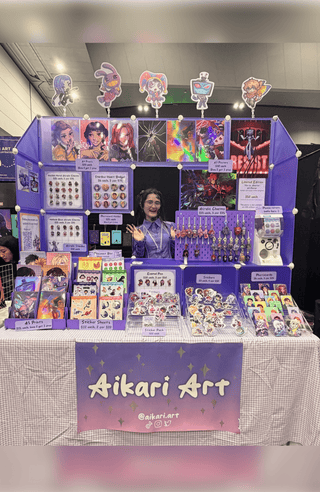
Modular artist display booth at a craft market
Indoor pet playpen enclosure