Artist Back Alley Resources Blog

The Sagging Table Problem And How To Actually Fix It

We've all seen the table that's basically collapsing under a stack of prints. The middle bows, the corners lift, and by hour three the whole thing looks like it's giving up on life. Don't be that table. This is a fixable problem, and it's not about buying MORE stuff, it's about buying the RIGHT stuff. Why tables sag in the first place Standard folding tables are built for buffets, not for holding fifty stacked prints plus a cash box plus a laptop plus a wire rack on top. The weight isn't distributed, it's all pressing down on a thin panel with weak center support. Add a cheap grid on top that wasn't rated for real product weight, and you've basically built a slow-motion collapse into your own booth. The wire grid is usually the real culprit People blame the table, but a lot of the sag actually comes from an undersized wire grid bowing under prints that are too heavy for it, then pulling the whole setup forward. Wire grids are cheap for a reason. They're not built to hold real inventory weight over a full day, and once they start to bend they don't go back. The actual fix: shelving rated for the load This is where a real panel system earns its keep. Panels built correctly hold up to 5kg per shelf, so a stack of prints or a row of merch sits flat and level for the whole show, not just the first hour before the wobble sets in. It's not about adding more support to a bad system, it's about starting with a system that was designed to carry weight in the first place. Match your kit size to your actual inventory Sagging also happens when vendors try to cram a huge inventory onto a small setup. If you're consistently overloading your shelves, you probably need more panels, not more zip ties. The Core kit runs 24 panels for smaller setups, Shapeshift Base steps up to 46, Shapeshift at 70 panels is the most popular for a reason, and Shapeshift Max goes up to 92 panels and can build up to 175cm tall. Pick the size that actually matches how much stock you carry. How much weight can a properly built shelf actually hold? Up to 5kg per shelf when the panels are assembled correctly. That covers stacked prints, sticker sheets, small merch, and more without bowing. Will a bigger kit fix my sagging problem? Only if the sagging is from overcrowding. If it's your table or grid that's the weak point, the fix is a properly rated shelving system, not just more panels. How fast can I set up a sturdier display before doors open? Under 30 minutes, no tools required. That's fast enough to swap your whole setup the morning of a con if you need to. If your table has been sagging every show, it's worth looking at a proper modular display kit designed to hold real weight on a standard 180cm table. Compare sizes in the full kit lineup.

Planning Your Income Around A Convention Calendar

Con income doesn't land in a straight line. It comes in bursts, weekends where you make real money, then quiet stretches where nothing's happening. If you're treating this like a career and not a side hustle, your calendar IS your income plan. Ignore it and you'll be broke in February wondering where the money went.Map the year before you book anythingBig cons cluster in certain seasons depending on your region. Some vendors chase every show they can get into, then burn out by month four. A better approach: map the full year first, mark the shows that reliably draw crowds for your genre, and build gaps in between for restocking and actual rest. A calendar with no gaps isn't ambition, it's a burnout plan.Every show has to justify its table feeTravel, table fee, hotel if it's out of town, all of that comes out before you see profit. A show three states away with a cheap table fee can still lose you money once gas and a hotel room are factored in. Track this per show, not just per year, so you can tell which cons are actually worth repeating.Your table's capacity affects how many shows you can even doIf build time eats an hour every morning, that's real fatigue across a three-day con, times however many shows you do a year. A setup that goes up in under 30 minutes with no tools means less exhaustion per show, which means you can actually sustain a heavier calendar without burning out. Our modular display kit is built for vendors doing this over and over, not just once.Build for the calendar you WANT, not the one you're onIf your plan is to add more shows next year, buy a kit that scales with you now instead of replacing it every six months. Core (24 panels) fits an early calendar. Shapeshift (70 panels) is where most full con-circuit vendors land. Shapeshift Max (92 panels) is for the heavy circuit, built for years of repeated setup and teardown. Compare the kit lineup against your actual con schedule for next year.How far ahead should I plan my con calendar?Most established vendors are booking six to twelve months out, since good tables at popular cons sell out early. Start your planning now for shows a year from now.Should I take every con I get into?No. A con that doesn't draw your audience or doesn't cover its own costs isn't worth a weekend of your life. Track results per show and cut the ones that underperform.How do I avoid burnout on a heavy show calendar?Build in gap weekends deliberately, and cut setup fatigue wherever you can. A faster, sturdier booth setup does more for your energy across a season than people expect.

Is A Good Display Actually Worth The Upfront Cost

Every vendor hits this moment. You are staring at a bigger number than you planned to spend, wondering if a nicer display actually changes anything or if you are just talking yourself into a purchase. Fair question. Here is the honest answer.The upfront number is misleading youA bigger number on day one feels like a bigger risk. But a display is not a one time cost, it is a tool you use over and over, show after show, year after year. Judging it purely by the checkout total is like judging a car by the price tag and ignoring fuel, repairs, and how long it actually runs. Spread the same number across 20+ shows and it usually looks a lot smaller.What you are actually paying forWith a cheap setup, you are paying for something that looks fine in photos and struggles under real use. Panels that warp, grids that bend, frames that wobble by show three. With a properly built modular kit, you are paying for panels engineered to reconfigure into different layouts, a structure that holds its shape trip after trip, and a setup that takes under 30 minutes with no tools involved.That last part matters more than people expect. A fast, predictable setup means less stress at load in, more time to actually prep your table, and a booth that looks sharp before doors even open. None of that shows up on a spec sheet, but it shows up in how your show actually goes.Running the real mathInstead of asking is this expensive, ask what does this cost me per show. A setup built to last spreads its cost across years of events instead of one or two seasons. Once you run that math honestly, the upfront number stops being the scary part. The scary part becomes how much you were already spending on cheap replacements without noticing.When it is not worth it yetHonesty matters here. If you are doing one show a year to test the waters, a full investment might be premature. But if you are already committed to a real convention journey with multiple shows a year, delaying the upgrade usually costs you more in patched up gear than it saves you in the short term.What to actually look forA kit that reconfigures for different booth sizes, packs flat so it travels light, and is built by people who actually design displays rather than reselling generic parts matters here. We are the original designers behind our kits, not a dropshipped catalog, which is part of why they hold up across years of use instead of one busy season.If you are trying to decide whether the upgrade makes sense for your schedule, take a look at our modular display kit, or compare the full kit lineup to see the range of sizes available.How do I know if I am ready for the upgrade?If you are doing multiple shows a year and already spending money patching a cheap setup, you are ready. The math almost always favors the switch sooner rather than later.What if I only do a few shows a year?Even a modest show schedule benefits from a setup that reconfigures and travels light, since the savings on baggage and replacement parts alone add up faster than people expect.Does a better display actually help sales?A clean, sturdy booth builds trust with customers walking by, and a fast setup means more energy left for the actual selling part of the day. Hard to put an exact number on it, but every artist who has upgraded says the same thing.

Comic Con Displays: Standing Out At The Biggest Shows Of The Year

Comic con is the show. Bigger budget, bigger crowds, bigger expectations from buyers who've walked a hundred artist alley aisles already this year. You're not just competing with the table next to you, you're competing with every con they've ever been to.You need a signature look, not a generic tableAt a show this size, forgettable is fatal. People remember a handful of booths out of hundreds and yours needs to be one of them. That means committing to a real structure, not a folding table with prints leaned against a bin. A built display with clean shelf lines and consistent height gives your whole table a signature silhouette people recognize walking down the aisle, even from a distance. The Shapeshift kit (70 panels) is the most popular pick for comic con exactly because it scales to a full 6ft table without looking sparse or overbuilt.Big shows mean big variety, so plan your shelf hierarchyComic con buyers want everything: prints, books, pins, commissions, maybe apparel. Cramming it all onto one flat surface makes your table look like a garage sale. Build your shelf hierarchy on purpose. Eye level gets your best sellers and anything you want people to stop for. Top gets your biggest, boldest pieces that pull attention from ten feet away. Bottom gets bins, overflow stock, and bags. If you're running a bigger catalog, the Shapeshift Max (92 panels) gives serious builders enough real estate to actually organize instead of stack.Multi-day shows punish bad setupsComic cons often run 3 to 4 days. Anything flimsy WILL fail by day two. Cheap grommet panels sag, zip ties snap, cardboard risers get crushed under product weight. A setup that packs flat and travels light between hotel and hall matters just as much as how it looks on day one, because you're breaking it down and rebuilding it daily.Don't skip the space planning before you arriveComic con floor plans are tight and aisles get jammed fast. Know your table dimensions ahead of time. Everything here is built to fit a standard 180cm/6ft table, so you're not improvising with tape and guesswork the morning of.How much should I budget for a comic con booth build?Start with what fits your table size and your catalog volume, not the biggest kit available. A well matched mid-size build outsells an oversized one that looks empty.Should I bring backup panels for a multi-day show?It's smart if you're running a huge catalog, but the core structure should hold up across the full weekend without needing repairs.What's the biggest mistake first-time comic con vendors make?Underestimating how much the booth itself matters. At this size of show, the display is doing half your marketing before a single conversation happens.Ready to build a booth that actually holds up across a full comic con weekend? Check out our modular display kit or see the full kit lineup to compare sizes.

Carry-On vs Checked: What Actually Fits Where

"Will this fit in the overhead bin?" is a question you should be answering BEFORE con weekend, not while standing in the boarding line with a line of impatient passengers behind you. Let's actually break down what goes where. The carry-on math Most airlines cap carry-on bags around 56x36x23cm. That's not a lot of room, but it's more than people think once your display actually packs flat. Our smaller kits, the Core (24 panels) and Shapeshift Base (46 panels), can fit inside that allowance when broken down, panels stacked flat, connectors and hooks bagged separately. That means no checked bag for your display at all on a lot of trips. Where checked baggage makes sense Bigger builds like the Shapeshift (70 panels, the most popular all-rounder) or Shapeshift Max (92 panels) will usually need a checked bag. That's fine. The goal isn't zero checked bags, it's ONE checked bag instead of an oversized freight case that costs double or triple. Because the panels still pack flat, even a big kit rolls into a normal-sized checked suitcase. What should never go in checked luggage Your actual artwork. Prints, originals, anything one-of-a-kind should travel with YOU, in a portfolio bag or a hard case in the cabin. Baggage handlers are not gentle, and lost luggage happens. Save the checked bag for the display hardware, which is replaceable, and carry the irreplaceable stuff yourself. Pack smart, not just small Weight distribution matters as much as size. Put your heaviest pieces (connectors, hooks) at the bottom near the wheels of your checked bag, panels layered flat on top so they don't bend or bow in transit. Frosted polypropylene panels are tougher than they look, but they still deserve to travel flat, not folded under other gear. Not sure which kit size will actually fit your travel plan? Check the dimensions on our modular display kit page or compare sizes across the full kit lineup before you book your flight. Can a full booth really fit in a carry-on? Smaller kits like the Core or Shapeshift Base can, since the panels pack flat within the standard 56x36x23cm allowance. Bigger kits will need a checked bag, but still just one. What's the safest way to pack fragile prints for a flight? Carry them on. Use a rigid portfolio case or flat art tube in the cabin where you control the handling, never in checked luggage. Do airline carry-on size limits vary a lot? Yes, especially with budget carriers. Always check your specific airline's limits before you fly, some run tighter than the standard 56x36x23cm.

Your Art Is Good. Your Table Is The Problem

This one's a hard conversation, but somebody has to have it. If you've been vending for a while and sales still aren't matching how much people compliment your work, the art probably isn't the issue. Look at your table instead.Compliments don't equal sales, and here's whyPeople will tell you they love your art even at a booth they walked past in five seconds. It costs nothing to say. What actually predicts a sale is whether they stopped long enough to browse, pick something up, ask a question. If your table isn't creating that pause, the compliments you're hearing are coming from people who caught a glimpse in passing, not people who actually shopped.A flat, cluttered table shortens browsing timeWhen everything's crammed onto one flat surface, people grab the fastest visual read they can and move on, because there's nowhere comfortable for their eyes to rest and no sense of what to look at first. A table with structure, some height, a clear top shelf for your best piece, clean sections below it, gives people a path to actually browse instead of just skim.Your setup is doing marketing whether you plan it or notEvery choice on your table, colour, height, spacing, is sending a message before you say a word. A flat cloth and a cash box says budget, hobbyist, maybe not worth a big purchase. A structured wall in a strong colour says established, professional, worth spending real money at. This isn't fair, but it's how people make split-second judgments in a crowded hall, and it's entirely fixable.Fix the table, not the artThis is the good news. You don't need to repaint your whole portfolio to sell more, you need a setup that actually presents it properly. Our modular display kit builds a real wall behind your table using 35x35cm panels and snap-together connectors, up to five panels high, around 175cm, with zero tools and about 30 minutes of setup. The Shapeshift Base (46 panels) and Shapeshift (70 panels) both fit a standard 180cm/6ft table comfortably, giving your work an actual structure to live on instead of a flat pile.FAQHow do I know if it's really my table and not my art?If people compliment your work but don't stop to browse or buy, the presentation is the bottleneck, not the quality of the pieces themselves.Do I need to change my whole setup, or just add height?Height alone is usually the single biggest fix. You don't need to redo your branding or reprint anything, just give your existing art a taller, cleaner place to live.Is it worth investing in a display before I've grown my following?Yes, arguably it matters more early on. New vendors don't have return customers yet, so first impressions from strangers are carrying almost all the weight.Ready to fix the setup, not the art? browse the full kit lineup and pick a size for your table.

Why Market Stall Displays Need The Same Thinking As Con Booths

Market vendors and con exhibitors talk like they are in different worlds. They are not. Both are trying to stop a stranger mid-walk and get them to look at a table for three seconds. The display problem is identical, only the crowd changes.Foot traffic doesn't care what event you're atA shopper walking a Saturday farmers market and an attendee walking a convention aisle make the same snap decision. Does this table look worth stopping at? Market vendors who treat their stall like an afterthought lose the same way a con exhibitor with a bare table loses. The fix is the same too: height, colour, and a clean layout that reads from a distance.Weatherproofing versus indoor polish, same base kitMarket stalls deal with wind, sun glare, and uneven ground. Convention booths deal with carpet, harsh overhead lighting, and packed aisles. Different problems, same solution: a display that is sturdy enough to hold its shape and light enough to carry there yourself. That is the whole reason we built one system that works for artist alley tables, convention booths, market stalls, craft fairs, and pop-up shops instead of a different product for each.Reconfiguring on the fly is not optionalMarket vendors get assigned different stall sizes week to week. Con exhibitors sometimes get shuffled to a different footprint than the floor plan promised. If your display only works at one exact size, you are stuck improvising with zip ties and a prayer. A modular kit like Shapeshift, our most popular at 70 panels, reshapes to fit whatever you actually get handed, from a single 180cm/6ft table up to a 360cm/12ft double setup.Both crowds remember colour, not corporate polishNobody at a market or a con remembers the beige booth. They remember the one that looked like a real brand made intentional choices. That is true whether you are selling handmade candles at a Sunday market or running a startup demo at a trade show. Consistent colour and shape across every event you do builds recognition, and recognition is what gets you remembered next time.FAQIs a display built for conventions overkill for a small market stall?No. The same panels that build a con booth scale down to a single table setup, so you use exactly as much as the stall calls for.Does the same kit work outdoors at a market and indoors at a convention?Yes, it is designed to move between both without needing separate equipment for each.How fast can I reconfigure it if I get a different stall size than expected?Setup takes under 30 minutes with no tools, and the panel system reshapes to fit whatever footprint you're given on the day.Take a look at our modular display kit or the full kit lineup to see how it adapts across event types.

What To Cut When Your Table Space Gets Smaller Than Expected

You planned for a full table. You got a half table, or worse, a quarter. The email came in three days before the con and now you're staring at a car full of inventory that no longer fits the plan. Panic is normal. Panic is also useless. Let's talk about what actually goes and what actually stays.The laptop and the standee go firstIf you're running low on surface area, your laptop for card processing and your big floor standee are the first things to cut or relocate. A phone card reader takes a fraction of the space. A floor standee can live beside the table instead of on it, freeing up your entire top surface for actual product.Cut horizontal, keep verticalFlat bins are the first casualty of a shrinking table, and honestly, good. Bins eat huge amounts of surface for a handful of visible prints. A vertical panel display holds more product in less footprint than any bin ever will, so if you're deciding what stays, panels stay and bins go.This is the whole reason a modular kit works better than folding-table improvisation when your space shrinks last minute. You're not rebuilding your layout from scratch, you're just building the same panel system into a smaller footprint and letting height make up the difference.Cut variety, not your best sellersDon't try to squeeze your full catalog onto a smaller table. Cut down to your proven best sellers and keep those fully stocked and visible. A tight table with ten strong pieces outsells a crammed table with forty mediocre ones every time.Cut clutter on the table, not confidence in your setupSmaller space does not mean a worse-looking table. It means a more disciplined one. Keep your colour palette tight, one or two panel colours from the 19+ available, and resist the urge to fill every visible inch. Empty space around your best pieces reads intentional, not empty.What never gets cutYour sign, your prices, and your payment method stay no matter how small the table gets. Those aren't decoration, they're function. Everything else is negotiable.My table shrank the morning of the con, what do I do first?Pull your bins and floor decor first, keep vertical display and your best sellers, and rebuild fast. A modular panel system reconfigures in minutes without needing a whole new plan.Should I bring backup inventory even with less table space?Yes, just keep it under the table instead of on it. Rotate stock in as things sell rather than displaying everything at once.Is it worth buying a smaller kit for unpredictable table sizes?Not necessarily. A kit like the Shapeshift at 70 panels works across a range of table sizes since panels reconfigure however you need, so one kit handles a shrinking table without buying a second system.A smaller table isn't the end of your setup plan. Check out our modular display kit or browse the full kit lineup to build something that flexes when your space doesn't cooperate.

The Vendor Journey Nobody Warns You About (And How To Plan For It)

Nobody sits you down before your first show and tells you what the next two years actually look like. You figure it out one market at a time, usually the hard way. So here is the version nobody gave you.Show one: you overpack and underprepareYour first table is chaos. You bring too much of some things and not enough of others. Your display is probably a mix of borrowed grid walls, a tablecloth, and hope. That's fine, everyone starts here. The mistake is not the messy first booth. The mistake is buying a rigid, non-expandable display system at this stage because you panic and want it sorted.Show ten: you realize your setup is the bottleneckBy your tenth show you know your product line, you know your crowd, and you know your setup is holding you back. Maybe it is too small for how much stock you carry. Maybe it looks amateur next to the booth beside you. This is the point where vendors either buy a real, expandable system, or buy something else cheap that they will replace again in a year.Year two: your booth needs to be a business tool, not a propThis is the real vendor journey. Your product line grows. You start getting into bigger conventions with actual corner booths and double table spots. Your setup needs to grow at the same pace your business does, without a full teardown and rebuild every time.This is exactly why we build kits that share the same panels and connectors across every size. Our lineup runs from a Core kit (24 panels, low walls or half tables) through Shapeshift Base (46 panels, the smart default), Shapeshift (70 panels, our most popular size, full table with tall framing), up to Shapeshift Max (92 panels, built for double tables, corners, and years of heavy use). One system, every stage of the journey.Plan for the version of you that shows up next yearThe fix is boring but it works. Buy a system that can grow, not a size that fits only where you are today. Start with a Shapeshift Base kit if you are early in the convention journey and unsure how big you will end up. Every panel you buy now still works when you scale up later.Small details that matter more once you're in itEvery kit ships complete with spares included, so a broken connector at show forty does not derail your day. Setup stays under 30 minutes with no tools, no matter which stage you're at. That consistency is what actually gets you through year two without burning out on load in.See how the kits compare before deciding where to start your own vendor journey.FAQHow do I know when I've outgrown my current setup?If you are regularly running out of display space, turning away stock, or your booth feels smaller than your neighbors', that is the signal to expand rather than replace.Is it normal to upgrade booth size more than once?Yes, most serious vendors size up at least once or twice as their product line and show schedule grow. Planning for it from the start just makes each step cheaper.What's the biggest mistake new vendors make with their first display?Buying a system that cannot expand. It feels like the safe, cheap choice early on, but it usually gets replaced entirely instead of upgraded.

Why A Consistent Look Builds Trust Faster Than A Big Sign

A giant banner screaming your shop name doesn't actually build trust. It just makes noise. Trust comes from something quieter: everything on your table agreeing with everything else, show after show, until people start recognising you before they read a single word.Signs shout, consistency provesA big sign is a claim. Consistency is evidence. Anyone can print a large banner. Far fewer artists show up every con with the same matching panels, the same colour story, the same clean setup. That repetition is proof you're a real, stable operation, not a claim printed on vinyl. People trust proof more than they trust a claim, even if they can't articulate why.Repeat customers remember the LOOK, not the sign textThink about how you actually recognise returning shops as a customer yourself. It's rarely the sign. It's the colours, the layout, the vibe of the table. A cohesive look, built around consistent panel colours across shows, is what gets stored in people's memory. With our modular display kit and its 19+ exclusive frosted colours, you can lock in that look and repeat it identically every single event.Consistency signals you'll still be here next yearHere's the trust logic browsers are running, even subconsciously: if this table looks thrown together, will this artist still be doing this next con season? A cohesive, well-built booth answers yes without you saying it. That matters for anyone buying original art, commissions, or anything with a wait time, because they're trusting you'll follow through long after the con ends.The quality of the build matters as much as the colourTrust also comes from the booth simply working. Panels that wobble or a backdrop that looks half-finished undercuts the message fast. The frosted polypropylene panels are built to hold their shape and diffuse light evenly, setup is under 30 minutes with no tools, and the whole thing packs flat, so your "consistent look" isn't held together with hope and gaffer tape. Browse all 19+ colours to start building yours.Isn't a big sign still useful for grabbing attention from far away?Sure, for visibility. But visibility gets someone to look. Consistency and a cohesive booth is what gets them to actually stop and trust what they're seeing.How long does it take for a consistent look to start building recognition?A few shows, usually. Repeat convention-goers notice fast if your setup looks the same and well kept every time.Does trust from booth design actually affect sales of higher-priced pieces?Yes, more than lower-priced items. Bigger purchases need more trust, and a cohesive, well-built booth is doing quiet trust-building work the whole time someone's browsing.A sign says "look at me." A consistent look says "you can rely on me." One gets a glance. The other gets a customer.

Rating Real Artist Alley Setups: What Works And What Doesn't

Let's do the thing every artist alley YouTuber does eventually. Rating booths. Not to be mean, just to call out what's actually working versus what's held together with hope and washi tape. If you've ever scrolled through con photos and thought "why does that booth look so much better than mine" this is for you. The A-tier setup: height, structure, breathing room The booths that stop people mid-walk all share three things. Height variation so the eye has somewhere to travel. A structure that doesn't wobble when someone leans on the table. And actual negative space around the hero pieces. These booths usually run on a real system, something like a Shapeshift kit with 70 panels, which happens to be the most popular size because it hits that sweet spot between coverage and portability. The C-tier setup: technically fine, forgettable These booths aren't BROKEN, they're just flat. Literally. Everything sits at table height, prints are neat but undifferentiated, and there's no clear focal point. It's not a disaster, it just doesn't sell as hard as it could. A taller build, even just adding one tier of panels, fixes this instantly. The F-tier setup: the collapsing table You know this one. Wire grid tipping forward under the weight of prints, a corner of the tablecloth sliding off, stock stacked so high the bottom items are basically inaccessible. This happens because the shelving wasn't rated for real inventory. Panels built to spec hold up to 5kg per shelf, which is a night-and-day difference from a bargain grid that starts bowing after twenty prints. The sneaky mistake even good booths make Harsh, flat lighting. Even a genuinely well-built booth can make the art look dull under direct light with no diffusion. Frosted panels solve this by softening the light so colors read true instead of washed out or glaring. It's a small detail, but it's the difference between art that pops in photos and art that looks flat in person. What actually separates a great booth from an average one? Structure and height. Great booths use vertical space and a system that doesn't sag or wobble. Average booths are usually just flat tables with good product. Is a taller display worth the extra setup time? Yes, and with the right kit it barely costs you time. A modular kit sets up in under 30 minutes with no tools, so going taller doesn't mean showing up an hour earlier. Do lighting mistakes really affect sales? They affect how your art LOOKS, which affects whether someone stops walking. Flat, harsh light makes even great pieces look washed out. If you're ready to move up a tier, check out a proper modular display kit that fits a standard 180cm table and actually holds real inventory. Browse the full kit lineup to find your size.

Why Self-Serve Displays Mean More Sales Per Hour

Sales per hour is the number that actually matters, not total sales for the weekend. Two vendors can walk away with the same con total, but one of them worked twice as hard for it because their table couldn't sell without them physically handing every item over. Let's talk about the mechanism.You can only do one thing at a timeEvery vendor knows this moment: you're wrapping up a sale, and you watch someone at the other end of your table put an item down and walk off because nobody acknowledged them. That's not a customer problem. That's a table design problem. A self-serve setup, grid panels with hooks people can browse on their own, means that second customer doesn't need you at all until they're ready to pay. They pick it up, they hold onto it, they wait, or they bring it straight to your till. Either way you didn't lose the sale.The bottleneck is you, until it isn'tThink about your table as a queue. If every transaction requires your hands, your table's max sales rate is capped by how fast you personally move. A self-serve grid removes YOU from most of that queue. Customers self-select, browse, and only need a human for payment and the actual chat. That's the whole mechanism behind more sales per hour: less of the process depends on one person doing everything sequentially.What this looks like in practiceGrid panels along the back and sides of your table let people flip through prints while you're deep in conversation with someone else about a commission. Nobody's waiting on you to notice them. Our modular display kit is built specifically around this, with hook spacing designed for browsing, not just display.Setup time eats into selling time tooA table that takes an hour to build every morning is an hour of the show you're not selling in. These kits set up in under 30 minutes with no tools, so you open earlier and catch more of the walk-in traffic. They fit a standard 180cm/6ft table, and scale up if you outgrow it, check the kit lineup for sizing.Does self-serve mean I do less talking to customers?The opposite. It means the talking you DO is with someone actually engaged, while browsers handle themselves in the background. You end up having better conversations, not fewer.What size grid do I actually need?Depends on your catalog. Core (24 panels) suits a smaller lineup, Shapeshift (70 panels) is the size most vendors settle on once they've got a full print run plus extras.Will a bigger display actually increase sales, or just look nicer?A bigger display only helps if it's organized for browsing. More panels with no plan just means more clutter. The layout matters as much as the size.

Why Heavy Displays Are Quietly Killing Your Profit Margin

Nobody puts "baggage fees" in their pricing spreadsheet. But if you're flying to shows with a heavy display, you're paying that fee every single trip, and it's eating into money you already worked hard for. Let's actually do the math. The hidden cost nobody tracks A heavy wood or metal display can push you into overweight or oversized baggage categories fast. That's not a one-time cost, it's every flight, every con, all year. Add it up across a full convention season and you're looking at hundreds of dollars that never shows up as a business expense you planned for. It just quietly disappears. Then there's the SECOND cost: extra bags. If your booth needs its own oversized case separate from your inventory, that's another checked bag fee, every trip, both ways. Weight costs you before you even fly It's not just airports. A heavy display means more strain hauling it through a convention center, more time spent setting up (which is time you're not selling or resting before doors open), and more wear on your body over a long con season. Heavy setups also tend to be slower to assemble, which costs you table time on setup day when every minute matters. Lightweight isn't a luxury, it's a margin decision Switching to a lightweight modular system is a straightforward cost fix. Our kits use frosted polypropylene panels, ABS connectors and PLA hooks, materials chosen specifically because they're light without being flimsy. The panels pack flat enough to fit the standard 56x36x23cm carry-on allowance on smaller kits, which can mean skipping a checked bag fee entirely. Take a look at our modular display kit and do your own comparison against what you're currently hauling. Most vendors are surprised how much weight (and money) they're carrying for no real benefit. Setup time is money too Under 30 minutes, no tools. That's not just convenience, it's table time you're not losing to assembly. Compare that to a heavy grid-and-clamp system that eats an hour of your morning and you start to see the real cost isn't just the baggage fee, it's everywhere. If you're weighing kit sizes, browse the full kit lineup and pick based on your actual table, not the biggest option available. How much can a heavy display really cost me per year? Between overweight fees, extra checked bags, and lost setup time across a full con season, it adds up fast, often into the hundreds of dollars, before you even account for the physical toll. Is a lightweight display actually as sturdy? Lightweight doesn't mean flimsy. ABS connectors and polypropylene panels are built to hold up under repeated setup and teardown, they're just not made of wood or steel. What's the fastest way to cut display costs? Switch to a flat-packing modular system sized correctly for your table. Smaller, lighter, faster to build, and it can save you a checked bag entirely on some trips.

Anime Convention Booths: What Actually Sells At Anime Expos

Anime expo crowds move different. They're fast, they're photo-obsessed, and they know exactly what character they're hunting for before they even walk in the door. If your booth makes them slow down and squint to figure out what you sell, you already lost them.The crowd is scanning, not browsingAnime con foot traffic is BRUTAL in the best way. Thousands of people moving past your table in waves, most of them locked onto a specific artist alley list on their phone. You get maybe two seconds of eye contact with your table before they decide to stop or keep walking. That means your top row needs to be your loudest, most recognizable fandom pieces. Save the niche stuff for lower shelves where people actually stop and dig.Vertical space wins at anime consAnime artists tend to sell a huge spread of prints, charms, stickers, and acrylic stands, and all of that needs somewhere to live that isn't a flat table getting buried under everyone else's stuff too. This is where going tall actually pays off. Our modular display kit builds up to 5 panels high, about 175cm, which gives you real wall space above the table instead of fighting for table real estate with your neighbor. The Shapeshift kit (70 panels) is the one most anime artists land on because it's got enough panels for prints up top, charm pegs mid-level, and a clean shelf line for stands and figures at eye level.Setup speed matters more here than anywhere elseAnime cons run brutal early load-in windows and even worse breakdown crunches on the last day. You do NOT want to be the artist still fumbling with grommets and zip ties while everyone else is already open for business. The panels click together without tools, and most people are fully set up in under 30 minutes. That's the difference between catching the opening rush or missing it entirely.Durability for a weekend of chaosAnime con crowds bump tables. A lot. Bags swing, kids run, cosplay wings knock into displays. The 35x35cm frosted panels hold up to 5kg per shelf, so your charm racks and acrylic stands actually stay put instead of sliding off every time someone brushes past.Do I need a huge booth to compete at an anime expo?No. A well organized Core kit (24 panels) on a single table beats a messy oversized setup every time. Anime con buyers respond to clarity, not size.What sells best at anime expos specifically?Charms, stickers, and acrylic stands move fast because they're cheap impulse buys. Prints sell to people who already know your art. Both need dedicated, visible space, not a shared pile.How do I handle the crowd crush without losing product?Keep small, grabbable items on secured shelves, not loose on the table edge. Vertical panel space keeps things out of the bump zone.If you're building out a setup for your next anime con, check out our modular display kit or see the full kit lineup to find the size that matches your table count.

Grey Plastic Wire Grids Are Killing Your First Impression

Wire grids look cheap. They just do. You can hang the best art in the building on one and it will still photograph like a garage clearance rack. If you're using one right now, this isn't an attack, it's the most common upgrade every vendor eventually makes once they see the difference.Why grids read as cheap even when they're notWire grids were built for retail backrooms, not for selling art. The metal is thin, it flexes when you clip something heavy on it, and the gaps between wires create a busy visual noise behind everything you're trying to showcase. Your prints end up competing with a criss-cross pattern instead of sitting against a clean background. That noise is doing damage to your first impression before anyone even looks at the actual art.Grids also fight your lightingA lot of vendors add clip lights to their booth to make their prints pop, only to have that light scatter and glare off metal wire instead of landing evenly on the artwork. A flat, matte panel surface behaves completely differently. It holds light instead of bouncing it, so your prints actually look as good under booth lighting as they did on your monitor at home.What to use insteadA solid panel wall solves both problems at once. Frosted polypropylene panels give you a clean, even backdrop instead of a wire mesh, and they come in actual colours instead of gunmetal grey. Our modular display kit is built from 35x35cm panels with ABS connectors and PLA hooks, and it holds up to 5kg per shelf, so heavier prints, prop pieces, or hanging merch stay put without sagging or flexing the way a wire grid does. It sets up in under 30 minutes with no tools, so switching off a grid isn't a bigger hassle at load-in.Colour is the real upgradeThe biggest visible difference isn't even the material, it's the colour. A grid is grey. Always. A panel wall can be any of 19+ exclusive colours, which means your booth can actually match your brand or your art style instead of defaulting to whatever came with the folding table. That alone changes how professional your table looks from across the room.FAQAre wire grids really that much worse, or is this just aesthetics?It's both. The visual noise and glare are real functional problems, not just a style preference, and they affect how your art actually reads to a passing stranger.Will switching away from a grid mean carrying more stuff?Panels pack flat and fit a carry-on sized case (56x36x23cm), so it's a comparable footprint to most grid setups, just a much better looking one.Can I still hang the same items I hung on my grid?Yes, panel hooks are built to hold prints, small merch, and lightweight goods, with each shelf rated up to 5kg.If your grid is due for retirement, browse the full kit lineup and find a panel size that fits your table.

Trade Show Booths On A Small Business Budget

You do not need a custom trade show booth costing thousands. You need something that looks intentional. Most small businesses either overspend on a one-off custom build or underspend on something that looks like it was thrown together in the parking lot. There is a middle path.Custom booths are a bad deal for small vendorsA fully custom trade show booth is built for one event, one floor plan, one size. Then it sits in storage until the next show, if it even fits. That is a huge amount of money tied up in something you use a handful of days a year. Small businesses cannot afford dead capital like that.Modular is the actual budget moveA modular kit works across events instead of being locked to one. Start with Shapeshift Base at 46 panels for a solid single-booth presence, or go straight to Shapeshift at 70 panels, the most popular size for exhibitors who want real shelving and wall space without a custom build. If you eventually need a full exhibition booth, Shapeshift Max at 92 panels gets you there without starting over. One purchase, reshaped for every event you do after.Factor in shipping and storage, not just the sticker priceA lot of small business owners price a booth by the upfront cost alone and get burned on storage fees and freight later. Our kits pack flat and travel light between events, which means no crate rental, no oversized freight charge, no storage unit just for booth panels. We ship from Sydney with 1-3 day processing to 50+ countries, so restocking extra panels between events is not a logistics nightmare either.Spend the savings where it actually showsOnce you are not blowing the budget on a one-time custom build, put that money into product, samples, or better lighting. Buyers remember what they touched and saw, not how expensive your frame was. A well-built modular booth in a striking colour does more work per dollar than a beige custom shell ever will.FAQIs a modular display cheaper than a custom trade show booth long term?Yes, because it is reused across events instead of built once and stored. The cost per show drops every time you use it again.Can a modular kit handle a full exhibition booth, not just a small table?Shapeshift Max, at 92 panels, is built for full exhibition booths and larger builds, so you are not stuck at market-stall scale.How fast does it ship if I need extra panels before an event?We process orders in 1-3 days from Sydney and ship to 50+ countries, so restocking ahead of a show is manageable.See our modular display kit or browse the full kit lineup to find the right size for your budget.

The Corner Squeeze: Making The Most Of A Tight Booth

Corner booths sound like an upgrade until you're standing in one. Two walls, an awkward angle, and a footprint that never quite matches the neat rectangle you planned around at home. Corners are their own puzzle, and most vendors solve it badly by just cramming their normal layout into an L shape and hoping.Corners are actually a display advantageHere's the reframe. A corner gives you two sightlines instead of one. People approach from two directions, which means twice the chance someone notices your table before they're standing right in front of it. The catch is you need a display that reads well from both angles, not just straight on.Build the corner itself, don't ignore itThe dead zone in most corner booths is the actual corner, the inside angle where two tables or two walls meet. Don't leave it empty or stack random backstock there. This is exactly where a taller vertical build earns its space, a panel wall anchored right in the corner becomes the visual anchor for the whole booth, visible from both approach angles at once.For a corner or a bigger booth footprint, the Shapeshift Max at 92 panels is built for exactly this, double tables, corners, bigger builds where you need real structural presence, not just a backdrop.Don't let the corner create blind spotsA tall build in the wrong spot can block your own sightline to half your table. Map out where you'll actually be standing before you commit to panel placement. Keep your working zone clear and let the display wrap around you, not box you in.Lighting hits differently in cornersCorner booths often catch less overhead lighting than center-aisle tables, especially near convention hall walls. A lighter panel colour reflects more ambient light and keeps your display from looking dim or flat. This is a small thing that makes a real difference by hour six of a long con day.Stability matters more at odd anglesCorner setups get bumped from two directions instead of one, foot traffic from both aisles. The ABS connectors and PLA hooks are built to lock tight, so your panels aren't shifting every time someone squeezes past. Each shelf holds up to 5kg, so your builds stay solid even under real convention traffic.Is a corner booth better or worse than a straight table?It depends on your display. Done right, a corner gets you two sightlines and more foot traffic exposure than a flat table in the middle of a row.What kit works best for an L-shaped corner footprint?The Shapeshift Max at 92 panels gives you enough structure to build across both angles of a corner without running out of panels halfway through.How do I keep a corner booth from feeling cramped?Anchor your tallest build in the actual corner and keep the rest of your layout lower, so you're not boxed in on every side.Corners are a puzzle, not a punishment. Check out our modular display kit or browse the full kit lineup to build a setup that actually works with your angle.

Matching Your Display To Your Brand Without Overthinking It

You don't need a design degree to make your booth look like it belongs to you. You need a couple of decisions made once, ahead of time, so you're not improvising at 7am in a loading dock with a roll of tape.Start from what you already have, not a blank pageYour brand already exists. It's in your logo, your Instagram grid, your packaging. The mistake is treating your booth as a separate design project instead of just an extension of that. Pull the two or three colours you already use everywhere else and put them on your panels. Done. You've matched your brand without inventing anything new.Pick panel colours like you'd pick a website themeIf you wouldn't put a colour on your storefront, don't put it on your booth. With 19+ exclusive frosted colours available, you've got real options here, not just "black or white." Browse all 19+ colours and pick the one or two that already show up in your branding. That's the whole decision.Keep the system simple so you don't relitigate it every showOverthinking usually happens because the setup is complicated enough that you're making new decisions every time. A modular system removes that. Our modular display kit sets up in under 30 minutes with no tools, so once you've picked your colours and your layout, it's the same booth every time. You stop rebuilding your brand identity from scratch at every single con.Let scale match your setup, not your ambitionMatching your brand isn't just about colour, it's about not looking underbuilt or overbuilt for the space you've got. Core at 24 panels suits a compact local market table. Shapeshift Base at 46 panels and Shapeshift at 70 panels (the most popular, genuine all-rounder) suit a standard con booth. Shapeshift Max at 92 panels is for artists who need a full wraparound wall. Picking the right tier matters as much as the colour, since an empty-looking oversized booth reads just as off-brand as a cramped one.Do I need a professional designer to figure out my booth colours?No. If you already have brand colours anywhere else, apply them here. That's the whole process for most artists.What if my brand colours don't exist as panel options?Get close. A near match across 19+ frosted colours reads as intentional far more than an exact-but-generic black or white setup does.How often should I change my booth colours?Rarely. Recognisability builds over multiple shows, so changing colours every con resets that progress each time.Matching your display to your brand isn't a big project. It's one decision, made once, repeated every show after that.

Cost Per Show: The Number Every Vendor Should Track

Ask ten vendors what their booth fee was last weekend and they will tell you instantly. Ask them what their display costs per show and most will just stare at you. That gap is costing people real money, and nobody talks about it.Why sticker price is the wrong numberSticker price answers one question: what did I pay today. It does not answer the question that actually matters, which is what does this thing cost me every time I set it up. A display is not a single purchase, it is a tool you use dozens of times a year. Judge it the way you judge any tool you use that often, by cost per use.How to actually calculate itTake the total you spent on your display setup, including the original purchase plus every repair, replacement part, and bit of tape you have bought since. Divide that by the number of shows you have done with it. That is your cost per show. Do this for your current setup and you will probably not like the number.Now imagine a display that is built to survive 20+ shows without needing constant patching. Run the same math. The cost per show drops fast, because the denominator keeps growing while the numerator barely moves. This is the entire logic behind buying something sturdy instead of something cheap.What changes the number the mostTwo things wreck your cost per show without you noticing. First, downtime from broken parts, which forces you into last minute replacement purchases at whatever price the nearest store charges. Second, setup time. If your booth takes 90 minutes to build every single show, that is time you are not spending on product, on customers, or on sleep. It is a cost even if it never hits your card statement.A modular kit that reconfigures into different layouts and sets up in under 30 minutes with no tools attacks both problems at once. Less time fighting the setup, fewer parts that fail, and a structure built to last across years, not one busy season.Track it like you track everything elseYou already track booth fees, travel, and product cost per show. Add display cost to that list. Once you see the real number, the decision to invest in something that holds up stops being emotional and starts being obvious.Ready to see what that number looks like with a setup built for the long run. Check out our modular display kit or compare the full kit lineup to find the right size for your table.What counts as display cost, exactly?The original purchase, every replacement part, repair, storage bin, and any extra baggage fees caused by a bulky or heavy setup. Anything you spend to keep your booth standing and looking good counts.How many shows should I average this over?A full year is ideal, so seasonal patterns even out. If you are newer, even three or four shows will start to reveal the pattern of what your current setup is actually costing you.Does setup time really count as a cost?Yes. Time spent wrestling a difficult setup is time you are not using to prep your table or greet the first customers of the day, and that has a real impact on your morning sales.

Going Full-Time As An Artist Alley Vendor: What It Actually Takes

Everyone wants the version where you quit your job and just make art forever. Nobody wants to talk about the spreadsheet part. Going full-time as a vendor is a business decision, not a vibe, and the sooner you treat it that way the sooner it actually happens.It starts with sales per hour, not total salesA con that nets you a good number over a weekend can still hide a bad truth: how much of that came from you personally closing every single sale, one at a time? If you're the only person able to hand over merchandise, you have a hard ceiling on how many transactions your table can do per hour, no matter how good your art is. The vendors who go full-time usually fix this FIRST, before they fix anything else. They build a table where customers can browse and grab items themselves while the vendor works one conversation at a time. That frees up capacity without adding a second person.Your setup is part of your business planA booth that takes an hour to build and looks amateur costs you sales before you even open. A booth that goes up in under 30 minutes with no tools means more of your con hours are actual selling hours, not build hours. Our modular display kit was built by people who go to a lot of cons, for exactly this reason.Plan for growth, not just this weekendBuying a display for the show in front of you is a rookie move. Buy for where your business is going. Core (24 panels) suits someone testing the waters. Shapeshift Base (46 panels) and Shapeshift (70 panels) are where most full-time-track vendors land once they've got a real catalog. Shapeshift Max (92 panels) is built for years of heavy touring, big builds, the vendors doing 15+ shows a year. You can compare the kit lineup before you commit.The unglamorous full-time checklistBusiness license or sole trader registration where required. A real bookkeeping habit, even if it's just a spreadsheet. A con calendar planned months out, not week to week. Inventory that restocks itself based on what actually sold, not what you feel like making. None of this is fun. All of it is what separates a hobby from an income.How many shows a year does it take to go full-time?There's no fixed number, it depends on your region, your prices, and your costs. What matters more than the count is whether each show is actually profitable once travel and table fees are subtracted, and whether your table can handle a rush without you as the bottleneck.Do I need employees to go full-time?Most solo vendors don't, at least not at first. A self-serve table design does a lot of the work a second person would, letting one vendor run a busy table alone.What's the biggest mistake new full-time vendors make?Scaling art production before scaling the table. More prints don't help if your display can't handle browsing traffic during a rush.
60-second quizExtra 5% off

Find your ideal display kit size in 60 seconds & score extra 5% off

What are your planned setups going to be?
Half table (90cm / 3ft)
Sharing a table or just starting out
Full table (180cm / 6ft)
The standard table at most cons, markets & fairs
Double, corner or booth (360cm / 12ft)
Two tables, an L-shape, or a full corner stand
Free-standing booth (no table)
A floor-standing wall, no table needed
Select all that apply
How long do you plan to use it?
Just trying it out
1–3 times
Going to do markets more often
3–20 times/year
Multi-year use
Built to last, with room to grow
What do you display?
Small prints, cards, pins & stickers
Flat, lightweight, easy to pin
Large prints & posters
A2 and up, needs room to breathe
Large items : Apparel/bags/figures/3d merch/home goods
Heavier, bulkier pieces that need sturdy shelf framing
Jewellery, charms & keychains
Small and light, lots of little hooks
Select all that apply
How tall do you want it?
Keep it low so my table and wall stay visible
A clean, low backdrop that frames your work
Build tall framing for maximum impact
A towering wall that pulls eyes from across the hall
Which colours catch your eye?
Amber Yellow
Apricot
Avocado Green
Blue Sky
Forest Green
Fully Black
Grape Purple
Ivory White
Jade Green
Lavender Purple
Lilac Purple
Mint Green
Royal Blue
Scarlet Red
Snow White
Tan Brown
Terracotta
Watermelon Pink
Yuzu Yellow
Select all that apply
Your perfect kit and an extra 5% off are ready, pop in your email below to reveal both.
Unlock your kit & bonus 5% discount
Pop in your email and we'll reveal your extra 5% off, auto-applied at your cart.
Your result
Your perfect match
Your stall. Infinite installs.

Lightweight panels and snap on connectors shapeshift together.

Iron frame with frosted, water resistant surfaces for light & mighty structures.
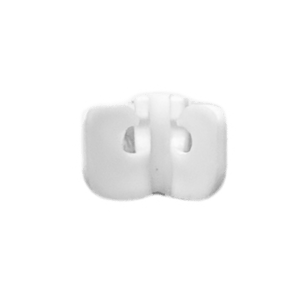
Shapeshift kit part
Artistbooths Bundle Component Frosted Lavender Purple (PMS 2715 C) Panel Square (35x35 cm) [8-pack]
Shapeshift kit part
B-grade artist booth panel - discounted cosmetic-second stock
Shapeshift kit part
Shapeshift kit part
Artistbooths Bundle Component Frosted Lilac Purple (PMS 263 C) BOOF Panel Triangle (35x35 cm) [2-pack]
Shapeshift kit part
Shapeshift kit part
Shapeshift kit part
Shapeshift kit part
Shapeshift kit part
Artistbooths Bundle Component Frosted Lilac Purple (PMS 263 C) BOOF Panel Half Square (35x17.5 cm) [4-pack]
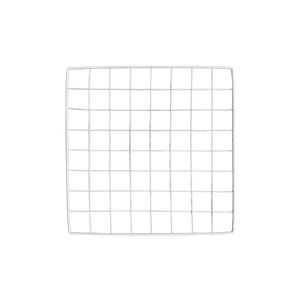
Artistbooths Single Connectors & Accessories White Square Wire Grid (35x35 cm)
Shapeshift kit part
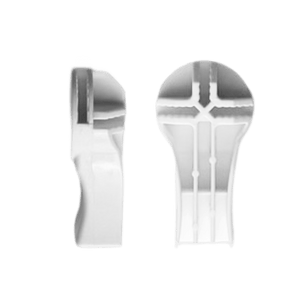
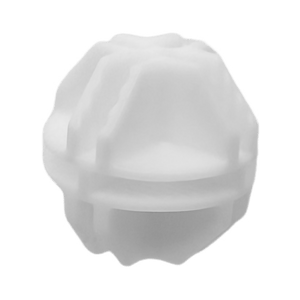
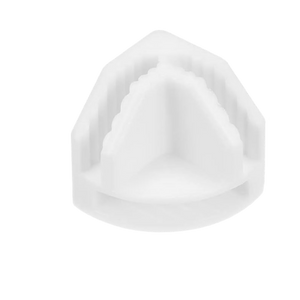
Artistbooths Single Connectors & Accessories White Edge Connector

Stand out pop ups.Shapeshifting setups.

Custom shapes and mix-and-match colours, built to sell for years.

Shop
Scroll

build a booth that builds a crowd

Little parts. Big payoff.

Why makers love our booths.

Every detail pulls its weight.

Stand out, sell out.

Be the eye-catching brand whose cohesive look draws a crowd and gets remembered.

Grow with you.

Enough parts to range products from small table to large booth.

Shape your brand.

Triangles, rectangles, hinge panels and connectors, in colours you mix yourself, for infinite display setups.

Be memorable.

Seasonal colours keep your brand unique. Frosted finish gives your art a soft spotlight.

Range & sell more.

Self-serve more customers with parts that make the most of smaller spaces.

Strong where it counts.

An iron core holds heavy stock whilst water-resistant surfaces shrug off spills and weather.

Packs light, carries safe.

Panels weigh 150g each. The double-wall carry box protects up to 30 decorated panels every trip.

Spares for years.

Every kit packs extra parts, so when you scale up or lose a piece you can keep running your vision.

Your products centre stage

Light diffusing panels.

Anti glare & bright product display

Build your modular display kit

Mix and match colours and shapes. Sized for market, convention and trade-show tables up to 6 ft / 180cm.

1. Choose kit size
2. Choose your kit colours
Only available
2aChoose your base 24 square & 22 multi-shape panel colours What colour would you like the first half of multi-shape panel colours to be?
Get a 2-colour setup by swapping 24 of 48 square panels to another colour.
Get a 2-colour setup by swapping half your panels to another colour.
2bWhat colour do you want the other 24 squares to be in this kit? What colour do you want the other half of your kit to be? Included · $0
Get a multi-colour setup by swapping 24 of 48 square panels in another colour.
Get a 2-colour setup by swapping half of square & multishape panels into another colour
3. Bundle and Save (optional)

Range more & get creative with more colours, shapes & display accessories.

15% off accessory packs when bundled with kits
Shapeshift Base Kit
46 multi-shape panels156 accessories

Shapeshift Base Kit Add-on

$559.00

Grape Purple Frosted

Square Panel [24 Pack] (35cm / 13.8in) Add-on

Square Panel [24 Pack] (35cm / 13.8in) Add-on

$450.00

Scarlet Red Frosted

Triangles Panels 4 Pack [35cm / 13.78in] Add-on

Triangles Panels 4 Pack [35cm / 13.78in] Add-on

$100.00

Terracotta Frosted

Half-Squares panels [5 Pack] [17.5x35cm / 6.89x13.78in] Add-on

Half-Squares panels [5 Pack] [17.5x35cm / 6.89x13.78in] Add-on

$100.00

Tan Brown Frosted

Self Serve Hook with wire grid T clip  8cm [10 pack] Add-on

Self Serve Hook with wire grid T clip 8cm [10 pack] Add-on

$40.00

Self serve display Grid & Intersection Hook expansion pack [12/24 Mixed pack] Add-on

Self serve display Grid & Intersection Hook expansion pack [12/24 Mixed pack] Add-on

$100.00

Multi Connector Expansion Pack - White - Bundle & Save [16/32 mixed pack] Add-on

Multi Connector Expansion Pack - White - Bundle & Save [16/32 mixed pack] Add-on

$120.00

Square Wire Grid Expansion Pack - 35cm x 35cm/13.7"x13.7" Add-on

Square Wire Grid Expansion Pack - 35cm x 35cm/13.7"x13.7" Add-on

$60.00

Hinged Square panels [5 Pack] [35cm / 13.78in] Add-on

Hinged Square panels [5 Pack] [35cm / 13.78in] Add-on

$100.00

Forest Green Frosted

Mini Rectangle Panels [5-Pack] (17cm x 35cm/6.69in x 13.78in) Add-on

Mini Rectangle Panels [5-Pack] (17cm x 35cm/6.69in x 13.78in) Add-on

$100.00

Amber Yellow Frosted

Foot Connector Expansion Pack [4 Pcs] Add-on

Foot Connector Expansion Pack [4 Pcs] Add-on

$59.00

Mixed Single & Double Wire Shelf Clip [9 pack] Add-on

Mixed Single & Double Wire Shelf Clip [9 pack] Add-on

$45.00

Booth Wheel & Wheel Connector - white - [4 pack] Add-on

Booth Wheel & Wheel Connector - white - [4 pack] Add-on

$60.00

Corner Connector Expansion Pack [8 pack] Add-on

Corner Connector Expansion Pack [8 pack] Add-on

$60.00

Edge Connector [8 pack] Add-on

Edge Connector [8 pack] Add-on

$60.00

Single Shelf Wire Clip White [5 pack] Add-on

Single Shelf Wire Clip White [5 pack] Add-on

$35.00

Double shelf wire clip white [4 pack] Add-on

Double shelf wire clip white [4 pack] Add-on

$30.00

Self serve display Grid & Fold Hook expansion pack [12/24 Mixed pack] Add-on

Self serve display Grid & Fold Hook expansion pack [12/24 Mixed pack] Add-on

$110.00

Foldable Self Serve Hook (with wire clip) - [20 pack] Add-on

Foldable Self Serve Hook (with wire clip) - [20 pack] Add-on

$80.00

White

Foldable Self Serve Hooks (with adhesive sheet) [20 pack] Add-on

Foldable Self Serve Hooks (with adhesive sheet) [20 pack] Add-on

$50.00

White

Metal mallet (with dual rubber/soft tap sides) [1 pc] Add-on

Metal mallet (with dual rubber/soft tap sides) [1 pc] Add-on

$40.00

Panel Clamp Black 3cm Mouth [4 pcs] Add-on

Panel Clamp Black 3cm Mouth [4 pcs] Add-on

$40.00

17" ITA Tote (40x35cm) Puffy Purple + Pin pad with 5 pockets Add-On

17" ITA Tote (40x35cm) Puffy Purple + Pin pad with 5 pockets Add-On

$129.00

Foldable Croc Hooks (adhesive) - 10-pack

Foldable Croc Hooks (adhesive) - 10-pack

$50.00

Black

Dual headed metal mallet (with soft tap side)

Dual headed metal mallet (with soft tap side)

$40.00

Your bundle
Free express shipping deal
Orders over $300 AUD
dhm
Free Exp. Shipping (2-7 bus.days) d h m
Your selection
American Express Apple Pay BancontactGoogle Pay Mastercard Shop Pay Union PayVisa JCBDiscoverDiners ClubMaestro
🌐 We ship globally express tracked⭐ 4.9🇦🇺 Designed in Aus
Build your own
Duo color display
Colorful display

Modular cube panels that snap together in minutes. Pick a color to start with and build & grow. for years.

Modular artist display booth at a craft market
Indoor pet playpen enclosure