Artist Back Alley Resources Blog

The Modular Mindset: Buy Once, Reconfigure Forever

Most display gear is built to be one thing. One size, one layout, one show format. The moment your needs change, it's useless and you're shopping again. The modular mindset flips that entirely. Buy once, then reconfigure the same panels for whatever show you're walking into.Stop thinking in "setups," start thinking in partsThe vendors who get the most out of their display gear stop thinking of it as one fixed setup. They think of it as a pool of panels and connectors they arrange differently depending on the show. Half table this weekend, full table next month, corner booth at the big con in the fall. Same parts, different shapes.Why this only works with real cross-compatibilityThis mindset falls apart fast if your gear isn't actually built for it. A lot of display systems look modular on the box but only really work in one or two configurations. Ours don't work that way. Every panel and connector is cross-compatible across every kit size we sell, so reconfiguring isn't a workaround, it's the actual design.That means a Core kit's 24 panels, a Shapeshift Base's 46, a Shapeshift's 70, and a Shapeshift Max's 92 all speak the same connector language. Mix and match, build up, build out, reshape for whatever room you're walking into.One purchase decision, not a repeated oneThe financial case is simple. Buy into the system once, at whatever size fits your first real need, and every future show format is a reconfiguration, not a repurchase. If you're picking your entry point, start with a Shapeshift Base kit, it's the default that gives you the most room to reconfigure later.What reconfiguring looks like on a Tuesday nightYou get home from a full table show, pull the panels apart, and two days later you're rebuilding them into a lower, wider layout for a smaller local market. No new purchase, no research, no waiting on shipping. Just the same setup that goes up in under 30 minutes with no tools, reshaped for the room you're actually in.See how the kits compare if you're building toward this kind of flexible setup.FAQDo I need extra parts to reconfigure my booth into a different shape?Usually not for basic reshaping within your current panel count. Bigger changes, like going from a half table to a full table, mean adding panels, which stay fully compatible with what you already own.Does reconfiguring the panels wear them out faster?No, the connector system is built for repeated assembly and disassembly across a full show season, not a one-time build.Is the modular mindset only useful for vendors doing lots of shows?It helps most if you do a mix of show formats, but even occasional vendors benefit since it means one purchase covers whatever layout comes up.

The Career Vendor's Guide To Building Income You Can Rely On

Reliable income as a vendor doesn't come from one great con. It comes from systems you can repeat, weekend after weekend, without reinventing your whole setup every time. Here's what a career vendor actually builds, not chases.Repeatability beats a single great showA viral moment at one con is nice. It's not a business. What builds real income is a table that performs the same way every single time, rain or shine, big crowd or small. That means your setup, your pricing, your restock process all need to be systems, not improvisation.Fix the part of the system that depends entirely on youHere's the honest bottleneck most vendors don't clock. If every transaction needs your hands, your income is capped by your own physical bandwidth. A self-serve grid, hooks where customers browse and grab prints on their own, takes that ceiling off. You're free to run a real conversation with one customer while others are already shopping without you. That's more transactions per hour without adding more hours to your day, which is the actual mechanism behind income that scales instead of just income that exists.Inventory that restocks off real dataCareer vendors track what sells at every show, not just at the end of the year. That data tells you what to print more of and what to retire. Guessing is expensive. A spreadsheet is free.A setup built to last, not to replaceBuying a new display every season is money you're setting on fire. A kit built for years of heavy use means one investment carries you across a full career, not just a season. Our modular display kit sets up in under 30 minutes with no tools, fits a standard 180cm/6ft table, and scales from Core (24 panels) for a lighter calendar up through Shapeshift Max (92 panels), built specifically for years of heavy touring and the biggest builds. Compare the kit lineup to find the size that matches where your career is actually headed.What separates a career vendor from a hobbyist?Systems. A career vendor's table, pricing, and restocking process work the same way every show. A hobbyist reinvents each one, which caps growth and burns energy.How do I know if my display is holding my income back?If a busy rush leaves customers standing around waiting on you for every single transaction, your display is the bottleneck, not your art or your prices.Is it worth investing in a bigger display before I need it?Not usually. Buy for your current catalog plus reasonable growth room. Modular systems let you add panels later instead of overbuying now.

The Real Math Behind Buy Once Cry Once

Buy once, cry once. You have heard the phrase. Pay the bigger number now, feel the sting for a minute, and never think about it again. It sounds nice as a slogan, but does it actually hold up for a booth display? Let's run the real numbers instead of just repeating the phrase.What crying once actually meansThe idea is simple. Instead of spreading small painful purchases across every show for years, you take one bigger hit upfront and skip the repeated cost entirely. The pain is real either way. The question is whether you feel it once, briefly, or over and over in smaller doses that never quite go away.Most vendors underestimate how much the second option costs in total. A cheap grid cube here, a replacement panel there, an emergency tape run before a show. None of those feel big individually. Added up across two or three years, they usually beat the one time cost of a display built to last.Running the actual comparisonThink about cost per show, not cost today. A display built to reconfigure into different layouts and hold up across years of shows spreads its cost across 20+ events easily. A cheap setup that needs constant patching or replacing resets that cost every season. Once you divide both by the number of shows they actually survive, the buy once option almost always wins.It is not just about moneyThe other side of buy once cry once is what you stop paying in stress. No more wondering if a wobbly frame survives the weekend. No more scrambling for replacement parts the night before a show. Setup that takes under 30 minutes with no tools means your morning goes to prepping your table, not fighting your booth. That is a real cost too, even if it never shows up on a receipt.When buy once actually appliesThis logic only works if you are actually committed to showing regularly. If you are testing the waters with one show, a smaller commitment makes more sense. But once you know you are doing multiple shows a year, every season on a disposable setup is a season of paying the small cost over and over instead of once.If you are ready to stop crying every few months, take a look at our modular display kit, or compare the full kit lineup to find the size that fits your show schedule.Does buy once cry once apply to every vendor?It applies most clearly to anyone doing regular shows across a year. Occasional vendors doing one event might not need the full commitment yet, but should still avoid the cheapest disposable options.How do I know the bigger purchase is actually worth it?Divide the total cost by how many shows you expect to use it for. If that number beats what you are currently spending per show on repairs and replacements, it is worth it.What is the biggest mistake vendors make with this logic?Buying once but still buying cheap. Buy once cry once only works if the one purchase is actually built to last. A single expensive purchase that still fails in a year defeats the whole point.

Farmers Market Vendor Setups For Non-Food Sellers

Farmers markets are built around produce stands and food carts, and if you're selling art, jewelry, or prints in that mix, you're already fighting an uphill battle for attention. The crowd came for tomatoes, not necessarily for you. Here's how to actually get noticed.You need to look different from the produce stands around youMost farmers market booths are folding tables with a cloth and a sign. That's fine for vegetables, it's forgettable for art. If your setup looks identical to the honey stand next to you, shoppers scan right past it. A structured, shelved display with real height immediately signals "this is a different kind of booth" and pulls the eye of people who weren't specifically looking for what you sell. That contrast is your biggest advantage in a food-dominated market.Farmers market crowds are browsing slower, use thatUnlike a con crowd blitzing past a hundred tables, farmers market shoppers wander. They're relaxed, they've got a coffee, they're not in a rush. That means you actually get real browsing time, so use your shelf space to tell a story instead of just maximizing volume. Group pieces by color or theme, leave breathing room, let people actually look instead of scan.Outdoor weather is the real variable hereFarmers markets are almost always outdoors, rain or shine, wind included. A flimsy tablecloth-and-bin setup gets knocked around by wind gusts fast. A structured panel build with real weight and stability holds up a lot better in an open-air pitch than loose displays that catch wind like a sail.You're probably doing this weekly, so setup speed compoundsFarmers markets often run every week, sometimes year round. A setup that takes 45 minutes to build might be fine once, but multiply that by 40 weekends a year and it's a real cost. Sub-30-minute, no-tool setup adds up to hours of your life back over a season, and it packs flat enough to keep in the car between markets instead of a full re-pack every time.Do art vendors actually do well at farmers markets?Yes, especially when the booth visually stands apart from the food stalls. Standing out from the produce tables is most of the battle.How do I protect my display from wind at an outdoor market?A structured, weighted build handles wind far better than loose tablecloths and lightweight bins that catch air like a sail.What kit size makes sense for a weekly farmers market?The Shapeshift Base (46 panels) is a solid middle ground, enough shelving for a real catalog without being a hassle to load in and out every single week.Bringing your art to a farmers market crowd? Check out our modular display kit or see the full kit lineup to find your fit.

The Small Exhibitor's Guide To Standing Out Next To Big Brands

You're going to end up in a hall next to a brand with a booth budget bigger than your annual revenue. That is not a reason to shrink. Small exhibitors win on things big brands are structurally bad at, if you actually use them.Big brands are slow, you're notA corporate booth gets approved through five layers of marketing sign-off and looks like it. Same beige palette, same layout as last year, same everything because nobody wants to be the one who changed it. You don't have that problem. You can pick a bold colour, try a new layout, and change it next event if it doesn't work. Speed and flexibility are a real advantage, use them.You can be specific, they can'tBig brand booths are built to say something generic to everyone walking by. You can talk to the ONE person in front of you like a person, not a lead-gen target. That personal read comes through in how your booth looks too. A big glossy backdrop with a logo reads as corporate. A booth with real colour and a human scale reads as someone who actually makes the thing they're selling.Don't try to out-big them, out-distinct themYou will never out-spend a big brand's booth. Do not try. Instead build something they structurally cannot, because their booth gets decided by committee and yours doesn't. That's where a modular kit helps: 19+ exclusive frosted colours designed in-house give you options no corporate supplier catalogue offers, and you can build a shape with real depth instead of one flat wall using Shapeshift at 70 panels, or go bigger with Shapeshift Max at 92 panels if you're standing next to a genuinely large booth.Consistency across events builds recognition they can't buy in one showA big brand might do one show a year with a huge splash. A small exhibitor who shows up consistently, at the same colour, the same recognizable shape, across multiple markets and conventions builds something a single big splash doesn't: people remembering you specifically. That consistency is easier when your display travels with you instead of being a one-time custom build. Ours packs flat and travels light between events for exactly that reason.FAQHow do I compete with a big-budget exhibitor in the same hall?Don't try to match their spend. Use distinct colour, a human scale, and consistency across events, all things a big committee-run booth is bad at doing.Is it worth building a permanent custom look if I'm a small brand?Usually not. A modular system that reconfigures gives you flexibility a custom build locks away, and it costs less over multiple events.What actually makes a small booth memorable next to a large one?Colour and shape read from a distance before anyone compares budgets. A distinct look beats a bigger one on recall.Check out our modular display kit or the full kit lineup to build something that stands out on its own terms.

What Experienced Vendors Wish They'd Known On Day One

Ask any vendor who's been doing this for years what they'd tell their first-con self, and you'll hear a lot of the same answers. None of it is secret knowledge. It's just stuff that takes a few painful shows to actually learn. Here's the shortcut. "I wish I'd invested in a real display sooner" This is the number one regret, hands down. New vendors often try to save money with a bare table and a cheap grid, then spend a year rebuilding it show by show as pieces break or don't quite work. A proper modular kit is a one-time setup that fits a standard 180cm table and just keeps working, con after con, instead of slowly evolving out of duct tape and spare parts. "I underestimated how much setup time actually matters" Early on, setup felt like a chore to rush through however possible. Experienced vendors know it's actually part of the job, and the FASTER it goes, the calmer your whole morning is. A kit that goes up in under 30 minutes with no tools means you're not scrambling five minutes before doors open, still fighting with a shelf that won't quite click into place. "I wish I'd sized my kit for growth, not just my first show" A lot of vendors buy small and outgrow it within a year. Going from Core (24 panels) to Shapeshift Base (46) to Shapeshift (70 panels, the most popular size) is a natural progression as inventory grows, and buying with a LITTLE room to grow saves you from replacing everything twice. "Nobody told me lighting could make or break how my art looks" This one surprises a lot of vendors. Convention lighting is often harsh and flat, and it can genuinely wash out artwork that looks vibrant everywhere else. Frosted panels diffuse that light so colors stay true, which matters more than most first-timers expect until they see it side by side. What's the one thing experienced vendors always mention? Investing in a proper display system earlier. It's the change that pays off the fastest and the most consistently. Should I buy a bigger kit than I think I need? A little room to grow is smart, especially since kits scale from Core up to Shapeshift Max at 92 panels, letting you build up to 175cm tall as your inventory expands. How long does it really take to master booth setup? Less time than you'd think, especially with a system that sets up in under 30 minutes with no tools. Most of the learning curve is just deciding where things go, not fighting the hardware. Skip a few years of trial and error and start with a proper modular display kit. See the full kit lineup to find a size that grows with you.

Flying Interstate For A Con: The Real Packing List

Not the Pinterest packing list. Not the "10 essentials every vendor needs" list written by someone who's never actually flown a full booth interstate solo. This is what you actually need, in the order it actually matters. Your display, sized for the flight First decision, before you pack anything: which kit size is coming with you. Core (24 panels) or Shapeshift Base (46 panels) if you want a shot at carrying the whole thing on. The Shapeshift (70 panels), the most popular all-rounder, if you're checking one bag anyway and want full table coverage. Shapeshift Max (92 panels) only if the show genuinely calls for a bigger footprint, since it's the heaviest to fly with. Whatever size, the panels pack completely flat, which is what makes any of this manageable in the first place. See the breakdown on our modular display kit page. What goes in the checked bag Panels, ABS connectors, PLA hooks, table cloth, business cards, extra packaging for sold prints. Basically everything that isn't fragile or irreplaceable. Pack the panels flat along the bottom, hardware in a zip pouch so it doesn't rattle loose. What comes with you in the cabin Original art. Anything one-of-a-kind. Your payment reader, cash box, and laptop if you're running a POS. Signage that's fragile or printed on something bendable, keep it flat in a portfolio bag, never rolled if you can avoid it. If your booth is small enough, this is also where the panel kit itself can go, inside the standard 56x36x23cm carry-on allowance. Day-of essentials that get forgotten Zip ties as backup, a small clip light if your venue runs dim, extra cash for a float, phone charger and a battery pack, snacks that aren't going to melt or crush. None of this is glamorous. All of it saves your show if you forget the obvious stuff. If you're deciding between kit sizes for this specific trip, the full kit lineup breaks down panel counts against table sizes so you're not guessing. Setup morning You've got maybe 30 minutes before doors open and a line already forming. No tools needed, panels click into connectors, hooks go on last. Practice this ONCE at home before your first interstate show so setup morning isn't the first time you've built it under pressure. Should I check my display or carry it on for an interstate flight? Depends on kit size. Smaller kits often fit carry-on dimensions. Bigger kits should go checked, packed flat, as your one main checked bag. What should never go in a checked bag for a con trip? Original artwork, anything one-of-a-kind, and your payment hardware. Keep those with you in the cabin. How early should I practice setup before flying to a show? At least once at home before your first trip. You want setup morning to be muscle memory, not a first attempt with a line watching you.

Scaling From A Half Table To A Corner Booth Without Starting Over

Half tables are where a lot of vendors start, and corner booths are where a lot of vendors want to end up. The path between them usually involves throwing out everything you own and buying new. It doesn't have to.Why the jump feels so bigA half table setup and a corner booth setup look nothing alike from the outside. One is a small run of panels on part of a shared table, the other is a full standalone footprint with walls on two sides. It's easy to assume you need to start completely fresh to make that jump. Most vendors do exactly that, and it's the most expensive way to get there.What actually needs to changeThe real difference between a half table and a corner booth is panel count and layout, not the underlying system. If your original panels and connectors are part of a system built to scale, you keep everything and just add to it. If they're not, you're stuck buying twice.Our kit sizes are built for exactly this jumpStart with a Core kit at 24 panels for a half table. As you grow, Shapeshift Base at 46 panels is the smart default that expands with add-ons. Push further into Shapeshift at 70 panels for a full table with tall framing, our most popular size. And when you land a corner booth or double table, Shapeshift Max at 92 panels is built exactly for that, and built for years of heavy use once you're there.Every one of those sizes uses the same connector system, so your Core panels from year one are still working in your Max setup years later. If you're mapping out this path, start with a Shapeshift Base kit as your midpoint and build outward.Two kits, one corner boothFor an actual corner booth or double table spot, two kits combine into a 360cm (12ft) double setup. That's a straightforward add-on move if your existing kit is already part of the same system, not a full rebuild.Setup time doesn't scale with panel countEven at corner booth size, setup stays under 30 minutes with no tools. Scaling up shouldn't mean a longer, harder load in, and with a shared connector system it doesn't have to. See how the kits compare to plan your own half table to corner booth path.FAQCan I really go from a half table setup to a corner booth using the same panels?Yes, as long as your original kit is part of a cross-compatible system. Our panels and connectors work the same way across every kit size, so you add rather than replace.How much extra do I need to buy to go from Shapeshift Base to a corner booth?It depends on your target layout, but generally you're adding panels or a second kit rather than buying a whole new setup from scratch.Is a corner booth setup harder to transport than a half table one?It's more panels, so more bags, but the modular system packs the same way regardless of size, so the logistics scale predictably.

Quitting Your Day Job To Vend Full-Time: The Real Numbers

Let's skip the inspirational part. Quitting your job to vend full-time is a math problem before it's a dream. Here's what to actually look at before you hand in notice, no promises, no guaranteed numbers, just the real questions.Look at income consistency, not peak weekendsYour best con of the year isn't your income. Your average con, across a full calendar including the slow ones, is closer to the truth. If you've only got two or three good data points, you don't have enough information yet to quit anything. Track every show for at least a year before making the call.The bottleneck that limits your ceilingHere's the part people skip. If every sale at your table requires you personally to hand an item over, your income has a hard ceiling tied to how many hours you can physically work a table. You can't scale a full-time income if you're the bottleneck on every single transaction. This is exactly why self-serve display design matters for anyone actually planning to go full-time, not just as a nice-to-have. A grid of hooks that lets people browse and grab items on their own means your table can handle more transactions per hour without you working any harder. That's the actual mechanism behind moving closer to a sustainable income, not a guaranteed number, just more capacity per hour worked.Costs you have to subtract honestlyTable fees, travel, materials, printing, packaging, your time. A lot of vendors track revenue and never subtract the real cost of doing business. Get honest about this before quitting anything.Build the setup for the income you're chasingIf your plan involves a heavier con calendar, your booth needs to hold up to it. Setup that goes up in under 30 minutes with no tools means less exhaustion per show. Our modular display kit scales from Core (24 panels) for a lighter calendar up to Shapeshift Max (92 panels) for vendors running a heavy year-round circuit. Compare the kit lineup against the calendar you're actually planning to run.How much should I have saved before quitting my job?This depends entirely on your personal expenses and risk tolerance, there's no universal number. A common approach is tracking a full year of con income first so you're working from real data, not hope.Is full-time vending realistic for everyone?It depends heavily on your genre, region, and how consistently you can sell. What's universal is that fixing your table's throughput, letting customers self-serve, helps regardless of your specific market.What's the first sign I'm ready to go full-time?Consistent, tracked income across a full con calendar, not just one good weekend, plus a table setup that can actually handle busy shows without you as the bottleneck.

Why Vendors Regret Buying Cheap Displays Twice

There is a very specific kind of regret that happens at your third show of the season, standing over a bent grid cube, realizing you are about to buy the exact same cheap display you bought last year. Twice. That regret is completely avoidable, and a lot of vendors learn it the hard way.The first purchase is a guess, the second one is a patternBuying cheap the first time is understandable. You are new, you do not know your show schedule yet, and you do not want to overcommit. Fair. But buying the same cheap thing again after it already failed you once is where the regret sets in, because now you know exactly what is going to happen and you did it anyway.This is usually not a lack of awareness. It is a budgeting habit. Vendors keep treating the display as a one time purchase instead of a recurring cost, so every time it breaks, it feels like a fresh emergency instead of a predictable outcome.Why the second cheap purchase hurts moreThe first time, you can tell yourself you did not know better. The second time, you knew exactly how this ends and bought it anyway because the upfront number was smaller. That is the moment most vendors finally sit down and do the actual math on cost per show, and realize the cheap option was never actually cheap.Breaking the cycleThe fix is simple but requires an upfront decision. Instead of buying something disposable twice, buy something built to reconfigure into different layouts and hold up across years of shows once. A kit that sets up in under 30 minutes with no tools and packs flat for travel removes the recurring replacement cost entirely, instead of just delaying it to next season.It also removes the emotional cost. No more digging through a bent grid at 6am wondering if it will survive one more weekend. No more last minute hardware store runs before doors open. That peace of mind is worth something too, even if it is harder to put on a spreadsheet.Buy once, actually mean itIf you have already bought a cheap display twice and are staring down a third purchase, this is the moment to break the cycle. Look at our modular display kit, or compare the full kit lineup to find a setup built to actually last through your show calendar.How do I know if I am stuck in the cheap replacement cycle?If you have bought the same type of display more than once because the last one broke or wore out, you are in it. The pattern is the tell, not any single purchase.Is it too late to switch mid season?No. Every show you delay switching is another show spent on a setup you already know will fail again. Breaking the cycle sooner just means fewer repeat purchases before you do.What should I look for to avoid buying cheap twice?Look for panels engineered to reconfigure and hold their shape over years of use, a setup that goes up in minutes without tools, and a brand that actually designs its own kits rather than reselling generic parts.

Night Market Displays: What Changes After Dark

Night markets look magical from the outside and are a genuine headache to set up for if nobody warns you first. Lighting, visibility, and how your work actually reads under string lights or a single overhead bulb, none of that is the same game as a daytime show.Your art needs to compete with bad lighting, not good lightingDaytime shows give you natural light for free. Night markets give you whatever the venue decided to string up, and it's usually warm, dim, and uneven. Prints that look vibrant at noon can look muddy under orange string lights. Test your actual pieces under warm, low light before the show, not just in your studio with daylight bulbs. Some artists keep a small clip light or two aimed at their top shelf specifically because ambient market lighting alone isn't enough.Visibility from a distance matters more at nightNight markets are often more spread out, sometimes across a park or a closed street, and people are navigating by whatever's lit up and eye-catching from twenty feet away in the dark. A tall, structured booth silhouette reads as a destination in a way a flat table just doesn't. Building up to full height, 175cm on a standard 6ft table, gives you a shape people can spot and walk toward even in low light, instead of blending into a row of dark tables.Cords, lights, and gear need somewhere that isn't the table surfaceIf you're running your own lighting, that's extra gear competing for table space with your actual product. A shelf structure gives you a place to tuck a small light or a phone charger out of the way without it eating into your display area or becoming a tripping hazard for shoppers browsing in the dark.Pack-up in the dark needs to be simpleBreaking down a booth after 9pm with a flashlight in one hand is not the time for a complicated system. No-tool assembly that you can basically do by feel matters a lot more once the sun's down and you're tired. Packing flat and light also makes the walk back to your car in a dark lot a lot less painful.Do I need special lighting for a night market booth?Not required, but a small clip light on your top shelf helps your best pieces actually read true to color under warm ambient lighting.How do I make my booth visible from far away at a night market?Height and a distinct silhouette do more work than color alone in low light. A tall, structured setup is easier to spot from across a dark venue.Is breakdown harder at night markets?It can be if your setup is fussy. Tool-free assembly that you can manage quickly in low light makes a real difference at 10pm.Setting up for your first night market? Check out our modular display kit or see the full kit lineup to find a build that stands tall after dark.

Craft Fair Displays That Punch Above Their Booth Fee

You paid the same booth fee as the vendor next to you with the professional-looking table. That doesn't mean you have to look like you spent less. A craft fair display can look like a real investment without actually costing one.The booth fee doesn't buy you a displayCraft fairs charge you for the space, not what fills it. That means the vendor with a folding table and a bedsheet backdrop paid the exact same fee as the one with a display that looks considered. The gap between those two is entirely in what you choose to bring, and it is a smaller gap in cost than most new vendors assume.Height and colour are the cheapest upgradeYou do not need expensive product to look premium. You need your table to have real height instead of just flat surface, and a colour that isn't beige folding-table grey. Both of those come from the display itself, not from spending more on inventory. A modular panel kit gives you both without needing a carpenter or a custom build.Reusable beats disposable, every single fairA lot of craft fair vendors build a one-off display out of foam board or cheap shelving that barely survives one event. That's money spent once and gone. A system that packs flat and travels light between events means the same investment shows up looking good at your next ten fairs, not just this one. Setup takes under 30 minutes with no tools, so you're not rebuilding it from scratch each time either.Scale to the fair, not to your ambitionsNot every craft fair needs your biggest display. Core, at 24 panels, is right for a single 180cm/6ft table at a small local fair. Save Shapeshift (70 panels, our most popular kit) or Shapeshift Max (92 panels) for the bigger regional fairs where you've got more table and more foot traffic to fill. Matching the display to the event keeps you from either looking sparse or hauling more than you need.FAQHow can I make my craft fair table look professional on a small budget?Focus on height and colour before anything else. A tall, distinct-coloured display reads as premium even with modest inventory, and it costs less than most vendors assume.Is it worth buying a reusable display for just a few craft fairs a year?Yes, especially since it packs flat and stores easily between events. A reusable kit ends up cheaper per fair than rebuilding a one-off setup each time.What size display works for a single craft fair table?Core, at 24 panels, is built for a standard 180cm/6ft table and is the right size for most single-table craft fair setups.Start with our modular display kit or browse the full kit lineup for the right size and colour.

Why Mismatched Displays Undercut Even Great Art

Great art doesn't sell itself as automatically as people assume. Presentation still matters, and a mismatched display can quietly undercut even the strongest work on the table. It's an uncomfortable truth, but it's the one that actually moves sales numbers.Mismatched signals compete with your art for attentionWhen your table has three different surface colours, a random collection of risers, and signage that doesn't match anything else, a browser's brain has to work harder just to parse the scene. That effort competes directly with the attention your art needs to land. Even a genuinely great piece can get lost in visual noise it didn't create.Inconsistency reads as inexperience, fairly or notPeople don't consciously think "this display is mismatched, therefore the art must be bad." But there's a quieter version of that judgment happening anyway. A messy table makes people assume messy business, missed deadlines, sloppy shipping, no follow-through. It's not fair to your art, but it's how first impressions work, and it happens before anyone's even looked closely at a single piece.Fixing this doesn't require redoing your art, just your frameThe good news is this is one of the easiest problems to fix, because it has nothing to do with your actual skill as an artist. It's a display problem, solvable with a consistent system. Our modular display kit replaces the mismatched shelves-and-easels approach with one set of matching frosted panels, available in 19+ exclusive colours, so the whole wall reads as one considered piece instead of five unrelated decisions. Browse all 19+ colours to find your match.Lighting is part of the mismatch problem tooIt's not just colour. Harsh glare off glossy plastic panels or uneven lighting across a mismatched setup can make even well-lit art look flat in different spots on the same table. The 35x35cm frosted polypropylene panels diffuse light evenly across the whole wall, so your art glows consistently from one end of the table to the other, not just under the one good lamp you brought.Can a mismatched display really hurt sales of genuinely strong art?Yes, because most buying decisions start with a snap judgment about the whole table, not a piece-by-piece evaluation. A messy first impression means fewer people even get close enough to see the strong art.What's the quickest fix if I can't overhaul my whole booth right now?Unify your backdrop first. A single consistent panel colour behind your art does more visual work than fixing every small prop on the table.Does this apply to small tables too, or just big convention booths?It applies at any size. A small table with a mismatched setup loses just as much attention as a large one, sometimes more, since there's less room to distract from it.Your art earned its place on that table. Don't let a mismatched display talk it down before anyone's even had a chance to look properly.

The Booth Glow-Up: Before And After A Display Upgrade

Every artist has a "before" photo they're a little embarrassed by. A flat table, a leaning grid, prints stacked wherever there was room. Then there's the "after" photo, the one that actually gets reposted. Let's talk about what changes between those two photos, because it's rarely the ART. It's the DISPLAY. Before: everything fights for the same space In the before photo, every piece sits at roughly the same height on a flat table. Nothing has room to breathe, and your best print is competing with your worst for the same eyeline. It's not that the setup looks bad exactly, it just looks like nothing in particular. There's no hierarchy telling a customer where to look first. After: height does the selling for you The glow-up almost always comes down to vertical structure. A modular panel system lets you build UP, not just out, so your hero pieces get their own tier instead of drowning in a flat spread. Shapeshift kits scale from 46 panels up to 92, so you can go from a modest first booth to a full multi-tier display as your inventory grows, without starting over with new furniture every time. Before: the wobble everyone's seen before The before setup usually has some version of the sagging table problem. A grid that bows, a corner that's not quite level, prints stacked high enough to worry about. It's the kind of thing that photographs fine from far away and looks rough up close. After: it actually holds up all day Panels built correctly hold up to 5kg per shelf, so the after photo isn't just prettier, it's structurally sound for a full con day. No slow collapse by hour six. And because it sets up in under 30 minutes with no tools, the upgrade doesn't cost you time either, which is honestly the most surprising part of a glow-up like this. What usually makes the biggest visual difference in a glow-up? Height. Adding vertical tiers does more for how a booth photographs than almost any other single change. Do I need to replace my whole setup to see a real glow-up? Not always. Swapping a flat table display for a modular panel system is usually the one change that fixes the most problems at once. Will a bigger display actually fit my table? Kits are built to fit a standard 180cm (6ft) table, so sizing up in panels doesn't mean sizing up your table footprint. Ready for your own glow-up photo? Start with a proper modular display kit and see the full kit lineup to pick the size that matches where your booth is headed.

How Spares Turn A Disaster Into A Non-Issue

Picture it. Ten minutes before doors open, you go to lock in the last panel and the connector just snaps in your hand. No hardware store nearby, no time, and a line already forming outside. This is the moment that separates a ruined show from a mild inconvenience, and the only difference is whether you packed a spare.The disaster versionWithout a spare, this turns into a scramble. You're texting the vendor next to you, checking if the con has a tool table, maybe jury-rigging the panel with tape so it holds for the day. Your booth photo for the day looks a little off. You're stressed before your first customer even walks up. All of that from one small broken part.The non-issue versionWith a spare packed, this is a thirty second fix. You reach into your bag, swap the connector, and you're back to setting up like nothing happened. Same broken part, completely different morning. The difference is not luck. It is planning.Why we build spares into every kitWe sell complete kits, never loose parts, so panel counts and connector counts always stay matched WITH spares included from the start. You're not adding a spares kit as an upsell. It's already in the box because we know what a full show season does to hardware.This matters more the longer you're in this. A vendor doing one show a year can maybe get away without spares. A vendor doing twenty shows a year across a full convention journey will hit a broken part eventually. It's not a matter of if.Spares that actually match your setupBecause every panel and connector is cross-compatible across our kits, your spares work no matter how your booth has grown. If you started with a Shapeshift Base kit and added on since, the spares from your original kit still fit the expanded setup. Nothing becomes obsolete.A quick pre-show ritual worth adoptingBefore every load in, do a thirty second check of your spares pouch. Replace anything you used at the last show. It costs nothing and it is the single easiest way to make sure a snapped connector stays a non-issue instead of becoming your whole morning. See how the kits compare if you're building your first spares habit.FAQHow many spare panels and connectors come with a kit?Every kit ships with spares included as part of the complete set, sized to the kit itself, so you're covered without buying anything extra.What should I do if I use up my spares during a show run?Restock before your next show. Treat spares like any other consumable in your booth kit, check and replace after every use.Do spares expire or wear out sitting in the bag?No, panels and connectors don't degrade from storage. Keep them in a dedicated pouch so they're easy to find under pressure.

What To Do When Your Booth Weighs More Than Your Suitcase

If you've ever put your display case on the airport scale and watched the agent's eyebrows go up, you already know the feeling. Your BOOTH weighs more than everything you're wearing for the weekend combined. That's a sign, not a quirk. Let's fix it. Step one: actually weigh it Most vendors have never weighed their display separately from everything else. Do it. Put just the frame, panels and hardware on a scale. If that number surprises you, it's costing you money you haven't accounted for, in fees, in strain, in time. Identify what's actually heavy It's usually not the fabric or the signage. It's the structural stuff: wood frames, metal grid panels, thick MDF backing boards. These materials are cheap and sturdy, but they're dead weight when you're the one carrying them through an airport or up three flights of stairs at a convention center with no elevator. Switch the frame, not the whole booth You don't need to reinvent your entire setup, just swap the heavy structural core. Our modular kits use frosted polypropylene panels, ABS connectors and PLA hooks specifically because these materials hold up under repeated setup while weighing a fraction of wood or metal. The panels pack flat, so what used to be an oversized, overweight case becomes something that can fit standard checked luggage, or on smaller kits, the 56x36x23cm carry-on allowance. Take a look at our modular display kit and weigh it against what you're currently hauling. The difference is usually bigger than people expect. Right-size before you buy Don't just grab the biggest kit because it sounds impressive. Core (24 panels) and Shapeshift Base (46 panels) suit smaller tables and lighter travel. The Shapeshift kit (70 panels) is the most popular, a genuine all-rounder for a standard table. Shapeshift Max (92 panels) is for vendors who need serious wall space and don't mind checking a bigger bag. Match the kit to your actual table, not your biggest dream booth. Compare them all on the full kit lineup. How much lighter is a modular kit than a traditional display? It varies by comparison, but lightweight materials like polypropylene and ABS are meaningfully lighter than wood or metal grid systems of a similar size, often enough to change a checked bag into a carry-on. Is a lighter display less sturdy at the show? No. Lightweight doesn't mean weak. These materials are chosen for durability under repeated setup and teardown, not just for shipping weight. What's the first thing to check if my display feels too heavy? Weigh it separately from your inventory. If the frame and panels alone are a significant chunk of your total baggage weight, that's your sign to switch materials.

Why Self-Serve Hooks And Grids Change How Busy Tables Work

Watch a busy table for ten minutes and you'll see the problem instantly. One vendor, one pair of hands, a growing line, and a wall of prints nobody can reach without asking. Grids and hooks aren't a design choice, they're a throughput fix. Here's what actually changes when you set one up right.People shop differently when they can touch thingsA print flat on a table under glass or behind you gets glanced at and skipped. The same print on a hook, where someone can pull it out, hold it up, compare it to the one next to it, gets actually considered. Grids don't just organize your inventory, they change buying behavior because people engage with what they can physically interact with.The hook spacing problem nobody talks aboutCram hooks too close and browsing turns into digging, prints get bent, people give up. Space them too far apart and you're wasting wall space you paid a table fee for. This is a real design problem, not an afterthought, and it's why grid systems built specifically for artist displays outperform improvised pegboard setups. Our modular display kit uses grid spacing built around actual browsing behavior, not just cramming in as much as possible.What happens during a real rushThis is where the difference is obvious. Without a self-serve grid, a rush means a crowd standing around waiting on you one at a time, and some of them just leave. With a proper grid wall, the rush spreads itself out. People browse independently, grab what they want, and queue up at your till when they're ready. You handle payments and conversations, the wall handles browsing. Nobody's standing around doing nothing.Built to actually hold up under that loadA flimsy grid that wobbles when three people are pulling prints at once undoes the whole point. These kits set up in under 30 minutes with no tools, fit a standard 180cm/6ft table, and are built sturdy enough for real crowd handling, scaling from Core (24 panels) up to Shapeshift Max (92 panels) for vendors doing years of heavy shows. Compare the kit lineup to find the right size for your table.How many hooks do I actually need for a busy con?It depends on your catalog size, but the real answer is spacing matters more than raw count. A cluttered wall with too many hooks packed tight slows browsing down instead of speeding it up.Do grids work for 3D items too, not just prints?Grid systems handle flat items like prints and stickers best. Dimensional items like pins or enamel work usually need a different display approach alongside the grid.What's the biggest mistake vendors make with hook displays?Overpacking. A wall crammed edge to edge looks like more inventory but actually slows customers down and hides your best pieces behind clutter.

Budgeting For Your First Real Display Without Overspending

Your first real display purchase is stressful. You do not want to overspend on something you are not sure you will stick with, but you also do not want to buy cheap and end up replacing it three months in. Here is how to actually think about the number.Start with your show schedule, not your budgetMost vendors start budgeting backwards. They pick a number they are comfortable spending, then look for a display that fits it. Flip it around. Start with how many shows you realistically plan to do this year and next. That number tells you how much weight your display needs to carry, which tells you what actually makes sense to spend.If you are doing one or two shows to test the waters, you do not need the biggest kit available. If you are already committed to a real convention journey with a dozen or more shows a year, a display that only survives a few events is going to cost you more in replacements than a proper setup would have cost upfront.Size to your table, not your ambitionA common overspend mistake is buying more panels than your actual table size needs. A smaller kit built around fewer panels covers most single table setups just fine, while bigger kits make sense once you are running a double booth or building out a bigger presence. Buy for the table you have now, not the booth you dream about in two years. You can usually add on later.What not to cut corners onWhere you should NOT try to save money is on the actual structure. A wobbly frame or bent grid costs you in repairs, stress, and replacement purchases within a season. Where you CAN save is on extras like signage, lighting, or decorative add-ons, which you can build out slowly as your budget allows.Think in cost per show, not cost todayA reconfigurable kit that sets up in under 30 minutes with no tools and holds up across years of shows spreads its cost across 20+ events easily. Run that math against a bundle of cheap folding tables and grid cubes that need replacing every season, and the real budget answer becomes obvious fast.Ready to figure out the right starting size for your table. Browse our modular display kit, or compare the full kit lineup to see which size actually matches your first booth.What is the smallest kit that still looks professional?Our Core kit, built around 24 panels, covers most single table setups and gives you a clean, professional look without overbuying for a booth size you do not have yet.Should I buy the biggest kit just in case I grow?Not necessarily. Buy for your current table size. Growing into a bigger space later is a normal part of the vendor journey, and you can scale up when it actually happens rather than paying for space you are not using yet.How do I avoid overspending on my first display?Match the kit size to your actual table, skip extras you do not need on day one, and prioritize a structure that will not need replacing after a handful of shows. That is where the real savings live.

Holiday Market Booths: Handling The Busiest Weekend Of The Year

Holiday markets are chaos in the best possible way. Everyone's shopping for gifts, everyone's in a hurry, and the crowd density can be double what you see at a normal weekend market. Your booth needs to handle volume, not just look nice.Gift shoppers move faster and buy more, so restock access mattersHoliday market buyers aren't browsing for fun, they're checking names off a list. That means faster decisions and higher volume per person compared to a regular market. You will sell out of your popular items mid-day if you're not careful, so your setup needs easy access to backstock, not everything crammed onto the visible shelf with nothing in reserve. Build your display so restocking a shelf takes seconds, not a full table teardown.Gift-ready presentation beats everything elsePeople are buying FOR someone else, which changes what sells. Small, clearly priced, easy to grab items move fast during holiday season, more than big statement pieces that need a longer sales conversation. Group your gift-under-$30 items together and make them obvious. A clean shelf grid does this automatically, way better than a table covered edge to edge.Cold weather markets need a display that isn't fighting you tooA lot of holiday markets run outdoors or in unheated venues. Cold hands, bulky gloves, everyone in a hurry. You don't want to be wrestling with a stiff, finicky setup on top of that. No-tool assembly matters here more than usual, you're often setting up in the cold before doors open and you want it done fast so you can warm your hands back up. Setup lands under 30 minutes even in a rushed, cold morning load-in.Weekend-long shows need a structure that survives the crowdHoliday markets often run multiple back to back days over a single weekend, sometimes with thousands of shoppers moving through. Bags swing, kids grab, the crush is real. The 35x35cm frosted panels hold up to 5kg per shelf so your product actually stays put through a weekend of high traffic instead of getting knocked to the floor.How do I avoid selling out too early at a holiday market?Keep backstock accessible behind or below your main shelves and restock in small batches through the day instead of loading everything out at once.What price point sells best at holiday markets?Small gift-ready items in an obvious, grouped display tend to outsell single big-ticket pieces, since most shoppers are buying for other people on a list.Is a bigger booth worth it for holiday market volume?If you're running a full catalog for gift season, the Shapeshift Max (92 panels) gives you enough shelving to handle the volume without constant restocking runs.Getting ready for the holiday rush? Check out our modular display kit or see the full kit lineup before the season gets busy.

The Minimalist Booth That Still Sells Out

More stuff on a table does not mean more sales. That's the lie a lot of new vendors believe, and it's why so many tables look like a garage sale instead of a storefront. The vendors who consistently sell out aren't the ones with the most product visible. They're the ones who edited hard and let the good stuff breathe.Clutter reads as cheap, even when your work isn'tWire grids stuffed edge to edge with prints look cheap. They just do. It doesn't matter how good the individual piece is if it's buried in a wall of forty other prints competing for the same three seconds of attention. A minimalist setup does the opposite. It gives each piece room to actually be seen.Fewer pieces, better lighting, cleaner linesA minimalist booth isn't about having less inventory. It's about displaying less at once and rotating your backstock in as things sell. Pick your strongest ten to fifteen pieces for the panel wall itself, keep the rest in bins under the table, and swap stock through the weekend as gaps open up. Your display always looks fresh and never looks picked over.One or two colours, not a rainbowMinimalist doesn't mean boring, it means disciplined. Choose one or two panel colours from the 19+ available and stay consistent across your whole build. A tight colour story photographs better for con recap posts too, which matters more than people think for return traffic next year.Structure over volumeThis is the actual secret. A clean vertical panel grid, evenly spaced, holding a curated set of pieces, reads more professional and more expensive than a cluttered table twice its size. People trust a booth that looks intentional. Intentional sells. Panels are frosted polypropylene, 35x35cm, holding up to 5kg per shelf, more than enough for a tight, well spaced minimalist layout.Minimalist also means faster and easier for youLess clutter means less to set up, less to pack down, and less to manage during a long con day. Setup takes under 30 minutes with no tools, and the whole kit packs flat into a 56x36x23cm carry-on. That's less physical and mental overhead for you across a three-day weekend, which honestly shows up in your energy at the table too.Won't fewer pieces on display mean fewer sales?Usually the opposite happens. A curated display with breathing room gets more attention per piece, and rotating stock keeps things fresh without overwhelming buyers.How do I choose what makes the cut for a minimalist layout?Go with your proven best sellers and your newest release. Everything else can rotate in from backstock as space opens up.Does a minimalist booth still need a strong sign?Yes, a clear sign with your name and prices matters even more in a minimalist setup since there's less visual noise competing for attention.Less clutter, more sales, real simple. Check out our modular display kit or browse the full kit lineup and build the clean, curated setup your work deserves.
60-second quizExtra 5% off

Find your ideal display kit size in 60 seconds & score extra 5% off

What are your planned setups going to be?
Half table (90cm / 3ft)
Sharing a table or just starting out
Full table (180cm / 6ft)
The standard table at most cons, markets & fairs
Double, corner or booth (360cm / 12ft)
Two tables, an L-shape, or a full corner stand
Free-standing booth (no table)
A floor-standing wall, no table needed
Select all that apply
How long do you plan to use it?
Just trying it out
1–3 times
Going to do markets more often
3–20 times/year
Multi-year use
Built to last, with room to grow
What do you display?
Small prints, cards, pins & stickers
Flat, lightweight, easy to pin
Large prints & posters
A2 and up, needs room to breathe
Large items : Apparel/bags/figures/3d merch/home goods
Heavier, bulkier pieces that need sturdy shelf framing
Jewellery, charms & keychains
Small and light, lots of little hooks
Select all that apply
How tall do you want it?
Keep it low so my table and wall stay visible
A clean, low backdrop that frames your work
Build tall framing for maximum impact
A towering wall that pulls eyes from across the hall
Which colours catch your eye?
Amber Yellow
Apricot
Avocado Green
Blue Sky
Forest Green
Fully Black
Grape Purple
Ivory White
Jade Green
Lavender Purple
Lilac Purple
Mint Green
Royal Blue
Scarlet Red
Snow White
Tan Brown
Terracotta
Watermelon Pink
Yuzu Yellow
Select all that apply
Your perfect kit and an extra 5% off are ready, pop in your email below to reveal both.
Unlock your kit & bonus 5% discount
Pop in your email and we'll reveal your extra 5% off, auto-applied at your cart.
Your result
Your perfect match
Your stall. Infinite installs.

Lightweight panels and snap on connectors shapeshift together.

Iron frame with frosted, water resistant surfaces for light & mighty structures.
Shapeshift kit part
Artistbooths Bundle Component Frosted Lavender Purple (PMS 2715 C) Panel Square (35x35 cm) [8-pack]
Shapeshift kit part
B-grade artist booth panel - discounted cosmetic-second stock
Shapeshift kit part
Shapeshift kit part
Artistbooths Bundle Component Frosted Lilac Purple (PMS 263 C) BOOF Panel Triangle (35x35 cm) [2-pack]
Shapeshift kit part
Shapeshift kit part
Shapeshift kit part
Shapeshift kit part
Shapeshift kit part
Artistbooths Bundle Component Frosted Lilac Purple (PMS 263 C) BOOF Panel Half Square (35x17.5 cm) [4-pack]
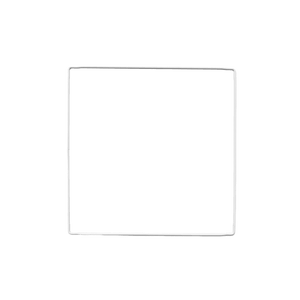
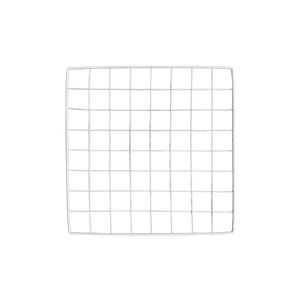
Artistbooths Single Connectors & Accessories White Square Wire Grid (35x35 cm)
Shapeshift kit part
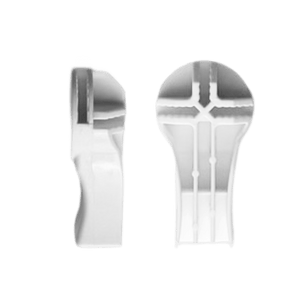
Artistbooths Single Connectors & Accessories White Edge Connector

Stand out pop ups.Shapeshifting setups.

Custom shapes and mix-and-match colours, built to sell for years.

Shop
Scroll

build a booth that builds a crowd

Little parts. Big payoff.

Why makers love our booths.

Every detail pulls its weight.

Stand out, sell out.

Be the eye-catching brand whose cohesive look draws a crowd and gets remembered.

Grow with you.

Enough parts to range products from small table to large booth.

Shape your brand.

Triangles, rectangles, hinge panels and connectors, in colours you mix yourself, for infinite display setups.

Be memorable.

Seasonal colours keep your brand unique. Frosted finish gives your art a soft spotlight.

Range & sell more.

Self-serve more customers with parts that make the most of smaller spaces.

Strong where it counts.

An iron core holds heavy stock whilst water-resistant surfaces shrug off spills and weather.

Packs light, carries safe.

Panels weigh 150g each. The double-wall carry box protects up to 30 decorated panels every trip.

Spares for years.

Every kit packs extra parts, so when you scale up or lose a piece you can keep running your vision.

Your products centre stage

Light diffusing panels.

Anti glare & bright product display

Build your modular display kit

Mix and match colours and shapes. Sized for market, convention and trade-show tables up to 6 ft / 180cm.

1. Choose kit size
2. Choose your kit colours
Only available
2aChoose your base 24 square & 22 multi-shape panel colours What colour would you like the first half of multi-shape panel colours to be?
Get a 2-colour setup by swapping 24 of 48 square panels to another colour.
Get a 2-colour setup by swapping half your panels to another colour.
2bWhat colour do you want the other 24 squares to be in this kit? What colour do you want the other half of your kit to be? Included · $0
Get a multi-colour setup by swapping 24 of 48 square panels in another colour.
Get a 2-colour setup by swapping half of square & multishape panels into another colour
3. Bundle and Save (optional)

Range more & get creative with more colours, shapes & display accessories.

15% off accessory packs when bundled with kits
Shapeshift Base Kit
46 multi-shape panels156 accessories

Shapeshift Base Kit Add-on

$559.00

Grape Purple Frosted

Square Panel [24 Pack] (35cm / 13.8in) Add-on

Square Panel [24 Pack] (35cm / 13.8in) Add-on

$450.00

Scarlet Red Frosted

Triangles Panels 4 Pack [35cm / 13.78in] Add-on

Triangles Panels 4 Pack [35cm / 13.78in] Add-on

$100.00

Terracotta Frosted

Half-Squares panels [5 Pack] [17.5x35cm / 6.89x13.78in] Add-on

Half-Squares panels [5 Pack] [17.5x35cm / 6.89x13.78in] Add-on

$100.00

Tan Brown Frosted

Self Serve Hook with wire grid T clip  8cm [10 pack] Add-on

Self Serve Hook with wire grid T clip 8cm [10 pack] Add-on

$40.00

Self serve display Grid & Intersection Hook expansion pack [12/24 Mixed pack] Add-on

Self serve display Grid & Intersection Hook expansion pack [12/24 Mixed pack] Add-on

$100.00

Multi Connector Expansion Pack - White - Bundle & Save [16/32 mixed pack] Add-on

Multi Connector Expansion Pack - White - Bundle & Save [16/32 mixed pack] Add-on

$120.00

Square Wire Grid Expansion Pack - 35cm x 35cm/13.7"x13.7" Add-on

Square Wire Grid Expansion Pack - 35cm x 35cm/13.7"x13.7" Add-on

$60.00

Hinged Square panels [5 Pack] [35cm / 13.78in] Add-on

Hinged Square panels [5 Pack] [35cm / 13.78in] Add-on

$100.00

Forest Green Frosted

Mini Rectangle Panels [5-Pack] (17cm x 35cm/6.69in x 13.78in) Add-on

Mini Rectangle Panels [5-Pack] (17cm x 35cm/6.69in x 13.78in) Add-on

$100.00

Amber Yellow Frosted

Foot Connector Expansion Pack [4 Pcs] Add-on

Foot Connector Expansion Pack [4 Pcs] Add-on

$59.00

Mixed Single & Double Wire Shelf Clip [9 pack] Add-on

Mixed Single & Double Wire Shelf Clip [9 pack] Add-on

$45.00

Booth Wheel & Wheel Connector - white - [4 pack] Add-on

Booth Wheel & Wheel Connector - white - [4 pack] Add-on

$60.00

Corner Connector Expansion Pack [8 pack] Add-on

Corner Connector Expansion Pack [8 pack] Add-on

$60.00

Edge Connector [8 pack] Add-on

Edge Connector [8 pack] Add-on

$60.00

Single Shelf Wire Clip White [5 pack] Add-on

Single Shelf Wire Clip White [5 pack] Add-on

$35.00

Double shelf wire clip white [4 pack] Add-on

Double shelf wire clip white [4 pack] Add-on

$30.00

Self serve display Grid & Fold Hook expansion pack [12/24 Mixed pack] Add-on

Self serve display Grid & Fold Hook expansion pack [12/24 Mixed pack] Add-on

$110.00

Foldable Self Serve Hook (with wire clip) - [20 pack] Add-on

Foldable Self Serve Hook (with wire clip) - [20 pack] Add-on

$80.00

White

Foldable Self Serve Hooks (with adhesive sheet) [20 pack] Add-on

Foldable Self Serve Hooks (with adhesive sheet) [20 pack] Add-on

$50.00

White

Metal mallet (with dual rubber/soft tap sides) [1 pc] Add-on

Metal mallet (with dual rubber/soft tap sides) [1 pc] Add-on

$40.00

Panel Clamp Black 3cm Mouth [4 pcs] Add-on

Panel Clamp Black 3cm Mouth [4 pcs] Add-on

$40.00

17" ITA Tote (40x35cm) Puffy Purple + Pin pad with 5 pockets Add-On

17" ITA Tote (40x35cm) Puffy Purple + Pin pad with 5 pockets Add-On

$129.00

Foldable Croc Hooks (adhesive) - 10-pack

Foldable Croc Hooks (adhesive) - 10-pack

$50.00

Black

Dual headed metal mallet (with soft tap side)

Dual headed metal mallet (with soft tap side)

$40.00

Your bundle
Free express shipping deal
Orders over $300 AUD
dhm
Free Exp. Shipping (2-7 bus.days) d h m
Your selection
American Express Apple Pay BancontactGoogle Pay Mastercard Shop Pay Union PayVisa JCBDiscoverDiners ClubMaestro
🌐 We ship globally express tracked⭐ 4.9🇦🇺 Designed in Aus
Build your own
Duo color display
Colorful display

Modular cube panels that snap together in minutes. Pick a color to start with and build & grow. for years.

Modular artist display booth at a craft market
Indoor pet playpen enclosure