Pre-order deals: new 2.0 display kits

Early bird deals for our next-generation Artist Booths kits.

Days
Hours
Minutes
Seconds

Artist Back Alley Resources Blog

First Con Of The Year: Getting Your Setup Con-Ready After Winter

Your booth has been sitting in a closet, a garage, or the back of a car since your last show months ago. Before you show up to your first con of the year, take an honest look at what actually survived the off-season.Inspect before you assume everything's fineMonths in storage means humidity swings, possible dust, and stuff getting shifted around or crushed under other gear. Don't just grab your bins and go. Lay everything out and check panel connections, shelf brackets, anything that could have warped or loosened while it sat unused. Better to catch a problem in your living room than in a loading dock.Your product lineup probably needs a refresh tooWhatever was your top seller last season might not be this season. Trends move fast, especially in fandom-driven spaces. Before your first show, actually look at what's current, what you're excited about now, and whether your old bestsellers still deserve prime shelf space or should move down to make room for new work.Re-learn your own setup, seriouslyIt sounds silly, but after months off, you WILL forget your own layout logic. Do a full practice build at home before your first con, not the morning of. This catches missing pieces, confirms everything still clicks together properly, and gets your muscle memory back before you're doing it for real in a loading zone with a line forming behind you.Check the calendar and plan your season, not just your first showFirst con of the year is a good moment to actually map out your circuit for the months ahead. Know your table sizes across different shows so you know if your current kit fits everywhere or if you need to size up. A build that fits a standard 180cm/6ft table travels well across most shows without reconfiguring every time.How do I know if my display survived storage okay?Do a full test build at home before your first show. If every panel clicks in cleanly and nothing feels loose, you're good to go.Should I refresh my product lineup for a new con season?Yes, worth a hard look. What sold last year isn't guaranteed to sell this year, especially in fast-moving fandom spaces.Is it worth upgrading my kit size for a new season?If you found yourself cramped last season, sizing up from Core to Shapeshift, or Shapeshift to the full Shapeshift, is a common move heading into a new circuit.Getting con-ready for a new season? Check out our modular display kit or see the full kit lineup to plan your setup before your first show.

Back To Back Con Season: Keeping Your Display Fresh Every Weekend

If you're running four cons in a row across peak season, your display is taking more punishment than your art is. Constant load-in, load-out, travel, repeat. Here's how to keep it looking sharp when you're the one running on fumes.Wear shows up fast when you're doing this weeklyA display that looks fine after one show can look beat up after five in a row. Scuffed corners, loosened joints, panels that don't sit quite as flush. Back to back con season is the real stress test for any booth setup, way more than a single big show ever is. This is where cheap materials fall apart, literally, and where a sturdier build actually pays for itself.Pack-down speed is what saves your sanity, not setup speedEveryone talks about how fast a display sets up, but on back to back weekends, breakdown speed matters just as much, because you're doing it exhausted at the end of a long day before driving to the next city. A system that packs flat and travels light means less time disassembling in a rush and more time actually resting between shows.Consistency across shows builds recognitionIf people follow you across a con circuit, a familiar booth layout actually works in your favor. Regular attendees start to recognize your setup from show to show, which builds a kind of brand memory that a totally different table each time doesn't. Keep your shelf layout roughly consistent even as your stock rotates.Build in maintenance checks between showsGive your panels and shelves a quick once-over between cons, even a 5 minute check. Catch a loose connection before it becomes a mid-show collapse. A modular system means you're checking connection points, not gluing anything back together, which is a much smaller job when you're running on four hours of sleep between venues.How do I keep my booth looking fresh across a long con circuit?Do a quick check between shows for loose panels or worn spots, and keep your layout consistent so returning customers recognize your table.Is a modular system actually more durable for frequent travel?Yes. Since it packs flat and reassembles from the same connection points every time, there's a lot less wear than displays that get glued, taped, or zip-tied fresh at every show.What's the biggest mistake vendors make during back to back con season?Skipping maintenance checks because they're exhausted. A five minute check between shows prevents most mid-show failures.Running a full con circuit this season? Check out our modular display kit or see the full kit lineup built to survive back to back weekends.

The Lighting Mistake That Makes Great Art Look Flat

You've seen it happen. Gorgeous art, clearly talented artist, and somehow the booth photos look dull. Nine times out of ten it's not the art. It's the lighting. Convention halls are not designed with your artwork in mind, and harsh, flat lighting can quietly wreck how great work actually reads in person. Direct overhead light washes everything out Most con venues run bright, direct overhead lighting built for crowd visibility, not art display. That kind of light hits flat surfaces hard and creates glare on glossy prints, which flattens color and contrast. Your art looks more vivid on your phone screen than it does sitting under those lights, and that's a real problem when the in-person impression is what actually sells. Glossy prints under harsh light are a glare magnet If you print on glossy stock, direct light bounces straight off the surface depending on the angle someone's standing at. People end up seeing a reflection of the ceiling lights instead of your actual artwork. This is SO common and SO easy to fix once you know it's happening. The fix: diffuse the light before it hits your art Frosted panels solve this by softening and diffusing light before it reaches your prints, instead of letting harsh direct light hit them straight on. Colors read truer, glare drops, and your booth photographs the way your actual art deserves. It's a small structural detail that makes a bigger visual difference than most vendors expect. Positioning matters too, not just materials Where your art sits relative to the nearest overhead light matters. Pieces sitting directly under a fixture take the worst of the glare, while art angled slightly or raised on a tier can catch better ambient light. Combine smart positioning with frosted paneling and you've solved most of the lighting problem without touching a single bulb. Why does my art look better on camera than in person at cons? Harsh convention lighting often washes out color and creates glare, especially on glossy prints. Camera exposure can hide this in a way the human eye at the booth can't. Do I need actual lights to fix this, or just better panels? Often just better panels. Frosted panels diffuse ambient light without needing extra lighting equipment to haul to every show. Does this affect matte prints too, or just glossy ones? Glossy prints suffer the most from glare, but even matte prints can look flat and washed out under harsh direct light without any diffusion. If your art has been looking flatter than it should under con lighting, try a proper modular display kit with frosted panels built to diffuse harsh light. Check the full kit lineup to find your setup.

What To Spend On A Display When You're Just Starting Out

You just got accepted into your first show and now you are staring at a blank booth space wondering what to actually spend on a display. Too little and you look unprepared. Too much and you have overcommitted before you even know if this is your thing. Here is how to think about it.Match the spend to your commitment levelIf this is your first show ever, you do not need to buy the biggest, most decked out setup on the market. You need something clean, sturdy, and sized to your actual table. The goal at this stage is to look professional and survive the weekend without your booth falling apart, not to build the most impressive display in the room.That said, do not swing too far the other way either. A setup so cheap it needs replacing after one show costs you more in the long run than starting with something modest but durable. The sweet spot for beginners is a smaller kit that is still built to last, not a disposable one.Start small, built to growLook for a system that can start small and expand later rather than locking you into one fixed size. A modular kit built around a smaller panel count, like our Core kit at 24 panels, covers most first time single table setups without overbuying for a booth size you do not have yet. As your show schedule grows, you can size up to something like the Shapeshift kit at 46 panels, which suits vendors once they are doing regular shows.Do not skip durability to save money upfrontThe instinct when you are starting out is to spend as little as possible. Understandable, but resist the urge to go fully disposable. A setup that reconfigures into different layouts and holds up for years spreads its cost across every future show you do, not just your first one. Think of it as buying into your convention journey, not just your first weekend.What actually matters for a first displayFast, tool free setup matters a lot when you are new and nervous about load in. A kit that goes up in under 30 minutes means less stress on your first morning. Packing flat also matters if you are traveling to your first show, since a bulky setup adds baggage costs before you have even sold your first piece.Ready to size your first booth properly. Check out our modular display kit, or compare the full kit lineup to find the right starting size.What size kit should a first time vendor start with?A smaller kit sized to a single table, like a 24 panel Core setup, is usually plenty for a first show and keeps your spend proportional to your commitment level.Should I wait to invest until I know I'll keep doing shows?Not necessarily. A durable, modular kit is not wasted even if you only do a few shows, since it holds its resale and functional value far better than a disposable setup would.Is it okay to start cheap and upgrade later?It can work, but weigh it against the real cost of replacing a cheap setup after one or two shows. Often a modest, durable kit from the start costs less over your first year than starting cheap and upgrading mid season.

Winter Market Booths: Displays That Handle Cold And Crowds

Winter markets pack a specific kind of chaos: cold hands, bulky coats, indoor venues stuffed to capacity, and shoppers who are simultaneously freezing outside and sweating in five layers inside. Your booth has to work with all of that, not against it.Bulky winter coats change how people move through your spaceEveryone's wider in winter. Puffer jackets, bags, gloves, all of it makes shoppers bump tables more than they do in spring or summer. Loose items on flat surfaces get knocked around constantly. A shelved structure keeps product up and off the collision zone at coat-and-elbow height, which matters a lot more than people think until they've worked a packed winter market.Cold hands make fussy setups miserableIf your load-in is outdoors, even briefly, cold fingers do NOT want to deal with tiny screws or stiff grommets. Tool-free assembly that clicks together without fine motor work in freezing temps is the difference between a smooth setup and a frustrating one. Under 30 minutes matters even more when you're rushing to get inside and warm up.Indoor winter venues run hot and crowdedOnce you're inside, a lot of winter markets are the opposite problem: overheated, packed rooms with everyone's coats making the aisles narrower than they look on the floor plan. Keep your booth footprint tight and predictable. A vertical build that stays within its footprint instead of sprawling wide helps a lot when aisle space shrinks under crowd pressure.Product care in winter is its own thingCold-to-warm transitions can cause condensation on certain materials, and dry winter air is rough on paper stock, causing curling or static cling between prints. Keep backstock sealed until it's needed and let anything that traveled in a cold car acclimate a few minutes before unpacking it onto your shelves.How do I keep product from getting knocked around in a crowded winter market?Shelved, vertical storage keeps items above elbow and coat height, which is where most accidental bumps happen in a packed winter crowd.Does cold weather affect the display panels?The panel build holds up fine through cold load-ins. It's your paper stock and adhesives that need more care in winter, not the structure itself.What kit works best for tight indoor winter market footprints?The Shapeshift (46 panels) keeps a compact footprint while still giving real shelf space, useful when aisles get narrow with everyone bundled up.Getting your booth winter-ready? Check out our modular display kit or see the full kit lineup before the cold season kicks off.

Why Overcrowded Tables Actually Sell Less

More prints on the table should mean more sales, right? Nope. Overcrowded booths are one of the sneakiest mistakes out there because it FEELS productive to display everything you've made. In practice, a packed table often sells less than a curated one. Here's why. The brain shuts down when there's too much to process When a table is wall-to-wall prints with zero visual breathing room, people's brains do something unhelpful. They skim past it entirely instead of stopping to look closer. Too many choices at once reads as clutter, not abundance, and clutter doesn't invite anyone to slow down. Your best piece gets buried If your strongest, most eye-catching print is sitting in a grid of forty other prints at the exact same size, it's not going to stand out. It's competing for attention with your weakest pieces instead of getting a spotlight. Customers can't buy what they never noticed. Vertical space fixes this without cutting your inventory The answer isn't to bring less art, it's to give it more room to breathe. A modular panel system lets you spread inventory across multiple tiers instead of one flat surface, so nothing has to compete for the same eyeline. Shapeshift at 46 panels is built for exactly this reason, it gives a full inventory somewhere to go without crowding, and the Angled version adds any-angle panels so the tiers can slope into a roof or an awning instead of stopping at right angles. Curated corners outsell crammed grids Try grouping pieces by theme or color with a little space around each cluster instead of one continuous wall of prints. It reads as intentional, which makes customers trust that you know what you're doing. A little empty space around your best work isn't wasted space, it's doing marketing for you. Does less product on display really mean more sales? Not less product, just better organized product. Spreading inventory across height instead of cramming it flat usually increases sales, not decreases them. How much of my table should be empty space? There's no exact number, but small gaps between clusters of work make everything easier to process at a glance, which keeps people looking longer. What's the easiest way to add breathing room without buying a bigger table? Go vertical. A panel system fits your existing standard 180cm table and adds display area upward instead of outward. If your table has been feeling packed no matter how you arrange it, a proper modular display kit gives your inventory somewhere to go. See the full kit lineup to find the right size.

What Happens When You Outgrow Your First Display

You will outgrow your first display. It's not a maybe. If you keep doing shows and your product line keeps growing, the setup that felt perfect at show one will feel cramped by show twenty. The only real question is what happens next.The signs you've outgrown itIt shows up in small ways first. You're stacking product because there's no more panel space. You're leaving new items at home because there's nowhere to display them. Your booth photo looks busier every month, not because you're adding style, but because you're out of room. That's your setup telling you it's done growing with you, even though your business isn't.Option one: replace everythingThis is what happens to vendors who bought a fixed, non-modular setup early on. Outgrowing it means starting from zero. New panels, new connectors, new everything, and the old gear either gets sold off cheap or sits in a closet. It works, but it's the most expensive path and it wastes everything you already paid for.Option two: add to what you haveThis is the whole reason our kits are built the way they are. Every panel and connector is cross-compatible across our full range, so outgrowing a Core kit at 24 panels doesn't mean replacing it, it means adding a Shapeshift add-on set at 46 panels, or moving further up to Shapeshift Duo at 92 panels for a full booth. Your original panels stay in the rotation the whole time.If you're at this point right now, staring at a table that's too small, start with a Shapeshift kit add-on and expand from your current setup instead of starting over.Outgrowing your display is a good problemIt usually means your product line grew, your following grew, or you leveled up to bigger shows. That's a good problem to have. The only bad version of it is a display system that punishes you for growing by forcing a full replacement. A system built to expand turns that good problem into an easy fix.Plan the next size before you need itDon't wait until you're turning away product at a show to think about expansion. If you can already feel your booth getting tight, that's the signal to add panels now, not after a frustrating weekend. See how the kits compare to plan your next size up.FAQHow do I know if I should expand my current kit or start fresh?If your current kit is part of a cross-compatible system, expanding is almost always cheaper and faster than starting fresh. Check whether your existing panels and connectors match a bigger kit size before assuming you need a full replacement.What's the easiest kit size to expand from?Shapeshift at 46 panels is designed as the default entry point specifically because it expands cleanly with add-ons as your needs grow.Will an expanded setup still set up quickly?Yes, every size in our range goes up in under 30 minutes with no tools, so growing your booth doesn't mean a longer or harder load in.

How Self-Serve Setups Handle A Rush Without You Panicking

You know the feeling. A wave of people hits your table at once, and suddenly you're moving too fast, dropping change, forgetting who was next, and half the crowd just wanders off because nobody got to them. A rush shouldn't feel like a crisis. Here's how a self-serve setup keeps it from becoming one.The panic comes from being the only bottleneckWhen every transaction requires you specifically, a rush means a line that only moves as fast as you personally can move. That's where the panic comes from, not the crowd itself, but the fact that you're the single point everything has to pass through. Fix that single point and the rush stops feeling like an emergency.Let the wall absorb the crowdA grid of hooks people can browse without asking permission spreads the crowd out automatically. Instead of everyone funneling toward you at once, most of them are pulling prints, comparing options, deciding on their own time. You're still working, but you're working with one person at a time instead of fielding five at once. This is the actual function of self-serve design during a rush, it turns a single chaotic line into a distributed, manageable flow.Sturdiness matters more during a rush than any other timeThis is when a flimsy display actually fails you. Three people pulling prints at once will find every weak point in a wobbly setup. Our modular display kit is built to hold up under exactly that kind of load, so a busy moment doesn't turn into a display collapsing or prints scattering on the floor.Recovery time between rushesA good setup also restocks fast between waves. Grid panels that snap items back into place quickly mean you're ready for the next rush instead of scrambling to re-hang everything. These kits set up in under 30 minutes with no tools to begin with, and fit a standard 180cm/6ft table, scaling from Core (24 panels) up to Shapeshift Duo (92 panels) for vendors who see heavy crowds show after show. Compare the kit lineup to find a size built for the crowds you actually get.What's the first thing to fix if rushes always feel chaotic?Look at whether your display requires you for every single interaction. If it does, that's the actual source of the chaos, not the size of the crowd.Can a small table handle a big rush at all?Yes, if it's organized for self-serve. A well-planned grid on even a single table spreads a crowd out far better than an unplanned one twice the size.How do I keep my display from getting knocked over during a busy moment?Sturdy grid panels rated for real handling matter here. A display built for occasional light use won't hold up the same way one built for years of heavy shows will.

How Many Shows Until Your Display Pays For Itself

Everyone wants to know when a good display starts paying for itself. It's a fair question, and the answer is more concrete than most vendors expect once you actually break down what you are comparing it against.Payback is a comparison, not a countdownA display does not pay for itself in isolation. It pays for itself compared to what you would have spent otherwise. If your alternative is a cheap grid setup you replace every year, the comparison point is everything you would have spent on those repeat purchases, tape, zip ties, and emergency hardware runs over the same period.Once you frame it that way, the payback math is simple. Add up what you are already spending per show keeping a cheap setup alive. Compare that to spreading a durable kit's cost across the same number of shows. The point where the two lines cross is your payback point, and for most vendors doing regular shows, it comes faster than expected.What speeds up the paybackA few things shorten the timeline. Show frequency is the big one, the more shows you do, the faster the cost per show drops on a durable setup. Setup speed matters too. A kit that goes up in under 30 minutes with no tools saves you real time at every single load in, and time saved is money in a business where morning prep sells product.Packing light also counts. A kit that folds flat and travels light cuts baggage costs on every trip, which quietly adds to the payback math without ever showing up as its own line item.A rough way to think about itIf you are doing regular shows across a year, a display built to reconfigure into different layouts and hold up across 20+ events typically pays back its extra upfront cost within a handful of shows, once you count what you were already losing to repairs and replacements on a cheaper setup. Slower show schedules stretch that timeline, but the direction never changes. It always pays back eventually if you are showing regularly.Do the math for your own schedulePull up your last year of receipts. Add up display related spending outside the original purchase. Compare it to what a durable kit would have cost spread across the same shows. That is your real payback number, specific to your schedule, not a generic estimate.Curious what the payback looks like for your setup. Take a look at our modular display kit, or compare the full kit lineup to find the size that matches your show calendar.Does a slower show schedule mean it never pays off?No, it just takes longer. The math still favors durability over time, it just stretches across more months for vendors doing fewer shows per year.What is the fastest way to see payback?Vendors doing frequent back to back shows see it fastest, since the cost per show drops quickly and the time saved on fast setup adds up show after show.Should I count my time as part of the payback?Yes. Faster setup means more time for product prep and customers, which is real value even if it does not show up as a dollar figure on a receipt.

Summer Con Season: Prepping Your Display For The Heat

Summer con season means outdoor load-ins, sweltering convention halls with the AC losing the battle, and product that behaves differently in the heat than it did in your climate-controlled studio. Here's what actually changes.Heat warps things you wouldn't expectPrints can curl. Stickers can get tacky and stick to each other in the bin. Certain adhesives soften. Before you even think about your booth structure, check how your actual product holds up in heat, ideally by leaving a sample in a hot car for an afternoon. If it survives that, it'll survive a warm hall.Your display material matters more in summer than any other seasonCheap MDF and particleboard displays can warp or swell in humidity and heat over a multi-day outdoor con. A sturdier panel build holds its shape through a hot, humid weekend in a way that budget wood risers just don't. This is one of those things you don't notice until day two, when everyone else's cheap shelving is sagging and yours isn't.Outdoor summer cons mean direct sun on your tableIf you're anywhere near a window or an open-air section of the venue, direct sun will hit part of your table at some point in the day. Rotate stock that's sensitive to fading or heat away from that side, and keep an eye on it through the day rather than setting it and forgetting it. A tall structured build also gives you the option to angle panels to block direct sun off your most vulnerable items.You're sweating through load-in, so fast setup matters doubleNobody wants to spend 45 minutes wrestling with a fussy display in a hot parking lot before a con even opens. No-tool assembly under 30 minutes gets you out of the heat and into the AC faster, and it packs flat and light enough that you're not hauling a heavy crate across a scorching lot either.Will heat damage the display panels themselves?The frosted panel build is designed to hold its shape through multi-day shows, including warm, humid conditions that warp cheaper wood setups.How do I protect prints from heat during a summer con?Keep stock out of direct sun where possible, store overflow prints flat in a bag rather than a hot car, and check curling on your top sellers throughout the day.Is a lighter kit better for summer cons with more load-in walking?If you're hauling gear a long distance in the heat, the Core kit (24 panels) or Shapeshift (46 panels) keep your load lighter without sacrificing a real structured booth.Getting ready for a hot summer con run? Check out our modular display kit or see the full kit lineup to plan your setup.

Why Modular Displays Work For Markets, Not Just Conventions

Modular displays get talked about like they're a convention thing. Big booths, big halls, big budgets. That's a narrow read. The same logic that makes modular work at a convention makes it work even better at a Saturday market, and honestly the market vendor needs it more.Markets change on you constantlyConvention booths get a fixed floor plan weeks in advance. Markets rarely do. You might get a different stall size, a different neighbor, a different amount of shade week to week. A fixed, single-shape display can't adapt to that. A modular system can, because you're rebuilding the same panels into whatever shape the day actually calls for instead of forcing one layout onto every stall.Markets are frequent, conventions are rareMost vendors do way more markets in a year than conventions. That means the display gets packed, hauled, and set up far more often. A system that packs flat and travels light matters MORE for market vendors, not less, because you're doing this every weekend, not twice a year. Setup under 30 minutes with no tools stops being a nice bonus and starts being the thing that saves your Saturday mornings.Weather and ground conditions punish bad gear fastConventions give you carpet and climate control. Markets give you wind, uneven grass, and sun that fades cheap materials within a season. A display built to actually hold up, not just look good in a photo, matters more outdoors. This is where a lot of market vendors get burned buying convention-style display gear that wasn't built for it.Scale is still on your sideMarket vendors sometimes assume modular systems are overkill for a single table. They're not, that's exactly what they're built for too. Core, at 24 panels, is sized for a standard table and works exactly as well at a farmers market as it does as a starter booth at a small con. And if you do add conventions or craft fairs later, the same system scales up with Shapeshift, Shapeshift Angled, or Shapeshift Duo instead of forcing you to buy something entirely different. The Angled kit's any-angle panels even let a single market table have an awning or a roof.FAQIs a modular display overkill for a single weekly market stall?No. Core, at 24 panels, is sized for exactly that and works the same whether you're at a market, a craft fair, or a small con.Does a modular system hold up outdoors, not just at indoor events?Yes, it's built to travel and hold its shape across both outdoor market conditions and indoor convention floors.If I only do markets now, is it worth buying something that also scales to conventions?Yes, plans change. Buying a system that scales means you're not replacing your entire display if you decide to add craft fairs or conventions later.Explore our modular display kit or see the full kit lineup built for markets and conventions alike.

How To Travel With Fragile Art And A Full Display

Two fragile things, one trip. Your art, which can't be replaced, and your display, which needs to survive being manhandled by baggage crews and shoved into car trunks. Handle them the same way and you're doing it wrong. Here's how to actually separate the risk. Your art gets special treatment. Your display doesn't need to. Original prints, canvases, anything one-of-a-kind should NEVER go in checked luggage or a car trunk loose. Rigid portfolio cases, flat art tubes for prints, bubble wrap on anything with a frame or glass. This stuff travels with you, in the cabin, where you control how it's handled. Your display hardware is a different story. It's replaceable, it's meant to be knocked around a bit, and a well-built modular kit is designed to survive repeated setup and teardown. Don't baby your display panels the way you baby your art, that's wasted energy and space. Pack fragile art flat, never rolled if you can avoid it Rolling prints saves space but stresses the paper and can crack certain inks over time, especially on longer trips. If you have room, pack flat in a rigid case. If you must roll, use an acid-free tube and unroll it as soon as you land to let it relax before it goes on display. Let your display do the heavy lifting, literally Our modular kits use frosted polypropylene panels, ABS connectors and PLA hooks, materials picked for durability under repeated packing, not fragility. That means you can pack your display more casually, stacked flat, tossed in a checked bag, while reserving your careful packing energy for the art that actually needs it. Panels pack completely flat and smaller builds fit the standard 56x36x23cm carry-on allowance, which means you might not even need a checked bag for the display at all, freeing up your hands and your worry for the art. Check the sizing on our modular display kit page. Set up the display first, hang art last On show morning, build your wall completely before you unpack a single print. Under 30 minutes, no tools. That way your fragile pieces are only out of their protective packaging for the shortest time possible, straight from the case onto the finished wall. Need to decide which kit size matches your table before your next trip? The full kit lineup lays out panel counts from the Core all the way up to the Shapeshift Duo. Should original art ever go in checked luggage? No. Keep original, one-of-a-kind pieces with you in the cabin, in a rigid case or portfolio, where you control how they're handled. Is it safe to check a modular display kit as luggage? Yes. Unlike your art, the display hardware is built to handle repeated setup, teardown and transit. Pack panels flat and hardware in a zip pouch. Should I roll or lay flat my prints for travel? Flat is gentler on paper and ink long-term. If space forces you to roll, use an acid-free tube and let prints relax flat as soon as you arrive.

The Wire Grid Tipping Problem Nobody Warns You About

You buy a wire grid, it looks sturdy enough in the product photo, and then five hours into your first con it starts leaning forward like it's trying to escape. Nobody warns first-timers about this because it's not a dramatic failure, it just slowly gets worse until you're constantly re-propping it against your table. Why wire grids tip in the first place Most wire grids are designed for light home use, not for holding a full day of stacked prints in a busy aisle where people are bumping the table. The base is often narrow relative to the height, so once weight builds up top-heavy, physics takes over. Add a slightly uneven convention floor and you've got a grid that's basically leaning by lunch. The clip-hooks that never quite hold Beyond the tipping, wire grids rely on little clip hooks that shift under weight or work loose over a long day. You end up readjusting prints every hour, which is time you should be spending talking to customers, not babysitting your own shelving. Why a panel system doesn't have this problem A modular panel system distributes weight differently. Instead of everything hanging off thin wire clips, panels are built correctly to hold up to 5kg per shelf as a stable, load-bearing structure, not a bunch of hooks doing their best. The base is also part of a full system designed to sit flush on a standard 180cm table, so there's no narrow tipping point to worry about. It also isn't limited to straight up and down: the any-angle panel in the Angled kits is made to fit the triangles and sets at any angle, so a roof or an awning is part of the structure, not something clipped on. The fix isn't more zip ties, it's a different system A lot of vendors try to fix wire grid tipping with sandbags, zip ties, or propping it against a wall. These are patches, not fixes. The real solution is starting with shelving that was built to carry weight in the first place, so you're not troubleshooting your own display mid-show. Why does my wire grid keep tipping forward? Usually top-heavy weight distribution combined with a narrow base. Once enough product is stacked up high, it doesn't take much to tip it. Can I just add weight to the bottom of a wire grid to stop it? It can help temporarily, but it's a patch, not a real fix. A properly built panel system solves the root problem instead of managing around it. Does a panel system take longer to set up than a wire grid? No, a modular kit typically sets up in under 30 minutes with no tools, which is comparable to or faster than wrestling a wire grid into place. If you're tired of babysitting a leaning grid, it's worth switching to a proper modular display kit built to hold real weight without tipping. Check the full kit lineup for your table size.

The Modular Mindset: Buy Once, Reconfigure Forever

Most display gear is built to be one thing. One size, one layout, one show format. The moment your needs change, it's useless and you're shopping again. The modular mindset flips that entirely. Buy once, then reconfigure the same panels for whatever show you're walking into.Stop thinking in "setups," start thinking in partsThe vendors who get the most out of their display gear stop thinking of it as one fixed setup. They think of it as a pool of panels and connectors they arrange differently depending on the show. Half table this weekend, full table next month, corner booth at the big con in the fall. Same parts, different shapes.Why this only works with real cross-compatibilityThis mindset falls apart fast if your gear isn't actually built for it. A lot of display systems look modular on the box but only really work in one or two configurations. Ours don't work that way. Every panel and connector is cross-compatible across every kit size we sell, so reconfiguring isn't a workaround, it's the actual design.That means a Core kit's 24 panels, a Shapeshift's 46, a Shapeshift Angled's 46 in six shapes, and a Shapeshift Duo's 92 all speak the same connector language. Mix and match, build up, build out, reshape for whatever room you're walking into. The Angled kits add the any-angle panel to that language, so reshaping can mean an awning, a roof or an arch, not only right angles.One purchase decision, not a repeated oneThe financial case is simple. Buy into the system once, at whatever size fits your first real need, and every future show format is a reconfiguration, not a repurchase. If you're picking your entry point, start with a Shapeshift kit, it's the default that gives you the most room to reconfigure later.What reconfiguring looks like on a Tuesday nightYou get home from a full table show, pull the panels apart, and two days later you're rebuilding them into a lower, wider layout for a smaller local market. No new purchase, no research, no waiting on shipping. Just the same setup that goes up in under 30 minutes with no tools, reshaped for the room you're actually in.See how the kits compare if you're building toward this kind of flexible setup.FAQDo I need extra parts to reconfigure my booth into a different shape?Usually not for basic reshaping within your current panel count. Bigger changes, like going from a half table to a full table, mean adding panels, which stay fully compatible with what you already own.Does reconfiguring the panels wear them out faster?No, the connector system is built for repeated assembly and disassembly across a full show season, not a one-time build.Is the modular mindset only useful for vendors doing lots of shows?It helps most if you do a mix of show formats, but even occasional vendors benefit since it means one purchase covers whatever layout comes up.

The Career Vendor's Guide To Building Income You Can Rely On

Reliable income as a vendor doesn't come from one great con. It comes from systems you can repeat, weekend after weekend, without reinventing your whole setup every time. Here's what a career vendor actually builds, not chases.Repeatability beats a single great showA viral moment at one con is nice. It's not a business. What builds real income is a table that performs the same way every single time, rain or shine, big crowd or small. That means your setup, your pricing, your restock process all need to be systems, not improvisation.Fix the part of the system that depends entirely on youHere's the honest bottleneck most vendors don't clock. If every transaction needs your hands, your income is capped by your own physical bandwidth. A self-serve grid, hooks where customers browse and grab prints on their own, takes that ceiling off. You're free to run a real conversation with one customer while others are already shopping without you. That's more transactions per hour without adding more hours to your day, which is the actual mechanism behind income that scales instead of just income that exists.Inventory that restocks off real dataCareer vendors track what sells at every show, not just at the end of the year. That data tells you what to print more of and what to retire. Guessing is expensive. A spreadsheet is free.A setup built to last, not to replaceBuying a new display every season is money you're setting on fire. A kit built for years of heavy use means one investment carries you across a full career, not just a season. Our modular display kit sets up in under 30 minutes with no tools, fits a standard 180cm/6ft table, and scales from Core (24 panels) for a lighter calendar up through Shapeshift Duo (92 panels), built specifically for years of heavy touring and the biggest builds. Compare the kit lineup to find the size that matches where your career is actually headed.What separates a career vendor from a hobbyist?Systems. A career vendor's table, pricing, and restocking process work the same way every show. A hobbyist reinvents each one, which caps growth and burns energy.How do I know if my display is holding my income back?If a busy rush leaves customers standing around waiting on you for every single transaction, your display is the bottleneck, not your art or your prices.Is it worth investing in a bigger display before I need it?Not usually. Buy for your current catalog plus reasonable growth room. Modular systems let you add panels later instead of overbuying now.

The Real Math Behind Buy Once Cry Once

Buy once, cry once. You have heard the phrase. Pay the bigger number now, feel the sting for a minute, and never think about it again. It sounds nice as a slogan, but does it actually hold up for a booth display? Let's run the real numbers instead of just repeating the phrase.What crying once actually meansThe idea is simple. Instead of spreading small painful purchases across every show for years, you take one bigger hit upfront and skip the repeated cost entirely. The pain is real either way. The question is whether you feel it once, briefly, or over and over in smaller doses that never quite go away.Most vendors underestimate how much the second option costs in total. A cheap grid cube here, a replacement panel there, an emergency tape run before a show. None of those feel big individually. Added up across two or three years, they usually beat the one time cost of a display built to last.Running the actual comparisonThink about cost per show, not cost today. A display built to reconfigure into different layouts and hold up across years of shows spreads its cost across 20+ events easily. A cheap setup that needs constant patching or replacing resets that cost every season. Once you divide both by the number of shows they actually survive, the buy once option almost always wins.It is not just about moneyThe other side of buy once cry once is what you stop paying in stress. No more wondering if a wobbly frame survives the weekend. No more scrambling for replacement parts the night before a show. Setup that takes under 30 minutes with no tools means your morning goes to prepping your table, not fighting your booth. That is a real cost too, even if it never shows up on a receipt.When buy once actually appliesThis logic only works if you are actually committed to showing regularly. If you are testing the waters with one show, a smaller commitment makes more sense. But once you know you are doing multiple shows a year, every season on a disposable setup is a season of paying the small cost over and over instead of once.If you are ready to stop crying every few months, take a look at our modular display kit, or compare the full kit lineup to find the size that fits your show schedule.Does buy once cry once apply to every vendor?It applies most clearly to anyone doing regular shows across a year. Occasional vendors doing one event might not need the full commitment yet, but should still avoid the cheapest disposable options.How do I know the bigger purchase is actually worth it?Divide the total cost by how many shows you expect to use it for. If that number beats what you are currently spending per show on repairs and replacements, it is worth it.What is the biggest mistake vendors make with this logic?Buying once but still buying cheap. Buy once cry once only works if the one purchase is actually built to last. A single expensive purchase that still fails in a year defeats the whole point.

Farmers Market Vendor Setups For Non-Food Sellers

Farmers markets are built around produce stands and food carts, and if you're selling art, jewelry, or prints in that mix, you're already fighting an uphill battle for attention. The crowd came for tomatoes, not necessarily for you. Here's how to actually get noticed.You need to look different from the produce stands around youMost farmers market booths are folding tables with a cloth and a sign. That's fine for vegetables, it's forgettable for art. If your setup looks identical to the honey stand next to you, shoppers scan right past it. A structured, shelved display with real height immediately signals "this is a different kind of booth" and pulls the eye of people who weren't specifically looking for what you sell. That contrast is your biggest advantage in a food-dominated market.Farmers market crowds are browsing slower, use thatUnlike a con crowd blitzing past a hundred tables, farmers market shoppers wander. They're relaxed, they've got a coffee, they're not in a rush. That means you actually get real browsing time, so use your shelf space to tell a story instead of just maximizing volume. Group pieces by color or theme, leave breathing room, let people actually look instead of scan.Outdoor weather is the real variable hereFarmers markets are almost always outdoors, rain or shine, wind included. A flimsy tablecloth-and-bin setup gets knocked around by wind gusts fast. A structured panel build with real weight and stability holds up a lot better in an open-air pitch than loose displays that catch wind like a sail.You're probably doing this weekly, so setup speed compoundsFarmers markets often run every week, sometimes year round. A setup that takes 45 minutes to build might be fine once, but multiply that by 40 weekends a year and it's a real cost. Sub-30-minute, no-tool setup adds up to hours of your life back over a season, and it packs flat enough to keep in the car between markets instead of a full re-pack every time.Do art vendors actually do well at farmers markets?Yes, especially when the booth visually stands apart from the food stalls. Standing out from the produce tables is most of the battle.How do I protect my display from wind at an outdoor market?A structured, weighted build handles wind far better than loose tablecloths and lightweight bins that catch air like a sail.What kit size makes sense for a weekly farmers market?The Shapeshift (46 panels) is a solid middle ground, enough shelving for a real catalog without being a hassle to load in and out every single week.Bringing your art to a farmers market crowd? Check out our modular display kit or see the full kit lineup to find your fit.

The Small Exhibitor's Guide To Standing Out Next To Big Brands

You're going to end up in a hall next to a brand with a booth budget bigger than your annual revenue. That is not a reason to shrink. Small exhibitors win on things big brands are structurally bad at, if you actually use them.Big brands are slow, you're notA corporate booth gets approved through five layers of marketing sign-off and looks like it. Same beige palette, same layout as last year, same everything because nobody wants to be the one who changed it. You don't have that problem. You can pick a bold colour, try a new layout, and change it next event if it doesn't work. Speed and flexibility are a real advantage, use them.You can be specific, they can'tBig brand booths are built to say something generic to everyone walking by. You can talk to the ONE person in front of you like a person, not a lead-gen target. That personal read comes through in how your booth looks too. A big glossy backdrop with a logo reads as corporate. A booth with real colour and a human scale reads as someone who actually makes the thing they're selling.Don't try to out-big them, out-distinct themYou will never out-spend a big brand's booth. Do not try. Instead build something they structurally cannot, because their booth gets decided by committee and yours doesn't. That's where a modular kit helps: 19+ exclusive frosted colours designed in-house give you options no corporate supplier catalogue offers, and you can build a shape with real depth instead of one flat wall using Shapeshift Angled, whose any-angle panels swing both ways and set at any angle for awnings, roofs and arches, or go bigger with Shapeshift Duo at 92 panels if you're standing next to a genuinely large booth.Consistency across events builds recognition they can't buy in one showA big brand might do one show a year with a huge splash. A small exhibitor who shows up consistently, at the same colour, the same recognizable shape, across multiple markets and conventions builds something a single big splash doesn't: people remembering you specifically. That consistency is easier when your display travels with you instead of being a one-time custom build. Ours packs flat and travels light between events for exactly that reason.FAQHow do I compete with a big-budget exhibitor in the same hall?Don't try to match their spend. Use distinct colour, a human scale, and consistency across events, all things a big committee-run booth is bad at doing.Is it worth building a permanent custom look if I'm a small brand?Usually not. A modular system that reconfigures gives you flexibility a custom build locks away, and it costs less over multiple events.What actually makes a small booth memorable next to a large one?Colour and shape read from a distance before anyone compares budgets. A distinct look beats a bigger one on recall.Check out our modular display kit or the full kit lineup to build something that stands out on its own terms.

What Experienced Vendors Wish They'd Known On Day One

Ask any vendor who's been doing this for years what they'd tell their first-con self, and you'll hear a lot of the same answers. None of it is secret knowledge. It's just stuff that takes a few painful shows to actually learn. Here's the shortcut. "I wish I'd invested in a real display sooner" This is the number one regret, hands down. New vendors often try to save money with a bare table and a cheap grid, then spend a year rebuilding it show by show as pieces break or don't quite work. A proper modular kit is a one-time setup that fits a standard 180cm table and just keeps working, con after con, instead of slowly evolving out of duct tape and spare parts. "I underestimated how much setup time actually matters" Early on, setup felt like a chore to rush through however possible. Experienced vendors know it's actually part of the job, and the FASTER it goes, the calmer your whole morning is. A kit that goes up in under 30 minutes with no tools means you're not scrambling five minutes before doors open, still fighting with a shelf that won't quite click into place. "I wish I'd sized my kit for growth, not just my first show" A lot of vendors buy small and outgrow it within a year. Going from Core (24 panels) to Shapeshift (46) to Shapeshift Duo (92 panels) is a natural progression as inventory grows, and buying with a LITTLE room to grow saves you from replacing everything twice. "Nobody told me lighting could make or break how my art looks" This one surprises a lot of vendors. Convention lighting is often harsh and flat, and it can genuinely wash out artwork that looks vibrant everywhere else. Frosted panels diffuse that light so colors stay true, which matters more than most first-timers expect until they see it side by side. What's the one thing experienced vendors always mention? Investing in a proper display system earlier. It's the change that pays off the fastest and the most consistently. Should I buy a bigger kit than I think I need? A little room to grow is smart, especially since kits scale from Core up to Shapeshift Duo at 92 panels, letting you build up to 175cm tall as your inventory expands. How long does it really take to master booth setup? Less time than you'd think, especially with a system that sets up in under 30 minutes with no tools. Most of the learning curve is just deciding where things go, not fighting the hardware. Skip a few years of trial and error and start with a proper modular display kit. See the full kit lineup to find a size that grows with you.

Flying Interstate For A Con: The Real Packing List

Not the Pinterest packing list. Not the "10 essentials every vendor needs" list written by someone who's never actually flown a full booth interstate solo. This is what you actually need, in the order it actually matters. Your display, sized for the flight First decision, before you pack anything: which kit size is coming with you. Core (24 panels) or Shapeshift (46 panels) if you want a shot at carrying the whole thing on. The Shapeshift Angled (46 panels in six shapes) if you're checking one bag anyway and want a roof or an awning over a full table. Shapeshift Duo (92 panels) only if the show genuinely calls for a bigger footprint, since it's the heaviest to fly with. Whatever size, the panels pack completely flat, which is what makes any of this manageable in the first place. See the breakdown on our modular display kit page. What goes in the checked bag Panels, ABS connectors, PLA hooks, table cloth, business cards, extra packaging for sold prints. Basically everything that isn't fragile or irreplaceable. Pack the panels flat along the bottom, hardware in a zip pouch so it doesn't rattle loose. What comes with you in the cabin Original art. Anything one-of-a-kind. Your payment reader, cash box, and laptop if you're running a POS. Signage that's fragile or printed on something bendable, keep it flat in a portfolio bag, never rolled if you can avoid it. If your booth is small enough, this is also where the panel kit itself can go, inside the standard 56x36x23cm carry-on allowance. Day-of essentials that get forgotten Zip ties as backup, a small clip light if your venue runs dim, extra cash for a float, phone charger and a battery pack, snacks that aren't going to melt or crush. None of this is glamorous. All of it saves your show if you forget the obvious stuff. If you're deciding between kit sizes for this specific trip, the full kit lineup breaks down panel counts against table sizes so you're not guessing. Setup morning You've got maybe 30 minutes before doors open and a line already forming. No tools needed, panels click into connectors, hooks go on last. Practice this ONCE at home before your first interstate show so setup morning isn't the first time you've built it under pressure. Should I check my display or carry it on for an interstate flight? Depends on kit size. Smaller kits often fit carry-on dimensions. Bigger kits should go checked, packed flat, as your one main checked bag. What should never go in a checked bag for a con trip? Original artwork, anything one-of-a-kind, and your payment hardware. Keep those with you in the cabin. How early should I practice setup before flying to a show? At least once at home before your first trip. You want setup morning to be muscle memory, not a first attempt with a line watching you.
60-second quiz5% off

Find your perfect kit in 60 seconds & score 5% off

Answer a few quick questions and we'll match you with the right kit fit.

What matters more for your booth?
The shape: roofs, awnings and angles
Any-angle panels for roofs, awnings and shaped fronts
The colour: the widest colour range
The most colours to pick from and to mix
What are your planned setups going to be?
Half table (90cm / 3ft)
Sharing a table or just starting out
Full table (180cm / 6ft)
The standard table at most cons, markets & fairs
Double, corner or booth (360cm / 12ft)
Two tables, an L-shape, or a full corner stand
Free-standing booth (no table)
A floor-standing wall, no table needed
Select all that apply
How long do you plan to use it?
Just one season, trying it out
Light use, a handful of events
A few years
Most artists land here
Heavy, long-term use
Built to last, with room to grow on extra parts and spares for years
What do you display?
Small prints, cards, pins & stickers
Flat, lightweight, easy to pin
Large prints & posters
A2 and up, needs room to breathe
Large items: Apparel, bags, figures, 3D merch, home goods
Heavier, bulkier pieces that need sturdy shelf framing
Jewellery, charms & keychains
Small and light, lots of little hooks
How tall do you want it?
Keep it low so my table and wall stay visible
A clean, low backdrop that frames your work
Build tall framing for maximum impact
A towering wall that pulls eyes from across the hall
What shape do you want your booth to be?
Classic cube shelves
Straight walls and stepped shelves
Angled roofs, cut corners or a curved front
Any-angle panels set at any angle for roofs, corners and U fronts
Which colours catch your eye?
Amber Yellow
Apricot
Avocado Green
Blue Sky
Forest Green
Grape Purple
Jade Green
Lavender Purple
Lilac Purple
Mint Green
Royal Blue
Scarlet Red
Snow White
Terracotta
Watermelon Pink
Yuzu Yellow
Select all that apply
Your perfect kit and 5% off are ready, pop in your email below to reveal both.
Unlock your kit & bonus 5% discount
Pop in your email and we'll reveal your 5% off, auto-applied at your cart.
Your result
Your perfect match
Your stall. Infinite installs.

Lightweight panels and snap on connectors shapeshift together.

Iron frame with frosted, water resistant surfaces for light & mighty structures.
Shapeshift kit part
Artistbooths Bundle Component Frosted Lavender Purple (PMS 2715 C) Panel Square (35x35 cm) [8-pack]
Shapeshift kit part
B-grade artist booth panel - discounted cosmetic-second stock
Shapeshift kit part
Shapeshift kit part
Artistbooths Bundle Component Frosted Lilac Purple (PMS 263 C) BOOF Panel Triangle (35x35 cm) [2-pack]
Shapeshift kit part
Shapeshift kit part
Shapeshift kit part
Shapeshift kit part
Shapeshift kit part
Half square panel in Frosted Avocado Green
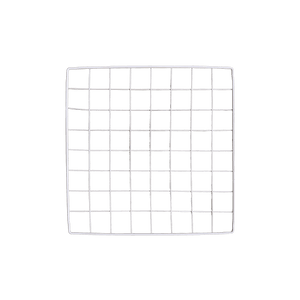
Artistbooths Single Connectors & Accessories White Square Wire Grid (35x35 cm)
Shapeshift kit part
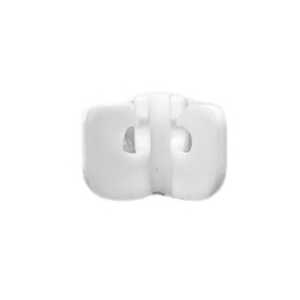
Artistbooths Single Connectors & Accessories White Edge Connector

Stand out pop ups.Shapeshifting setups.

Mix & match custom shapes & colours that match your brand.

Shop
Scroll

build a booth that builds a crowd

Little parts. Big payoff.

Why makers love our booths.

Every detail pulls its weight.

Stand out, sell out.

Be the eye-catching brand whose cohesive look draws a crowd and gets remembered.

Grow with you.

Enough parts to range products from small table to large booth.

Shape your brand.

Triangles, rectangles, hinge panels and connectors, in colours you mix yourself, for infinite display setups.

Be memorable.

Seasonal colours keep your brand unique. Frosted finish gives your art a soft spotlight.

Range & sell more.

Self-serve more customers with parts that make the most of smaller spaces.

Strong where it counts.

An iron core holds heavy stock whilst water-resistant surfaces shrug off spills and weather.

Packs light, carries safe.

Panels weigh 150g each. The double-wall carry box protects up to 30 decorated panels every trip.

Spares for years.

Every kit packs extra parts, so when you scale up or lose a piece you can keep running your vision.

Your products centre stage

Light diffusing panels.

Anti glare & bright product display

Pick a Display kit to Shapeshift your brand.

Choose a setup size and colours & explore examples of how you could use our kits.

Only available
2aMain colour Main colour
Colour 1
Swap half your square panels to a 2nd colour
Swap half your multi-shape panels to a 2nd colour
2bSecond colour Second colour Free
Swap half your square panels to a 2nd colour
Swap half your multi-shape panels to a 2nd colour
Colour 2 Free
4. Bundle & save add-ons

Display more with add-on packs.

Shapeshift Kit 46 Multi-Shape Panel and Accessory Kit Add-on

Shapeshift Kit 46 Multi-Shape Panel and Accessory Kit Add-on

$575.10

Grape Purple Frosted

Square Panel [24 Pack] (35cm / 13.8in) Add-on

Square Panel [24 Pack] (35cm / 13.8in) Add-on

$405.00

Scarlet Red Frosted

Self Serve Hook with wire grid T clip  8cm [10 pack] Add-on

Self Serve Hook with wire grid T clip 8cm [10 pack] Add-on

$36.00

Self serve display Grid & Intersection Hook expansion pack [12/24 Mixed pack] Add-on

Self serve display Grid & Intersection Hook expansion pack [12/24 Mixed pack] Add-on

$90.00

Multi Connector Expansion Pack - White - Bundle & Save [16/32 mixed pack] Add-on

Multi Connector Expansion Pack - White - Bundle & Save [16/32 mixed pack] Add-on

$108.00

Square Wire Grid Expansion Pack - 35cm x 35cm/13.7"x13.7" Add-on

Square Wire Grid Expansion Pack - 35cm x 35cm/13.7"x13.7" Add-on

$54.00

Mini Rectangle Panels [5-Pack] (17cm x 35cm/6.69in x 13.78in) Add-on

Mini Rectangle Panels [5-Pack] (17cm x 35cm/6.69in x 13.78in) Add-on

$90.00

Amber Yellow Frosted

Foot Connector Expansion Pack [4 Pcs] Add-on

Foot Connector Expansion Pack [4 Pcs] Add-on

$53.10

Mixed Single & Double Wire Shelf Clip [9 pack] Add-on

Mixed Single & Double Wire Shelf Clip [9 pack] Add-on

$40.50

Booth Wheel & Wheel Connector - white - [4 pack] Add-on

Booth Wheel & Wheel Connector - white - [4 pack] Add-on

$54.00

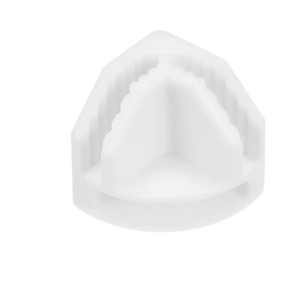
Corner Connector Expansion Pack [8 pack] Add-on

Corner Connector Expansion Pack [8 pack] Add-on

$54.00

Edge Connector [8 pack] Add-on

Edge Connector [8 pack] Add-on

$54.00

Single Shelf Wire Clip White [5 pack] Add-on

Single Shelf Wire Clip White [5 pack] Add-on

$31.50

Double shelf wire clip white [4 pack] Add-on

Double shelf wire clip white [4 pack] Add-on

$27.00

Self serve display Grid & Fold Hook expansion pack [12/24 Mixed pack] Add-on

Self serve display Grid & Fold Hook expansion pack [12/24 Mixed pack] Add-on

$99.00

Foldable Self Serve Hook (with wire clip) - [20 pack] Add-on

Foldable Self Serve Hook (with wire clip) - [20 pack] Add-on

$72.00

White

Foldable Self Serve Hooks (with adhesive sheet) [20 pack] Add-on

Foldable Self Serve Hooks (with adhesive sheet) [20 pack] Add-on

$45.00

White

Metal mallet (with dual rubber/soft tap sides) [1 pc] Add-on

Metal mallet (with dual rubber/soft tap sides) [1 pc] Add-on

$36.00

Panel Clamp Black 3cm Mouth [4 pcs] Add-on

Panel Clamp Black 3cm Mouth [4 pcs] Add-on

$36.00

Foldable Croc Hooks (adhesive) - 10-pack

Foldable Croc Hooks (adhesive) - 10-pack

$50.00

Black

Foldable Croc Hook (clip) - 10-pack

Foldable Croc Hook (clip) - 10-pack

$80.00

Black

Your bundle
Free express shipping deal
Orders over $300 AUD
dhm
Free Exp. Shipping (2-7 bus.days) d h m
Selection
★Rated 5.0/5 by sellers at markets & cons
American Express Apple Pay BancontactGoogle Pay Mastercard MB WAY Shop Pay Union PayVisa JCBDiscoverDiners ClubMaestro
🌐 Globally express tracked🇦🇺 Designed in Oz★ Rated 4.9/5 by sellers at markets & cons

Swing into new degrees of freedom.

Meet the any-angle panel. A panel the world has never seen before. It swings both ways, it is the missing piece of the line-up, and it unlocks infinitely more designs.

Flips into an awning

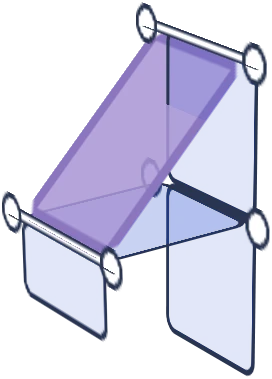
The panel drops onto a square that stands out from the wall, and the half panel on its edge swings down to hang straight.

Best of booth worlds

Angled Duo comes in two colours. Mix them panel by panel.

Rounds off your booth

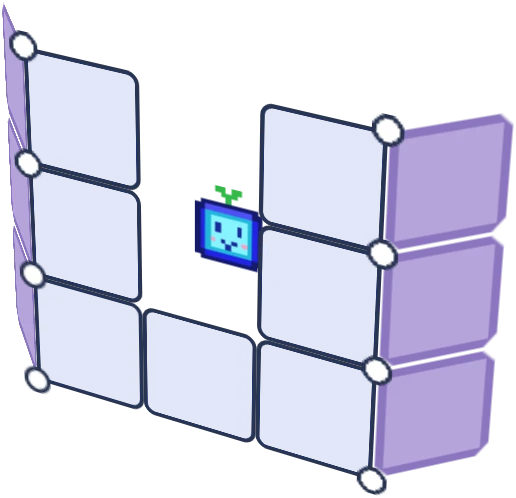
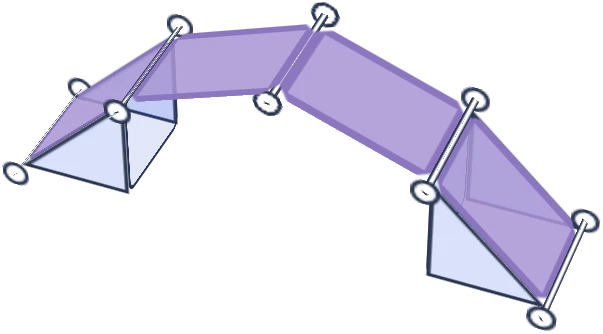
Any-angle panels at both ends turn sharp corners soft, so your art carries round the booth and draws people in.

Stands out in every direction

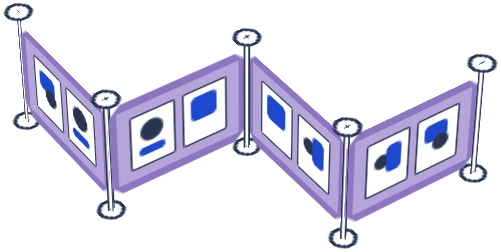
A zigzag wall shows your art from several angles at once.

Swings both ways

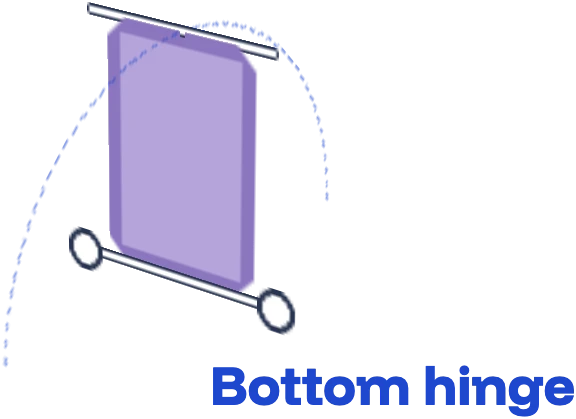
Put the connectors on the top rod or the bottom rod. It swings 180 degrees from either end.
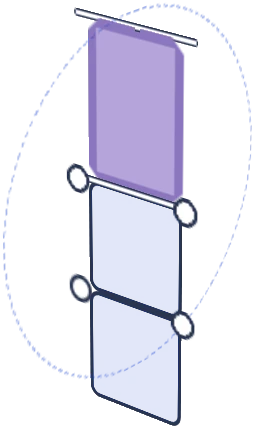
turned from hanging down
Sets at any angle

The rod turns freely in its connectors. Whatever the free end meets sets the angle.
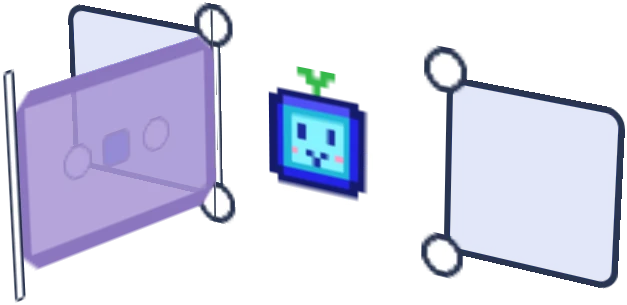
Swings like a door

On its side between two squares, it opens to let you through and shuts behind you.
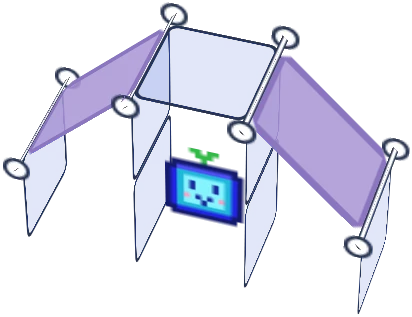
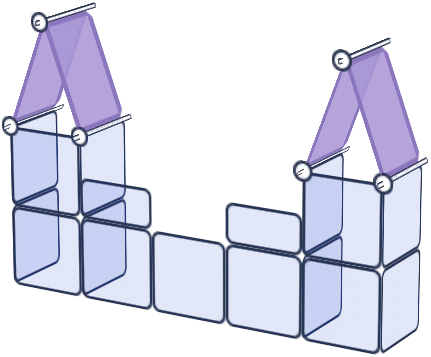
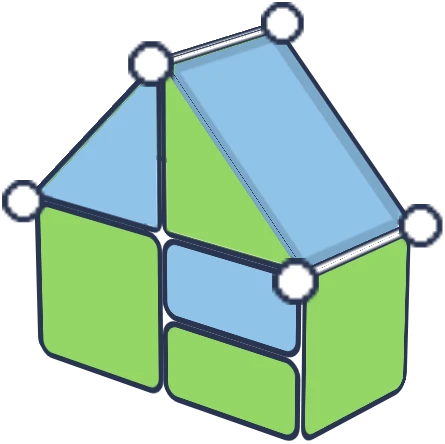
Panels can form a roof

Chamfered, arched or pointed: two to four any-angle panels meet at the top.

Half square
Square
Triangle
Any-angle panel
Half square
The missing piece

It sits on the triangle’s long edge, the spot no other panel could fill, and clicks into 4 connectors for a clean slant with no gap.

A4A5A6A4A5A3
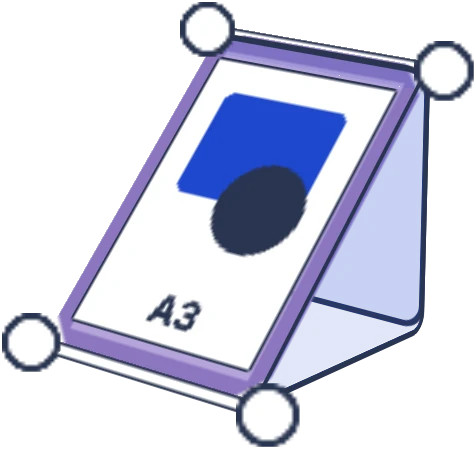
Carries up to A3 prints

One A3, or an A4 with an A5 and an A6, upright or turned sideways.

Slants onto a square

A slope for stickers and keychains that faces your customer.

frosted

Aqua Teal

new limited edition kits

frosted

Build your own
Duo color display
Colorful display

Modular cube panels that snap together in minutes. Pick a color to start with and build & grow. for years.

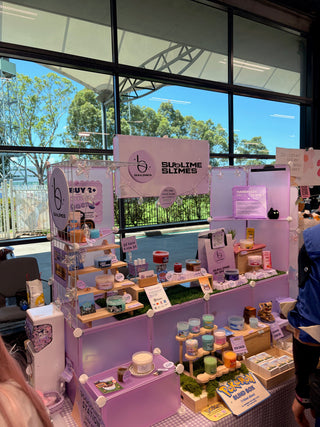
Modular artist display booth at a craft market
Indoor pet playpen enclosure