Artist Back Alley Resources Blog

How Many Cons A Year You Need To Go Full-Time

Everyone wants a magic number. There isn't one. But there are real factors that decide whether your con count can actually support you, and they matter a lot more than the raw count itself. Here's what to actually weigh. Your con density, not just your con count. Ten cons spread evenly across the year behaves completely differently from ten cons crammed into two months. Density affects production time, restock windows, and whether you physically have time to recover between shows without burning out. How much of each show is actual selling time. A con with a long, chaotic load-in eats into your selling hours before you've made a dollar. This is exactly why setup speed matters so much once you're doing this seriously. A booth that goes up in under 30 minutes with no tools hands you back selling time that a slow setup would have eaten. Your sell-through rate per show, not just attendance. A packed con with poor sell-through is worse than a smaller show where your table actually converts. Self-serve grid walls exist specifically to raise this number, letting customers grab prints and small items while you're occupied with someone else. Production capacity between shows. More cons only helps if you can actually restock between them. Vendors who go full-time on con count alone, without matching production capacity, end up showing up to later shows half-empty. Whether your setup scales with your booth size. Going full-time usually means bigger booth spaces at bigger shows. A modular booth kit that scales up as you grow means you're not buying a whole new setup every time you level up, from a 24-panel Core kit at small local markets to something built for years of heavy convention use at flagship shows. Off-season income streams. The vendors with the steadiest year-round income usually aren't relying on con count alone. Commissions, online sales, and other channels fill the gaps between shows, so your con schedule doesn't have to carry the whole year by itself. Travel and table costs eating into what a con actually nets you. A far-flung con with a high table fee needs to clear a much higher bar than a local show you can drive to. Count NET, not gross, when you're deciding what stays on the calendar. Your own burnout ceiling. This is the one people skip. There's a con count where the math works on paper but you're too fried to actually execute well. Know that number for yourself before you build a schedule around someone else's pace. Add it up and the honest answer is: enough cons, spaced with enough recovery time, where your setup, production, and selling systems can all actually keep pace with each other. Start by browsing the kit lineup and building a setup that won't be the thing holding your schedule back.

What A Booth Rating Video Taught Us About First Impressions

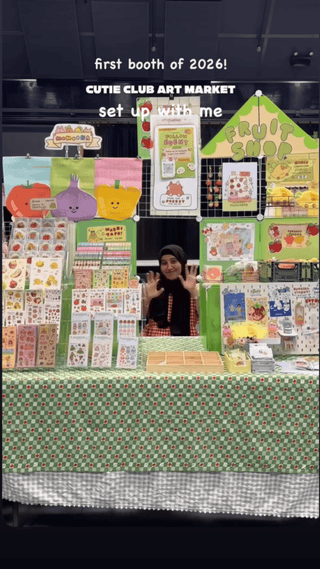
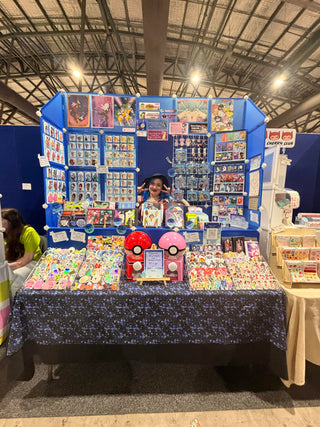
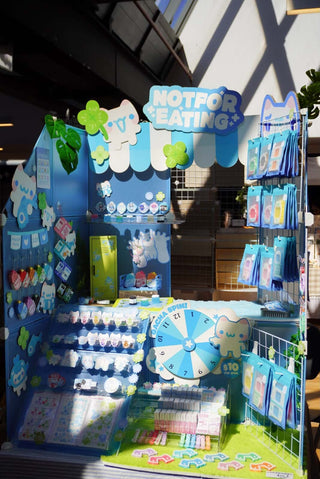
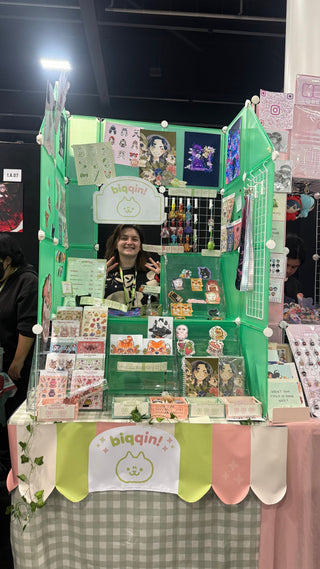
There's a booth in almost every rating video that gets the same reaction. The artist is talented. The prints are genuinely good. And the rater still gives it a low score. Every time, the comments say the same thing: "I would have walked right past this." The booth in question had a card table, a plain black cloth, and a stack of prints laid flat with a handwritten price sheet taped to the front edge. No height. No sign visible from more than a few feet away. The art itself, once the rater actually stopped and looked, was strong. But nobody was stopping. The booth simply didn't ask anyone to. That's the part that stuck with us. The rating wasn't about talent. It was about the first three seconds a stranger's eyes spend on your table while walking the aisle at normal con speed. Three seconds isn't enough time to appreciate technique. It's barely enough time to register a shape and decide if it's worth a second look. What actually earns that second look Height, first. A booth that rises above table level breaks up the sea of flat tables around it and gives eyes something to catch on. Color and light, second. Harsh convention lighting flattens everything, so panels that diffuse the glare rather than reflect it straight back make the art look like art instead of a photocopy under a spotlight. And a clear, visible sign, third. Not clever. Not tucked behind the register box. Visible. The fix for that specific booth would have been simple. Not more inventory, not better art, just a structure to put the existing work on. A kit like the modular booth display builds vertical panel space in well under 30 minutes with zero tools, which matters when you're setting up at 7am before doors open and every minute counts. Suddenly the same prints have height, the frosted panels take the edge off flat hall lighting, and the sign has somewhere to actually be seen. The lesson from that video wasn't "get better at art." It was "give your art a chance to be seen before anyone judges it." Nobody critiques brushwork from twelve feet away walking past at a fair clip. They decide whether to stop first. Everything after that is up to the work. But nothing after that happens if the booth never earns the stop. If your setup is currently a table and a prayer, it might be time to look at what actual booth kits can do for that same stack of prints you already have. The talent was never the problem. The table was.

Booth Layout Fails And How To Spot Them In Your Own Setup

We watch a lot of booth rating videos. It's basically a genre now. And after enough of them, the same fails start repeating like a bad drop pattern. If your setup has ever gotten a "hard pass" energy from a stranger scrolling past, it's usually not your art. It's your layout. Here are the layout fails we see over and over, straight from what actually tanks a booth on camera and in real life. The dead center table. Table shoved flush against the back wall with nothing rising above it. From six feet away your booth reads as a flat rectangle of paper. Height is what stops feet. If your display doesn't climb, you're invisible in a crowded aisle. No focal point. Everything is the same size, same distance from the walkway, same visual weight. A shopper's eye needs somewhere to land first. Pick your best piece and give it its own panel, its own lighting, its own moment. The wall of clutter. Forty prints crammed edge to edge feels like MORE value but reads as noise. People can't process a wall that dense in the two seconds they're walking by. Leave breathing room between pieces. Blocking your own signage. We've seen booths where a rack, a chair, or the artist's own body sits directly in front of the shop sign. If someone has to lean around you to read your name, you've already lost them. Flat lighting killing the art. Convention hall lighting is harsh and unflattering, full stop. Panels that diffuse light matter more than people think. Frosted panels soften that glare so colors read true instead of washed out or blown out under fluorescents. Nothing to browse, only to reach past. If your prints are stacked flat in bins with no standing display, customers have to dig. Digging feels like work. Work loses sales. Vertical panel space turns browsing back into browsing. Every one of these is fixable without buying new inventory. It's rearranging what you already have on a structure that actually holds it. A modular booth kit gives you the height and the panel real estate to fix all six in one pass, and it goes together in under 30 minutes with no tools, so you're not still building when doors open. Browse the full range of booth kits and find the one that fits your table and your table alone, since everything's built for a standard 180cm setup. Watch your own booth like it's someone else's rating video. Be honest about what you'd flag. Then fix it before the next con.

Local Comic Shows: Building A Display For Smaller Crowds

First local comic show I ever tabled at, I brought the same setup I'd use for a huge convention. Tall panels, packed wall of prints, the works. Thirty people walked past me in an hour and not one of them stopped. Not because the art was bad. Because the booth felt like it was shouting at a room that only had forty people in it.A friend running the table next to me had almost nothing up. A few prints at eye level, one small sign, and actual space to breathe around her work. People stopped there constantly. She wasn't competing with a wall of noise like she would at a big con, so she didn't build one. She built something you could actually look at without feeling rushed.That was the lesson. Small local shows aren't a mini version of a big con, they're their own thing entirely. The crowd is thinner but slower. People aren't power-walking past a hundred booths, they're browsing five tables in a church hall or a community center gym. They'll actually read your signage. They'll ask questions. Your booth doesn't need to scream to be seen, it needs to be worth stopping at.That changes how you should build. You don't need your tallest configuration or your densest print wall. A smaller footprint, like what Core (24 panels) gives you, is often the better call for these shows. It fits a single table without crowding the room, and it leaves you actual space to talk to people instead of hiding behind stock. If you're already running a bigger kit for major cons, that's fine too, the same modular artist booth display kit just gets built lower and leaner for a small room instead of maxed out.Setup matters here too, even though the stakes feel lower. Local shows often run on tight volunteer schedules and you might only get twenty minutes to set up before doors open. No-tool assembly under 30 minutes isn't just a con-hall feature, it's what lets you actually chat with the organizer instead of wrestling with hardware while people start walking in.These shows are where you build real local fans, not just impulse buyers. Give them a booth that feels approachable instead of one built for a crowd that isn't there. If you're deciding what to bring to your next local show, the full kit lineup is worth a look before you default to whatever you used at your last big con.

Going From Weekend Hobby To Full-Time Income

There's a specific moment a lot of vendors describe the same way. You're at your day job on a Tuesday, checking your phone under the desk, and you realize the table you ran last weekend outsold your paycheck for the week. It doesn't feel real the first time. It also doesn't mean you should quit on Wednesday.That gap between "one great con" and "sustainable full-time income" is where most vending careers actually get built or quietly stall out. The difference usually isn't talent. It's whether the business side catches up to the art side.The weekend version of the businessAs a hobbyist, you can get away with a lot. A folding table, a couple of easels, prints stacked in a bin you dig through when someone asks for a specific piece. It's slow, but it doesn't matter, because you're only doing this a handful of weekends a year and the stakes are low. Nobody's tracking hourly sales. Nobody's calculating whether the con was worth the table fee against what you actually took home.What breaks when you scale upThe vendors who go full-time hit a wall fast: the hobby setup can't keep pace with hobby income becoming REAL income. Suddenly you're doing twice the shows, and that bin-digging system means customers wait, lines form, and people walk off. Setup that used to be a leisurely hour before doors open now has to happen in whatever tight load-in window the con gives you, sometimes shared with fifty other vendors fighting for the same hallway.This is usually the point vendors switch from improvised setups to something built for repeat, fast deployment, like a proper modular booth kit that goes up in under 30 minutes without tools. Not because it's fancier, but because the old system physically can't keep up with the new schedule.The mechanism, not the miracleNobody goes full-time because they bought a better table setup. But the setup is part of what makes the income mechanically possible. A self-serve grid wall means you're not the bottleneck when three people want prints at once. A booth that scales from a small local market to a packed flagship con means you're not rebuilding your whole operation every time a bigger opportunity shows up. More transactions per hour, less dead time between shows, less burnout from load-in chaos. That's the actual engine. Nobody's promising a number. The mechanism is just closer to sustainable when the operational stuff stops fighting you.What actually changes when it's your jobYou stop thinking in single cons and start thinking in seasons. You start caring about things you never noticed as a hobbyist, like how long setup takes, how many panels your grid needs for a good product spread, whether your booth can survive being packed and unpacked forty times a year. Browsing the kit lineup stops being window shopping and starts being an actual business decision.The Tuesday-at-your-desk moment is exciting. The unglamorous part, upgrading your setup, tightening your con schedule, treating the table like the store it's become, is what turns that one good weekend into a career.

Comic Con Prep: Getting Your Booth Show-Ready In A Week

Con's in seven days and your booth is still a pile of prints in a closet. Relax, this is doable. Here's a realistic week-out plan that gets you show-ready without pulling an all-nighter on Thursday.Days 7-6: Inventory and print runCount what you actually have versus what you need. This is boring but it's the step that saves you from a Sunday scramble to reprint your best seller. Order your prints now, not Wednesday. Printers get slammed during con season and rush shipping isn't guaranteed.Days 5-4: Test your display, don't assume itIf your booth kit has sat in a bag since last con, set it up at home before show day. This is where a no-tool build actually pays off, you can test the full layout in your living room in under 30 minutes and catch problems while you still have time to fix them. Check every shelf holds weight properly (the 35x35cm frosted panels are rated to 5kg per shelf), make sure nothing wobbles, and confirm your table fits the space, most con tables are the standard 180cm/6ft.Days 3-2: Signage, pricing, and the boring adminPrint your price sheet. Charge your card reader. Print business cards if you're out. This is also when you should finalize your booth layout on paper, decide what goes at eye level (your best work), what goes in bins (prints people dig through), and what goes up top for visibility across the hall.Day 1: Pack smart, not fastPack in the order you'll unpack. Frame and panels first since they go down first, then shelves, then stock, then the small stuff on top. A kit that packs flat travels light between shows, which matters even more if this is a back-to-back weekend. Do a final gear check against a written list. Don't trust memory the night before a con.What if I don't have a week, just two or three days?Cut the print run first if you have to. A smaller but well-organized selection beats a chaotic pile you didn't have time to sort. Setup and signage still need their time regardless of how compressed the schedule gets.Should I bring backup panels or parts?If you've got room in the car, yes. A spare shelf or connector costs you nothing to bring and saves your whole show if something bends in transit.How do I know which kit size to bring?Match it to your table. Most cons hand out a standard 6ft table, and the modular artist booth display kit is built to fit that exactly, so measure your actual booth space, not just what looks good at home.Seven days is plenty of time if you don't waste the first three of them procrastinating. Browse the full kit range now if you're still deciding what to bring, not the night before load-in.

The Self-Serve Table Strategy That Doubles Your Sell-Through

You're mid-conversation with a customer about a commission. Three people are standing at your grid wall right now, deciding between two prints. If your setup makes them wait for you to ring them up one at a time, you just lost at least one of those sales. Self-serve fixes exactly this problem, and it's the single biggest lever full-time vendors pull to move more product per hour.Why self-serve actually worksThe math is simple. You only have one set of hands and one mouth. Every minute you spend walking a customer through a single small purchase is a minute you're not talking to the person who might buy your $200 commission, or the next three browsers who need a reason to stop. A self-serve grid wall lets customers pick prints, stickers, and small items off the wall THEMSELVES while you're occupied elsewhere. You're not the bottleneck anymore.This isn't about being less personal. It's about being available for the interactions that actually need you, while low-friction purchases handle themselves.What makes a grid actually self-serveClear pricing, clear categories, and items a customer can grab without asking permission. If someone has to flag you down to check a price or ask if something's for sale, it's not self-serve, it's just a wall with extra steps. The panels need to be sturdy enough that customers can browse and lift items off without your booth wobbling, which is where a proper modular system earns its keep over improvised pegboard.Match your grid size to your actual product mixToo small and you're restocking constantly or turning away impulse buys. Too big and you've got dead space eating your table footprint. This is where kit sizing matters. A Core kit at 24 panels suits someone testing self-serve at small local shows, while the 70-panel Shapeshift, the most popular size, handles a full flagship-con product spread without the wall looking sparse. Check the modular booth kit page to see how panel count maps to table space before you commit to a size.Setup speed feeds directly into sell-throughA self-serve wall only works if it's actually up and dialed in before doors open. If you're still building your grid when the first wave of customers hits, you've lost the exact window self-serve is supposed to capture. A no-tools setup under 30 minutes means your wall is ready and organized before the room fills up, not scrambled together while people are already walking past.Does self-serve work for higher-priced items too?It works best for lower-friction items like prints and stickers where the decision is fast. Bigger commissions and custom pieces still benefit from a real conversation, which is exactly why self-serve frees you up to have those conversations.Will customers actually just take things without paying?Rare, and usually not worth designing your whole booth around avoiding. Keep your grid in your sightline and price tags obvious, and most vendors find self-serve pays for itself many times over in the sales it doesn't lose.Explore the full kit lineup to find the grid size that actually fits how you sell, not just how you display.

Indoor Con Halls vs Outdoor Markets: Two Different Display Games

We'll say it plainly. Indoor con halls and outdoor markets are not the same job wearing different clothes. They're two different games, and vendors who treat them the same usually get burned once before they learn.Indoors, you're fighting for attention under fluorescent lights next to a hundred other booths screaming for the same eyeballs. Height and colour win that fight. You want panels stacked tall, art facing outward at eye level, and a setup that reads clearly from ten feet away in a crowd moving at con-hall speed. Nobody outdoors is competing with a wall of booths behind them, but indoors that wall is your whole battlefield.Outdoors it's a completely different fight. You're not competing with booth density, you're competing with the sky. Sun glare, gusts, the chance of rain rolling in an hour before close. A setup that looks incredible under con lighting can get wrecked by ten minutes of wind if it wasn't built with that in mind. Weight distribution and quick teardown matter more outdoors than colour theory ever will.One kit, two completely different setupsHere's the part people miss. You don't need two different display systems for these two worlds. You need ONE system that reconfigures. The modular artist booth display kit goes up in under 30 minutes with no tools either way, but how you build it should change with the venue. Indoors, build tall and dense. Outdoors, build low and weighted. Same panels, same frame, completely different instincts driving the layout.Vendors who do both circuits well aren't the ones with the fanciest booth. They're the ones who actually think about which game they're playing before they start unpacking. Check the full kit lineup and stop assuming your indoor setup will just work outside. It won't, not without rethinking it first.

Why Less Table Doesn't Mean Less Sales

We hear it every con season. Someone gets assigned a 3ft table instead of the 6ft they wanted and treats it like a punishment. Like the sales are already gone before doors even open. We've watched this happen at booth after booth, and honestly, it's a story vendors tell themselves, not something the table actually decides. Sales don't come from table length. They come from what a customer sees in the first three seconds of walking past. A cluttered 6ft table with everything laid flat loses to a tight 3ft setup with one strong piece at eye level and a clean wall behind it, every single time. We've seen it happen at the same show, side by side, more than once. Small footprints force the edit you should've made anyway A huge table lets you avoid decisions. You just spread everything out and hope something lands. A small table doesn't give you that option, and that's a GOOD thing. It makes you pick your best pieces, zone your best sellers at arm's reach, and put your name where people can actually read it. Customers respond to that clarity whether they realize it or not. This is exactly why a modular panel wall earns its keep on tiny footprints. It builds up instead of out, stacking as high as 175cm off a table that might only be 90cm wide. Your display size stops being tied to your table size. The wall carries the visual weight your table can't. We're not saying bigger tables are bad. We're saying the panic about small ones is misplaced. The right kit for a small footprint sets up in under 30 minutes with no tools, packs down into a case small enough to carry on a flight, and rebuilds itself to whatever table you get handed next. Over a thousand artists running these kits are averaging 4.9 stars, and plenty of them are running that rating off 3ft tables, not 6ft ones. So the next time you get assigned a small table, don't mourn the space you didn't get. Build tighter, cleaner, taller. The sales were never about the six feet.

Why Full-Time Vendors Invest Differently In Their Displays

Ask a weekend vendor about their table setup and they'll shrug. Ask someone doing this full-time and they'll talk your ear off about grid spacing, setup time, and how many panels they run for a 6ft table. That's not obsession. That's just what happens when your booth becomes your storefront instead of a hobby prop.Your booth stops being decoration and starts being infrastructureWhen vending is a side thing, your display just needs to look nice for a couple weekends a year. When it's your income, that same display gets set up and torn down dozens of times a season, dragged through convention centers, and expected to survive it. We stop thinking about displays as pretty backdrops and start thinking about them as EQUIPMENT. Equipment gets budgeted for properly, because equipment failing mid-show is a lost sales day, not just an inconvenience.That's why full-timers gravitate toward something built for repeated use, like a modular booth kit that's designed to go up and down fast without falling apart after the fifteenth con. A tri-fold cardboard display bought for one convention just isn't built for that life.It also changes how we think about capacity. A hobbyist buys one kit and never thinks about it again. Someone scaling toward full-time starts asking what happens when their product line grows, whether their current setup can handle a bigger booth space next year, and whether the whole system can flex up without a total rebuild. That's the difference between the Core kit and something like the Shapeshift Max, built for years of heavy convention use rather than a handful of local markets.The other shift is subtler. Full-time vendors start valuing SPEED as much as looks. Setup that eats an hour of load-in isn't just annoying, it's an hour you're not greeting early customers or getting your table dialed in before doors open. A setup that goes up in under 30 minutes with no tools isn't a luxury at that point. It's part of the math that makes vending sustainable as a job.None of this means you need to overspend the second you decide to take vending seriously. It means the calculation changes. You start weighing displays the way you'd weigh any other piece of business equipment, against durability, speed, and whether it can grow with you, not just whether it looks good in one con photo.Browse the full kit lineup and you'll notice the same pattern other full-timers land on: buy for the year you're building toward, not just the show this weekend.

Outdoor Market Displays: Wind, Weather And What Holds Up

Outdoor markets play by different rules than con halls. No walls, no climate control, no guaranteed shade. Here's what actually holds up when the wind picks up and the sky can't decide what it's doing. Weight low, not high. Wind grabs tall thin structures first. Keep your heaviest stock and shelf weight low on the panels, and don't stack your tallest pieces on the top row when gusts are forecast. A frame that's stable at 175cm tall indoors can still get pushed around outside if it's top-heavy. Clip your prints down, always. Even a light breeze will send loose prints sailing into the next vendor's table. Binder clips, magnets, or weighted print bins are non-negotiable outdoors. Treat every flat surface as something the wind is trying to steal from. Frosted panels shrug off glare. Direct sun on a glossy display washes everything out and makes your art unreadable from three feet away. The 35x35cm frosted panels diffuse light instead of bouncing it straight into a customer's eyes, which matters a lot more outdoors than under fluorescent con lighting. Pack light because you're doing this solo. Outdoor markets rarely have loading docks or elevators. You're carrying gear from a car across grass or gravel, often alone. A kit that packs flat and travels light isn't a luxury here, it's the difference between one trip and four. Modular means you can shrink fast. Weather turns. A gust warning goes out mid-market and suddenly you need to drop your display height and consolidate. This is where the modular artist booth display kit earns its keep, panels come down and reconfigure in minutes without tools, so you can lower your profile instead of packing up entirely. Rain means your setup needs a fast teardown. A surprise shower shouldn't mean panicked scrambling. No-tool assembly works both directions, up in under 30 minutes and down just as fast when you need to protect your art NOW. Test your setup before show day. Set it up in your backyard or driveway once before your first outdoor market of the season. You want to know exactly how it handles in real wind, not guess on the day with customers watching. Outdoor markets reward vendors who plan for weather instead of hoping it behaves. Browse the full range of modular kits and pick a size that matches the space you'll actually be working outdoors, not just the biggest one available.

The Pop-Up Retail Display Playbook For Small Brands

Pop-up shops live or die in a matter of hours. You don't have weeks to build a following in that space, you have whatever foot traffic walks past on the day. A small brand with a strong display can outsell a bigger name with a lazy one, because in a pop-up, the display IS the first impression. There's no website, no packaging on a shelf, just your table and thirty seconds to make someone stop.Think temporary structure, not permanent shop fit-outThe biggest mistake small brands make with pop-ups is trying to recreate a real store. That means custom shelving, heavy furniture, stuff that takes hours to install and doesn't survive being moved twice. Pop-ups need the opposite: a structure that goes up fast, looks intentional, and comes back down without falling apart. A modular panel system solves this directly. Our modular artist booth display kit builds a full backdrop behind a standard 180cm table in under 30 minutes, no tools required, and folds flat when the pop-up ends.Size the display to the space you're actually rentingPop-up spaces vary wildly. Some are a single table in a shared retail corner, others are a full storefront for a weekend. That's why sizing matters. The Core kit (24 panels) works for a tight single-table footprint. Shapeshift (70 panels), our most popular size, scales up to a 360cm double setup if you've got more room. Shapeshift Max (92 panels) builds out a full exhibition-style booth for bigger pop-up takeovers. Check sizes against your actual floor plan in the modular booth kit collection before you commit.Colour is your brand's fastest signalIn a pop-up, you don't get time to explain your brand. Colour does that job instantly. Choose from 19+ exclusive frosted colours and stick with the same palette across every pop-up you run, it builds recognition the same way a real storefront would, just without the twelve-month lease.Plan for reuse, because pop-ups repeatOne good pop-up usually leads to another. Build a display that survives multiple events instead of one that gets binned after the first weekend. Ours ships from Sydney with 1-3 day processing to over 50 countries and carries a 4.9 star rating from more than 1,000 customers, so it's built to be picked up, packed down, and used again.How fast can I actually set this up for a one-day pop-up?Under 30 minutes, no tools. That leaves time to actually merchandise the table instead of fighting with a frame.Does it work for a shared retail space, not just a solo booth?Yes. It fits neatly behind a standard table, so it works whether you're the whole pop-up or sharing a corner with other small brands.What if my pop-up schedule changes month to month?That's exactly what it's built for. It packs flat, travels light, and scales from a single table to a bigger double setup, so the same kit follows your schedule instead of limiting it.A pop-up gives you one shot at a first impression. Build the display that earns it.

The One Design Choice That Ties A Whole Booth Together

A friend of ours ran her first big con with three folding tables, a mismatched tablecloth she'd had since college, and a hand-painted sign leaned against a water bottle to keep it upright. Her art was genuinely good. Foot traffic barely noticed. She sold maybe a dozen prints across two days and left convinced her work wasn't good enough for the room.It wasn't the work. It was the wall behind it.Six months later, same artist, same prints, different booth. This time she'd picked two frosted panel colours that matched the palette in her actual paintings, a deep slate blue and a soft lilac, and built a simple backdrop out of a modular booth kit. No new signage. No new banner. Same prints, same price tags, same table size. She sold out of two designs by Saturday afternoon.The wall did the work the sign never couldWhat changed wasn't the art. It was the ONE decision to make her backdrop match her work instead of ignoring it. Because the panels are frosted polypropylene, light diffused through them instead of glaring back at shoppers the way a plastic tablecloth does under convention hall lighting. Her paintings looked lit from within instead of sitting in front of a random surface.That's the pattern we see over and over. Artists chase bigger signs, louder banners, more merch spread across more tables, when the actual lever is simpler: does your backdrop colour match your work, or is it just whatever you had lying around.It held up because it was repeatableThe part that actually mattered long term wasn't just that one show. It's that the setup packed flat, went back together in under 30 minutes with no tools at the next event, and looked exactly the same both times. Her booth started to become recognizable, the blue and lilac wall, before people even got close enough to see the prints. Regulars started looking for it.If you're staring at a booth that isn't converting the way your art deserves, don't reach for a bigger sign first. Look at what's actually behind your table. Browse the modular artist booth kits range and find the two or three colours that already live in your work. That's the tie that pulls a whole booth together, and it's usually simpler than the fix you were about to make instead.

Why Every Kit Ships With More Parts Than The Bare Minimum

Cheap display kits count every panel like it's a cost to shave. You get exactly enough to fill the space and not one piece more. That's how a broken connector on a Friday night turns into a half-built booth on Saturday morning. Here's why the Artist Booths lineup does it differently, and why that matters for your table. Spares aren't an upsell, they're already in the box Every kit, Core through Shapeshift Max, ships with spare panels and connectors included. You're not paying extra for a backup plan. It's already sitting in your kit case the day it arrives. A cracked connector shouldn't end your show Panels get loaded and unloaded dozens of times a year, jammed into cars, dropped on concrete loading docks, packed too tight in a tote. Spares mean a snapped connector is a two minute fix, not a gap in your wall for the whole weekend. Layouts change more than people plan for You show up to a venue and your assigned table is a different shape than you expected, or you get a corner spot instead of a straight run. Extra parts give you room to adjust your layout on the spot instead of forcing the same configuration every single time. It sets you up to grow without a second order Because every panel and connector is cross-compatible across the whole kit lineup, the extra pieces in your current kit can carry over when you expand. Buying a Shapeshift Base kit now with room to spare means less friction when you eventually step up to a full Shapeshift or Max setup. It's proof the kit was built for years of use, not one season A kit sized to the bare minimum is a kit built to be replaced. Matched panel and connector counts with spares baked in is a kit built to survive a full convention circuit, market after market, year after year. Combined with a setup that stays under 30 minutes with no tools, that's the whole point of buying a modular system instead of a one-off display. None of this is filler. Every extra piece in the box is there because real vendors, running real tables at real shows, kept running into the same problems. The fix was simple: stop shipping the bare minimum.

The Space-Saving Tricks Vendors Learn The Hard Way

The first time an artist we know did a market stall, she brought her whole convention setup. Grid walls, a folding rack, two totes of overflow stock stashed under the table in plain sight, prints stacked flat because there wasn't room to hang half of them. The stall was 4ft wide. She'd planned for 8. By hour two she was climbing over her own inventory to make change, and half her line never came out of the totes. That's the lesson almost every vendor learns the same way. Not from a blog post, from standing in a space too small for the gear they brought and realizing it live, mid-show, with a line forming. The rack that ate the aisle Her grid wall needed a wide floor stand just to stay upright, and that stand alone took up nearly a third of her footprint before a single print went on it. Vertical space existed right above the table, completely unused, while the floor space she actually needed for customers to stand in got swallowed by hardware. The fix she found later was almost embarrassingly simple. A panel wall that connects behind the table instead of standing in front of it. No separate floor footprint, no wide base stand stealing aisle room. The panels click together with ABS connectors and climb straight up off the back of the table itself, up to 5 panels high, around 175cm. Same display height as her old rack. Zero extra floor eaten. The totes under the table Overflow stock hidden under the table sounds harmless until a customer asks for another color and you're on your knees digging through a bin in front of a line. She solved this one with shelves instead of storage bins. PLA hooks clip shelves directly onto the panel wall, each holding up to 5kg, so what used to live hidden under the table now lives visible and reachable at arm height. No more digging mid-transaction. If it's not on the wall or a shelf, it doesn't come to the show. The kit she wishes she'd started with She ended up on the 46-panel Shapeshift Base, the smart default for anyone building around a low, half-table setup near 90cm. It matched the smaller stalls she actually books most of the year. For the handful of bigger 6ft conventions, the same style of build scales up in the wider kits across the modular kit collection, so she isn't buying separate gear for separate show sizes anymore. The part that still surprises her Setup now takes under 30 minutes with no tools, and the whole kit packs flat into a case around 56x36x23cm that fits in her car trunk next to everything else. The version of her that once needed a full afternoon and a friend's help to wrestle a grid wall upright would not believe it. Most space-saving lessons get learned the hard way, at a show, mid-panic. Hers just happened to stick.

Why Empty Table Space Is Costing You Sales

Picture this. Doors open, the hall floods with people, and your table sits there with three prints laid flat, a bin of stickers, and a big stretch of bare tablecloth on the far end. You figured you'd fill it in later once you saw how the crowd moved. Two hours pass. You never got around to it. And the whole time, the table next to you, half your inventory, same size booth, has had a steady trickle of people stopping, picking things up, actually buying.That's not luck. That's math. Every centimeter of bare table is a centimeter doing nothing for you while you're paying con rates to be there. It's not decoration, it's real estate, and empty real estate doesn't sell art.We hear the same reasoning every time this comes up. "I didn't want to overcrowd it." Fair instinct, but there's a wide gap between overcrowded and empty, and most vendors who worry about clutter swing way too far the other direction and leave half their table doing nothing. The fix isn't piling on more stock. It's going vertical with what you already have.This is where a flat table setup actually loses to a wall setup, even at the exact same table size. A modular panel system turns that bare stretch of tablecloth into standing display space, prints hung at eye level instead of lying flat where half the hall never even glances down. The modular booth kit line is built around 35x35cm panels that click together without tools, so filling that dead space doesn't mean a trip back to the hotel for more stock. It means using the panels you already packed, just arranged with actual intention.Here's the part that stings a little. That vendor with the bare table probably paid the SAME booth fee as their neighbor pulling steady sales. Same square footage, same rent, wildly different return, and the only difference was how much of the vertical space actually got used. A kit that scales from 24 panels up to 92 means you can match the display to your table size exactly, Core for a tight corner spot, Shapeshift or Max if you've got a full 180cm table to work with, so there's no excuse for a setup that looks half-finished by the time doors open.If your table has ever looked like it was still being unpacked an hour into the con, that's the tell. Fix the space, not the inventory. Check the full range of kits and build something that actually uses every bit of the table you're already paying for.

Regional Small Cons vs Major Conventions: What Changes

A folding table setup that kills it at your local library con can fall flat at a 40,000-person mega convention. And a rig built for a big show can feel like overkill at a small regional one. Booth strategy is not one-size-fits-all. Here is what actually changes between the two, and how to build a display that flexes with you.Foot traffic changes everythingSmall regional cons might see a few hundred to a couple thousand people over a weekend. People walk slow. They talk to you. They read your bins. At a major con, you're getting flash-glanced by thousands of people an hour, most of them mid-stride, overstimulated, and looking for a landmark to remember your table by. Your display needs to work as a billboard at big shows and as a conversation starter at small ones.Height and visibility rules are differentAt small cons you can often get away with a low-profile setup because aisles are wide and crowds are thin. At major cons, tall booths around you will swallow a flat table setup completely. This is where panel height matters. A modular artist booth display kit builds up to 5 panels high, roughly 175cm, tall enough to actually get seen over heads in a packed hall. At a small show you can run it lower and wider instead. Same kit, different configuration, zero extra gear bought.Setup time and turnaroundSmall cons usually give you a relaxed morning to set up. Major cons cram hundreds of artists into a tight load-in window, sometimes under an hour before doors open, and staff will hover if you're slow. This is where tool-free setup stops being a nice spec on a page and starts being the reason you're not sweating at 8:45am. A full modular kit goes up in under 30 minutes with no tools. That matters double when you're doing back-to-back shows and packing out Sunday night to drive to the next one Thursday.Which kit size actually fitsRegional shows often box you into a single 6ft table with barely any depth behind it. Core (24 panels) is built for exactly that footprint and keeps your setup tight without crowding your own workspace. Bigger shows sometimes hand out double-wide spaces or corner spots, where Shapeshift (70 panels) or Shapeshift Max (92 panels) actually get to stretch out and hold real shelf weight, up to 5kg per shelf on the 35x35cm frosted panels. Buy for the biggest show you regularly do, then scale down for the small ones. Going the other way doesn't work.Do I need a bigger display for a major con?Not necessarily bigger, but taller and denser usually helps. Height wins the visibility fight in a packed hall more than footprint does.Can one kit realistically cover both show types?Yes, that's the whole point of a modular system. You add or remove panels and shelves depending on the space you're handed instead of owning two separate setups.What changes fastest between regional and major cons?Load-in time. A relaxed regional morning versus a brutal major-con crunch is the single biggest planning difference, and it should shape how fast your setup routine actually is, not just how good it looks.Bottom line: build one flexible system and adjust it per show instead of building a new booth every time the venue changes.

Making Your Merch Table Feel Like An Extension Of Your Instagram

If someone follows your Instagram, then walks past your booth and doesn't recognize it, you've got a branding gap. Your feed has a palette. Your booth should have the SAME one. Here's how to actually close that gap instead of just talking about it.Audit your grid before you touch your boothScreenshot your last 12 posts and lay them out. What colours actually repeat? Most artists are surprised how narrow their real palette is once they see it laid flat, usually two or three dominant tones plus a neutral. That's your booth palette. Not your favourite colour, the colour that's already IN your feed.Panels are your physical gridA modular artist booth display kit gives you frosted polypropylene panels in 19+ exclusive colours, so you can match your actual feed palette instead of settling for whatever tablecloth was in stock. The frosted finish diffuses light so your prints glow against the panels the same way a well-lit flatlay glows in a feed post, instead of sitting flat against harsh reflective plastic.Consistency is the actual flexAnyone can build one good-looking booth once. The artists who build a recognizable brand are the ones whose booth looks the same in July as it does in December. Because these kits pack flat and set up in under 30 minutes with no tools, keeping the same layout and colours every show is realistic, not just aspirational. Whether you run a Core (24 panels), a Shapeshift Base (46 panels), or the most popular Shapeshift (70 panels), pick the tier that matches your table size and stick with it. Panels fit a standard 180cm/6ft table and stack up to five high, about 175cm, so you've got real wall space to work with, the same way you'd use a full feed grid instead of one lonely post.Shoot your booth like you'd shoot a flatlayOnce your panel colours match your feed, treat your table setup the same way you'd style a product photo. Group merch by colour block, leave breathing room instead of cramming every item edge to edge, and let the frosted panels be the backdrop, not a competing pattern. That's the difference between a table that looks busy and one that looks curated.What if my art style changes seasonally?Keep your panel colours as the constant base and let seasonal prints rotate in front of them. Two or three fixed panel colours plus rotating merch reads as intentional, not messy.How do I pick colours if my Instagram feed is already mixed?Pick the two colours that show up most often across your last 20 posts and build around those. You can browse the full modular artist booth kits range to see which frosted tones come closest to your existing palette.Does the frosted finish actually make a visible difference in photos?Yes. Because light passes through the frosted polypropylene instead of bouncing off it, your booth photos avoid the harsh glare you get from glossy printed banners, which matters a lot once that photo is competing in a feed full of other booths.Match your booth to your feed and people will recognize you before they read your name tag.

What Farmers Market Vendors Can Learn From Con Culture

Convention artist alley has turned booth design into a science. Vendors there fight for attention in packed rows, all day, every day of the year, and they've figured out what actually works. Farmers market and craft fair vendors are fighting the exact same battle on a smaller scale, they just haven't borrowed the playbook yet. Here's what to steal. Height beats width, every time. Con vendors don't get more table space than anyone else, so they build UP with backdrop panels instead of spreading product sideways. A tall backdrop gets seen from across a hall. A wide flat table only gets seen by whoever's already standing in front of it. One consistent look, every event. Artist alley regulars run the same backdrop colours and layout at every con because repeat customers recognize it instantly. Farmers market vendors change their setup weekly and wonder why nobody remembers them. Pick a look, in one of our 19+ frosted colours, and keep it. The booth has to survive travel. Con artists are doing back-to-back weekends across different cities, so their gear has to fold flat and hold up. A modular panel kit that packs down in minutes beats a wooden frame that lives in pieces in the trunk. Setup under 30 minutes, no tools, matters just as much at a Saturday market as it does at a con. Scale the booth to the event, not the other way around. Con vendors know a single artist alley table needs a different setup than a shared 12ft booth at a bigger show. That's why kits like ours scale from Core (24 panels) up to Shapeshift Max (92 panels) for a full exhibition build. Bring the right size instead of overbuilding or underbuilding every time. Original design beats generic stock. The best con booths don't look like everyone else's, because the vendor designed their own signage and colours instead of grabbing whatever a print shop had in stock. We design our own colours in-house too, we're not reselling a dropshipped panel system with our logo slapped on it. Treat the booth as an investment, not an expense. Con vendors run 3-4 shows a month and their booth pays for itself fast because it keeps getting reused. A farmers market table that folds up and travels light works the exact same way, week after week, season after season. None of this is exclusive to conventions. It's just what happens when vendors compete hard enough, long enough, to figure out what actually sells. Browse the modular booth kit collection or start with the modular artist booth display kit and bring some con-level thinking to your next Saturday market.

How To Justify A Bigger Display Budget To Yourself

You've been eyeing a proper booth setup for a while now. You keep talking yourself out of it. "My current setup still works." "Maybe next season." "I should wait until sales are better first." Sound familiar? Here's how to actually think it through instead of just stalling.Stop comparing it to one showThe math breaks if you only look at a single event. Of course a $20 wire cube looks cheaper than a proper kit when you're staring at one weekend. The real comparison is cost per show over the life of the gear. A kit built to last for years across many conventions spreads its cost thin fast, especially once you're past 15 or 20 shows on it. Do that math before you decide anything feels too expensive.Ask what your current setup is actually costing youIt's rarely just the sticker price of the cheap option. Add up replacement grids, extra totes for storage, the tablecloth you bought because the last one didn't fit right, the hour of setup time you lose every single show. A patchwork setup has hidden costs that never show up on one receipt but absolutely show up over a year.Match the size to where you're actually headedDon't buy for the table you have today if you know you're growing. If you're consistently outgrowing your space or getting bumped to bigger booth assignments, sizing up from a Core to a Shapeshift Base or Shapeshift now can save you from buying twice. If you're not sure, the Shapeshift is the most popular size for a reason, it fits the widest range of booth situations without over-committing.Remember what you're actually buyingYou're not just buying panels. You're buying a setup that reconfigures into different layouts, sets up in under 30 minutes with no tools, and packs flat so it travels light. You're buying back your setup mornings and your peace of mind mid-show. That's worth factoring in, not just the panel count.How do I know if I'm ready to upgrade?If you're doing more than a handful of shows a year, or if your current setup has already needed repairs or replacement parts, you're past the point where waiting saves you money.What if I'm not sure which kit size fits my booth?Start with your typical booth footprint and check it against the full kit lineup, from the 24-panel Core up to the 92-panel Shapeshift Max. Most vendors size up one tier from what they think they need.Is it worth it if I'm still early in my vendor journey?Honestly, that's often the best time. You avoid the trial-and-error years entirely and start every show already looking like you know what you're doing.The budget conversation with yourself gets a lot easier once you stop pricing one show and start pricing the next five years. Have a look at the modular display kit and run your own numbers before the next event sneaks up on you.
60-second quizExtra 5% off

Find your ideal display kit size in 60 seconds & score extra 5% off

What are your planned setups going to be?
Half table (90cm / 3ft)
Sharing a table or just starting out
Full table (180cm / 6ft)
The standard table at most cons, markets & fairs
Double, corner or booth (360cm / 12ft)
Two tables, an L-shape, or a full corner stand
Free-standing booth (no table)
A floor-standing wall, no table needed
Select all that apply
How long do you plan to use it?
Just trying it out
1–3 times
Going to do markets more often
3–20 times/year
Multi-year use
Built to last, with room to grow
What do you display?
Small prints, cards, pins & stickers
Flat, lightweight, easy to pin
Large prints & posters
A2 and up, needs room to breathe
Large items : Apparel/bags/figures/3d merch/home goods
Heavier, bulkier pieces that need sturdy shelf framing
Jewellery, charms & keychains
Small and light, lots of little hooks
Select all that apply
How tall do you want it?
Keep it low so my table and wall stay visible
A clean, low backdrop that frames your work
Build tall framing for maximum impact
A towering wall that pulls eyes from across the hall
Which colours catch your eye?
Amber Yellow
Apricot
Avocado Green
Blue Sky
Forest Green
Fully Black
Grape Purple
Ivory White
Jade Green
Lavender Purple
Lilac Purple
Mint Green
Royal Blue
Scarlet Red
Snow White
Tan Brown
Terracotta
Watermelon Pink
Yuzu Yellow
Select all that apply
Your perfect kit and an extra 5% off are ready, pop in your email below to reveal both.
Unlock your kit & bonus 5% discount
Pop in your email and we'll reveal your extra 5% off, auto-applied at your cart.
Your result
Your perfect match
Your stall. Infinite installs.

Lightweight panels and snap on connectors shapeshift together.

Iron frame with frosted, water resistant surfaces for light & mighty structures.
Shapeshift kit part
Artistbooths Bundle Component Frosted Lavender Purple (PMS 2715 C) Panel Square (35x35 cm) [8-pack]
Shapeshift kit part
B-grade artist booth panel - discounted cosmetic-second stock
Shapeshift kit part
Shapeshift kit part
Artistbooths Bundle Component Frosted Lilac Purple (PMS 263 C) BOOF Panel Triangle (35x35 cm) [2-pack]
Shapeshift kit part
Shapeshift kit part
Shapeshift kit part
Shapeshift kit part
Shapeshift kit part
Artistbooths Bundle Component Frosted Lilac Purple (PMS 263 C) BOOF Panel Half Square (35x17.5 cm) [4-pack]
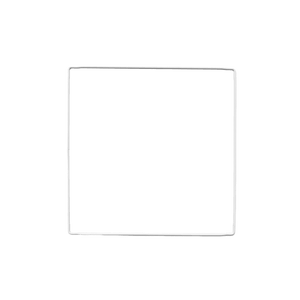
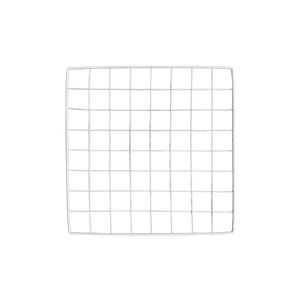
Artistbooths Single Connectors & Accessories White Square Wire Grid (35x35 cm)
Shapeshift kit part
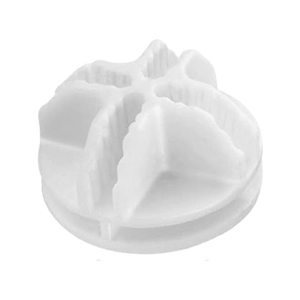
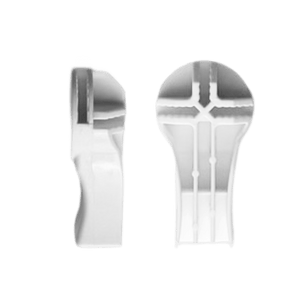
Artistbooths Single Connectors & Accessories White Edge Connector

Stand out pop ups.Shapeshifting setups.

Custom shapes and mix-and-match colours, built to sell for years.

Shop
Scroll

build a booth that builds a crowd

Little parts. Big payoff.

Why makers love our booths.

Every detail pulls its weight.

Stand out, sell out.

Be the eye-catching brand whose cohesive look draws a crowd and gets remembered.

Grow with you.

Enough parts to range products from small table to large booth.

Shape your brand.

Triangles, rectangles, hinge panels and connectors, in colours you mix yourself, for infinite display setups.

Be memorable.

Seasonal colours keep your brand unique. Frosted finish gives your art a soft spotlight.

Range & sell more.

Self-serve more customers with parts that make the most of smaller spaces.

Strong where it counts.

An iron core holds heavy stock whilst water-resistant surfaces shrug off spills and weather.

Packs light, carries safe.

Panels weigh 150g each. The double-wall carry box protects up to 30 decorated panels every trip.

Spares for years.

Every kit packs extra parts, so when you scale up or lose a piece you can keep running your vision.

Your products centre stage

Light diffusing panels.

Anti glare & bright product display

Build your modular display kit

Mix and match colours and shapes. Sized for market, convention and trade-show tables up to 6 ft / 180cm.

1. Choose kit size
2. Choose your kit colours
Only available
2aChoose your base 24 square & 22 multi-shape panel colours What colour would you like the first half of multi-shape panel colours to be?
Get a 2-colour setup by swapping 24 of 48 square panels to another colour.
Get a 2-colour setup by swapping half your panels to another colour.
2bWhat colour do you want the other 24 squares to be in this kit? What colour do you want the other half of your kit to be? Included · $0
Get a multi-colour setup by swapping 24 of 48 square panels in another colour.
Get a 2-colour setup by swapping half of square & multishape panels into another colour
3. Bundle and Save (optional)

Range more & get creative with more colours, shapes & display accessories.

15% off accessory packs when bundled with kits
Shapeshift Base Kit
46 multi-shape panels156 accessories

Shapeshift Base Kit Add-on

$559.00

Grape Purple Frosted

Square Panel [24 Pack] (35cm / 13.8in) Add-on

Square Panel [24 Pack] (35cm / 13.8in) Add-on

$450.00

Scarlet Red Frosted

Triangles Panels 4 Pack [35cm / 13.78in] Add-on

Triangles Panels 4 Pack [35cm / 13.78in] Add-on

$100.00

Terracotta Frosted

Half-Squares panels [5 Pack] [17.5x35cm / 6.89x13.78in] Add-on

Half-Squares panels [5 Pack] [17.5x35cm / 6.89x13.78in] Add-on

$100.00

Tan Brown Frosted

Self Serve Hook with wire grid T clip  8cm [10 pack] Add-on

Self Serve Hook with wire grid T clip 8cm [10 pack] Add-on

$40.00

Self serve display Grid & Intersection Hook expansion pack [12/24 Mixed pack] Add-on

Self serve display Grid & Intersection Hook expansion pack [12/24 Mixed pack] Add-on

$100.00

Multi Connector Expansion Pack - White - Bundle & Save [16/32 mixed pack] Add-on

Multi Connector Expansion Pack - White - Bundle & Save [16/32 mixed pack] Add-on

$120.00

Square Wire Grid Expansion Pack - 35cm x 35cm/13.7"x13.7" Add-on

Square Wire Grid Expansion Pack - 35cm x 35cm/13.7"x13.7" Add-on

$60.00

Hinged Square panels [5 Pack] [35cm / 13.78in] Add-on

Hinged Square panels [5 Pack] [35cm / 13.78in] Add-on

$100.00

Forest Green Frosted

Mini Rectangle Panels [5-Pack] (17cm x 35cm/6.69in x 13.78in) Add-on

Mini Rectangle Panels [5-Pack] (17cm x 35cm/6.69in x 13.78in) Add-on

$100.00

Amber Yellow Frosted

Foot Connector Expansion Pack [4 Pcs] Add-on

Foot Connector Expansion Pack [4 Pcs] Add-on

$59.00

Mixed Single & Double Wire Shelf Clip [9 pack] Add-on

Mixed Single & Double Wire Shelf Clip [9 pack] Add-on

$45.00

Booth Wheel & Wheel Connector - white - [4 pack] Add-on

Booth Wheel & Wheel Connector - white - [4 pack] Add-on

$60.00

Corner Connector Expansion Pack [8 pack] Add-on

Corner Connector Expansion Pack [8 pack] Add-on

$60.00

Edge Connector [8 pack] Add-on

Edge Connector [8 pack] Add-on

$60.00

Single Shelf Wire Clip White [5 pack] Add-on

Single Shelf Wire Clip White [5 pack] Add-on

$35.00

Double shelf wire clip white [4 pack] Add-on

Double shelf wire clip white [4 pack] Add-on

$30.00

Self serve display Grid & Fold Hook expansion pack [12/24 Mixed pack] Add-on

Self serve display Grid & Fold Hook expansion pack [12/24 Mixed pack] Add-on

$110.00

Foldable Self Serve Hook (with wire clip) - [20 pack] Add-on

Foldable Self Serve Hook (with wire clip) - [20 pack] Add-on

$80.00

White

Foldable Self Serve Hooks (with adhesive sheet) [20 pack] Add-on

Foldable Self Serve Hooks (with adhesive sheet) [20 pack] Add-on

$50.00

White

Metal mallet (with dual rubber/soft tap sides) [1 pc] Add-on

Metal mallet (with dual rubber/soft tap sides) [1 pc] Add-on

$40.00

Panel Clamp Black 3cm Mouth [4 pcs] Add-on

Panel Clamp Black 3cm Mouth [4 pcs] Add-on

$40.00

17" ITA Tote (40x35cm) Puffy Purple + Pin pad with 5 pockets Add-On

17" ITA Tote (40x35cm) Puffy Purple + Pin pad with 5 pockets Add-On

$129.00

Foldable Croc Hooks (adhesive) - 10-pack

Foldable Croc Hooks (adhesive) - 10-pack

$50.00

Black

Dual headed metal mallet (with soft tap side)

Dual headed metal mallet (with soft tap side)

$40.00

Your bundle
Free express shipping deal
Orders over $300 AUD
dhm
Free Exp. Shipping (2-7 bus.days) d h m
Your selection
American Express Apple Pay BancontactGoogle Pay Mastercard Shop Pay Union PayVisa JCBDiscoverDiners ClubMaestro
🌐 We ship globally express tracked⭐ 4.9🇦🇺 Designed in Aus
Build your own
Duo color display
Colorful display

Modular cube panels that snap together in minutes. Pick a color to start with and build & grow. for years.

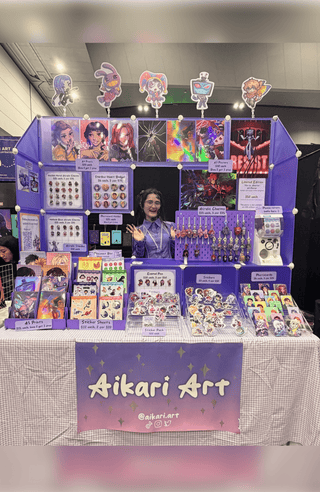
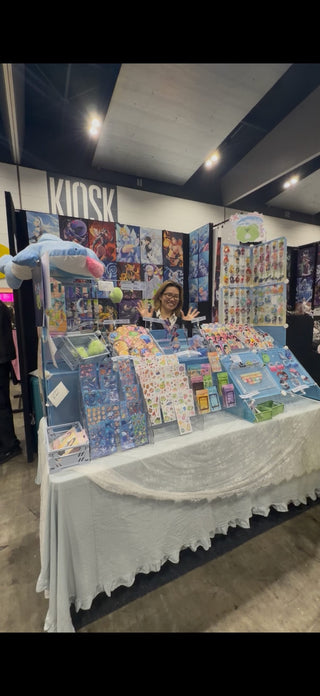
Modular artist display booth at a craft market
Indoor pet playpen enclosure