Artist Back Alley Resources Blog

What to Eat and Drink at Your Table (That Isn't Just Coffee)

What to Eat and Drink at Your Table (That Isn't Just Coffee)

Coffee gets you through the first two hours. It does nothing for hours three through eight, and if it's all you've had, it actively works against you by mid-afternoon. Anyone who's crashed hard at a table around 3pm on a con day knows the feeling: shaky, foggy, irritable at customers who don't deserve it. That's not a personality problem, that's a blood sugar problem, and it's fixable with slightly more planning than grabbing whatever's in the venue food court. Why the coffee-only day backfires Caffeine on an empty or under-fed stomach spikes you up fast and drops you hard, and standing/talking all day burns through energy faster than a normal desk day would. If your only intake for six hours is coffee and maybe a pastry, you're setting up the exact crash that makes the afternoon feel unbearable. It's not that coffee is bad, it's that it's doing a job food is supposed to be doing too. What actually holds you over You want things that are easy to eat one-handed, don't need to be kept cold all day, and won't leave you sluggish. Protein and slower-burning carbs beat sugar every time here, even though sugar feels like the quick fix in the moment. Nuts, trail mix, or protein bars, something you can eat between customers without stopping. A real sandwich or wrap for an actual lunch, even if you eat it in two-minute bites over twenty minutes. Fruit that travels well: apples, grapes, a banana. Easy sugar that doesn't crash you the way candy does. Electrolyte tablets or a sports drink mix if you're sweating under con lights or it's a hot venue. Water alone doesn't replace what you lose over a long day. Water is the one nobody does enough of It's genuinely common to realize at 4pm that you've had one sip of water all day because you got busy and didn't want to leave the table for a bathroom break. That trade-off isn't worth it. A big water bottle at your table, refilled at every lull, does more for your energy and your mood than almost anything else on this list. If you're worried about bathroom breaks, that's a table-buddy problem to solve (see: having someone who can watch your table for five minutes), not a reason to just not drink water. What to actually skip Big greasy food right before an afternoon rush tends to make people sluggish rather than fueled. Same with a large sugary drink, which gives you twenty good minutes and then a slump. Neither is a moral failing to eat at a con, just worth timing around your slower stretches rather than right before you expect to be busy. Prepping the night before saves the day of The mornings of a con are chaotic enough without also figuring out food. Packing a small cooler bag the night before, with a couple of real meals and snacks portioned out, means you're not relying on con food court prices or lines eating into your setup time. It also means when you do get a slow ten minutes, food is already sitting right there instead of requiring a decision you don't have the energy to make. A simple all-day lineup Time What Morning Real breakfast before you leave, not just coffee Mid-morning Nuts or a protein bar between customers Lunch Sandwich or wrap, eaten in bites if you have to Afternoon Fruit plus water, electrolytes if it's hot Ongoing Water bottle refilled at every lull, all day None of this is complicated, it's just easy to skip when you're focused on customers and sales and the fifty other things happening at your table. Treat food and water as part of your setup checklist, not an afterthought, and the afternoon version of you will actually thank the morning version for once. Curious what a Shapeshift kit actually looks like in person? Head to the Artist Booths homepage to see the full lineup and find the one that fits your table.
Surviving a 3-Day Con Without Losing Your Voice or Your Feet

Surviving a 3-Day Con Without Losing Your Voice or Your Feet

By day two of a three-day con, you'll know exactly which parts of your setup and your body were not built for this. Your voice goes first if you're talking all day, your feet go second, and somewhere in there your brain just stops forming full sentences to customers. None of that means you're bad at this. It means three-day shows are genuinely a different animal than a one-day market, and they need different prep. Your voice is a limited resource, treat it like one Talking over convention hall noise for eight hours a day, three days straight, is rough on your throat in a way that sneaks up on you. By the time it hurts, you've already done the damage for the day. A few things that actually help: drink water constantly rather than in big gulps between panic-realizing you're dehydrated, avoid straining your voice to be heard over loud areas (lean in or gesture instead of raising your volume), and give yourself quiet stretches when the aisle's dead instead of filling every silence with small talk. If you're naturally quiet or introverted, this is also permission to not perform enthusiasm at full volume the entire weekend. A calm, warm tone works fine and costs your voice a lot less than an amped-up one. Feet and legs need actual planning, not just "wear comfy shoes" Everyone says wear comfortable shoes, and it's true, but it's not the whole story. Standing in the same spot for hours is different from walking around, and it's harder on your body in some ways. Compression socks help more than people expect. A padded mat under your feet if the venue floor is concrete makes a bigger difference than a shoe upgrade alone. And actually sitting when the aisle's slow, instead of standing out of some idea that you look more "on" standing up, saves you for the busy stretches later. Alternate standing and sitting deliberately, don't wait until you're in pain to sit. Bring a second pair of shoes for day two and three. Your feet swell over a long show and yesterday's shoes might not fit the same today. A cheap anti-fatigue mat is worth the suitcase space if you know the venue floor is hard. Build in recovery, not just survival Three days back to back means you don't get a full night to bounce back between shows the way you would with separate one-day markets spread out. That means the recovery has to happen inside the con, not just after it. A short walk away from your table during a lull, actual food instead of just snacking on convenience store granola bars, and getting to bed at a reasonable hour even though the hotel lobby scene is tempting all matter more on day two of three than they would on a single-day show. Pack for exhaustion, not for your best-case self Plan as if you'll be tired and a little foggy by the afternoon of day two, because you will be. Pre-pack your bag for each morning the night before so you're not making decisions with a half-asleep brain. Keep painkillers, a throat lozenge stash, and blister plasters in your bag from day one rather than waiting until you need them and realizing the pharmacy's a twenty-minute walk from the venue. A quick 3-day survival checklist Category Bring Voice Water bottle, throat lozenges, quiet stretches planned in Feet Compression socks, second pair of shoes, anti-fatigue mat Recovery Real food, painkillers, an actual bedtime Backup Blister plasters, extra phone charger, spare cash A three-day con isn't just a longer version of a one-day show, it's a pacing problem. Treat the first day like you've got two more to go, not like it's the only one that matters, and you'll actually make it to Sunday still able to talk to people and stand up straight. Curious what a Shapeshift kit actually looks like in person? Head to the Artist Booths homepage to see the full lineup and find the one that fits your table.
Turning Con Photos Into Content That Actually Gets Seen

Turning Con Photos Into Content That Actually Gets Seen

You take a hundred photos at a con and maybe four of them are actually worth posting. The rest are blurry, badly lit, or just a wide shot of a table that looks fine in person but flat on a screen. The gap between "photos from the con" and "content that gets seen" comes down to a handful of habits, most of which take zero extra time if you build them into how you already shoot. Shoot for the platform, not for memory A lot of con photos get taken the way you'd photograph a family event: wide, from standing height, meant to capture "we were there." That's fine for your own memory but it's weak content, because a small phone screen flattens a wide shot into nothing recognizable. Get closer than feels natural. A single print filling most of the frame, a close crop of your hands mid-sketch, a tight shot of someone's face lighting up at your table. Tighter shots read clearly at thumbnail size, which is the size almost everyone will actually see it at first. Light is doing more work than your camera Con hall lighting is rough: overhead fluorescents, mixed color temperatures, shadows falling wrong. You don't need to fix this with editing so much as by choosing your moment. Photos taken near a window or an actual light source, even a ring light clipped to your table, look noticeably better than the same shot six feet further into a dim aisle. If your table's naturally in a bad-light spot, this is worth solving with a small clip light rather than trying to save it in post. Faces and hands beat product-only shots A flat lay of your prints does a job, but it's the least interesting thing you can post. A photo with a hand holding the print, or better, a customer's actual reaction as they pick something up, gets more engagement because there's a person in it to connect with. If someone at your table seems happy with what they bought and you've got two seconds, ask if you can grab a quick photo. Most people say yes, and it beats another static product shot. Video over photo when you can manage it You don't need to become a videographer. A ten-second clip of you finishing a piece of line art, someone flipping through your print bin, the moment your table gets busy, tends to hold attention longer than a still photo because there's motion and it feels like watching something happen rather than being told about it. Shoot vertical, keep your phone steady against something (your tote, a stack of boxes) instead of trying to hand-hold it, and don't worry about narrating over it. Silent b-roll with a caption works fine. A quick shot list for next time Table fully set up, before doors, empty aisle behind it. Close crop of your best-selling piece, filling most of the frame. A candid of you working, not posed and looking at the camera. A customer's hands or reaction (with a quick ask first). One short video clip, even just ambient con noise and motion. Your booth number or table sign, for people trying to find you later. Post the imperfect ones too The instinct is to only post the technically best photo, but a slightly rough, real-feeling shot from the middle of a busy afternoon often outperforms the one perfectly composed shot you took during a slow hour. People respond to seeing the actual energy of the day, not just the highlight. Mix a couple of the "polished" shots with a couple of the "this is genuinely what it looked like" shots and let both do their job. None of this needs new gear. A phone, a few seconds of intention before you snap, and remembering to actually stop and take the photo in the first place (easy to forget once you're three hours into a rush) covers almost all of it. Curious what a Shapeshift kit actually looks like in person? Head to the Artist Booths homepage to see the full lineup and find the one that fits your table.
What to Post After a Con to Keep the Momentum Going

What to Post After a Con to Keep the Momentum Going

You survive the con, you drive home exhausted, you sleep for eleven hours, and then... nothing. The momentum you spent all weekend building just sits there because posting feels like the last thing you have energy for. This is genuinely one of the easiest places to lose the value of a show you already paid for and worked. The good news is the post-con window is also one of the easiest times to get engagement, because people who saw you in person are primed to actually care. Post while it's still fresh, even if it's rough You don't need to wait until you've sorted through every photo and picked the perfect ones. A slightly blurry table shot posted the day after beats a perfectly curated gallery posted two weeks later, because two weeks later nobody remembers the con happened. Get something up within a day or two, even if it's just "what a weekend" with your favorite photo from your phone roll. What's actually worth posting The table, fully set up, before doors opened. People love seeing the "before the chaos" version. Sold-out pieces. "This one's sold out for now, restocking soon" builds real anticipation and tells people what was popular without you having to say it directly. A specific moment, not a generic thank-you. The kid who lit up over a specific print, the commission you sketched live, the neighbor vendor who traded with you. Specifics get remembered, generic "thanks everyone!!" posts get scrolled past. What you learned, briefly. "Bringing double the stickers next time" is relatable and makes you look like you're actually paying attention to your own business, not just performing at it. Photos other people took of your table. Ask around before you leave, or check the con hashtag after. Other people's photos of your booth often look more natural than your own setup shots. The follow-up isn't just a highlight reel It's tempting to only post the good stuff, but a little honesty travels further than you'd expect. If a day was slow, if you sold out of your best seller and had nothing to show for the last four hours, if your feet were destroyed by hour six, saying so doesn't make you look unprofessional. It makes people feel like they're following an actual person, which is most of what keeps someone checking your page between shows. Turn "sold out" into your next sale Anything that sold out at the show is now proven demand, and that's worth acting on before the excitement fades. A restock announcement within the week, timed off the "I saw this at the con" energy, converts a lot better than the same restock posted cold a month later with no context. If you're taking preorders on a piece that moved fast, this is the window to open them. Don't let the momentum die on one platform If you shot video during the con (setup process, a timelapse of a commission, even just b-roll of the crowd), that's your highest-effort content already made, it just needs editing down. This is the stuff that tends to travel furthest because it feels like being there rather than being told about it after the fact. A simple post-con posting order Timing Post Same day / next day Raw "what a weekend" recap, one good photo 2-4 days after Specific moment or story from the show Within a week Restock or preorder for anything that sold out 1-2 weeks after Edited video/photo content if you shot any The con doesn't end when you pack up the panels. The two weeks after are honestly where a lot of the actual payoff happens, if you give it a bit of attention instead of collapsing onto the couch and calling it done. Curious what a Shapeshift kit actually looks like in person? Head to the Artist Booths homepage to see the full lineup and find the one that fits your table.
Building Hype Before a Con Without Overselling

Building Hype Before a Con Without Overselling

There's a specific kind of post that makes people scroll right past: "COME SEE ME AT [CON] BOOTH 204!!!" with a product photo and nothing else. It's not wrong exactly, it's just not interesting, and interesting is what gets shared. Building real hype before a show takes a bit more than an announcement post, but it also doesn't need to tip into constant selling either. Show the process, not just the product People engage way more with how something gets made than with the finished thing alone. A quick video of you inking a new print, a photo of your table half set up the night before with boxes everywhere, a "here's what I'm bringing" post that shows the actual mess of prepping inventory. It's more interesting than a clean product shot because it feels like something's actually happening, and it doesn't read as a sales pitch even though it's doing the same job. This is also just easier content to make. You don't need a polished flat lay, you need your phone and five minutes between tasks. New work first, old work second If you've got anything genuinely new debuting at the show, that's your best hype material and it should show up more than once in the weeks leading up. A teaser crop of a new print, then the full reveal a week later, then a "this is the one I'm most excited about" post closer to the date. Spacing it out gives people multiple reasons to check back in instead of one post they see once and forget. If everything you're bringing is stuff you've posted before, be honest about that rather than pretending it's all new. "Bringing back some alley favorites plus a couple surprises" is a normal, low-pressure way to frame a table that's mostly reprints. Give people a reason to actually show up A booth number and a date is information, not a reason. What actually gets someone to carve out time is something they can't get anywhere else that weekend: a con-exclusive print, a discount that only applies in person, a specific new piece debuting there and nowhere else first. Even something small, like a free sticker with purchase that weekend only, gives people a concrete reason to prioritize your table over just buying from your shop later. Post your booth location clearly, more than once, closer to the date (people forget). Tease one specific new piece, not your whole lineup. Mention anything exclusive to that show. Show your setup process, not just finished art. Reply to comments instead of just posting and disappearing. The overselling line Hype tips into overselling when every single post for three weeks straight is about the same show. People's attention isn't infinite, and if your whole feed becomes an ad for one weekend, the people who don't attend that con (which is most of your followers, geography being what it is) start tuning you out entirely, hype post or not. A good spacing rule: mix con hype posts with your normal content instead of replacing it. If you'd usually post three times a week, maybe one of those is con-related and two are regular work. That keeps the hype visible without drowning out everything else you post, and it means the people not going to that show still have a reason to keep engaging. The night-before post works harder than you'd think A simple "table's set up, see you tomorrow" photo the night before or morning of tends to outperform the fancier planned content, because it's timely and it's real. People scrolling that morning see it and it's an actual nudge, not something they saw two weeks ago and forgot about. Don't skip it just because it's not a polished post. It's often the one that actually gets someone through the door. None of this needs a content calendar or a marketing plan. It's mostly just: show your process, tease one real thing, remind people close to the date, and don't let it eat your whole feed. Curious what a Shapeshift kit actually looks like in person? Head to the Artist Booths homepage to see the full lineup and find the one that fits your table.
Your Table Sign: What to Put on It and What to Skip

Your Table Sign: What to Put on It and What to Skip

Your table sign is one of the few things every single person walking by will actually read, even the ones who don't stop. That's a lot of pressure for one small piece of foam board or acrylic. And it's also why so many artists get it wrong in one of two directions: either it says nothing useful, or it says way too much and nobody reads any of it. What actually needs to be on there Think of your sign as answering the one question a stranger has as they walk past at a normal pace: what is this and can I afford it. That's it. Everything else is secondary. Your name or shop name, in a font people can read from six feet away, not a hand-lettered logo that only works up close. A starting price or price range. "Prints from $10" tells people instantly whether to stop. Leaving price off entirely makes people assume it's expensive, which loses you sales from budget shoppers who'd have bought a sticker. What you sell, in plain words, if it isn't obvious from your display. "Original watercolor paintings" does more work than your logo alone. That's genuinely most of it. If someone stops and wants more, that's what conversation and your product catalog are for. What to skip The instinct is to cram everything you can onto the sign because you paid for the printing and you want people to know everything about you. Resist it. A sign with eight different pieces of information competing for attention gets read as zero pieces of information, because nobody's eyes know where to land first. Your full artist statement. Nobody's reading three paragraphs while walking past a table. A list of every social platform you're on. Pick one, maybe two, and make it small. Tiny disclaimers and policy text. Put that on a card at eye level near the register instead, where people who are already engaged can actually read it. Too many fonts or colors fighting each other. If you can't read it from eight feet away in three seconds, it's too busy. Size and placement matter more than design A beautifully designed sign that's propped flat on the table, hidden behind your prints, does nothing. Vertical placement wins almost every time: a sign standing up, clipped to your backdrop, or hanging above eye level catches people from across the aisle instead of only the people already standing at your table. This is the same logic a lot of alley veterans push for displays generally: vertical beats flat on the table because it catches eyes from further away and doesn't compete with everything already sitting on your table surface. Your main sign should live in that same vertical real estate, not down at elbow height where it's easy to miss. A simple sign hierarchy Priority Content Size 1 Shop name Largest, top of sign 2 What you sell / starting price Medium, clearly visible 3 One social handle (optional) Small, bottom corner Signs for different parts of your table Your main sign isn't the only sign you'll need. Small price cards on individual product categories (stickers here, prints there) do more to move people through your table than one big sign ever will, because they answer the price question right where someone's already looking. A commission price list, if you take them, is worth its own small dedicated sign rather than being squeezed onto your main one. If you're running a taller setup with more panel space, like a Shapeshift Base or Duo build, you've got the vertical surface to give your main sign real prominence up top and still leave room for smaller category signs at eye level lower down. Worth planning where each sign goes before you're taping things up at 8am on setup day. Simple wins here. If you're not sure whether something belongs on the sign, it probably doesn't. Curious what a Shapeshift kit actually looks like in person? Head to the Artist Booths homepage to see the full lineup and find the one that fits your table.
Booth Body Language: Making Eye Contact Without Being Intense

Booth Body Language: Making Eye Contact Without Being Intense

You've got maybe two seconds before someone walking past your table decides whether to stop or keep moving. A huge chunk of that decision is you, not your art. Are you looking up? Are you looking friendly or are you accidentally death-staring the aisle because you're concentrating on a commission? Body language does more heavy lifting at a con table than most people give it credit for. The tricky part is the line between "welcoming" and "intense." Too little eye contact and you look bored or unapproachable. Too much and you look like you're hunting. Here's how to land in the middle without it feeling like a performance. The glance, not the stare You don't need to lock eyes with every person who walks by. A quick glance up, a small smile, then back to what you're doing is enough to register as "this person is here and friendly." Staring at someone until they either buy something or flee just reads as pressure, and people can feel pressure from ten feet away. A good rule: look up when someone slows down near your table, not when they're still walking. Slowing down is the signal that they're actually considering stopping. Full-speed browsers usually want to be left alone to scan and decide on their own terms. Work with your hands, glance with your eyes One of the easiest ways to look approachable without staring anyone down is to have something to do with your hands. Sketching, packaging an order, restocking prints. It gives your eyes somewhere natural to land besides "fixed on the crowd," and it makes your table look alive instead of like you're just sitting there waiting to pounce on the next person who makes eye contact. It also takes the pressure off you. Staring blankly down an aisle for eight hours straight is exhausting and it shows on your face by hour four. Having a task gives your face somewhere to rest between interactions. Open posture beats a big smile A forced grin held for hours starts to look strange, and people notice fake more than they notice neutral. What actually reads as welcoming is posture: uncrossed arms, facing the aisle rather than angled away, not hunched over your phone. You can have a totally relaxed, neutral expression and still look approachable if your body isn't closed off. If you're sitting, resist the urge to slump into your chair for hours. It's comfortable, but from a standing shopper's eye level it can read as checked out. Even shifting to lean slightly forward when someone pauses at your table signals interest without saying a word. Reading the different kinds of "no" Not everyone who avoids eye contact is uninterested. Some people are anxious about being sold to, some are just shy, some are deep in con-brain and haven't clocked you exist yet. A soft "hey, feel free to look around" as someone approaches, said once and not repeated, does a lot of the work eye contact alone can't. It gives permission to browse without demanding a response. Watch for the difference between someone scanning your table (interested, just needs a beat) and someone speed walking past without turning their head (not today, and that's fine). Chasing eye contact with the second group usually backfires. What this looks like in practice Default state: relaxed, working on something, facing the aisle. Someone slows down: glance up, small smile, maybe a soft "hi." Someone's looking at a specific piece: give them a few seconds before saying anything at all. Someone won't make eye contact: let them browse, don't force it. Someone's ready to buy: now's when you fully engage, not before. None of this is about tricking people into buying. It's about not being the reason someone who might've loved your work speed-walked past because they felt watched. Most of it comes down to giving people room and paying attention to the small cues instead of running the same script on everyone who walks by. Curious what a Shapeshift kit actually looks like in person? Head to the Artist Booths homepage to see the full lineup and find the one that fits your table.
Handling 'I'll Be Back' (and Knowing When to Let It Go)

Handling 'I'll Be Back' (and Knowing When to Let It Go)

Every vendor knows the phrase, and every vendor has learned not to trust it. "I'll be back" usually means one of three things: they're actually coming back, they need to check with a friend or their wallet and genuinely mean to, or they're being polite while walking away from something they were never going to buy. You can't tell which one it is in the moment, and that's fine, because trying to guess wastes energy you need for the next person walking up. Don't chase it, make it easy instead The instinct when someone says they'll be back is to want some kind of commitment, a "promise you'll come find me" energy that puts pressure on a stranger who was just being nice. That usually backfires. What works better is making the return frictionless if they mean it: a business card, a quick "I'm here till 6" mention, or letting them know if the piece they liked is a one-of-one so they know the actual stakes of waiting. If it's a print or something with more stock, there's no urgency to manufacture. If it's a one-off original, it's fair to mention that plainly. "Just so you know, that one's a single piece, so if you love it I wouldn't wait too long" isn't pushy, it's just information they'd want. What to do in the moment Hand them a card or point them to your QR code so they can find your table again if the hall is big Mention plainly if the piece is one-of-one, without pressuring them to decide right then Say thanks genuinely and move on, don't linger on it or make it awkward Note internally which pieces get a lot of "I'll be back" interest, it's useful information about demand either way Most of the time, letting it go is the right move You will not remember most of the people who said they'd be back, and most of them will not come back, and that's a completely normal part of the day, not a failure on your end. Holding onto disappointment about a maybe-sale drains energy you need for the people actually in front of you right now. The vendors who last through a full con weekend are usually the ones who've made peace with this ratio instead of chasing every walk-away. When it's actually a signal worth acting on If you're hearing "I'll be back" a lot about the same specific piece or price point, that's not nothing. It might mean your price is a genuine hesitation point, or that a piece is striking enough to want but not quite impulse-buy territory. That's useful information for next time, even if none of those specific people ever return. Pay attention to patterns across the weekend rather than any single interaction. Reading the room on "I'll be back" Signal What it might mean Said while barely looking, already walking Politeness, probably not returning Said while still holding or pointing at the piece Genuine hesitation, sometimes returns Multiple people say it about the same piece Worth noting for pricing or restock decisions Said right after asking the price Often a price hesitation, not a display or interest issue The healthiest way to hold it is loosely. Say something warm, make the way back easy if they mean it, and then give your full attention to whoever's standing in front of you next. That's the only part of the interaction you actually control. Curious what a Shapeshift kit actually looks like in person? Head to the Artist Booths homepage to see the full lineup and find the one that fits your table.
Should You Do Commissions Live at Your Table?

Should You Do Commissions Live at Your Table?

Live commissions look great on paper. It's engaging content for anyone walking by, it justifies premium pricing since people are watching the work happen in real time, and it gives your table a reason to attract a small crowd that other tables don't get. It's also one of the fastest ways to tank your own sales day if you're not set up for it, because the second you sit down to draw, you've taken yourself off the floor. The real cost is your attention, not your time A live commission that takes twenty minutes means twenty minutes where you're not greeting people, answering questions, or running the register. If you're a one-person table, that's a real trade-off, not a free bonus. You're essentially closing half your business to run the other half. Some artists do this deliberately during known slow hours, treating live commissions as a way to fill dead time productively rather than squeezing them in during your busiest window. When live commissions make sense You have a second person at the table who can handle sales while you draw You're at a slower event where floor traffic doesn't punish you for being heads-down You price them high enough that the time trade-off is worth it on its own You can cap the queue, so you're not committing to more hours of drawing than the con has left Pricing needs to account for the opportunity cost, not just materials and time A lot of artists price live commissions like they'd price the same piece done at home, forgetting that the con-floor version also costs them potential walk-up sales during that window. If a twenty-minute commission is priced the same as it would be off-season, you're effectively paying to do it out of your own pocket. Bake the lost table time into the price, even roughly. Set expectations before you start drawing Announce roughly how long a piece will take and whether you're taking a deposit or full payment upfront. A queue with unclear wait times turns into frustrated customers standing around, which reflects on your table even if the actual drawing looks great. A small sign with your commission price and rough turnaround time saves you from explaining it to every single person who walks up. Live commissions: worth it or not, a quick gut check Probably worth it Probably skip it You have a table partner covering sales You're solo and it's your only table coverage Slower con, or a known quiet block of hours Peak traffic hours at a big con Priced to cover the lost selling time Priced the same as off-season commission work You genuinely enjoy drawing with an audience It makes you anxious or self-conscious to draw live There's no universal right answer here. Plenty of successful vendors never do live work and plenty build a whole reputation around it. The mistake isn't picking either side, it's doing live commissions by accident because someone asked and you felt like you couldn't say no, without ever weighing what it was costing you on the rest of the table. Curious what a Shapeshift kit actually looks like in person? Head to the Artist Booths homepage to see the full lineup and find the one that fits your table.
Stamp Rallies and Passport Events: How They Actually Work

Stamp Rallies and Passport Events: How They Actually Work

If you've been to a big enough convention, you've seen people walking the aisles with a little paper card, stopping at specific tables to get it stamped. That's a stamp rally, sometimes called a passport event, and it's one of the more effective traffic tools in artist alley that doesn't cost anyone real money to run. How it actually works A group of vendors, usually somewhere between four and a dozen, agree to participate. Each one gets a spot on a printed card or passport. Customers pick up a blank card, usually from one of the participating tables or con info desk, and visit each vendor to get their spot stamped, signed, or stickered. Once the card is full, the customer brings it back to a designated table (or any of the participating ones) to claim a reward, often a small print, sticker pack, or entry into a raffle. The reward is intentionally small. The real value isn't the prize, it's that it gives someone a concrete reason to walk to all twelve tables instead of the three they already knew they wanted to see. What you need to actually run one A shared doc or group chat where participating vendors confirm their table number and reward contribution Printed cards, simple is fine, just needs a spot per vendor and clear instructions A stamp, sticker sheet, or something quick to mark a card, nobody wants to sign 200 cards by hand all weekend An agreed cutoff time so vendors aren't fielding completed cards during teardown Who organizes it matters more than you'd think Someone needs to own the logistics: printing the cards, herding the group chat, deciding the reward, and being the point of contact if a customer has a question mid-rally. This is usually whoever proposed the idea, and it's a real time investment in the weeks leading up to the con, not just a "let's all agree to this" text thread. If nobody wants to own it, the rally tends to fall apart around card three. What makes a rally actually drive sales, not just foot traffic A stamp rally gets people walking past your table who otherwise wouldn't have. Whether they buy anything once they're there is still on you. This is where having something that catches the eye in the two seconds someone's standing at your table for a stamp actually pays off, since a decent chunk of rally traffic is people who weren't planning to shop, just collecting stamps. Stamp rally vs. just cross-promoting with a neighbour Stamp rally Casual cross-promotion Setup effort Higher, needs cards and coordination Low, just a conversation Number of vendors Usually 4 to 12+ Usually 1 or 2 Traffic reach Wider, pulls in people who weren't shopping yet Narrower, relies on existing interest Best for Bigger cons with a critical mass of interested vendors Smaller or local markets Not every con is the right size for this. A rally with four participating vendors at a massive con barely registers, while the same four at a smaller local market can genuinely move most of the room. Match the scale of the rally to the scale of the event, and don't be afraid to keep it small the first time you try one. A rally that works with four vendors is easier to expand next time than a twelve-vendor one that falls apart from too many moving parts. Curious what a Shapeshift kit actually looks like in person? Head to the Artist Booths homepage to see the full lineup and find the one that fits your table.
Collabing With Your Booth Neighbour for Cross-Promotion

Collabing With Your Booth Neighbour for Cross-Promotion

You'll spend eight or more hours a day for an entire con weekend sitting a foot away from the same person. That's either going to be awkward silence broken up by bathroom-break table-sitting, or it's going to be one of the more useful business relationships you build all year. The difference is whether you actually talk to your neighbour before the doors open. Start with the practical stuff, the friendship follows Introduce yourself when you're setting up, not at hour six when you finally run out of things to do. Ask if they want a hand with anything heavy, offer to watch their table while they grab food, and mention you'll do the same for them. This isn't networking in the LinkedIn sense. It's just being a decent table neighbour, and it happens to also be how cross-promotion relationships start. Once there's a baseline of "we're friendly," the promotion stuff comes up naturally. You don't need to pitch a formal collab on day one. Easy ways to cross-promote without a big plan Point customers toward each other when your styles are different but compatible ("if you like this, check out my neighbour's prints") Tag each other in your con recap posts afterward Share table space for a shared sign pointing customers between you both Split the cost of something you'd both benefit from, like a shared banner stand or extra lighting A stamp rally is the more structured version of this If you and a few nearby vendors want to go further than casual shoutouts, a stamp rally is basically cross-promotion with rules. Customers collect a stamp from each participating table and get a small reward, like a mini print or sticker, once they've hit every table on the card. It gets people who found you first to physically walk to booths they might've skipped, and it gets you the same traffic back from the vendors on the rally. These take a bit of coordinating ahead of the con, usually a shared doc for who's opting in and printed cards or stamps, but they're one of the more reliable ways alley vendors drive traffic to each other without it costing anyone money. Know when not to cross-promote If a neighbour makes something extremely similar to what you make, pushing customers their way just means fewer sales for you both fighting over the same dollar. Cross-promotion works best between vendors who are adjacent but different, like a sticker artist next to a print artist, or a jewelry maker next to a plushie seller. Same audience, different product, is the sweet spot. Good cross-promotion pairing vs. a bad one Good pairing Riskier pairing Sticker artist + print artist Two artists selling near-identical prints Jewelry maker + plushie seller Two vendors both heavy on the exact same fandom art Different art styles, same fandom Same style, same price point, same product None of this needs a contract or a formal agreement. It's mostly just being generous with your attention toward the person next to you, because a good table neighbour relationship tends to outlast any single con. Some of the best cross-promotion partnerships started as two tired vendors trading snacks on a slow Sunday afternoon. Curious what a Shapeshift kit actually looks like in person? Head to the Artist Booths homepage to see the full lineup and find the one that fits your table.
Turning One-Time Buyers Into Repeat Customers

Turning One-Time Buyers Into Repeat Customers

Getting someone to buy once is mostly about the table looking good and the piece catching their eye at the right moment. Getting them to buy again three cons later is a completely different skill, and it's the one that actually determines whether you're building a business or just having good and bad show days forever. The gap between a one-time buyer and a repeat one is almost never about the art getting better. It's about whether you gave them any reason to think of you again after the con ended. The unboxing moment is your best shot Whatever you put in the bag when someone buys is the last thing they experience from you, and it happens when they're already happy. A handwritten "thank you" note, even a short one, gets kept in a way a printed slip doesn't. Some vendors include a small sticker or a discount code for their online shop tucked into every order, so the next purchase has a reason to happen without another con needing to line up first. This costs almost nothing and most vendors skip it entirely, which is exactly why it works. It's a low bar to clear. Small things that bring people back A handwritten note, even just "thanks, hope you love it" with your shop name A code for their next order, framed as a thank-you rather than a coupon Remembering a regular's name or what they bought last time, if you can manage it Posting where you'll be next, so people who liked you once know where to find you again Recognize your regulars out loud If someone comes back to your table at a con you've done before, say something. "Oh you got the one from last year, how's it holding up?" turns a transaction into a relationship, and people remember being remembered. You don't need a CRM system for this. A quick mental note or a phone photo of regulars with their piece is enough to jog your memory next time. Give repeat buyers something new to want If your table looks identical every single con, there's no reason for someone who already owns your stuff to stop by again. Rotating in new prints, seasonal variations, or limited pieces gives past buyers an actual reason to check in, versus just restocking the exact same inventory forever. This doesn't mean reinventing your whole catalog. Even one or two new pieces per con cycle is enough to make the table feel worth a second look. One-time buyer vs. repeat buyer, what usually made the difference One-time buyer Repeat buyer Bought, walked away, no note or code included Got a handwritten thank-you or a next-order code Never heard from the artist again Saw a follow-up post about the next con or a new release Table looked the same as the year before Table had something new since their last visit Was just another customer Got recognized or remembered in some small way None of this is complicated, which is honestly the frustrating part. It's mostly just remembering to do the small, slightly extra thing when you're tired and packing up bags at the end of a long con day. The vendors with the strongest repeat crowds aren't doing anything you couldn't do. They're just doing it consistently, every single sale, instead of only on the days they have the energy for it. Curious what a Shapeshift kit actually looks like in person? Head to the Artist Booths homepage to see the full lineup and find the one that fits your table.
What Makes People Stop at a Booth in a Crowded Hall

What Makes People Stop at a Booth in a Crowded Hall

Walk down any packed artist alley aisle and watch people's eyes instead of their feet. Most tables get about half a second of glance before someone's attention slides to the next one. The booths that actually stop foot traffic aren't necessarily the ones with the best art. They're the ones that give a wandering eye something to land on immediately, from far enough away that a decision gets made before the person's even close. Height does more work than you'd think A table with everything laid flat reads as one flat plane from ten feet away, and a flat plane is easy to skip past. The moment you add vertical height, even just risers or a couple of panels standing up behind your flat stock, you break that plane and give people's eyes a reason to stop scanning and focus. This is one of those things that shows up in almost every "what actually works" video from alley veterans: get your best pieces off the table and up into eye line. You don't need a huge structure to do this. A few tiered risers plus one focal piece at eye height covers most of the benefit. The goal is a silhouette that looks different from the ten tables next to you, not a towering display that takes an hour to build every morning. What makes someone actually slow their walk One clear focal piece, big enough to read from six feet away, not a wall of equally-sized prints A colour block or banner that contrasts with the tables on either side of you Visible motion, like a small fan flipping print pages or a video loop on a propped-up tablet A sign that says what you make in about three words, readable while walking past Clutter is the enemy of the stop It's tempting to bring every product you've ever made and cram it all within reach, but a table that's visually loud in the wrong way just reads as noise. People's brains process a tidy table faster than a busy one, and a faster read means a higher chance they actually register what you sell before they've walked past. Group similar products together and leave a little breathing room between sections instead of wall-to-wall stock. Layout habits that consistently pull people in Habit Why it works Vertical display behind flat stock Breaks the flat-table silhouette from a distance One oversized focal print Gives wandering eyes a single thing to land on Colour-blocked backdrop Creates contrast against neighbouring tables Clear category grouping Lets people self-sort into what they came for Negative space, not wall-to-wall stock Reads as intentional instead of cluttered If you're planning a new setup from scratch, this is really where a two-tone kit earns its keep. Something like the Shapeshift Duo tier gives you 70 panels across two mixed colours, so the backdrop itself does the contrast work instead of needing a separate banner or lighting rig, and you've still got the height range to build risers behind your table without a custom frame build. None of this needs to be permanent or expensive to test. Swap one thing between cons, height, colour, or grouping, and pay attention to whether people's pace actually changes as they pass. That's a better signal than sales alone, because it tells you whether you're winning the half-second glance before anyone's even decided to look at your prices. Curious what a Shapeshift kit actually looks like in person? Head to the Artist Booths homepage to see the full lineup and find the one that fits your table.
Social Media Tips for Artists Who Hate Self-Promotion

Social Media Tips for Artists Who Hate Self-Promotion

Some artists post three times a day without thinking twice. Some of us stare at the caption box for ten minutes, delete it, and close the app. If you're the second type, you've probably already been told to "just post more" like that's the fix. It's not. The problem usually isn't frequency, it's that posting feels like bragging, and bragging feels bad. Here's the reframe that actually helps: you're not promoting yourself, you're documenting your work. That's a different job, and it's one you can do without the cringe. Show the process instead of announcing the product "I finished this piece" is a statement about you. A video of the linework happening, sped up, with your hands actually in frame, is just information. People find process content genuinely interesting, and you get to hide inside the work instead of standing in front of it saying "look at me." It's the same content doing the same job, just from a different angle. This also solves the volume problem. One finished piece gives you one post. The process behind it gives you a sketch photo, a materials shot, a progress clip, and the final reveal. Four posts from one piece of art, none of which required you to write "check out my new print!" Formats that don't feel like self-promotion Time-lapse or speed-up process videos, even rough phone footage works A "what's in my supply box" or "how I pack for a con" post Answering a question someone actually asked you, screenshotted or quoted Posting the failed attempt next to the piece that worked Let other people say the nice things You don't have to write "this is my best work yet." If someone comments that, screenshot it into a story. Borrowed enthusiasm from an actual person reads as way more credible than the artist hyping their own piece, and it takes the pressure off you to write marketing copy you don't believe in. Set a floor, not a target Trying to post daily when it makes you anxious just means you'll burn out and go quiet for three weeks, which hurts more than posting twice a week consistently. Pick a number that feels almost too easy, something like two posts a week, and treat that as the actual commitment. You can always post more on a good week. You just need to never go below the floor. Reframing self-promotion as documentation Feels like bragging Feels like documenting "My new print is finally here, go buy it" "Here's the print run coming off the machine at 1am" "I'm so proud of this piece" A close-up of the detail work with no caption at all "Come see me at my table this weekend" A photo of the table getting built, mid-setup None of this requires you to become a different person online. It just moves the camera slightly, from you talking about your work to your work speaking for itself while you're busy doing it. That's a much easier place to post from, and honestly it tends to perform better too, because people can tell the difference between content and an ad even when they can't articulate why. Curious what a Shapeshift kit actually looks like in person? Head to the Artist Booths homepage to see the full lineup and find the one that fits your table.
Building a Mailing List From Your Booth Without Being Pushy

Building a Mailing List From Your Booth Without Being Pushy

A mailing list is the one platform you actually own. Instagram can throttle your reach tomorrow, TikTok can get weird about your account for no clear reason, but an email list is just a list of people who said yes to hearing from you. Most artists know this and still don't build one, because the idea of asking for someone's email at a con feels awkward. Like you're cornering them. You don't have to corner anyone. The trick is making the sign-up feel like it's for their benefit, not yours. Give them a reason that isn't "updates" "Sign up for my newsletter" is not a reason. Nobody wants updates. What works is something specific: 10% off their next order, early access to a print restock before it goes public, or a heads-up list for when you'll be at a con near them next. Frame the sign-up as them getting something, and the email itself becomes a side effect. A physical sign-up sheet on a clipboard works fine, but a QR code linking to a one-field form is faster and doesn't require anyone to write legibly while balancing a tote bag. Keep the form to just an email address. Every extra field you ask for costs you sign-ups. What actually gets someone to sign up A specific, immediate discount code, not a vague "join for deals" First access to a limited print run before it's posted publicly A "next time I'm in your city" list, especially useful if you travel a con circuit A genuinely useful freebie, like a small digital wallpaper or printable Don't ask while they're mid-purchase The worst time to ask is right as someone's paying, because you're adding friction to a transaction that's already happening. Better moments are while they're browsing and chatting, or right after the sale when they're happy and lingering. Some vendors put the sign-up sheet at the edge of the table, away from the register, so it doesn't feel tied to buying anything at all. Actually use the list, or it was pointless to build Collecting emails and never sending anything is worse than not collecting them, because you burned the moment someone said yes. A short, plain email works better than a polished newsletter template anyway. Tell people what con you're headed to next, what you just finished, what sold out. Treat it like a text to a friend who's curious what you're up to, not a marketing blast. Once a month is a reasonable pace for most artists. Weekly is a lot unless you genuinely have weekly news, and an inconsistent list that fires six emails one month and none for four months after loses trust fast. Sign-up moments ranked by how pushy they feel Moment Feels like QR code on a standing sign, browse anytime Not pushy at all Asked casually while chatting Friendly, low pressure Offered right after a purchase, unprompted Mildly pushy but usually fine Asked before they've decided to buy Pushy, avoid The list doesn't need to be huge to matter. Fifty people who actually open your emails beats five hundred who signed up for a discount code and forgot you exist. Build it slowly, keep the ask honest, and it'll quietly become one of the more reliable parts of your business. Curious what a Shapeshift kit actually looks like in person? Head to the Artist Booths homepage to see the full lineup and find the one that fits your table.
Posting Before a Con Without Sounding Like an Ad

Posting Before a Con Without Sounding Like an Ad

There's a specific kind of post that makes people scroll right past it. You know the one. "EXCITED to announce I'll be at [con name] table A12!!" with a flyer graphic and zero personality. It's not wrong to post it, but it's not doing much either, because it reads as an ad and everyone's trained themselves to skip ads. The goal isn't to hide that you're selling something. People know you sell things, that's the whole relationship. The goal is to give them a reason to care before you ask them to show up. Lead with the thing, not the announcement Instead of "come see me at the con," show the print you're most proud of this cycle and explain why you made it, or the problem you solved getting it printed in time. The con details can be the second sentence, not the headline. People engage with the work and the story behind it. The table number is just logistics you tack on at the end. If you're debuting something new, a work-in-progress post two weeks out does more than a finished reveal the day before. It gives people time to get curious and actually plan to swing by, instead of seeing a finished product post they can just buy later online. Things that read as a person, not a flyer A photo of your table getting packed up the night before, chaos included A short clip of a print coming off the printer or a sticker getting weeded An honest "this one nearly didn't make it, here's what went wrong" story Asking followers what they want to see you bring, and actually bringing it Say the where and when once, clearly, then stop repeating it like an ad You do need to say the con name, date, and table number somewhere, ideally pinned or in a highlight, so people can find it without scrolling your whole feed. But you don't need to repeat it in every single post that week. Say it clearly once or twice, then let the rest of your posts just be about the art. The repetition is what makes it feel like an ad campaign instead of a person getting ready for an event. A simple week-out plan Timing What to post 2 weeks before Work-in-progress teaser of a new piece or product 1 week before Full con details, pinned once, plus a "what should I bring" ask Day before Behind-the-scenes packing chaos, no hard sell Morning of Quick table setup photo once you're there Stories work better than feed posts for the logistics stuff. Save the polished grid post for the art itself, and let stories carry the "here's where to find me" details since they disappear anyway and don't clutter your page for people finding you months later. It's okay if it still feels a little like promotion You're not going to fully disguise the fact that you want people at your table. That's fine. The difference between a post that lands and one that gets skipped isn't whether it's promotional, it's whether there's something real in it first. A slightly imperfect, honest post about your process will always outperform a polished flyer, because people follow artists for the person, not the ad copy. Curious what a Shapeshift kit actually looks like in person? Head to the Artist Booths homepage to see the full lineup and find the one that fits your table.
QR Codes, Business Cards and Getting People to Actually Follow You

QR Codes, Business Cards and Getting People to Actually Follow You

You hand someone a business card, they smile, say "this is so cute," and you never hear from them again. That's not a you problem. That's just what business cards do. The follow rate on a printed card sitting in someone's bag next to a con badge and three flyers is close to zero, and it's not because your card design was bad. The honest fix isn't a better card. It's making the "follow me" moment happen while they're standing at your table, not four hours later when they're home unpacking a tote bag full of stuff they bought on autopilot. QR codes only work if they save someone a step A QR code that links to your Instagram profile is fine. A QR code that links to a specific "new here, here's what I make" landing page or a discount code for their next order does better, because it gives them a reason to tap through right now instead of "later." Later doesn't exist. You know this from your own phone. Print the QR code big enough to scan without someone hunching over your table awkwardly, and test it yourself on your own phone before the con, not after. A code that's too small, too glossy, or printed at a weird angle on a laminated sign is a code nobody scans. Where to actually put it On the receipt or thank-you card that goes in every bag, not just the ones people ask for Taped to the card reader or cash box, right where people are already looking while they pay On a small standing sign at eye level, not flat on the table where it competes with your art Business cards still matter, just not as a follow mechanism Think of the card as a receipt for "I liked this person's stuff," not a marketing tool. People keep cards for booths they want to remember, and having something physical in hand makes your table more memorable when they're comparing notes with a friend later that day. That's the job it's actually good at. Don't ask it to also convert someone into a follower. The follow that happens at your table beats the one that doesn't If you have a slow moment and someone's genuinely chatting with you, just ask. "I post process videos on Instagram if you want to see how these are made," said once, casually, works better than any sign. A lot of alley veterans say the in-person ask converts way higher than anything printed, because it's a real interaction instead of one more piece of paper in the pile. Some vendors run a tablet or phone at the table set to their Instagram, already logged out, so people can follow on the spot without using their own data or opening an app they don't have installed. It's a small friction removal that adds up over a full con weekend. A quick checklist for the table Touchpoint What it should do QR code on receipt Link to a specific offer or "new follower" page, not just your homepage Business card Look good, be memorable, don't overthink the CTA on it In-person ask One casual sentence during a slow moment, not a script Table sign Big enough to scan from a normal standing distance None of this needs to be fancy. A tidy, well-lit table with clear signage does more for follow-through than a perfectly worded QR code ever will, because people remember booths that felt put-together. If you're building out a display where signage actually has a clean spot to live instead of getting taped on wherever there's room, that's really a layout question more than a marketing one, worth its own separate rabbit hole. The real lesson: don't measure success by how many cards you handed out. Measure it by how many people scanned something or said yes to a follow while they were still standing in front of you. Everything after that is a coin flip. Curious what a Shapeshift kit actually looks like in person? Head to the Artist Booths homepage to see the full lineup and find the one that fits your table.
Is Wholesale or Licensing Worth It Once You Outgrow the Alley

Is Wholesale or Licensing Worth It Once You Outgrow the Alley

You're doing 10 to 12 cons a year now, your prints sell out at most of them, and someone in your DMs asks if you'd be interested in stocking their shop, or a company reaches out wanting to license one of your designs for merch you'd never make yourself. It's flattering, and it's also the point where a lot of artists say yes to the first offer without really weighing whether it's the right move. Wholesale, in plain terms Wholesale means selling your product in bulk to a retailer at a reduced price, and they resell it at full price to their customers. You get paid less per unit than you would selling it yourself at a con, but you get paid for volume without doing the selling, staffing a table, or handling the customer relationship yourself. What actually changes Your margin drops. Standard wholesale pricing is roughly half your retail price. A $15 print might wholesale at $6 to $7.50. Minimum order quantities matter. Most retailers want a minimum order, which means upfront production cost on your end before you see a cent back. You lose the direct customer relationship. No more chatting with the person buying your art, which is a real loss if that connection is part of why you table in the first place. It scales without your physical presence. A shop can keep reordering and reselling your work every month without you setting up a table anywhere. Licensing, in plain terms Licensing means someone else pays you for the right to use your design on a product they manufacture and sell, a pin company, an apparel brand, a stationery line. You typically get either a flat fee, a royalty percentage per unit sold, or both. What actually changes You don't handle production or fulfillment at all. That's the licensee's job entirely. Royalties can be small per unit but scale with their sales volume, which can work out well or poorly depending entirely on how well the licensee actually sells the product. Contract terms matter enormously. Exclusivity, duration, which markets or products it covers, and what happens if they don't sell as expected all need to be spelled out, ideally with a lawyer's eyes on it before signing, especially for a longer-term or exclusive deal. You keep your table business fully separate, since licensing usually covers different products than what you sell yourself at cons. Quick comparison Wholesale Licensing Who produces the goods You (usually) The licensee Upfront cost to you Yes, production for the order Usually none Per-unit revenue Lower (wholesale price) Variable (royalty or flat fee) Ongoing effort Fulfilling reorders Minimal once signed Best fit for Sellers with reliable production capacity Sellers who don't want to manufacture more Questions worth asking before you say yes to either Does this actually free up time, or does it just add a second job on top of your con schedule? Can you meet a minimum order without draining the cash you need for your next few shows? Is the retailer or licensee's audience actually a match for your work, or are they just the first ones who asked? What's the exit if it doesn't work out? Can you walk away from the agreement without a mess? Are you giving up anything exclusive (a design, a product category) that you might want back later? You don't have to choose either Plenty of artists who've outgrown the alley circuit stay purely direct-to-consumer, just at more shows or with a stronger online shop, and never touch wholesale or licensing at all. Both are tools, not a required next step. They're worth exploring once your table sales are consistently strong and you're looking for ways to grow that don't mean physically being at more cons every single weekend, not because "growing" automatically means signing a deal with the first shop or brand that slides into your inbox. Curious what a Shapeshift kit actually looks like in person? Head to the Artist Booths homepage to see the full lineup and find the one that fits your table.
Taxes and Record-Keeping for Artist Alley Sellers: The Basics

Taxes and Record-Keeping for Artist Alley Sellers: The Basics

Tax season hits different when your income is a shoebox of receipts, a spreadsheet you half-updated, and a vague memory of "I think I spent about $2,000 on printing this year." Nobody gets into art to become their own bookkeeper, but a little bit of record-keeping through the year turns tax time from a nightmare into an afternoon. This isn't tax advice for your specific country or situation (rules vary a lot by where you live, and a local accountant or tax advisor is worth the money if your sales have grown past hobby-sized), but here's the shape of what most artist alley sellers need to have sorted. First: are you a hobby or a business, on paper? Most places draw a line between hobby income and business income, and where you sit affects what you owe and what you can claim. Selling occasionally at one or two shows a year for pocket money is treated very differently from someone doing 8 to 10 cons annually with consistent profit intent. If you're unsure which side you're on, that's genuinely the first question to ask a local tax professional, because it changes almost everything else below. Income you need to track Cash sales at your table (yes, cash counts, and yes, tax authorities do expect it reported) Card/tap sales through your reader (these usually have a digital record automatically, which helps) Online sales through your shop, if you also sell outside of cons Commission deposits and final payments, tracked separately since they can land in different periods Expenses worth tracking (potentially deductible, confirm locally) Category Examples Materials and supplies Printing, paper, ink, packaging, sleeves, business cards Table and booth fees Every con application fee and table cost Travel Fuel, flights, accommodation directly tied to a show Display equipment Grid walls, panel kits, signage, lighting, totes and carry cases Software and tools Design software subscriptions, point-of-sale apps, website hosting Card processing fees The percentage your card reader takes The simplest system that actually works One folder per year, digital or physical, for every receipt. Photograph paper receipts the day you get them, they fade fast and become unreadable within months. A running spreadsheet, updated after every show, not once a year. One row per sale or per show summary, whichever you can realistically keep up with. Separate your art income from your day job or other income clearly so nothing gets muddled when it's time to report. Set aside a percentage of every sale into a separate account as you go. Even a rough 20 to 25% buffer means tax time is "transfer the money you already set aside" instead of "find money you don't have." Mistakes that cause real headaches later Only tracking card sales and forgetting cash, which understates income and can look worse than honest under-reporting if it's ever reviewed. Mixing personal and art-business bank transactions in one account, which makes it nearly impossible to reconstruct expenses later. Throwing away receipts because "it was a small purchase." Small purchases add up across a year, and most tax systems don't have a minimum size for what counts. Waiting until the deadline to figure out which forms or categories apply to you, instead of asking early in the year when there's actually time to fix a mistake. The real point None of this needs to be complicated if you build the habit early. Ten minutes after every show logging sales and filing receipts beats an entire weekend in January trying to reconstruct a year from memory and a pile of crumpled paper. And once your records are clean, you'll also finally have real numbers for figuring out which shows are actually profitable, which is worth doing regardless of tax season. Curious what a Shapeshift kit actually looks like in person? Head to the Artist Booths homepage to see the full lineup and find the one that fits your table.
A Simple Spreadsheet to Track Profit Per Convention

A Simple Spreadsheet to Track Profit Per Convention

If you've ever come home from a con and genuinely could not tell someone whether you made money that weekend, you're not bad at business, you just don't have a system yet. Most artists track total sales in their head or on a receipt roll and call it done. The problem is total sales tells you almost nothing about whether a specific show was worth doing again. Why "I made $600" doesn't actually tell you anything $600 in sales at a show that cost you $150 in fees and a 40-minute drive is a fantastic weekend. $600 in sales at a show that cost $500 in fees, flights, and a hotel is barely break-even once you count your time. Same revenue number, completely different outcome, and you can't tell the difference without tracking cost per show, not just income per show. The columns that actually matter You don't need accounting software for this. A spreadsheet with one row per convention and these columns gets you 90% of the way there: Column What to put in it Con name & date So you can compare year over year Table fee The base cost, exactly as invoiced Travel cost Fuel or flights, actual receipts not estimates Accommodation Total for the nights needed, split if shared Materials/restock cost What you spent replenishing stock for this show specifically Misc (parking, food, supplies) Everything else, lump sum is fine Total cost Sum of the above, this is your real break-even number Total sales Gross revenue for the weekend Profit Sales minus total cost Profit per hour worked Profit divided by hours at the table plus setup/pack-down That last column, profit per hour, is the one that changes how you pick shows. A con that nets $400 profit over a grueling 3-day, 10-hour-a-day run can be worse use of your time than a single-day local market that nets $150 in four hours. Setting it up so you'll actually keep doing it Make one tab per year, one row per show, so patterns across a season are easy to scan. Fill in the cost columns as soon as you book the show, before you even attend. You'll know your fixed costs immediately and can flag if a show is looking expensive before you're committed further. Fill in sales the night you get home, while the number's fresh and your receipt roll or card reader app still has it. Add a simple notes column: weather, foot traffic, whether a big name was also tabling nearby, anything that explains an unusual result. Numbers without context get misread a year later. What patterns to look for after 3 to 4 shows Which shows consistently land in your top profit-per-hour bracket, regardless of how big or "prestigious" they feel. Whether travel-heavy shows are actually worth it once accommodation is counted, or whether you're chasing the feeling of a bigger show rather than the number. Whether your restock costs are creeping up faster than your sales are, which is an early warning sign worth catching before it becomes a real problem. Keep it boring The spreadsheet doesn't need charts, color coding, or formulas beyond basic subtraction, though a simple sum formula for the total row saves you doing it by hand every time. The goal isn't a beautiful dashboard, it's an honest number you can look at in January when you're deciding which cons to apply for in the coming year. Twenty minutes per show, done consistently, beats a fancy system you set up once and abandon by March. Curious what a Shapeshift kit actually looks like in person? Head to the Artist Booths homepage to see the full lineup and find the one that fits your table.
60-second quizExtra 5% off

Find your ideal display kit size in 60 seconds & score extra 5% off

What are your planned setups going to be?
Half table (90cm / 3ft)
Sharing a table or just starting out
Full table (180cm / 6ft)
The standard table at most cons, markets & fairs
Double, corner or booth (360cm / 12ft)
Two tables, an L-shape, or a full corner stand
Free-standing booth (no table)
A floor-standing wall, no table needed
Select all that apply
How long do you plan to use it?
Just trying it out
1–3 times
Going to do markets more often
3–20 times/year
Multi-year use
Built to last, with room to grow
What do you display?
Small prints, cards, pins & stickers
Flat, lightweight, easy to pin
Large prints & posters
A2 and up, needs room to breathe
Large items : Apparel/bags/figures/3d merch/home goods
Heavier, bulkier pieces that need sturdy shelf framing
Jewellery, charms & keychains
Small and light, lots of little hooks
Select all that apply
How tall do you want it?
Keep it low so my table and wall stay visible
A clean, low backdrop that frames your work
Build tall framing for maximum impact
A towering wall that pulls eyes from across the hall
Which colours catch your eye?
Amber Yellow
Apricot
Avocado Green
Blue Sky
Forest Green
Fully Black
Grape Purple
Ivory White
Jade Green
Lavender Purple
Lilac Purple
Mint Green
Royal Blue
Scarlet Red
Snow White
Tan Brown
Terracotta
Watermelon Pink
Yuzu Yellow
Select all that apply
Your perfect kit and an extra 5% off are ready, pop in your email below to reveal both.
Unlock your kit & bonus 5% discount
Pop in your email and we'll reveal your extra 5% off, auto-applied at your cart.
Your result
Your perfect match
Your stall. Infinite installs.

Lightweight panels and snap on connectors shapeshift together.

Iron frame with frosted, water resistant surfaces for light & mighty structures.
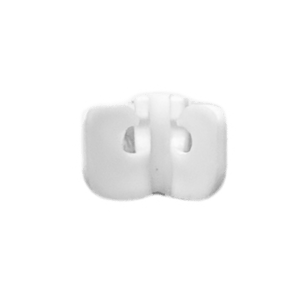
Shapeshift kit part
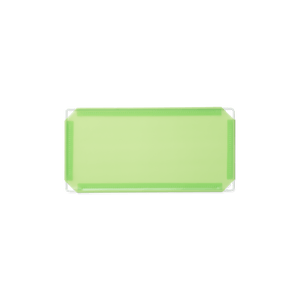
Artistbooths Bundle Component Frosted Lavender Purple (PMS 2715 C) Panel Square (35x35 cm) [8-pack]
Shapeshift kit part
B-grade artist booth panel - discounted cosmetic-second stock
Shapeshift kit part
Shapeshift kit part
Artistbooths Bundle Component Frosted Lilac Purple (PMS 263 C) BOOF Panel Triangle (35x35 cm) [2-pack]
Shapeshift kit part
Shapeshift kit part
Shapeshift kit part
Shapeshift kit part
Shapeshift kit part
Artistbooths Bundle Component Frosted Lilac Purple (PMS 263 C) BOOF Panel Half Square (35x17.5 cm) [4-pack]
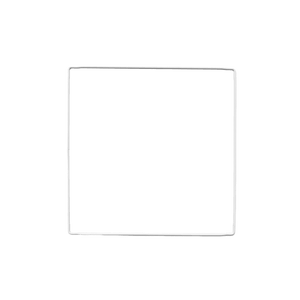
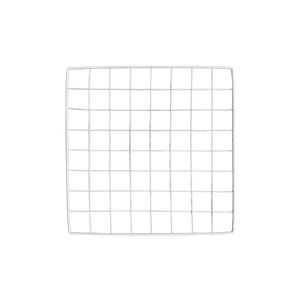
Artistbooths Single Connectors & Accessories White Square Wire Grid (35x35 cm)
Shapeshift kit part
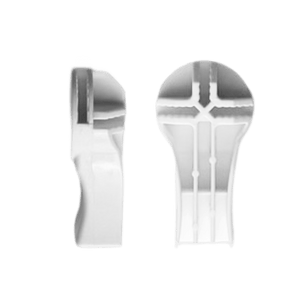
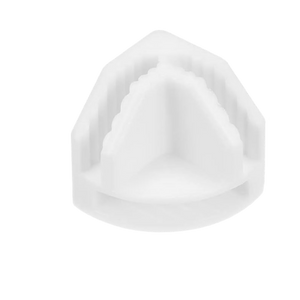
Artistbooths Single Connectors & Accessories White Edge Connector

Stand out pop ups.Shapeshifting setups.

Custom shapes and mix-and-match colours, built to sell for years.

Shop
Scroll

build a booth that builds a crowd

Little parts. Big payoff.

Why makers love our booths.

Every detail pulls its weight.

Stand out, sell out.

Be the eye-catching brand whose cohesive look draws a crowd and gets remembered.

Grow with you.

Enough parts to range products from small table to large booth.

Shape your brand.

Triangles, rectangles, hinge panels and connectors, in colours you mix yourself, for infinite display setups.

Be memorable.

Seasonal colours keep your brand unique. Frosted finish gives your art a soft spotlight.

Range & sell more.

Self-serve more customers with parts that make the most of smaller spaces.

Strong where it counts.

An iron core holds heavy stock whilst water-resistant surfaces shrug off spills and weather.

Packs light, carries safe.

Panels weigh 150g each. The double-wall carry box protects up to 30 decorated panels every trip.

Spares for years.

Every kit packs extra parts, so when you scale up or lose a piece you can keep running your vision.

Your products centre stage

Light diffusing panels.

Anti glare & bright product display

Build your modular display kit

Mix and match colours and shapes. Sized for market, convention and trade-show tables up to 6 ft / 180cm.

1. Choose kit size
2. Choose your kit colours
Only available
2aChoose your base 24 square & 22 multi-shape panel colours What colour would you like the first half of multi-shape panel colours to be?
Get a 2-colour setup by swapping 24 of 48 square panels to another colour.
Get a 2-colour setup by swapping half your panels to another colour.
2bWhat colour do you want the other 24 squares to be in this kit? What colour do you want the other half of your kit to be? Included · $0
Get a multi-colour setup by swapping 24 of 48 square panels in another colour.
Get a 2-colour setup by swapping half of square & multishape panels into another colour
3. Bundle and Save (optional)

Range more & get creative with more colours, shapes & display accessories.

15% off accessory packs when bundled with kits
Shapeshift Base Kit
46 multi-shape panels156 accessories

Shapeshift Base Kit Add-on

$559.00

Grape Purple Frosted

Square Panel [24 Pack] (35cm / 13.8in) Add-on

Square Panel [24 Pack] (35cm / 13.8in) Add-on

$450.00

Scarlet Red Frosted

Triangles Panels 4 Pack [35cm / 13.78in] Add-on

Triangles Panels 4 Pack [35cm / 13.78in] Add-on

$100.00

Terracotta Frosted

Half-Squares panels [5 Pack] [17.5x35cm / 6.89x13.78in] Add-on

Half-Squares panels [5 Pack] [17.5x35cm / 6.89x13.78in] Add-on

$100.00

Tan Brown Frosted

Self Serve Hook with wire grid T clip  8cm [10 pack] Add-on

Self Serve Hook with wire grid T clip 8cm [10 pack] Add-on

$40.00

Self serve display Grid & Intersection Hook expansion pack [12/24 Mixed pack] Add-on

Self serve display Grid & Intersection Hook expansion pack [12/24 Mixed pack] Add-on

$100.00

Multi Connector Expansion Pack - White - Bundle & Save [16/32 mixed pack] Add-on

Multi Connector Expansion Pack - White - Bundle & Save [16/32 mixed pack] Add-on

$120.00

Square Wire Grid Expansion Pack - 35cm x 35cm/13.7"x13.7" Add-on

Square Wire Grid Expansion Pack - 35cm x 35cm/13.7"x13.7" Add-on

$60.00

Hinged Square panels [5 Pack] [35cm / 13.78in] Add-on

Hinged Square panels [5 Pack] [35cm / 13.78in] Add-on

$100.00

Forest Green Frosted

Mini Rectangle Panels [5-Pack] (17cm x 35cm/6.69in x 13.78in) Add-on

Mini Rectangle Panels [5-Pack] (17cm x 35cm/6.69in x 13.78in) Add-on

$100.00

Amber Yellow Frosted

Foot Connector Expansion Pack [4 Pcs] Add-on

Foot Connector Expansion Pack [4 Pcs] Add-on

$59.00

Mixed Single & Double Wire Shelf Clip [9 pack] Add-on

Mixed Single & Double Wire Shelf Clip [9 pack] Add-on

$45.00

Booth Wheel & Wheel Connector - white - [4 pack] Add-on

Booth Wheel & Wheel Connector - white - [4 pack] Add-on

$60.00

Corner Connector Expansion Pack [8 pack] Add-on

Corner Connector Expansion Pack [8 pack] Add-on

$60.00

Edge Connector [8 pack] Add-on

Edge Connector [8 pack] Add-on

$60.00

Single Shelf Wire Clip White [5 pack] Add-on

Single Shelf Wire Clip White [5 pack] Add-on

$35.00

Double shelf wire clip white [4 pack] Add-on

Double shelf wire clip white [4 pack] Add-on

$30.00

Self serve display Grid & Fold Hook expansion pack [12/24 Mixed pack] Add-on

Self serve display Grid & Fold Hook expansion pack [12/24 Mixed pack] Add-on

$110.00

Foldable Self Serve Hook (with wire clip) - [20 pack] Add-on

Foldable Self Serve Hook (with wire clip) - [20 pack] Add-on

$80.00

White

Foldable Self Serve Hooks (with adhesive sheet) [20 pack] Add-on

Foldable Self Serve Hooks (with adhesive sheet) [20 pack] Add-on

$50.00

White

Metal mallet (with dual rubber/soft tap sides) [1 pc] Add-on

Metal mallet (with dual rubber/soft tap sides) [1 pc] Add-on

$40.00

Panel Clamp Black 3cm Mouth [4 pcs] Add-on

Panel Clamp Black 3cm Mouth [4 pcs] Add-on

$40.00

17" ITA Tote (40x35cm) Puffy Purple + Pin pad with 5 pockets Add-On

17" ITA Tote (40x35cm) Puffy Purple + Pin pad with 5 pockets Add-On

$129.00

Foldable Croc Hooks (adhesive) - 10-pack

Foldable Croc Hooks (adhesive) - 10-pack

$50.00

Black

Dual headed metal mallet (with soft tap side)

Dual headed metal mallet (with soft tap side)

$40.00

Your bundle
Free express shipping deal
Orders over $300 AUD
dhm
Free Exp. Shipping (2-7 bus.days) d h m
Your selection
American Express Apple Pay BancontactGoogle Pay Mastercard Shop Pay Union PayVisa JCBDiscoverDiners ClubMaestro
🌐 We ship globally express tracked⭐ 4.9🇦🇺 Designed in Aus
Build your own
Duo color display
Colorful display

Modular cube panels that snap together in minutes. Pick a color to start with and build & grow. for years.

Modular artist display booth at a craft market
Indoor pet playpen enclosure