Artist Back Alley Resources Blog

Dealing With Imposter Syndrome at Your Own Table

Dealing With Imposter Syndrome at Your Own Table

You paid for the table. You made the art. You're sitting right there behind your own display. And somehow you still feel like you're waiting for someone to tap you on the shoulder and ask what you're doing there. If that sounds familiar, you're in very good company. Almost every artist we talk to has felt this at some point, including ones whose booths you'd assume have it all figured out.It usually shows up as specific thoughts, not a vague feelingImposter syndrome at a table rarely announces itself as "I feel like a fraud." It's sneakier than that. It sounds like: "Everyone else's booth looks so much more professional than mine." "My prices are probably too high for what I actually make." "That person browsing is definitely judging my art, not just looking." "I got into this show by luck, not because my work is actually good enough." Naming the specific thought helps take some of its power away. A vague cloud of anxiety is hard to argue with. "My booth looks unprofessional" is a specific, checkable claim, and often it's just not true, or it's fixable with something small.Comparing your booth to everyone else's is a losing gameYou're seeing other booths for maybe ten seconds as you walk past, on their best-looking day, with none of the context of how long it took them to get there or what their first year looked like. Meanwhile you know every flaw of your own setup intimately because you've been staring at it all day. That's not a fair comparison and it never will be. Almost everyone whose booth looks effortless has been doing this for years and started somewhere much rougher.What actually helps in the momentYou can't think your way out of imposter syndrome mid-show, but you can act your way through it: Greet the next person who walks up like you mean it. Action tends to interrupt the spiral better than trying to reason with it. Look at your own sales record, even a small one. If people have paid you money for your art before, that's evidence, not a fluke that needs re-litigating every show. Talk to your booth neighbor. Saying the thought out loud to another artist almost always gets a "oh my god, same" back, which does more to defuse it than any pep talk you give yourself. A rough patch in sales is data, not a verdictA slow show doesn't mean your art isn't good. It might mean the foot traffic was low that day, the show wasn't a great fit for your genre, or you were tabled next to something that drew attention away from your row. Sales numbers are affected by dozens of variables that have nothing to do with your talent. Treating one bad day as proof you don't belong there is giving that one variable way more weight than it deserves.You're allowed to feel this and still show upThe goal isn't to eliminate the feeling before your next con, because for a lot of artists it doesn't fully go away, it just gets quieter with more reps. The goal is to not let it decide whether you apply to the next show or hide your prices or shrink your booth presence. Feel the doubt if it shows up. Set your table up anyway. Curious what a Shapeshift kit actually looks like in person? Head to the Artist Booths homepage to see the full lineup and find the one that fits your table.
Why Artist Alley Friendships Matter More Than You Think

Why Artist Alley Friendships Matter More Than You Think

Nobody warns you that the best part of doing artist alley might end up being the person at the table next to you. You go in thinking about sales and inventory and whether your banner looks professional enough, and you come out with a group chat full of people who understand exactly why you're exhausted in a way your non-vendor friends never quite will.Your booth neighbor is not your competitionIt's an easy trap to fall into, especially early on, treating everyone around you as competition for the same wallets. In practice it almost never works that way. Someone browsing artist alley isn't choosing between you and your neighbor like it's a fight, they're often buying from both of you plus three other tables down the row. Alley shoppers tend to budget for the whole event, not one purchase.Once that clicks, the neighbor next to you stops being a threat and starts being one of the most useful people in the building. They'll watch your table when you need the bathroom. They'll tell you which nearby food stall is actually fast. They notice if a customer is trying to walk off with something.The practical stuff friendships solve Someone to split a hotel room or a drive with, which quietly makes more shows financially possible. A person to do stamp rallies or cross-promotions with, sending customers back and forth between your tables. Real-time information: which shows are worth applying to, which ones had a rough year, which organizers are good to work with and which aren't. Emotional ballast on a slow day. A bad sales day feels a lot less bad when the person next to you says theirs is bad too and you can laugh about it instead of spiraling alone. These friendships mostly happen in the dead hoursNobody bonds with their booth neighbor during a rush. It's the slow Sunday afternoon, the last hour before load-out, the setup morning when you're both waiting for doors to open, that's when actual conversations happen. Don't rush past those moments assuming you should be doing something more "productive." Chatting with your neighbor during a lull is productive, just not in a way that shows up on a sales report.It gets easier to make these friendships over timeYour first few shows can feel isolating if you don't know anyone yet, and that's normal. It takes doing the same regional shows a few times before you start recognizing faces. Once you do, the whole experience changes. Shows you used to dread because they felt lonely start feeling more like a reunion. If you're new to this, it's worth intentionally showing up a bit early or staying a bit later specifically to talk to people, not just to sell.Community over comparisonThe artists who seem to enjoy this work for the long haul, not just tolerate it, are almost always the ones with a real network of alley friends. It's not a nice-to-have on top of the business side. For a lot of full-time vendors, it's the thing that makes an exhausting, unpredictable way to make a living actually sustainable. Invest in it the same way you'd invest in your display or your print quality. It pays off just as directly, even if it doesn't show up on a spreadsheet. Curious what a Shapeshift kit actually looks like in person? Head to the Artist Booths homepage to see the full lineup and find the one that fits your table.
Wrapping Up a Con Year: What Actually Worked

Wrapping Up a Con Year: What Actually Worked

Once your last show of the year is packed away, it's tempting to just close the laptop and not think about conventions again until application season starts. But the week after your final con is actually the best time to do a real, honest debrief, while the details are still fresh instead of a fuzzy memory in February.Go show by show, not just year in totalA single yearly total tells you almost nothing useful. "I made $8,000 this year" doesn't tell you whether that came from one great show and four break-even ones, or was spread evenly across everything. Pull up your numbers per event: revenue, table fee, travel cost, and how many hours you actually spent there including setup and teardown. That last one matters more than people give it credit for. A show that nets $600 in four hours is a very different deal than one that nets $600 over a grueling three-day weekend.Rank your shows honestlyThis is uncomfortable if you love a con for reasons that aren't financial, the friends you see there, the neighborhood it's in, the vibe. Those things count for something. But be honest with yourself about which shows are actually paying you back and which ones you're doing out of loyalty or habit. A blunt ranking, best to worst by what you actually walked away with, makes next year's application decisions so much easier. Which show had your best sales-to-effort ratio? Which show did you dread packing for, regardless of how it sold? Which show introduced you to people or opportunities beyond the sales number? Which show would you cut without a second thought if your calendar got tight? What sold, what didn't, and whyLook at your actual top sellers across the year, not just what you assumed would do well. A lot of artists get surprised here, a print they weren't sure about outsells the piece they were most excited to make. Note it down. Also note the flops honestly. Not everything needs to become a permanent catalog item just because you made it.The parts of your setup that held up (or didn't)This is the practical stuff that's easy to forget by application season. Did your display survive a full year of shows without pieces cracking or wearing out? Did setup get faster as you got more reps in, or did you keep hitting the same snag every single time? If your booth felt like it was working against you by your fifth show of the year, that's worth fixing before next season rather than white-knuckling through it again.Year-end debrief template Per show Track this Financial Revenue, table fee, travel cost, net Time Hours worked including setup/teardown Product Top 3 sellers, biggest flop Gear Anything that broke, wore out, or slowed setup Gut check Would you apply again next year? Let this year set up next yearThe point of this whole exercise isn't to beat yourself up over the shows that didn't go well. It's to walk into application season with actual data instead of vibes. A lot of artists we talk to say the year they started tracking this stuff seriously was the year their con schedule finally started making financial sense instead of feeling like a guessing game. Curious what a Shapeshift kit actually looks like in person? Head to the Artist Booths homepage to see the full lineup and find the one that fits your table.
Planning Inventory Drops Around Your Convention Calendar

Planning Inventory Drops Around Your Convention Calendar

If you sell online and at conventions, your inventory calendar is basically two calendars fighting each other. Drop a new print line online the same week as your biggest con and you've split your own audience's attention. Time it right and each event feeds the other instead.Figure out which shows deserve a new releaseNot every con needs new merch. Honestly, most don't. Save genuinely new pieces for the shows where you'll have the most foot traffic or the most engaged existing fans, since new work is what gets people talking and coming back to your table on day two of a multi-day show. Smaller local markets can usually run on your existing catalog without anyone noticing or minding.A decent rule of thumb: reserve new releases for maybe 3-4 shows a year, your biggest ones, and treat the rest as opportunities to sell through what you already have.The online drop vs con-exclusive questionThis is where a lot of artists get stuck. Two approaches that both work, just for different goals: Con-exclusive for a window, then online. New prints are only available at the show for the first few weeks, then go up in your online shop. This rewards people who show up in person and gives you a reason to post "now available online" content afterward that keeps the piece's momentum going. Simultaneous drop. New work goes live online the same day as the con. Good if your online audience is bigger than your local con audience, or if you don't want out-of-town fans to feel left out. Neither is more "legit" than the other. It depends on where your actual sales come from.Don't let a con date sneak up on your print runPrint lead times are the thing that wrecks inventory plans most often. If your printer needs two weeks and you're placing the order nine days before a show, you're already in trouble. Build backward from the con date: shipping time, plus printing time, plus your own buffer for something going wrong (a file issue, a color that comes out wrong, a shipping delay), and that's your real order deadline, not the date you feel like ordering.A simple backward-planning table Con date Order deadline (with buffer) 6 weeks out Finalize new designs 4 weeks out Send final files to print 2 weeks out Print run should be arriving 1 week out Buffer for reprints if something's wrong Selling through old stock without it feeling staleEvery artist ends up with prints that just aren't moving. Peak season is actually a good time to clear them, bundle a slower seller with a popular one, or mark it down at a smaller show where the discount will actually get noticed instead of getting lost in convention floor noise. Don't be precious about a piece that isn't selling. Give it a good sendoff and make room in the bins.Keep a running list, not just a plan in your headThe artists who manage this well aren't necessarily more organized people, they've just stopped trying to hold the whole calendar in their memory. A simple spreadsheet with con dates, what's launching where, and order deadlines saves you from the moment in July when you realize you forgot to reprint your best seller for a show in ten days. Curious what a Shapeshift kit actually looks like in person? Head to the Artist Booths homepage to see the full lineup and find the one that fits your table.
Table Sharing During Peak Con Season

Table Sharing During Peak Con Season

Peak season is brutal on the wallet. Table fees stack up, travel costs stack up, and suddenly the math on doing five shows in six weeks stops working. Table sharing is how a lot of artists make peak season possible at all, splitting a booth with a friend instead of eating the full cost solo. Done right it's great. Done without a plan, it's the fastest way to end a con still friends but never wanting to share a table again.Sort out the money before the show, not duringSplit the table fee however feels fair, usually 50/50, but say it out loud and maybe even put it in a text thread so nobody's guessing later. Same with travel and accommodation if you're driving in together. The awkward conversation about money is a five-minute chat before the con. Having it during load-out because someone assumed the other person was covering parking is a much worse conversation.Splitting the physical space fairlyThis is where most of the friction actually happens. A 6ft table split evenly sounds simple until one person's product needs way more vertical space than the other's. Prints and framed pieces eat height, stickers and pins eat surface area. Talk through what each of you is bringing before the show so you're not negotiating shelf space in front of customers on day one. Divide the table physically, left half and right half, so customers can tell whose stuff is whose without asking. Agree on how signage works. Two names on one banner, or two separate small signs, decided ahead of time looks intentional instead of thrown together. If you're using a modular display, plan the panel layout together so it doesn't end up lopsided, one person's grid sprawling into the other's space by accident. Sales, tracking, and not losing your mind at 6pmUse separate payment setups if you can, your own card reader logged into your own account, so nobody's doing complicated math splitting a shared till at the end of each day. If you do share a cash box, track sales by item as you go, not from memory at 6pm when you're exhausted and the numbers don't add up. A simple tally sheet taped to the table edge works better than either of you trusting your brain after eight hours on your feet.Who handles the booth when someone needs a breakOne underrated perk of sharing: bathroom breaks and lunch stop being a logistics problem. But it only works if you both actually know each other's prices and basic product info well enough to answer a question when the other person steps away. Spend ten minutes before doors open walking each other through what's what.Quick table-share agreement checklist Decide before the show How the table fee splits How travel/accommodation splits, if shared Left half vs right half, or another physical split Signage: joint banner or two separate signs Payment: separate readers or one shared till with tracking Who can speak to whose products during a break Pick the right person to share withTable sharing works best with someone whose work doesn't directly compete with yours and whose booth energy matches yours, if you're loud and chatty and they're quiet and heads-down, that's fine too as long as you both know it going in. A lot of the artists we talk to say their table-share partner from one con season becomes a semi-permanent teammate for years after. It's worth taking seriously enough to get the logistics right the first time. Curious what a Shapeshift kit actually looks like in person? Head to the Artist Booths homepage to see the full lineup and find the one that fits your table.
What Changes About Your Booth at a Smaller Local Market

What Changes About Your Booth at a Smaller Local Market

Not every event on your calendar is a 20,000-person convention, and honestly, some of your best days can come from a local craft market in a church hall or a parking lot. But if you show up with the exact same setup you use for a big con, you'll probably feel a little silly, and worse, you might not sell as well as you could.Local markets have a different crowd, different pace, and different rules about what actually works. Here's what we'd change.Scale the booth down, not just the inventoryA lot of artists over-pack for small markets because they're used to hauling for cons. But a market table is usually 6ft, sometimes less, and often outdoors with no pipe-and-drape behind you to anchor a tall backdrop. A massive vertical wall of prints can look out of place, or worse, become a hazard in wind if you're outside.This is a good spot to lean into a smaller kit. Something like the Core tier at 24 panels gives you a compact low wall and a few risers without needing the footprint of a full con booth. You still get the vertical lift that makes prints pop, just scaled to the table and the vibe.The crowd shops differentlyCon-goers often come in already knowing your work from social media, hunting for a specific piece. Local market shoppers are frequently first-time browsers who've never heard of you and are walking past with a coffee, not necessarily planning to buy art today. That changes what you lead with. Lower price points near the front. A $12 sticker sheet or $8 magnet gets picked up on impulse in a way a $60 print doesn't. A sign that says plainly what you make. "Original watercolor prints" beats a stylized logo that a stranger has to decode. Eye contact and a hello. Con crowds are used to browsing quietly. Market crowds respond better to a friendly "hi, feel free to look around," especially if there's no wall of other vendors to hide behind. Weather is suddenly your problemIndoor con halls don't care if it's windy. Outdoor markets absolutely do. If there's any chance of wind, weight your table legs and don't rely on tape alone to hold prints down. Bring a tarp or plastic sleeves for paper goods in case of surprise rain, and if you're using any kind of panel or riser system, check it's stable without a wall behind it to lean against.Small market vs convention, at a glance Local market Convention Table size 4-6ft, often shared 6ft, sometimes doubled Crowd knowledge of you Mostly cold Often already fans Best price point to lead with Under $15 Wider spread Weather a factor Often, if outdoors Rarely Booth scale Compact, low profile Full vertical wall Don't skip it because it feels smallA lot of artists we talk to treat local markets as an afterthought next to cons, but they're often lower stress, lower cost to attend, and a genuinely good way to build a local customer base who'll follow you to the bigger shows later. Scale the booth to the room, not the other way around, and you'll have a better day for it. Curious what a Shapeshift kit actually looks like in person? Head to the Artist Booths homepage to see the full lineup and find the one that fits your table.
Preparing for Your Biggest Convention of the Year

Preparing for Your Biggest Convention of the Year

Every artist has one con on the calendar that's bigger than the rest. Maybe it's the show that sells out in eight minutes, maybe it's the one three hours from home that you only get to do once a year. Whatever makes it the big one for you, it deserves a different level of prep than your usual weekend market.Here's how we'd approach it if we were the ones packing the car.Start with the booth itself, not the inventoryMost artists plan stock first and booth second. Flip that for your biggest show. If you're moving from a half table to a full 6ft table, or adding a second table for the first time, your display needs to change shape, not just get bigger. More table space means more wall space you can build vertically, and vertical is where the actual selling happens. Flat prints on a tablecloth get scrolled past. Prints at eye level, framed by panels, stop people mid-walk.If this show is the reason you're upgrading gear at all, think about what the booth needs to do differently than usual. A corner booth or a double table setup benefits from something that can wrap or extend, which is part of why we built the Duo Max kit at 92 panels, big enough for a 12ft double table or an actual corner configuration instead of just a taller version of your usual setup.Inventory: plan for your best day, not your average oneThis is the mistake that stings the most. You do the math based on your usual show, then the big one has triple the foot traffic and you're sold out of your best print by 1pm on day one with two days left to go. A few ways to hedge: Print your top 3-5 sellers in higher quantities than feels comfortable. If they don't sell out, they'll sell at the next show anyway. Have a plan for restocking mid-con if you're local enough to run home, or bring a local print shop's number just in case. Bring extra of your cheapest impulse-buy items (stickers, charms, bookmarks). These move fastest when foot traffic spikes and they're the easiest to run out of without noticing until the bin's empty. The float, the cash box, and the boring logisticsBring more small bills than you think you need, at least $200 in a mix of $5s and $10s if it's a cash-heavy show. Card readers die at the worst moments, usually right when a line forms, so having a backup reader or a second phone logged into your payment app isn't overkill for a big show, it's basic insurance. Charge every battery pack the night before. Bring a paper backup of your inventory list in case your phone dies along with everything else.Pack like you'll be tiredYou will be. By day two of a big con your feet hurt, you're running on con food, and you still have to break down and reset the booth every morning if it's a multi-day show without overnight access. Pack in the order you'll need things, not just what fits. Panels and frame pieces in first means they come out last, which is exactly backwards from what you want. Load your booth so setup morning-you, who is tired and rushing, can find the connectors without digging.A short pre-show checklist Task When Confirm booth number and load-in time 1 week out Print top sellers in higher-than-usual quantities 1-2 weeks out Charge all card readers, battery packs, lights Night before Count and bag your float Night before Pack panels/frame first if using a modular booth Night before Screenshot your inventory list Night before Give yourself graceBig shows go sideways sometimes even with perfect prep. A panel might not lock in right on the first try, your neighbor might not show up and leave you a weird gap, the AC might die in your hall. None of that means you didn't prepare well. It means conventions are chaotic and you showed up anyway. That's most of the job. Curious what a Shapeshift kit actually looks like in person? Head to the Artist Booths homepage to see the full lineup and find the one that fits your table.
New year, new booth: refreshing your setup for the next season

New year, new booth: refreshing your setup for the next season

There's a specific moment a lot of vendors hit: you've been doing shows for a year or two with the same folding table and a couple of tabletop easels, and it's started to feel like your display is holding your work back rather than showing it off. If that sounds familiar, the new year is a good, low-pressure time to actually deal with it, before your first spring show, while you can think it through instead of scrambling.Figure out what's actually wrong first"I need a new booth" is vague. Get specific about what's not working. Is it that you're out of surface area for how much product you carry now? Is it that everything sits flat and disappears next to booths with taller displays? Is it just that it's tired-looking after a couple of seasons of wear? Each of these points to a different fix, and it's worth naming the actual problem before buying anything.Vertical space is usually the biggest single upgradeIf your current setup is mostly flat on the table, going vertical is often the single change that makes the most visible difference. Standing displays are visible from further down the aisle, which means more people actually see your work before deciding to stop, instead of only the people already walking directly past your table. A lot of alley veterans point to this exact shift, table to tiered and vertical, as their biggest jump in booth traffic.Think about how your booth will need to grow, not just where it is nowIf you're planning a bigger year, more shows, bigger tables, maybe your first double-booth, it's worth choosing a display system that can grow with you instead of buying something you'll replace again in six months. This is where a modular panel system earns its cost: you can start with a smaller footprint and add to it later rather than starting over.If you're moving up to a full 6-foot table setup and want some visual distinction from every other booth running plain black panels, the Shapeshift Duo tier is worth a look. It's a 70-panel two-tone kit, meaning you can mix two frosted colours across your build instead of running a single flat colour like most basic setups. It's not required, you can absolutely run it as one colour, but the option to add a second tone into your panel arrangement is a real point of difference walking down a long aisle of similar-looking tables.Do not skip the boring logistics questionsBefore you commit to a new setup, answer these: What's your actual most common table size across the shows you do? Build around that, not your biggest hypothetical booth. How will you transport it? Packed-flat systems save real trunk space compared to rigid shelving units. How much setup time do you realistically have on load-in day? A no-tool assembly matters more than it sounds like it would at 7am. What's your actual budget, including the display, not just what's left over after inventory and travel? Ease into it if you're not sure yetYou do not have to overhaul everything in one go. A lot of vendors start with a smaller modular kit for their tightest-budget shows and build up from there once they know it's working. If you're testing the waters, something like Core gives you a compact 24-panel base to try vertical display without committing to a full table rebuild right away. If your problem is Consider Running out of flat table space Going vertical with a tiered panel system Outgrowing a small tabletop setup A modular kit sized for a half or full table Wanting visual distinction in a crowded aisle A two-tone build like Shapeshift Duo Not sure yet, testing the idea Start smaller and build up next season A booth refresh does not need to happen all at once, and it definitely does not need to happen the week before your first show. Give yourself the runway to actually think it through, and you'll walk into the new season with a setup that fits where your business actually is now, not where it was two years ago. Curious what a Shapeshift kit actually looks like in person? Head to the Artist Booths homepage to see the full lineup and find the one that fits your table.
End-of-year inventory audit: what to keep, discount or retire

End-of-year inventory audit: what to keep, discount or retire

Every artist who has done more than a couple of shows has a box somewhere with prints in it they know, deep down, are never selling. Doing an honest end-of-year inventory audit is uncomfortable in a small way (nobody loves admitting a design flopped) but it is one of the highest-value hours you'll spend all season.Pull everything out and count it for realNot an estimate from memory, an actual count. Spread it out if you have to. You cannot make good decisions about what to keep, discount, or retire based on a vague sense of "I think I have a lot of the raccoon print left." Write down quantities per item. This alone often reveals surprises, either stock you forgot you had or a bestseller that's actually lower than you assumed.Sort into three honest categoriesResist the urge to keep everything in the "might sell eventually" middle ground. Force a real decision: Keep at full price: consistently sold well, still relevant, not tied to a passed trend or fandom moment Discount and clear: decent seller but slowing down, seasonal item past its window, or you're overstocked and need the shelf space more than the eventual full-price sale Retire completely: barely sold across multiple shows, tied to something no longer relevant, or you're honestly a bit embarrassed by the quality looking back Use real numbers, not gut feeling, to sortIf you tracked sales at all this year, pull it up. Items that sold in the bottom 10-15% across every show you did are strong retire or discount candidates, even if you personally love the design. Sunk cost is a real trap here: how much you spent printing something has no bearing on whether it's worth continuing to store, transport, and display going forward. The printing cost is already gone either way.Consider why something didn't sell before retiring itNot every slow seller is a bad design. Sometimes it's pricing, sometimes it's that nobody could actually see it well on your table, tucked behind taller items or in a corner that did not get light. Before you retire something completely, ask honestly whether it got a fair shot at your booth, positioned well, priced reasonably, visible from the aisle, or whether it just never had a real chance to sell.Clear stock with intention, not desperationWhen you do discount, have a plan rather than a chaotic "everything must go" pile. Bundle slow movers with bestsellers, run a clear year-end sale online with an actual deadline, or fold them into a mystery grab-bag style offer. All of these move stock while still feeling intentional rather than like a fire sale that undercuts your regular pricing.Let the audit inform next year's production, not just this year's cleanupThe real value of this exercise isn't just clearing a box, it's making sure you don't reprint the same slow movers out of habit next year. Write down what you learned, in plain terms, so future-you doing a rushed restock before the next show has a note that says "this one did not work, do not reprint" instead of relying on memory that's already fuzzy by March. Category What qualifies Action Keep Sold consistently, still relevant Restock as needed at full price Discount Decent but slowing, or overstocked Bundle or sale it down, set a deadline Retire Bottom sellers, dated trend, or a fair shot already given Stop reprinting, note why for next year An honest inventory audit is not fun, but it's the difference between a storage closet that gets more manageable every year and one that just keeps growing with things you already know are not coming back. Curious what a Shapeshift kit actually looks like in person? Head to the Artist Booths homepage to see the full lineup and find the one that fits your table.
What to do in your off-season as an artist alley seller

What to do in your off-season as an artist alley seller

The off-season can feel strange if most of your identity as an artist is wrapped up in tabling. No cons on the calendar, no deadlines forcing new prints, just quiet. It's easy to either collapse into doing nothing productive or swing the other way and burn yourself out "preparing" for months straight. Neither is great. Here's a more useful way to spend it.Actually let it be a break, at least at firstIf you just came off a heavy con season, give yourself real time off before diving into off-season projects. Creative burnout from months of production deadlines is real and pretending you can go straight from teardown into planning next year's whole product line rarely works well. A week or two of doing art for fun, or not doing art at all, pays off later.Use the space to make things you couldn't during con seasonCon prep tends to favor safe, proven sellers, because you need reliable income at the table. The off-season is when you can actually experiment: a weirder personal project, a technique you've wanted to try, a bigger piece that takes longer than a con cycle allows. Some of this becomes new merch later. Some of it is just for you, and that's fine too, it's part of what keeps you wanting to make art at all.Do the business tasks that never happen during con seasonA few things pile up all year and never get proper attention when you're prepping for the next show every few weeks: Update your online shop, photos, descriptions, and pricing consistency across platforms Go through your social media and actually plan content instead of posting reactively Review your finances properly, taxes, expenses, what actually made money this year Reorganize your storage and supplies so next season starts from a clean base Research new shows and markets you have not tried, without the pressure of an imminent application deadline Test new products at a lower-stakes venueIf you have been wanting to try a new product line, stickers, a new print size, an entirely different medium, the off-season is a good time to test it somewhere small and low-pressure. A local market or a smaller show gives you real feedback without betting your whole big-con season on something unproven.Refresh your setup without the time pressureBooth improvements are much easier to think through clearly when you're not exhausted and two weeks from a show. If you noticed all season that you were fighting for table space or your display felt tired, this is the calm window to actually solve it, research options, compare kits, decide what you need, rather than grabbing whatever's available the week before your first spring con. Someone stepping up from a small tabletop setup to something like Core or Shapeshift Base has months to think it through properly instead of deciding under pressure.Reconnect with the community side of thingsOff-season is a good time to check in with other vendors, see what shows people are excited about, swap notes on what worked and what didn't. A lot of the best show recommendations and heads-ups about application changes come from other artists, not official channels, and that kind of connection is easier to build when nobody's mid-rush at a table. Off-season activity Purpose Real rest Recover before starting anything new Experimental art Room to try things con season does not allow Business admin catch-up Shop, socials, finances, storage Low-stakes product testing Try new items without a big-show bet Booth and display planning Decide upgrades calmly, not under deadline pressure The off-season is not empty time to survive until the calendar fills back up. Used well, it is where most of the actual growth in your business happens, just without an audience watching it happen. Curious what a Shapeshift kit actually looks like in person? Head to the Artist Booths homepage to see the full lineup and find the one that fits your table.
Planning your convention calendar a year ahead

Planning your convention calendar a year ahead

Most new vendors plan their con calendar reactively: an application opens, they see it, they apply. That works fine for a year or two, but it also means you're constantly discovering deadlines late, double-booking weekends, and never quite building toward anything bigger. Planning a full year out feels like overkill until you actually do it once and realize how much stress it removes.Start with your actual data, not your gutBefore picking new shows, look honestly at what you already did. Which cons made real money after table fees, travel, and materials? Which ones were fun but basically break-even? Which ones you keep doing out of habit rather than results? Rank last year's shows from best to worst by actual profit, not vibes. This becomes your baseline for what to repeat, and it's a gut check against the temptation to apply everywhere just because a con looks big and exciting.Map the whole year before applying to anythingGet a calendar (physical or digital, doesn't matter) and plot every show you're considering, including ones you haven't applied to yet, by date. Look for the shape of your year: are three of your biggest shows all in the same six-week stretch? Do you have a four-month dead zone with nothing booked? Seeing the whole year at once catches problems that are invisible when you're deciding on shows one at a time.A lot of alley veterans plan around one or two "anchor" shows, their proven best performers, and build the rest of the calendar with breathing room around those, rather than packing every available weekend.Track application windows like they're deadlines that matter, because they areBigger shows can open applications 6-12 months ahead, and some genuinely competitive ones fill up or get more selective the later you apply. Build a simple tracker: Show name and dates Application open date Application deadline Notification date (so you know when to expect a yes/no before booking travel) Table fee and any other costs (badge, parking, electricity) Set reminders for open dates, not just deadlines. A lot of good tables get claimed on a first-come basis even before the official deadline hits.Leave room for shows you have not heard of yetDo not fill every single weekend a year out. Leave a bit of flexible space for a great opportunity that comes up mid-year, a smaller local market, a friend's recommendation, something you could not have known about when you were planning in January. A calendar that is 100% locked a year ahead has zero room to adapt.Plan your inventory and budget alongside the calendar, not afterOnce you can see the year, you can plan production runs around it instead of scrambling per-show. If you know March and April are back-to-back anime-heavy shows, order fandom-adjacent stock ahead of time in one batch instead of three rushed smaller orders. If a bigger show later in the year might justify a booth upgrade, you have months to save for it and decide, rather than making that call under pressure two weeks out. Planning step Do this Review last year Rank shows by actual profit, not enjoyment alone Map the calendar Plot every show by date, look for clusters and dead zones Track applications Log open dates, deadlines, notification dates, and fees Leave flex room Do not book every single weekend a year out Plan production Batch print runs around known clusters instead of per-show A year-ahead calendar will not remove all the chaos of vending season. But it turns most of your decisions into ones you made calmly in advance, instead of ones you're making tired at 11pm two days before a deadline. Curious what a Shapeshift kit actually looks like in person? Head to the Artist Booths homepage to see the full lineup and find the one that fits your table.
Preparing for outdoor markets: weather, wind and sun

Preparing for outdoor markets: weather, wind and sun

Indoor convention centers are a controlled environment. Outdoor markets are not, and the first time wind flips your display or the afternoon sun bleaches your prints for three hours, you learn that fast. If you're moving from cons to outdoor markets, or just doing your first one, here's what actually catches people off guard.Wind will test everything you ownA gust strong enough to knock over a lightweight display isn't rare, it's basically expected at some point in an outdoor season. Anything tall, light, and not secured is at risk: banners, sign stands, tall prints on easels, anything with a big flat surface catching air like a sail. Weigh down your tent legs properly, sandbags or water weights, not just the little bags that come with a cheap canopy Clip or weight down anything on the table that isn't heavy on its own, including your cash box and any loose papers or price signs Secure prints and banners so they can't flap or launch, bungee cords and proper clips do more than tape ever will Have a plan for what happens if you need to pack up fast in sudden weather, know your quickest teardown order in advance A sturdier display setup matters more outdoorsA display that's stable on a flat indoor floor can behave completely differently outside on grass, gravel, or a slight slope. Panels and connectors that lock together firmly rather than just leaning or balancing hold up much better once wind and uneven ground get involved. If your current setup relies on things being propped rather than actually connected, outdoor markets will find that weakness fast.Sun does damage you won't notice until it's doneDirect sun for a full market day fades prints, warps certain papers, and can genuinely hurt you if you're not shaded. A pop-up tent or canopy isn't optional at most outdoor markets, it's the baseline. Beyond that:Protect your productKeep original art and anything sensitive to light out of direct sun exposure, even under a tent the angle of the sun moves through the day and can hit one side of your table by afternoon. UV-resistant print coatings or lamination help if you're doing a lot of outdoor markets regularly. Rotate stock during a long day if you notice one section baking more than another.Protect yourselfSunscreen, a hat, water, and genuinely taking breaks in shade matter more than people plan for on the first hot outdoor market of the season. Heat exhaustion sneaks up on you when you're focused on customers and not thinking about how long you've been standing in direct sun.Rain changes the math entirelyCheck the actual forecast, not just "chance of rain," and have a real plan rather than hoping it holds off. A tarp or plastic sheeting to throw over your table fast, a way to keep card readers and electronics dry, and shoes you don't mind getting muddy all matter. Some markets will refund or reschedule for serious weather, some absolutely will not, so know the organizer's policy before you commit a whole weekend. Condition Bring/do this Wind Sandbags or water weights, clips for signage, secured banners Direct sun Canopy, UV-safe prints where possible, sunscreen and water for yourself Rain Tarp or plastic covers, dry storage for electronics, waterproof shoes Uneven ground A display that locks together firmly rather than relying on balance None of this is meant to scare you off outdoor markets, they're often some of the best foot traffic of the year. Just go in with the assumption that the weather is a variable you're actively managing, not background noise you can ignore because it worked out fine last time. Curious what a Shapeshift kit actually looks like in person? Head to the Artist Booths homepage to see the full lineup and find the one that fits your table.
Holiday market season: what's different from conventions

Holiday market season: what's different from conventions

If most of your vending experience is conventions, your first holiday market can feel oddly unfamiliar even though you're doing the same basic thing: sitting behind a table selling your work. The crowd's different, the buying mindset's different, and a few things that work great at a con will quietly flop at a craft fair. Here's what actually changes.The crowd is shopping for other peopleAt a con, a huge chunk of buyers are picking up something for themselves, a print of a character they love, a sticker for their laptop. At a holiday market, a much bigger share of your customers are gift shopping. That changes what sells. Items that read clearly as "a nice gift" without needing context, ornaments, small art prints in a neutral style, cards, anything giftable and self-explanatory, tend to outperform niche fandom pieces that only click with people already in that fandom.It also changes your pitch. Instead of "this is my art," you're often selling "this would be perfect for your sister who loves birds," which is a different conversation and worth practicing before opening day.Pricing and price points shift tooHoliday shoppers often have a rough gift budget in mind ("something around $20" is a common one), so having clear options at a few price tiers helps more than at a con crowd that's browsing more freely. Make sure you've got something sub-$15 for stocking-stuffer buyers and something in the $30-50 range for people buying a "real" gift.The setup expectations are differentHoliday markets often lean into a warmer, more festive table presentation than the average con booth, think garland, small lights, a cozier vibe, since shoppers are in a gift-buying, holiday mood rather than a fandom-excitement mood. That doesn't mean overhaul your whole aesthetic, but a few seasonal touches can make your table feel intentional rather than like you just wheeled your con setup in unchanged. Small battery-powered lights if the venue allows them Gift wrapping or a simple gift bag option at checkout, even a basic one Signage that speaks to gifting directly ("gifts under $25" style signs work) A tidier, less cluttered table than you might run at a con, since gift shoppers tend to want things presented cleanly Booth sizes and rules vary moreCraft fairs and holiday markets are a much less standardized world than the con circuit. Table sizes, whether you get a wall behind you, whether power's included, all of it varies wildly by venue and organizer in a way that a big convention usually doesn't. Ask specific questions before you show up: exact table dimensions, if there's a backdrop or pipe-and-drape, if you're indoors or in a tent, if there's a floor covering. Do not assume it'll be similar to the last market you did.Because table sizes swing more at these events, a display that can shrink or grow to fit what you're actually given matters more here than at conventions with standardized 6-foot tables. A kit like Shapeshift Base scales from a small counter setup up to a full 6-foot table, which gives you more flexibility when you genuinely don't know your footprint until you arrive.The sales rhythm is slower and steadierCons often have surge moments, doors opening, a popular guest appearing nearby. Holiday markets tend to be a steadier trickle across the whole day, especially weekday evening markets. Don't panic if the first hour feels quiet, it's a different pace, not a bad sign. Conventions Holiday markets Buyer intent Mostly self-purchase Mostly gift shopping Best sellers Fandom-specific work Giftable, broadly appealing items Table setup Standardized sizes Varies a lot by venue Sales pace Surges around events Steadier trickle all day None of this means abandoning what makes your work yours. It just means reading the room a little differently and having a few gift-shaped options ready when the crowd's mindset calls for it. Curious what a Shapeshift kit actually looks like in person? Head to the Artist Booths homepage to see the full lineup and find the one that fits your table.
Post-con-season recovery: restocking and resting

Post-con-season recovery: restocking and resting

The last con of the season ends and there's this weird gap where you're relieved and also don't quite know what to do with yourself. You've been running on adrenaline and a con schedule for months, and now there's nothing on the calendar. This is the part nobody really talks about, but how you spend the next few weeks sets up how you feel going into next year.Actually rest before you do anything elseNot "rest" as in scroll your phone while mentally drafting your restock list. Real rest. Your body has been on its feet for entire weekends, your sleep schedule's been wrecked by early load-ins, and your creative brain has probably been running on fumes for the last few shows. Give yourself at least a few days where you're not required to think about the business at all. It's tempting to dive straight into next year's planning because the momentum's there, but burnout doesn't show up right away, it shows up three months later when you're supposed to be excited about something and just aren't.Then do the unsexy admin while it's freshOnce you've actually rested, there's a window where the season is still fresh in your memory and that's worth using before it fades. Go through and write down, for each con you did: what sold, what flopped, what you wish you'd brought more of, anything logistical that went wrong. You will not remember this in four months. A rushed paragraph now saves you from repeating the same mistake next season.Restocking without overcommittingIt's easy to look at a strong season and want to restock everything immediately. Slow down slightly. A few things worth checking before you place big print or production orders: Which items actually sold at full price versus which ones you discounted to move Whether any bestsellers were tied to a specific trend or fandom moment that might have already passed Your actual storage space, since over-restocking just moves the problem to your closet Lead times on printing or materials, since ordering early avoids the seasonal rush later Give your display the same audit as your inventorySet your booth up one more time before you pack it away for the off-season, and actually look at it with fresh eyes. Anything cracked, faded, or held together with tape you forgot about? Fix it now while you remember, not two weeks before your first spring show when you're already stressed about everything else. If you noticed all season that your setup felt cramped or you were fighting for vertical space, this is a good time to think about whether your current kit still fits your product range, rather than making that decision under pressure later.Rebuild your energy for the business side, not just the artA lot of artists come out of con season wanting to draw and make things, which is great, follow that. But also carve out a bit of time to look at your online shop, your socials, and your pricing with clear eyes. Con season tends to put everything outside the booth on autopilot, and it's worth checking nothing's quietly broken or stale. Recovery task When Full rest, no business thinking First week or two after your last show Write down what worked and what didn't While it's still fresh, within a month Inventory audit and selective restock Once you've actually reviewed the data Display and booth repair check Before you pack everything away long-term Online shop and socials tune-up Whenever your energy actually comes back for it The off-season isn't dead time. It's the only stretch of the year where you get to plan instead of react, and that's worth protecting instead of rushing through. Curious what a Shapeshift kit actually looks like in person? Head to the Artist Booths homepage to see the full lineup and find the one that fits your table.
Surviving back-to-back conventions in the same month

Surviving back-to-back conventions in the same month

There is a specific kind of tired that only happens when you have got three conventions booked in four weekends. Your feet know it, your inventory spreadsheet knows it, and by the third show your smile at the table is running on muscle memory more than actual energy. It can still be a great month financially. It just needs a different approach than treating each con like its own isolated event.Pack once, adjust twiceDo not fully unpack and repack between every show if you can avoid it. Build a base setup that stays loaded in totes or a car, and treat each con as a smaller adjustment on top of that rather than starting from scratch. Keep a running list taped inside your storage bin of exactly what goes back in after each show, so you are not relying on memory at 11pm after teardown.A packable, no-tool display setup earns its keep hard in a month like this. Panels that fold flat and pop back together without you needing a screwdriver or extra hardware save you real time on the two things that eat a back-to-back month: teardown at the end of one show and setup at the start of the next.Do inventory math before the month starts, not duringFigure out roughly what you expect to sell across all three or four shows combined, then split your stock accordingly before you leave home. Running out of your bestseller at show two because you brought enough for one con at each stop is a common and avoidable mistake. If you are driving between venues, keep a small reserve stash in the car rather than carrying every spare unit into every venue.Protect your body like it is part of the business, because it isThis is the part that gets skipped and then complained about later. A few things that actually help: Comfortable shoes you have already broken in, not new ones for the season A stool or chair you actually sit in between rushes, even if it feels like it looks less on Real food, not just con snack bar granola bars for four days straight Water within reach at the table at all times A rest day built into the schedule if you possibly can, even a half day Lower the bar for what keeping up looks likeSocial media posts can wait. Restocking your online shop can wait a few days. Answering every DM the second it comes in can wait. During a heavy month, decide in advance which things are allowed to slip without guilt, because trying to run your show presence and your full online presence at 100% for four straight weekends is how burnout actually happens, not from any single busy day.Money admin does not stop just because you are tiredKeep basic records as you go, even if it is just photographing your card reader summary and jotting total cash sales in your phone notes after each show. Reconstructing four cons worth of sales from memory at the end of the month is much harder than logging each one in five minutes right after teardown. Between-show task Do it fast, not perfectly Restock from car reserve Top up bestsellers, do not do a full inventory count each time Log the day's sales Photo of totals plus rough cash count is enough Check the display for damage Quick visual scan, fix small issues before the next load-in Charge everything Card reader, phone, any battery packs or lights Back-to-back months can be some of the best earning stretches of the year, but only if you come out the other side still wanting to do the next one. Build the systems that let you run on slightly less energy each day, because you genuinely will have less to give by week three. Curious what a Shapeshift kit actually looks like in person? Head to the Artist Booths homepage to see the full lineup and find the one that fits your table.
Anime expo season prep: what to restock now

Anime expo season prep: what to restock now

Anime expo season has a different rhythm than the rest of the year. The crowds skew younger, the buying habits are different, lots of small impulse buys stacked up rather than one big purchase, and the fandoms shift fast enough that what sold out in March can sit untouched in July. If you are prepping for the big anime-focused shows, here is where to actually put your restock budget.Look at what sold fast, not just what sold a lotThese are different signals. A print that sold 20 copies over a slow 3-day con is fine. A keychain design that sold out in the first four hours on day one is telling you something louder. Go back through your sales records (or your memory, if that is all you have got) and separate sold well from sold out embarrassingly fast. The second category is your restock priority, full stop.If you do not have detailed sales tracking, start now. Even a basic spreadsheet with tally marks by SKU at the end of each day gives you real data instead of a vague sense that stickers do fine.Small, cheap, grabbable items move the needleAnime con crowds buy in volume more than they buy expensive single pieces, especially younger attendees working with a set con budget. Stickers, charms, keychains, washi tape, and small prints tend to outsell large framed pieces at these specific shows in a way that might not hold true at a general art market. If your current stock skews toward big-ticket original art, this is the season to build out a cheaper impulse-buy tier, even if it is not your main focus the rest of the year. Sticker sheets and singles in a range under $10 Charms and keychains, ideally with a few different attachment styles (clasp vs strap) Mini prints (postcard size) as a lower-commitment alternative to full prints Buttons or pins, still cheap to produce and easy to display densely Restock your bestselling fandoms, but leave room to testIf a particular show, game, or character had a strong season last year, do not assume it will carry the same weight this year. Anime and gaming fandoms move fast, a series that was everywhere at conventions last spring can be noticeably quieter a year later while something newer takes over. Restock your proven sellers, but hold back 10-15% of your budget for testing 2-3 new fandom pieces based on what is trending right now, not what was trending when you last restocked.Do not forget your originalsFan art pays the bills at anime expos, but original characters and personal work are what get people to remember your name and follow you after the con. Keep at least a small presence of original pieces even if fan art dominates your table, since it is the thing that turns a one-time buyer into someone who looks you up next year.Check your display can handle the volumeMore SKUs means more real estate needed to show them without the table looking like a pile. If you are bringing in a bunch of new small items on top of your existing stock, this is worth thinking through before you are standing in the aisle trying to cram one more charm rack onto a table that is already full. A vertical display setup gives you more surface area without eating into your footprint, which matters more at anime expos than most shows since booth space per vendor tends to run tight. Category Restock priority Notes Fast sellouts from last season High These are your proven winners, do not run out again Small/cheap impulse items High Stickers, charms, mini prints, pins New fandom bets Medium Cap at 10-15% of restock budget Original art/OCs Medium Keep present even if it is not the volume seller Slow movers from last season Low or skip Do not reprint just because you have leftover stock elsewhere Restocking well for anime expo season is really just pattern recognition applied honestly. Look at what actually flew off the table, not what you personally love most or made the most of, and put your money there first. Curious what a Shapeshift kit actually looks like in person? Head to the Artist Booths homepage to see the full lineup and find the one that fits your table.
Getting con-season ready: your pre-year checklist

Getting con-season ready: your pre-year checklist

Somewhere between wrapping up your last con of the year and January actually starting, there's a window where it's tempting to do nothing. You've earned it. But this is also the window where a couple of hours of prep saves you from a scramble in March when your first application deadline sneaks up and your inventory spreadsheet is six months stale.Here's what actually needs doing before con season kicks off, roughly in the order it matters.Audit your booth setup firstBefore you think about product, look at your display. Pull it out of storage and actually set it up in your living room or garage. Panels warp, connectors go missing, banners get creased wrong from being folded the same way for a year. You want to find the cracked panel or the missing hook in your apartment, not in a loading dock at 7am on day one.If you've been running the same flat, table-only setup for a couple of years, this is also a good time to ask whether it's still working for you. A lot of alley veterans say the single biggest jump in booth traffic came from going vertical instead of laying everything flat, simply because standing product is visible from further down the aisle. If your current setup can't go taller than a foot or two off the table, that's worth solving before you're locked into a con schedule.Check every application deadline in one sittingDo this now, not per-con as they come up. Open a spreadsheet, list every convention or market you're considering, and put the application open date, deadline, and notification date in three columns. Some of the bigger shows open applications 6-9 months out and you will absolutely forget if it's not written down somewhere. Set calendar reminders for each open date, not just the deadline, since a lot of tables sell out or get more competitive the later you apply.Take real stock of your inventoryGo through what's left from last season and be honest about it. Anything that didn't move in your last three events probably isn't going to move this year either, at least not at full price. Sort into three piles: reprint/restock, discount and clear out, and retire completely. Don't just guess from memory, actually count. It's easy to think you have plenty of a print when you've got 4 left in a folder somewhere.Get your finances in orderPull together last year's numbers if you tracked them (and if you didn't, this is the year to start). You want to know: which cons actually made money after table fees, travel, and materials, and which ones you did more out of love than profit. Both are valid reasons to apply again, but you should know which is which before you commit money to another table fee. Reconcile your float and small bills situation. Start budgeting for $150-200 in small bills per event now instead of scrambling to the bank the night before. Check your payment processor still works and your card reader battery still holds a charge. Price out any print runs or restocks you need and get quotes early, since printers get slammed as con season ramps up. Refresh your display without overhauling itYou don't need a whole new booth every year. But a tired banner, an outdated sign, or a display that's showing wear tends to read as low-effort even if your art is great. Small things: reprint a banner if the colors have faded, update your sign if your prices or offerings changed, and make sure your business cards or a product catalog are current. A physical catalog people can flip through while you're helping another customer is one of those things that feels optional until you don't have one.If you're outgrowing a smaller setup and eyeing something with more room to build tall, tiers like Shapeshift Base give you 46 panels to work with instead of starting from scratch on a totally custom build. But that's a call to make once you know your con calendar, not before.The two-week-out list Task Why it matters Test-assemble your full booth Catches missing or damaged parts while you still have time to reorder Confirm booth number and load-in time Some venues change these close to the date and don't always email you directly Print signage and price lists Printers get backed up as more vendors prep at once Pack a repair kit Tape, extra hooks, zip ties, a small tool kit for anything that comes loose Charge everything Card readers, phone battery packs, any lights in your booth None of this is glamorous. But walking into your first con of the year already knowing your numbers, your stock, and your setup is solid means you get to spend your energy on the part that's actually fun, talking to people about your work. Curious what a Shapeshift kit actually looks like in person? Head to the Artist Booths homepage to see the full lineup and find the one that fits your table.
Labeling and Organising Bins So Setup Takes Half the Time

Labeling and Organising Bins So Setup Takes Half the Time

If you've ever knelt in front of five identical bins at 7am trying to remember which one has the cash box, you already know why labeling matters more than it sounds like it should. It's not about being type-A. It's about not wasting the thirty most valuable minutes of your morning digging through boxes. Why unlabeled bins cost you real time Setup has a natural order. Panels go up first, then connectors lock them together, then signage and coverings, then stock, then the point-of-sale stuff last since you need it live right before doors open. If your bins don't match that order, you're opening things out of sequence, setting stuff down, hunting for the next thing, and generally adding twenty minutes of friction to a process that should take half that. Labeled bins mean you grab bin 1, unpack it, set it aside, grab bin 2. No searching, no guessing, no "wait, which one had the mallet." A labeling system that actually works Number them in setup order, not by category It's tempting to label bins "Display," "Signage," "Stock," but that doesn't tell you what order to open them in. Number them 1 through however many you have, in the exact sequence you'll unpack at the venue. Bin 1 is always panels. Bin 2 is always connectors and hardware. And so on. Label two sides, not one Bins get stacked, turned, and shuffled around in a car or storage unit. A single label on one side means you're spinning bins around trying to find it. Label the lid and one full side, so it's visible no matter how it ends up sitting. Include a contents list, not just a name "Bin 2: connectors" is fine, but "Bin 2: connectors, hooks, mallet, spare hook (x2)" means you can do a quick contents check without opening it, and you'll notice immediately if something's missing before you're standing at the venue. Color-code if you've got multiple kits or share gear If you're running a bigger operation, sharing gear with another vendor, or just have enough bins that numbers alone get confusing, a simple color-coded label (a strip of tape, a colored zip tie) sorted by category on top of the numbering makes visual scanning even faster. Bin # Contents Unpack priority 1 Panels First, structure goes up 2 Connectors, hooks, mallet Second, locks the structure together 3 Table covering, riser, signage Third, dresses the booth 4 Product stock Fourth, fills the display 5 Point-of-sale, float, chargers Last, needed right before doors open Make the labels durable A sticky note or masking tape scrawl doesn't survive more than two or three shows before it peels or smudges illegible. A printed label, a paint pen directly on the bin, or a laminated card zip-tied to the handle all last through a full season of hauling. Spend the twenty minutes to do it properly once instead of re-labeling every few months. The payoff shows up at teardown too People usually think about labeling for setup, but it pays off just as much at the end of a long show day when you're exhausted and just want to get everything back in the car. Knowing exactly which bin something goes back into means teardown is close to as fast as setup, instead of turning into a slow, tired shuffle of "does this go here or in this one." It's a small system, but it's the kind of small system that quietly saves you an hour of stress across a weekend, every single show, for as long as you keep doing this. Curious what a Shapeshift kit actually looks like in person? Head to the Artist Booths homepage to see the full lineup and find the one that fits your table.
Storing Your Booth Setup Between Shows

Storing Your Booth Setup Between Shows

Your booth spends way more time in storage than it does actually set up at a show. Do the math: maybe two or three days a month it's out in the world, and the rest of the time it's sitting somewhere waiting. How you store it during all that downtime matters more than most people think, right up until they pull out a warped panel or a rusted connector the morning of a show and suddenly it matters a lot. The enemies of stored gear Three things quietly wreck display equipment in storage: heat, damp, and being crushed under something heavier for months at a time. None of them announce themselves until you unpack for the next show and something's not right. Heat warps plastic components over time, especially if your storage is a garage or a car trunk that regularly hits high temperatures. Polypropylene panels handle moderate heat fine, but a closed car in summer sun for hours is genuinely hot enough to cause slow warping over repeated exposure. Damp is more of a concern for anything cardboard, fabric, or paper (signage, table coverings, print stock) than for the panels themselves, but a musty smell soaked into a table runner is a bad surprise to discover the morning of a show. Crush weight from stacking heavy bins on top of your display gear "just for now" (which becomes permanent) can bend connectors and stress panels over months, even if nothing visibly cracks right away. How to actually store it Keep it flat and keep it top of the stack Flat panels want to stay flat and unweighted. If your booth gear lives in a storage unit or garage shelf, it should be positioned so nothing heavy sits on top of it, not buried under seasonal decorations and old furniture. Use the case it traveled in, not a random box If you've already got a case or bins that work for transport, use the same ones for storage instead of transferring everything into a different setup at home. It's one less packing decision every single time, and it means your gear is always ready to grab. Climate matters more than people admit A climate-controlled closet beats a garage, and a garage beats a car trunk, in that order, for anything you're storing more than a few weeks. If a garage or storage unit is your only option, keep gear off the direct concrete floor (a cheap shelf or even a pallet works) since concrete holds and transfers both cold and damp more than people expect. Separate fragile from sturdy Panels and connectors can generally handle sharing space with other gear. Signage, prints, and anything with a printed or painted surface should get its own protected spot, ideally somewhere it's not getting compressed by anything heavier. Storage location Good for Watch out for Climate-controlled closet Everything, especially signage and prints Usually just a space constraint Garage / shed Panels, connectors, hardware Temperature swings, damp off concrete floor Storage unit (non climate-controlled) Bulk stock, backup gear Same heat/damp issues as a garage, often worse in summer Car trunk (long-term) Nothing, short-term only Heat warping, direct sun exposure A quick check before every show, not just once a year Before you pack for a show, do a fast once-over of what's coming out of storage. Check panels lie flat without visible warping, connectors click together smoothly without excess play, and signage hasn't developed any water spots or fading since last time. It takes ten minutes and it's a lot cheaper than discovering a problem in the parking lot of the venue. None of this is about babying your gear. A well-made panel kit is built to survive being hauled around and set up dozens of times a year. It's just that storage is the part of the cycle nobody thinks about until it costs them, and a little bit of care during the quiet months pays off every single time you pull it back out. Curious what a Shapeshift kit actually looks like in person? Head to the Artist Booths homepage to see the full lineup and find the one that fits your table.
Packing Light Without Sacrificing Your Display

Packing Light Without Sacrificing Your Display

There's a specific moment every touring artist hits where they realize they've been hauling something to every show for a year that they've genuinely never used. Packing light isn't about having a smaller booth, it's about being honest with yourself about what's dead weight. The stuff that quietly bloats your kit Most over-packing isn't one big obvious item, it's a dozen small ones that each seemed reasonable at the time. The backup tablecloth "just in case." The extra business card holder because you weren't sure the first one would look right. Three different signage options for the same price point because you couldn't decide months ago and never revisited it. Go through your bins between shows, not the morning before one, and ask honestly: did I touch this at the last three events? If the answer is no three times running, it doesn't need to keep making the trip. Where a modular display actually helps here One of the underrated benefits of a panel system over a bulkier pop-up frame is that it scales down cleanly. You're not stuck hauling one giant fixed backdrop regardless of the show size. A smaller show with a tight footprint just means using fewer panels from the same kit, not bringing a whole separate setup. If you're consistently doing smaller shows with less wall space, it's worth being honest about whether you actually need every panel in a bigger kit at every event, or whether a leaner configuration (or a smaller tier like Core for those specific shows) would save you the hauling without costing you display space you were actually using. The light-packing checklist One point-of-sale setup, not a backup. Card reader, cash box, receipt supplies. If your reader dies, most payment apps have a phone-based backup built in already, you don't need to carry a second physical reader. Signage that does double duty. A price sign that also states your shop name means one less separate item to pack and set up. Multi-use fabric. A table covering that also works as a backup wrap for fragile stock in transit is doing two jobs for the weight of one item. Digital over physical where it makes sense. A tablet-based catalog instead of printed lookbooks saves real bag space, though plenty of artists still swear by a physical one for the tactile browsing experience, so this one's genuinely personal preference. Consolidated tools. One multi-tool or small kit instead of scattered individual tools (scissors here, tape there, a separate box cutter) rattling around different bags. What not to cut Packing light has a failure mode too: cutting things that actually matter for the sake of a lighter bag. Don't skip the float, the phone charger, or a basic first aid item just to save space. The goal is cutting dead weight, not cutting margin for things going slightly wrong, which they occasionally will. Keep no matter what Cut if unused last 3 shows Cash float Backup tablecloth in a different color Card reader + charger Extra business card holder Basic first aid / pain relief Signage variant you never actually swap to Phone charger / battery pack Second set of table legs "just in case" Enough stock for the day Overflow stock you never restock from mid-show Test it before a big trip If you're about to fly somewhere and packing light actually matters for baggage limits, don't test your leaner setup for the first time at that show. Do a local market or a smaller con first with the trimmed-down kit, so you find out what you actually miss while the stakes are low, not while you're three states away from home with no way to fix it. Curious what a Shapeshift kit actually looks like in person? Head to the Artist Booths homepage to see the full lineup and find the one that fits your table.
60-second quizExtra 5% off

Find your ideal display kit size in 60 seconds & score extra 5% off

What are your planned setups going to be?
Half table (90cm / 3ft)
Sharing a table or just starting out
Full table (180cm / 6ft)
The standard table at most cons, markets & fairs
Double, corner or booth (360cm / 12ft)
Two tables, an L-shape, or a full corner stand
Free-standing booth (no table)
A floor-standing wall, no table needed
Select all that apply
How long do you plan to use it?
Just trying it out
1–3 times
Going to do markets more often
3–20 times/year
Multi-year use
Built to last, with room to grow
What do you display?
Small prints, cards, pins & stickers
Flat, lightweight, easy to pin
Large prints & posters
A2 and up, needs room to breathe
Large items : Apparel/bags/figures/3d merch/home goods
Heavier, bulkier pieces that need sturdy shelf framing
Jewellery, charms & keychains
Small and light, lots of little hooks
Select all that apply
How tall do you want it?
Keep it low so my table and wall stay visible
A clean, low backdrop that frames your work
Build tall framing for maximum impact
A towering wall that pulls eyes from across the hall
Which colours catch your eye?
Amber Yellow
Apricot
Avocado Green
Blue Sky
Forest Green
Fully Black
Grape Purple
Ivory White
Jade Green
Lavender Purple
Lilac Purple
Mint Green
Royal Blue
Scarlet Red
Snow White
Tan Brown
Terracotta
Watermelon Pink
Yuzu Yellow
Select all that apply
Your perfect kit and an extra 5% off are ready, pop in your email below to reveal both.
Unlock your kit & bonus 5% discount
Pop in your email and we'll reveal your extra 5% off, auto-applied at your cart.
Your result
Your perfect match
Your stall. Infinite installs.

Lightweight panels and snap on connectors shapeshift together.

Iron frame with frosted, water resistant surfaces for light & mighty structures.
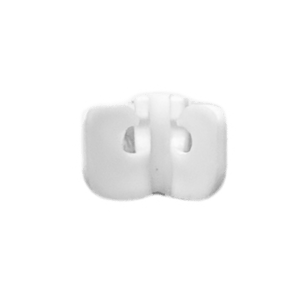
Shapeshift kit part
Artistbooths Bundle Component Frosted Lavender Purple (PMS 2715 C) Panel Square (35x35 cm) [8-pack]
Shapeshift kit part
B-grade artist booth panel - discounted cosmetic-second stock
Shapeshift kit part
Shapeshift kit part
Artistbooths Bundle Component Frosted Lilac Purple (PMS 263 C) BOOF Panel Triangle (35x35 cm) [2-pack]
Shapeshift kit part
Shapeshift kit part
Shapeshift kit part
Shapeshift kit part
Shapeshift kit part
Artistbooths Bundle Component Frosted Lilac Purple (PMS 263 C) BOOF Panel Half Square (35x17.5 cm) [4-pack]
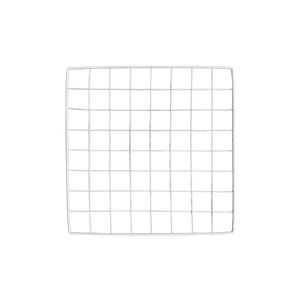
Artistbooths Single Connectors & Accessories White Square Wire Grid (35x35 cm)
Shapeshift kit part
Artistbooths Single Connectors & Accessories White Edge Connector

Stand out pop ups.Shapeshifting setups.

Custom shapes and mix-and-match colours, built to sell for years.

Shop
Scroll

build a booth that builds a crowd

Little parts. Big payoff.

Why makers love our booths.

Every detail pulls its weight.

Stand out, sell out.

Be the eye-catching brand whose cohesive look draws a crowd and gets remembered.

Grow with you.

Enough parts to range products from small table to large booth.

Shape your brand.

Triangles, rectangles, hinge panels and connectors, in colours you mix yourself, for infinite display setups.

Be memorable.

Seasonal colours keep your brand unique. Frosted finish gives your art a soft spotlight.

Range & sell more.

Self-serve more customers with parts that make the most of smaller spaces.

Strong where it counts.

An iron core holds heavy stock whilst water-resistant surfaces shrug off spills and weather.

Packs light, carries safe.

Panels weigh 150g each. The double-wall carry box protects up to 30 decorated panels every trip.

Spares for years.

Every kit packs extra parts, so when you scale up or lose a piece you can keep running your vision.

Your products centre stage

Light diffusing panels.

Anti glare & bright product display

Build your modular display kit

Mix and match colours and shapes. Sized for market, convention and trade-show tables up to 6 ft / 180cm.

1. Choose kit size
2. Choose your kit colours
Only available
2aChoose your base 24 square & 22 multi-shape panel colours What colour would you like the first half of multi-shape panel colours to be?
Get a 2-colour setup by swapping 24 of 48 square panels to another colour.
Get a 2-colour setup by swapping half your panels to another colour.
2bWhat colour do you want the other 24 squares to be in this kit? What colour do you want the other half of your kit to be? Included · $0
Get a multi-colour setup by swapping 24 of 48 square panels in another colour.
Get a 2-colour setup by swapping half of square & multishape panels into another colour
3. Bundle and Save (optional)

Range more & get creative with more colours, shapes & display accessories.

15% off accessory packs when bundled with kits
Shapeshift Base Kit
46 multi-shape panels156 accessories

Shapeshift Base Kit Add-on

$559.00

Grape Purple Frosted

Square Panel [24 Pack] (35cm / 13.8in) Add-on

Square Panel [24 Pack] (35cm / 13.8in) Add-on

$450.00

Scarlet Red Frosted

Triangles Panels 4 Pack [35cm / 13.78in] Add-on

Triangles Panels 4 Pack [35cm / 13.78in] Add-on

$100.00

Terracotta Frosted

Half-Squares panels [5 Pack] [17.5x35cm / 6.89x13.78in] Add-on

Half-Squares panels [5 Pack] [17.5x35cm / 6.89x13.78in] Add-on

$100.00

Tan Brown Frosted

Self Serve Hook with wire grid T clip  8cm [10 pack] Add-on

Self Serve Hook with wire grid T clip 8cm [10 pack] Add-on

$40.00

Self serve display Grid & Intersection Hook expansion pack [12/24 Mixed pack] Add-on

Self serve display Grid & Intersection Hook expansion pack [12/24 Mixed pack] Add-on

$100.00

Multi Connector Expansion Pack - White - Bundle & Save [16/32 mixed pack] Add-on

Multi Connector Expansion Pack - White - Bundle & Save [16/32 mixed pack] Add-on

$120.00

Square Wire Grid Expansion Pack - 35cm x 35cm/13.7"x13.7" Add-on

Square Wire Grid Expansion Pack - 35cm x 35cm/13.7"x13.7" Add-on

$60.00

Hinged Square panels [5 Pack] [35cm / 13.78in] Add-on

Hinged Square panels [5 Pack] [35cm / 13.78in] Add-on

$100.00

Forest Green Frosted

Mini Rectangle Panels [5-Pack] (17cm x 35cm/6.69in x 13.78in) Add-on

Mini Rectangle Panels [5-Pack] (17cm x 35cm/6.69in x 13.78in) Add-on

$100.00

Amber Yellow Frosted

Foot Connector Expansion Pack [4 Pcs] Add-on

Foot Connector Expansion Pack [4 Pcs] Add-on

$59.00

Mixed Single & Double Wire Shelf Clip [9 pack] Add-on

Mixed Single & Double Wire Shelf Clip [9 pack] Add-on

$45.00

Booth Wheel & Wheel Connector - white - [4 pack] Add-on

Booth Wheel & Wheel Connector - white - [4 pack] Add-on

$60.00

Corner Connector Expansion Pack [8 pack] Add-on

Corner Connector Expansion Pack [8 pack] Add-on

$60.00

Edge Connector [8 pack] Add-on

Edge Connector [8 pack] Add-on

$60.00

Single Shelf Wire Clip White [5 pack] Add-on

Single Shelf Wire Clip White [5 pack] Add-on

$35.00

Double shelf wire clip white [4 pack] Add-on

Double shelf wire clip white [4 pack] Add-on

$30.00

Self serve display Grid & Fold Hook expansion pack [12/24 Mixed pack] Add-on

Self serve display Grid & Fold Hook expansion pack [12/24 Mixed pack] Add-on

$110.00

Foldable Self Serve Hook (with wire clip) - [20 pack] Add-on

Foldable Self Serve Hook (with wire clip) - [20 pack] Add-on

$80.00

White

Foldable Self Serve Hooks (with adhesive sheet) [20 pack] Add-on

Foldable Self Serve Hooks (with adhesive sheet) [20 pack] Add-on

$50.00

White

Metal mallet (with dual rubber/soft tap sides) [1 pc] Add-on

Metal mallet (with dual rubber/soft tap sides) [1 pc] Add-on

$40.00

Panel Clamp Black 3cm Mouth [4 pcs] Add-on

Panel Clamp Black 3cm Mouth [4 pcs] Add-on

$40.00

17" ITA Tote (40x35cm) Puffy Purple + Pin pad with 5 pockets Add-On

17" ITA Tote (40x35cm) Puffy Purple + Pin pad with 5 pockets Add-On

$129.00

Foldable Croc Hooks (adhesive) - 10-pack

Foldable Croc Hooks (adhesive) - 10-pack

$50.00

Black

Dual headed metal mallet (with soft tap side)

Dual headed metal mallet (with soft tap side)

$40.00

Your bundle
Free express shipping deal
Orders over $300 AUD
dhm
Free Exp. Shipping (2-7 bus.days) d h m
Your selection
American Express Apple Pay BancontactGoogle Pay Mastercard Shop Pay Union PayVisa JCBDiscoverDiners ClubMaestro
🌐 We ship globally express tracked⭐ 4.9🇦🇺 Designed in Aus
Build your own
Duo color display
Colorful display

Modular cube panels that snap together in minutes. Pick a color to start with and build & grow. for years.

Modular artist display booth at a craft market
Indoor pet playpen enclosure